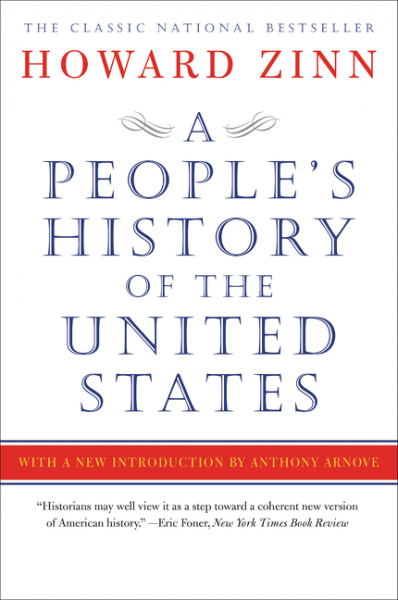
By Howard Zinn. Book - Non-fiction. HarperCollins. 1980; multiple updates with a new introduction by Anthony Arnove in 2015. Howard Zinn's groundbreaking work on U.S. history. Since its original landmark publication in 1980, A People’s History of the United Stateshas been chronicling American history from the bottom up, throwing out the official version of history taught in schools — with its emphasis on great men in high places — to focus on the street, the home, and the workplace.
Book Review of Making All the World America
Steven T. Newcomb reviews Timothy Bowers Vasko’s Making All the World America: Native Information and the Doctrine of Discovery (University of Pennsylvania Press, 2026).
The State of the People Black Papers | Dr. David J. Johns
The State of the People Black Papers—authored by us for us, free of exaggerated jargon, written plainly in a language for our people

The Death and Life of Great American Cities
The Death and Life of Great American Cities is a 1961 book by writer and activist Jane Jacobs. The book is a critique of 1950s urban planning policy, which it holds responsible for the decline of many city neighborhoods in the United States. The book is Jacobs' best-known and most influential work.

"Collective Power: Patterns for a Self-Organized Future by Ted J. Rau" [english edition] (ebook) - Sociocracy For All
by Ted Rau Preorder Ebook
Texas History Lessons
Texas History Lessons is a podcast about Texas history and much more. History is an important area of study and it is fun. While most of the focus will, of course, …

History Cooperative
Our modern world is shaped by the decisions, actions, and events of generations past. To understand who we are, explore how we got here at History Cooperative.
Education must make History Again - [ Perspectiva ]
Zachary Stein on John Amos Comenius forgotten genius and why it matters for our times

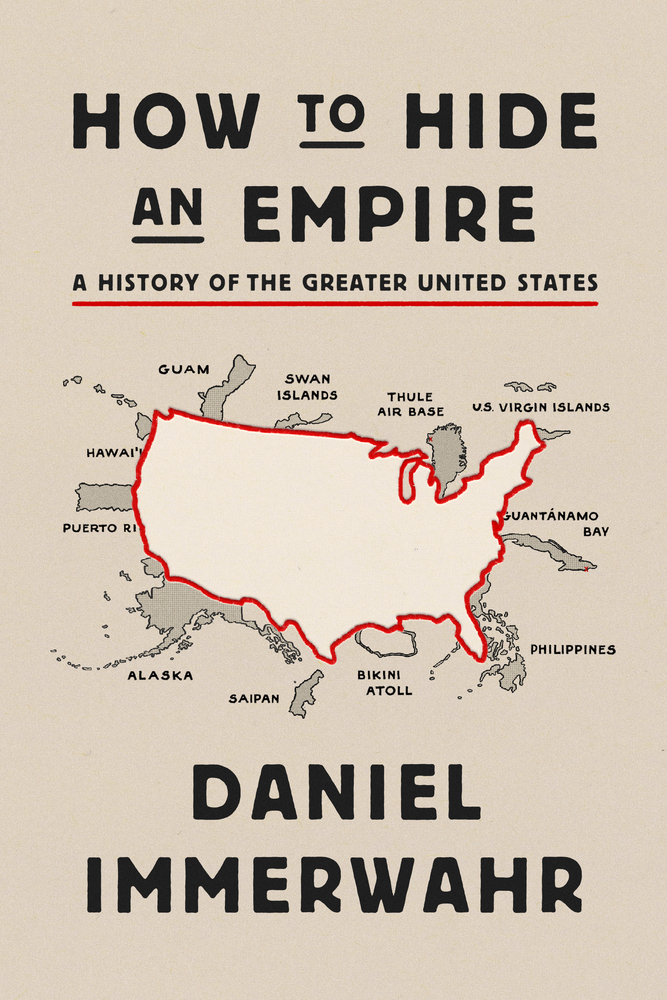
How to Hide an Empire: A History of the Greater United …
A pathbreaking history of the United States' overseas p…
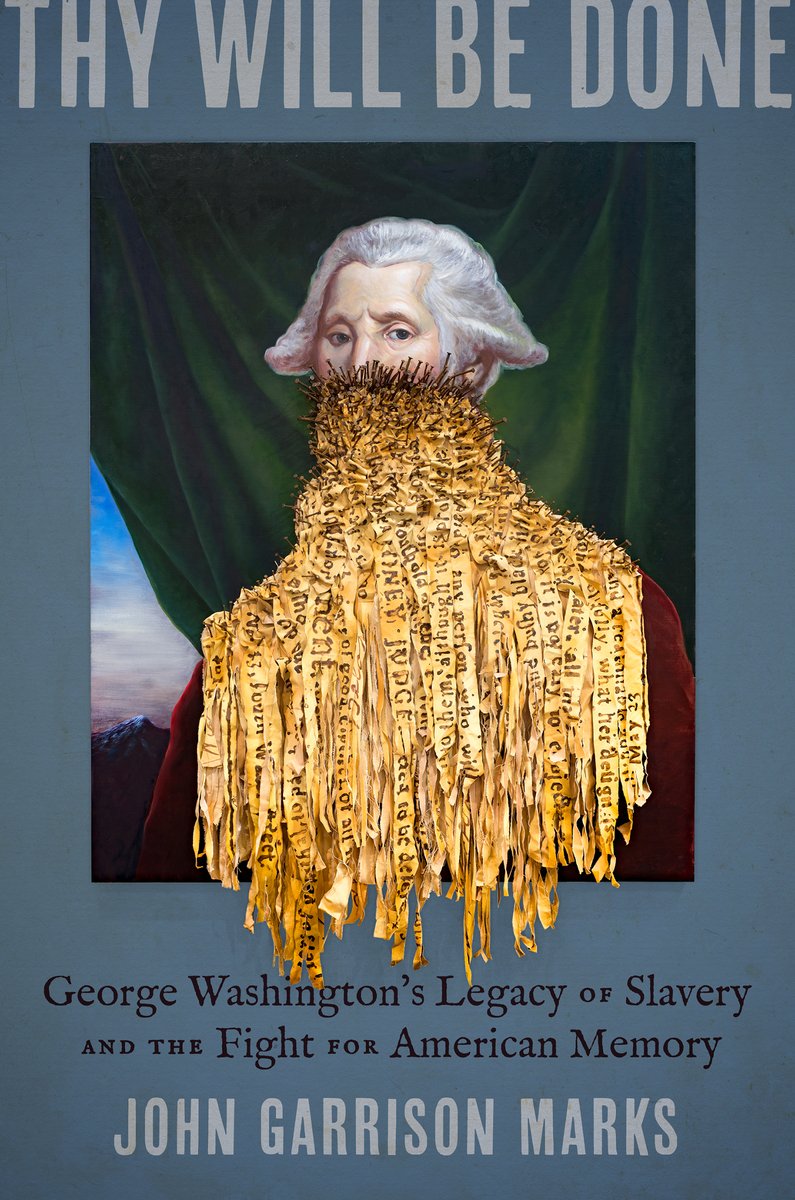
Thy Will Be Done: George Washington's Legacy of Slavery and the Fight for American Memory
George Washington's Legacy of Slavery and the Fight for American Memory
history
History refers to the study, documentation and narrating of the past. Knowing and understanding of the past is essential when envisioning, planning and building the future. The way how history is told affects the ways in which future can be imagined.
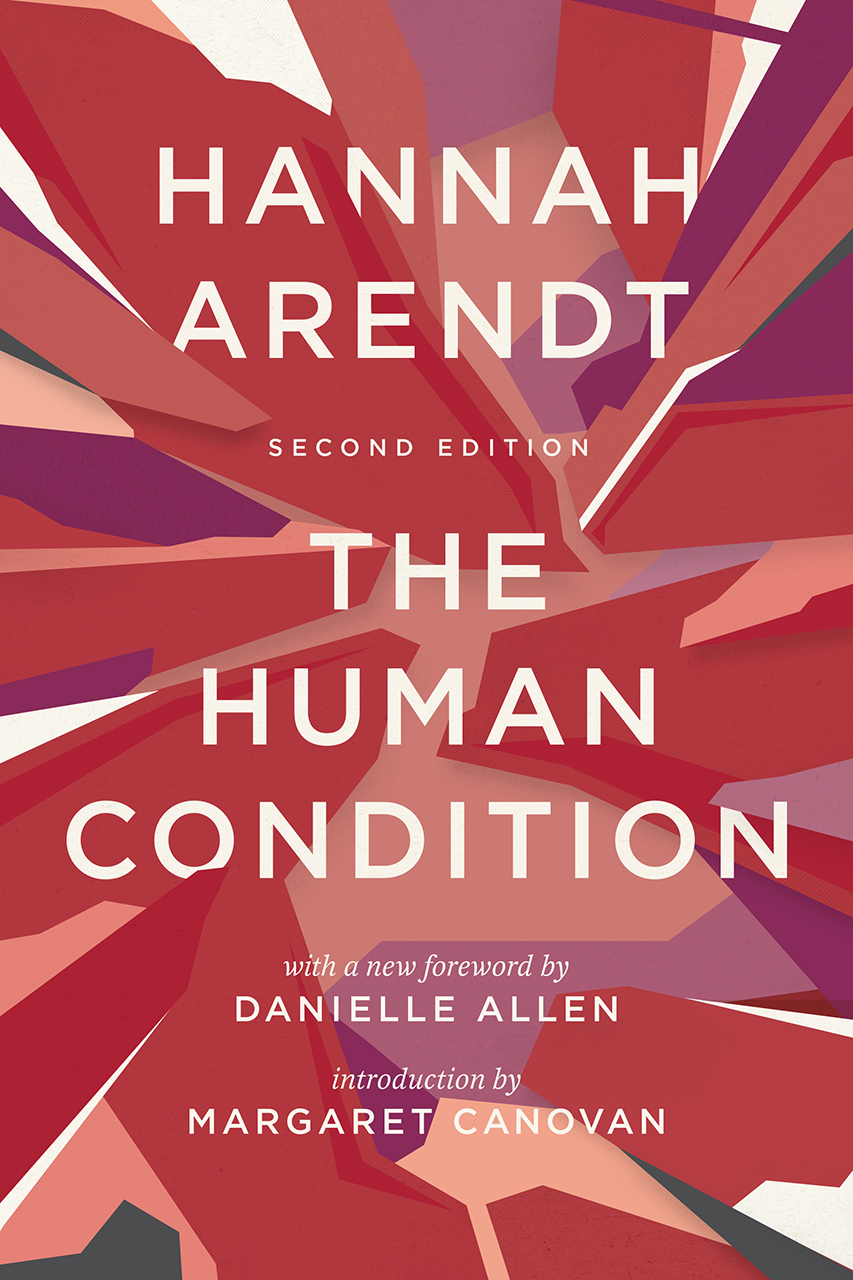
The Human Condition: Second Edition
A classic work of political thought, more relevant today than ever The twenty-first century has seen a resurgence of interest in the political thinker Hannah Arendt, “the theorist of beginnings,” whose work probes the logics underlying unexpected transformations—from totalitarianism to revolution. A work of striking originality, The Human Condition is in many respects more relevant now than when it first appeared in 1958. In her study of the state of modern humanity, Hannah Arendt considers humankind from the perspective of the actions of which it is capable. The problems Arendt identified then—diminishing human agency and political freedom, the paradox that as human powers increase through technological and humanistic inquiry, we are less equipped to control the consequences of our actions—continue to confront us today. This new edition, published to coincide with the sixtieth anniversary of its original publication, contains Margaret Canovan’s 1998 introduction and a new foreword by Danielle Allen. A classic in political and social theory, The Human Condition is a work that has proved both timeless and perpetually timely.
Individualism Reconsidered
Joe Peacott Individualism Reconsidered with a bibliography by Jerry Kaplan 1991

America, América: a new history of the New World
"The story of how the United States' identity was formed is almost invariably told by looking east to Europe. But as Greg Grandin vividly demonstrates, the nation's unique sense of itself was in fact forged facing south-no less than Latin America's was indelibly stamped by the looming colossus to the north. In this stunningly original reinterpretation of the New World Grandin reveals how North and South emerged from a constant, turbulent engagement with each other. America, América traverses half a millennium, from the Spanish Conquest-the greatest mortality event in human history-through the eighteenth-century wars for independence, the Monroe Doctrine, the coups and revolutions of the twentieth century, and beyond. Grandin shows, among other things, how royalist Spanish America, by sending troops and supplies, helped save the republican American Revolution; how in response to U.S. interventions, Latin Americans remade the rules, leading directly to the founding of the United Nations; and how the Good Neighbor Policy allowed FDR to assume the moral authority to lead the fight against world fascism. Grandin's book sheds new light on well-known historical figures like Bartolomé de las Casas, Simón Bolívar, and Woodrow Wilson, as well as lesser-known actors such as the Venezuelan Francisco de Miranda, who almost lost his head in the French Revolution and conspired with Alexander Hamilton to free America from Spain; the Colombian Jorge Gaitán, whose unsolved murder inaugurated the rise of Cold War political terror, death squads, and disappearances; and the radical journalist Ernest Gruening, who in championing non-interventionism in Latin America, helped broker the most spectacularly successful policy reversal in United State history. This is a monumental work of scholarship that will fundamentally change the way we think of slavery and racism, the rise of universal humanism, and the role of social democracy in staving off extremism. At once comprehensive and accessible, America, América shows that centuries of bloodshed and diplomacy not only helped shape the political identities of the United States and Latin America but also the laws, institutions, and ideals that govern the modern world. A culmination of a decades-long engagement with hemispheric history, drawing on a vast array of sources, and told with authority and flair, this is a genuinely new history of the New World"-- Provided by publisher

American Babylon
A gripping portrait of black power politics and the struggle for civil rights in postwar Oakland

Anarchism
Geoffrey Ostergaard Anarchism 1993 Published in The Blackwell Dictionary of Modern Social and Political Thought, pp. 12–14.
Empire: World History
History Podcast · Updated twice weekly · The rise and fall of empires and the events that shaped world history. William Dalrymple and Anita Anand explore the intricate stories of revolutions, imperial wars, and the people who built and lost…