

Meta’s content moderation policies and systems have increasingly silenced voices in support of Palestine on Instagram and Facebook in the wake of the hostilities between Israeli forces and Palestinian armed groups.
'We won't be silenced': Meta removes Instagram accounts of pro-Palestine advocacy group
Pro-Palestinian activists have complained of suppression of speech since the war on Gaza began on 7 October

Facebook content management controversies
Facebook and Meta Platforms have been criticized for their management of various content on posts, photos and entire groups and profiles. This includes but is not limited to allowing violent content, including content related to war crimes, and not limiting the spread of fake news and COVID-19 misinformation on their platform, as well as allowing incitement of violence against multiple groups.

Meta Refuses to Answer Questions on Gaza Censorship, Say Sens. Warren and Sanders
Facebook and Instagram’s parent company Meta dodged questions from Elizabeth Warren and Bernie Sanders about censorship of posts about Gaza.

Censorship by Facebook
Facebook has been involved in multiple controversies involving censorship of content, removing or omitting information from its services in order to comply with company policies, legal demands, and government censorship laws.

15 articles a day: The extent of the Israeli army’s media interference
In 2025, the military censor banned or redacted over 5,000 news reports, with suppression peaking during Israel’s war with Iran.
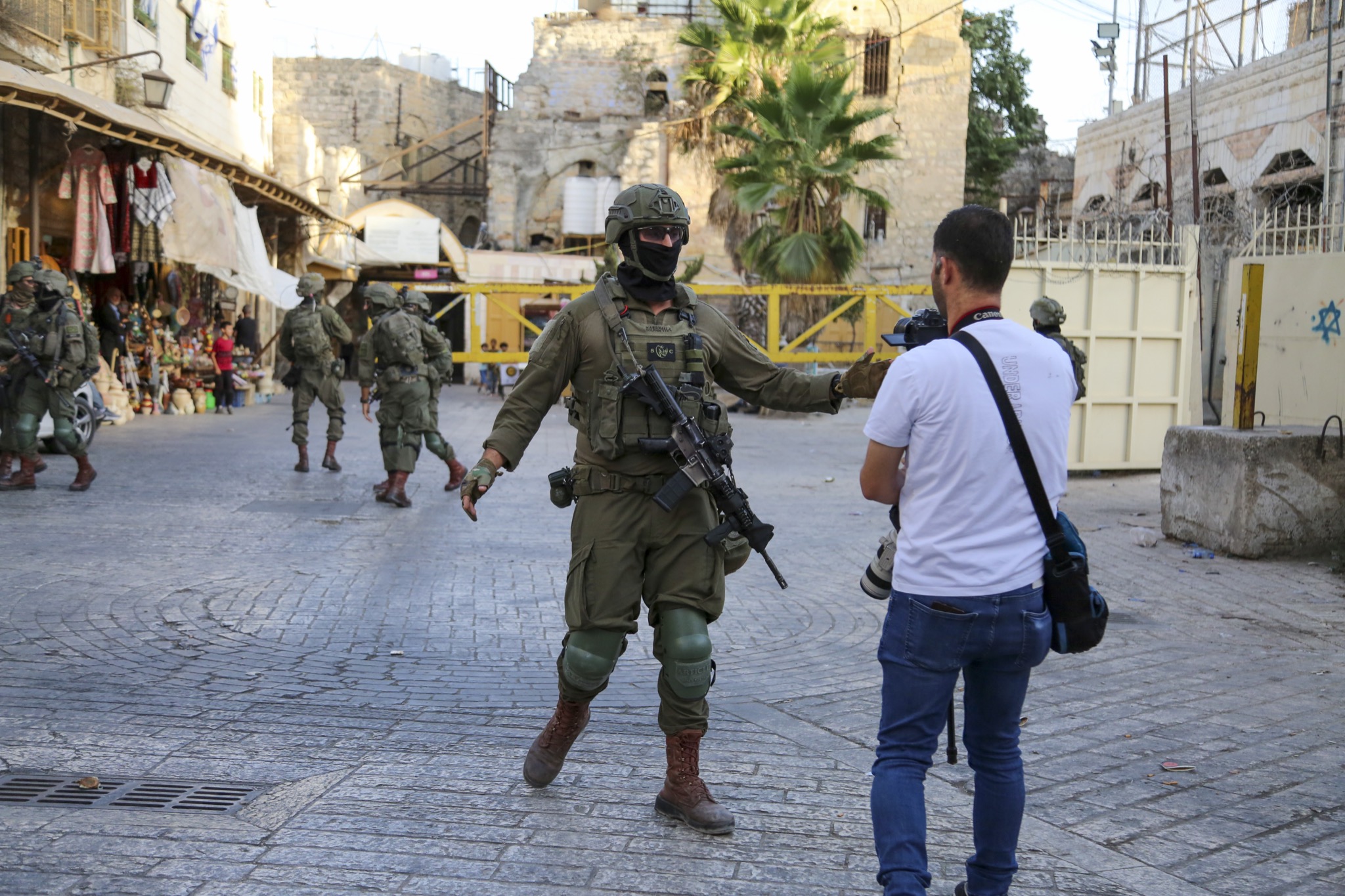
Meta 'financially enabling' Israeli settler violence against Palestinians, report says
Findings published by 7amleh reveal Meta's bias in the moderation of content by Israelis and Palestinians


Leader-driven or Leaderless: How Participation Structure Sustains Engagement and Shapes Narratives in Online Hate Communities
Extremist communities increasingly rely on social media to sustain and amplify divisive discourse. However, the relationship between their internal participation structures, audience engagement, and narrative expression remains underexplored. This study analyzes ten years of Facebook activity by hate groups related to the Israel–Palestine conflict, focusing on anti-Semitic and Islamophobic ideologies. Consistent with prior work, we find that higher participation centralization in online hate groups is associated with greater user engagement across hate ideologies, suggesting the role of key actors in sustaining group activity over time. Meanwhile, our narrative frame detection models—based on an eight-frame extremist taxonomy (e.g., dehumanization, violence justification)—reveal a clear contrast across hate ideologies: centralized Islamophobic groups employ more uniform messaging, while centralized anti-Semitic groups demonstrate greater framing diversity and topical breadth, potentially reflecting distinct historical trajectories and leader coordination patterns. Analysis of the inter-group network indicates that, although centralization and homophily are not clearly linked, ideological distinctions emerge: Islamophobic groups cluster tightly, whereas anti-Semitic groups remain more evenly connected. Overall, these findings clarify how participation structure may shape the dissemination pattern and resonance of extremist narratives online and provide a foundation for tailored strategies to disrupt or mitigate such discourse.
Meta’s Copyright System Is Being Weaponized Against Albanian Protesters
After three months of daily anti-government protests—dubbed the Flamingo Revolution—the sudden mass suspension of Instagram accounts has led to fears of brigading against demonstrators.

Changes to the Facebook Algorithm Decreased News Visibility Between 2021-2024
Platforms, especially Facebook, are primary news sources in the US. In its widely criticized "War on News," Meta algorithmically deprioritized news and political content. We use data from 40 news organizations (5,243,302 Facebook posts, 7,875,372,958 user reactions) and 21 non-news pages (396,468 posts; 1,909,088,308 reactions) between January 1, 2016 and February 13, 2025 to examine how these changes influenced news visibility on the platform. Reactions to news declined by 78% between 2021 and 2024 while reactions to non-news pages increased, indicating targeted suppression of news visibility. Low-quality sources were especially suppressed, yet the 2025 end to "War on News" increased user reactions to news, especially low-quality ones. These changes do not reflect decreased news supply, Facebook user base, or interest in news over this period.

Facebook Is Hosting Huge Numbers of Horrifying AI-Generated Videos of Violent Child Abuse, and Meta Is Barely Even Pretending to Care About Taking Them Down
Facebook is hosting huge numbers of horrifying AI-generated videos of violent child abuse, and Meta is barely taking them down.

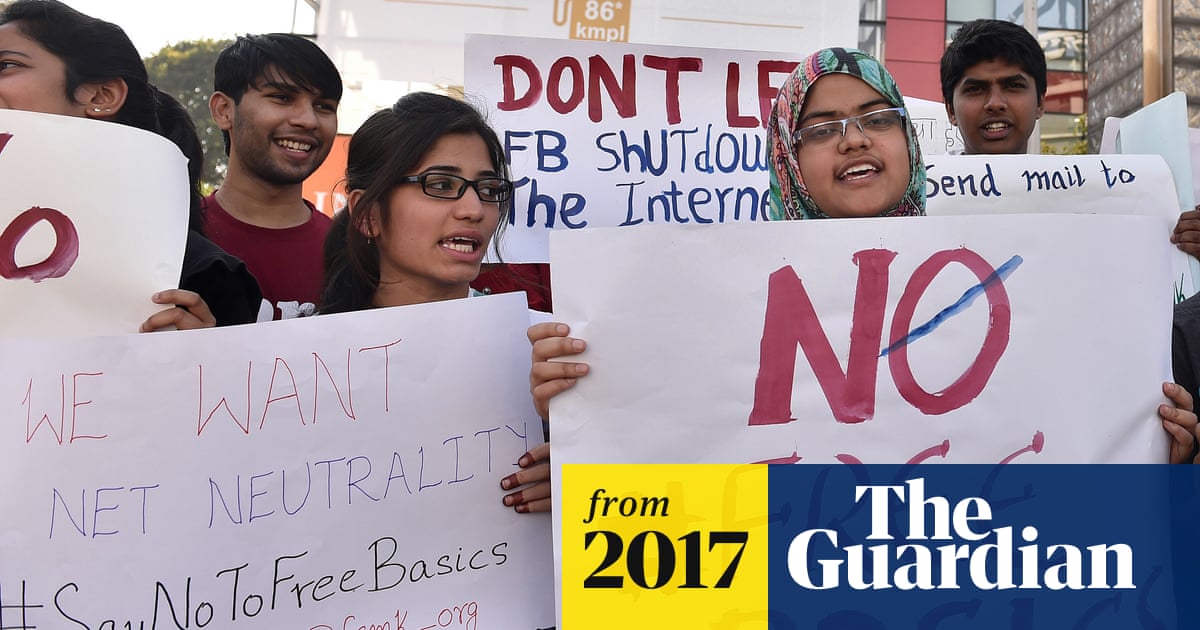
'It's digital colonialism': how Facebook's free internet service has failed its users
Free Basics, built for developing markets, focuses on ‘western corporate content’ and violates net neutrality principles, researchers say
The secret rules of the internet
The murky history of moderation, and how it’s shaping the future of free speech.

Facebook pays controversial creators to produce rage-bait content
An ABC NEWS Verify investigation reveals Facebook is directly funding some controversial Australian content creators including a white nationalist and an anti-vaxxer influencer.