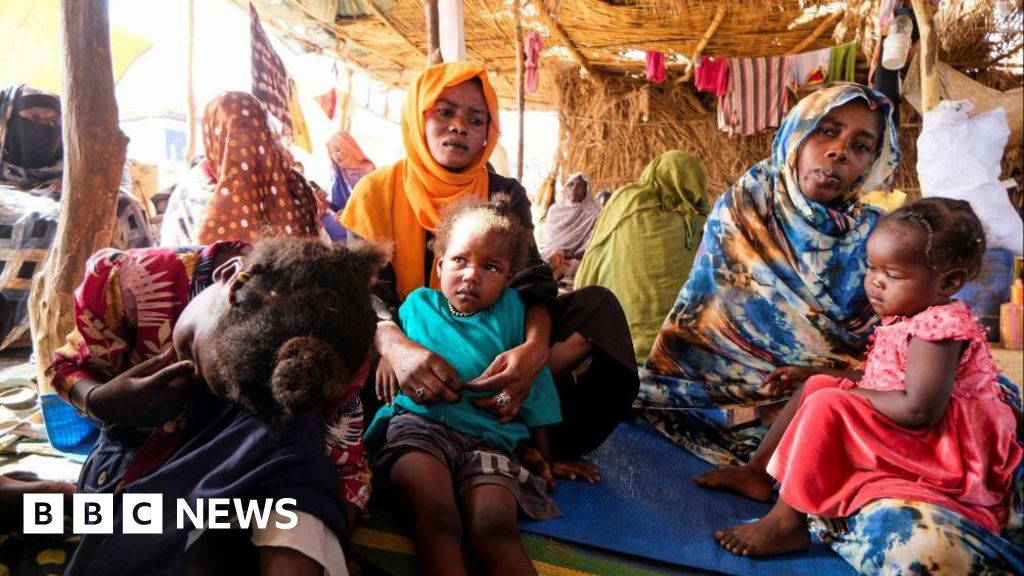
Since the conflict between the Sudanese Armed Forces (SAF) and the Rapid Support Forces (RSF) began in Sudan in April 2023, countless civilians have been killed, millions have been internally displaced, and millions face famine. There is a large and growing body of credible evidence documenting how, during their conduct in the conflict, the warring parties have committed widespread war crimes, crimes against humanity, and serious human rights violations, including in the Darfur region. For example, Human Rights Watch, among others, has documented devastating ethnic cleansing in West Darfur. Given the prevalence of such atrocities in the conflict, Human Rights Watch has called for the renewal and expansion of the existing arms embargo on Darfur to the rest of Sudan to prevent warring parties acquiring weapons or equipment likely to be used to perpetuate serious violations of international human rights and humanitarian law, harming civilians.
Mass Killings Reported in Sudan as RSF Seizes El Fasher; 460 Killed at Hospital
Sudan’s military is accusing the paramilitary Rapid Support Forces of killing at least 2,000 people since seizing control of El Fasher in the Darfur region, including some 460 at the Saudi Maternity Hospital. Meanwhile, tens of thousands have fled. “What’s happening is no less than a … campaign of destruction and annihilation,” says Mathilde Vu, Sudan advocacy manager at the Norwegian Refugee Council, speaking to Democracy Now! from Kenya. What’s unfolding in El Fasher is “the sum of all our fears,” adds Nathaniel Raymond, executive director of the Humanitarian Research Lab at the Yale School of Public Health. He urges the United States to put pressure on the United Arab Emirates, which has backed the RSF in the civil war as the group carries out “acts that are tantamount to genocide.”

Darfur’s Endless War
As paramilitaries tear through their already devastated province, self-defense fighters in North Darfur have taken up arms to defend their homes.

War Without End: How Drone Warfare and Failed Diplomacy Are Fragmenting Sudan
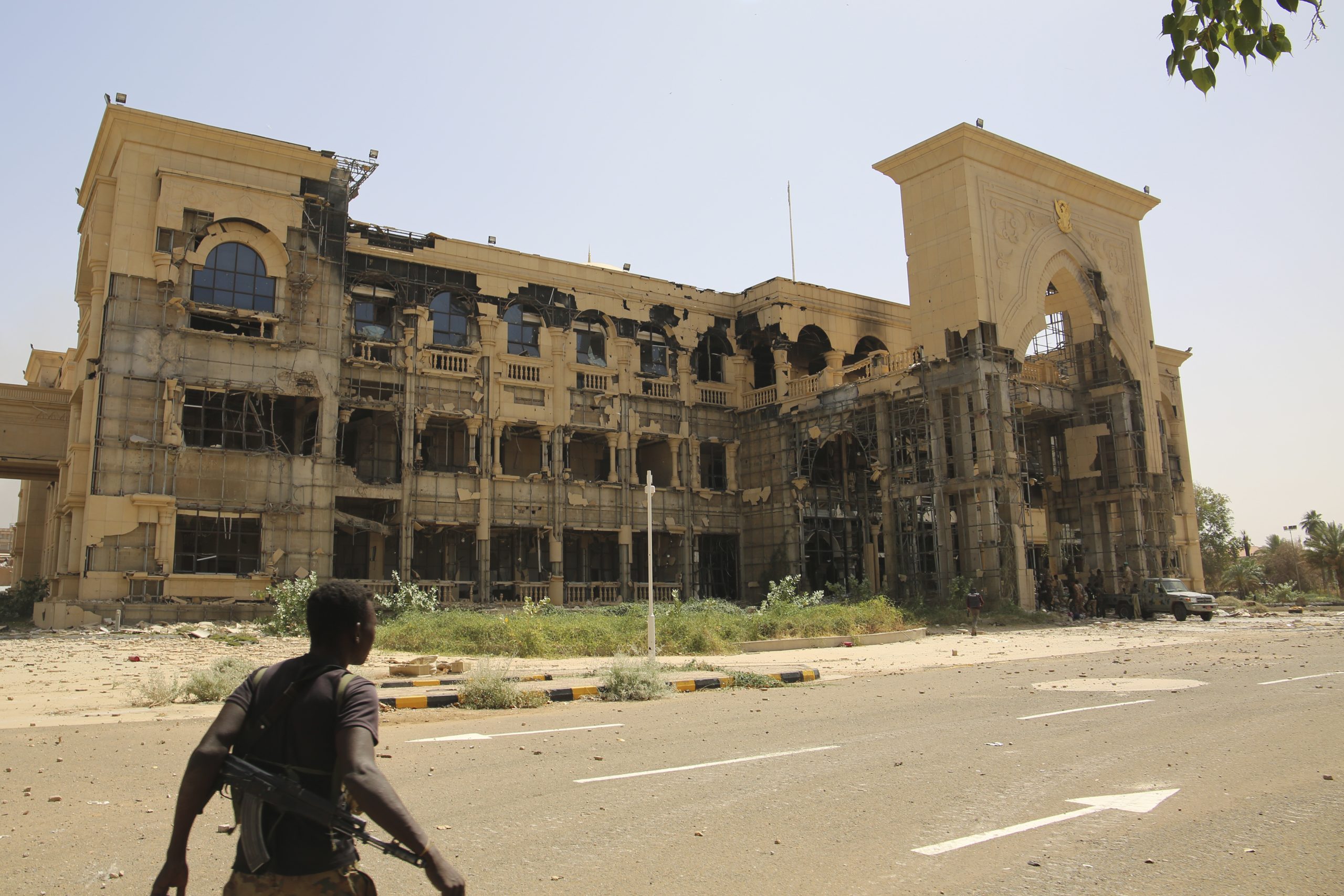
Tensions between the Sudanese Armed Forces (SAF) and the Rapid Support Forces (RSF) continue to rise amid the over two-year civil war as the RSF’s targeting of the Sudanese capital of Khartoum and its main airport has persisted. The SAF reclaimed Khartoum from the RSF in March by recapturing the presidential palace and government headquarters […]
Sudan Witness
We expose human rights violations & protect democracy through open-source investigations. We partner with local groups to document war crimes & disinformation, driving real change worldwide.
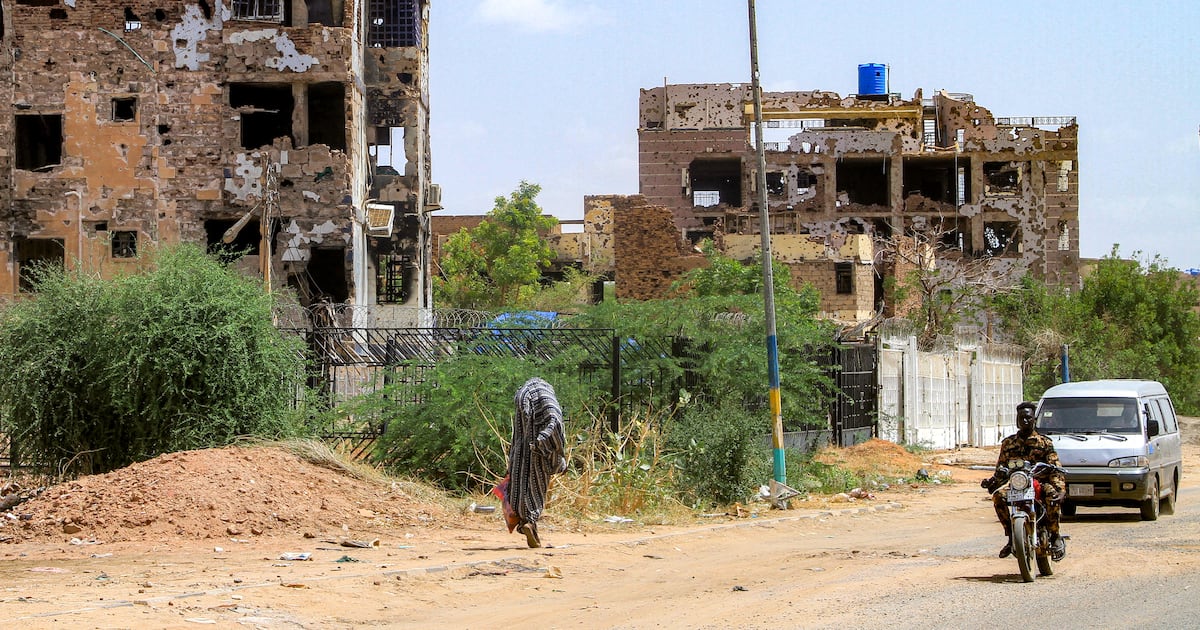
Radio silence: How the defence of Sudan's el-Fasher collapsed after comms blackout
Soldiers who fled the North Darfur city describe how jamming of radios and satellite phones left troops confused and isolated as the RSF attacked

Exclusive: Long-range 'kamikaze' drones seen near RSF base could worsen conflict in Sudan
More than a dozen long-range kamikaze drones seen near an airport controlled by Sudan's Rapid Support Forces during a major air assault on army territory in May indicate the paramilitaries have new weapons that could alter the course of the war.

RSF-aligned politician killed by drone attack in rare assassination in Sudan war | The National
Paramilitary group blames army for lethal strike that killed founding member of coalition loyal to the RSF
Sky News on Twitter / X
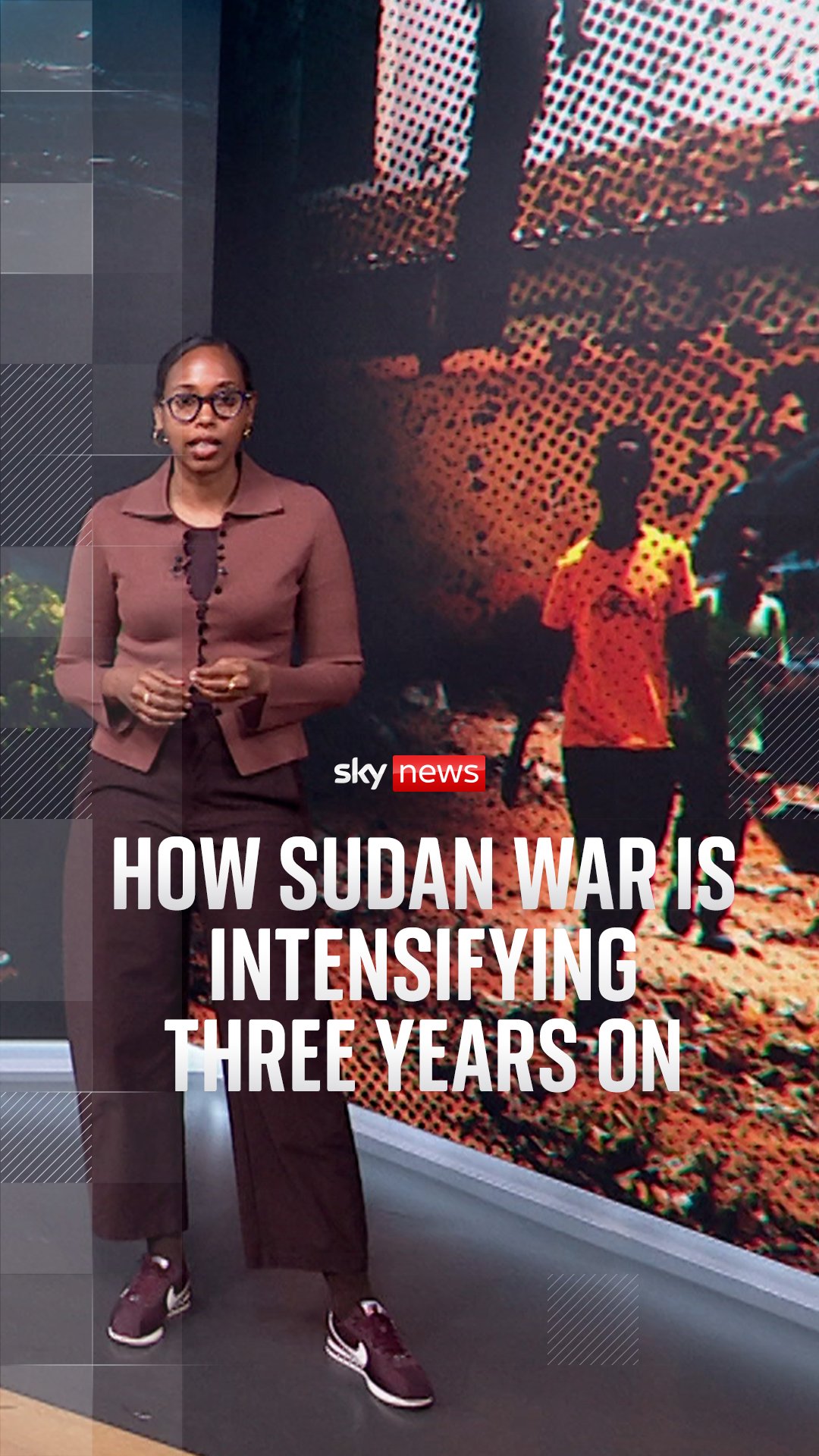
Sky's Africa correspondent @YousraElbagir examines the situation in Sudan after almost three years since the conflict there began, with ongoing drone warfare and refugees being deported back en masse.Read more: https://t.co/YnqK4tyuCj pic.twitter.com/Agi05elTeO— Sky News (@SkyNews) March 12, 2026
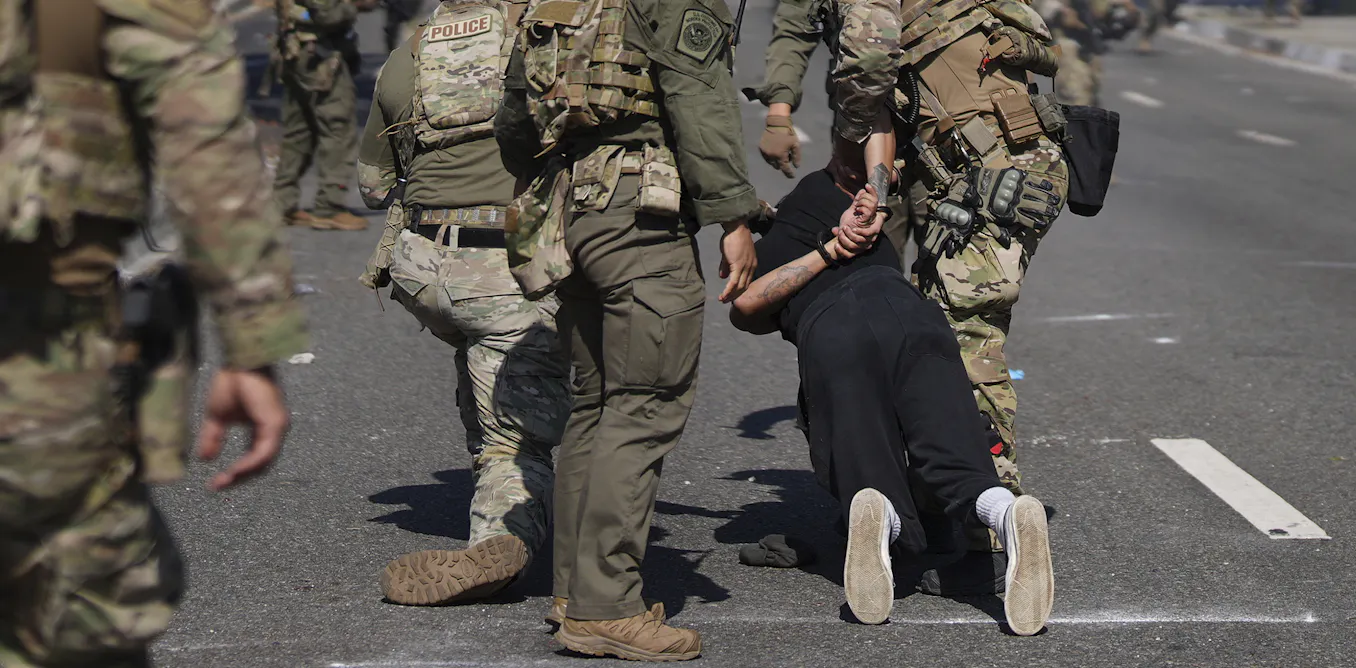
The United States’ human rights practices are taking a nosedive
New data from a global rights-tracking project shows the country had large declines in 2025 on 8 of the 9 civil and political rights it measures.
The United States’ human rights practices are taking a nosedive
New data from a global rights-tracking project shows the country had large declines in 2025 on 8 of the 9 civil and political rights it measures.
Drones Over the Nile: Unmanned Aerial Warfare and Sudan’s Rapid Support Forces | Aberfoyle International Security
The growing importance of drones in modern warfare has been amply demonstrated in the ongoing conflict between Russia and Ukraine, even though both states still possess manned military aircraft. In Africa, drones have been used extensively in the struggle between Libya’s rival governments, but the first broad use of drones by a “rebel” movement is taking place in Sudan. There, drones are in steady use by the Rapid Support Forces (RSF), a former state paramilitary that launched attacks on government institutions and the Sudan Armed Forces (SAF) on April 15, 2023. Only days after the conflict began, the SAF and other state security institutions declared the RSF “a rebel entity” that was fighting the state and ordered its dissolution (Al-Jazeera, April 17, 2023). [1]
Shelling, Drones, and Hunger in El Fasher | Council on Foreign Relations
Regional and international actors should approach the crisis in Sudan with the urgency it demands.

Drones, Wagner Missiles Help RSF Match Sudanese Army’s Might - Africa Defense Forum
ADF STAFF Portable surface-to-air missiles from Russia’s mercenary Wagner Group and weaponized drones are helping Sudan’s Rapid Support Forces (RSF) level the field in its conflict against the Sudanese Armed Forces (SAF). At the outset of the conflict, both sides were closely matched in personnel. But the SAF, armed with planes and heavy weaponry, was

The Political Declaration — UNODA
Political Declaration on Strengthening the Protection of Civilians from the Humanitarian Consequences Arising from the Use of Explosive Weapons in Populated Areas
WFP cyber-attack: Is nearly all of Gaza’s population exposed?
Notes on how aid works: What WFP leaves out of data breach reports, the humanitarian reset’s neglected crises, and Palantir.

El-Fasher attack: Dozens killed in drone strike in besieged Sudan city
El-Fasher has been surrounded by the RSF for 17 months, as residents face hunger and starvation.