


During a parliamentary session on November 26, 2025, Japanese Prime Minister Sanae Takaichi said that her Liberal Democratic Party (LDP) government would soon consider new legislation on “spy prevention.”
Government to ease data consent rules for AI development | The Asahi Shimbun Asia & Japan Watch
To accelerate artificial intelligence development, the government plans to relax consent requirements for access to personal information while introducing tougher penalties for intentional misuse.

Japan Cabinet OKs easing data protection law to promote AI development
TOKYO (Kyodo) -- Japan's Cabinet on Tuesday approved a bill to revise the personal data protection law, easing restrictions on using individual inform

Japan relaxes privacy laws to make AI development easy
: Opting out of personal data use won't be an option because Minister says that's a 'very big obstacle' to AI adoption

Information and Communications in Japan 2024
Bill to ease data protection law for AI development clears Japan's lower house
TOKYO (Kyodo) -- A bill to revise Japan's personal data protection law passed the House of Representatives on Tuesday, paving the way for eased restri
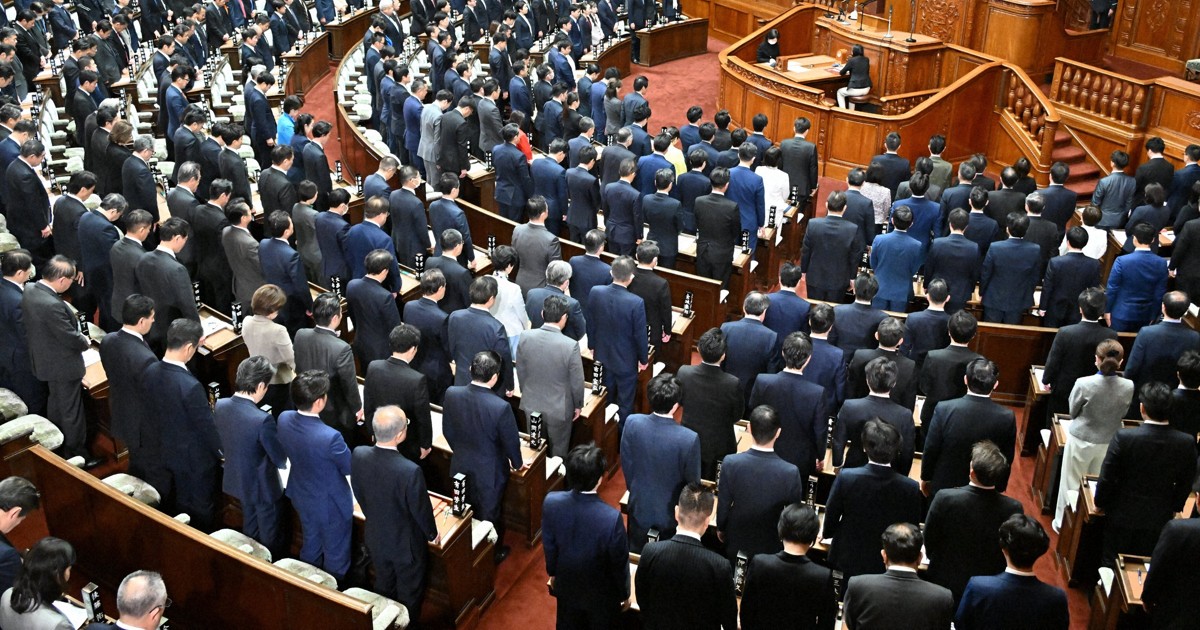
Unauthorized access, personal data leaks surge in Japan | NHK WORLD-JAPAN News
A series of cyberattacks have led to leaks of large amounts of personal data from companies across Japan. Experts say the misuse of AI may be contributing to the growing threat. As this new challenge emerges, how should companies, and society as a whole, respond?

Japan police panel urges remote phone analysis to fight anonymous crime groups
TOKYO -- A Japan police advisory panel has proposed the early introduction of remote analysis of smartphones used by anonymous, fluid crime groups, de

Tell Congress to Say No to Warrantless AI Mass Surveillance
The War on Terror-era legislation that authorized decades of civil liberties-eroding mass surveillance expired June 12. . Congress has a choice to make before they reauthorize this bill: will they greenlight warrantless mass surveillance of American citizens, or uphold the Constitution and prevent more of Trump's authoritarian powergrabs? Section 702 of the Foreign Intelligence Surveillance Act (FISA) was passed in 2008 as a counterterrorist measure, but has a long history of abuse from the federal government, especially when it comes to surveillance. Congress has a choice to make: Will they greenlight warrantless mass surveillance, or hold the line and reject any effort to move forward without serious privacy guardrails. FISA as it is currently written: Allows warrantless backdoor surveillance of people in and out of the country Offers little to no protections against the administration targeting critics, activists, religious minorities, or communities of color Actively chills our freedoms of speech and association Two years ago, this reauthorization legislation sailed through Congress with bipartisan support. That can’t happen again. Democratic leadership and members must hold the line for our civil liberties. And any Democrat or Republican voting for unfettered spying on US citizens should hear from their constituents. Let your Members of Congress know you expect them to reject reauthorization unless it includes significant reforms to protect our civil liberties against this authoritarian regime.

THE DEGRADATION OF HUMAN RIGHTS AND FREE PRESS THROUGH THE PEGASUS SOFTWARE IN THE ERA OF SURVEILLANCE, AS A THREAT TO INTERNATIONAL SECURITY. A DEBATE OF CIVIL LIBERTIES AND CENSORSHIP
The evolution of cyber spying technology presents new and rising dangers; coupled with the easy justification for use of the on-going terrorist crisis these dangers have now become major threats to the international security system. This article aims to provide analysis of these threats, using the new software Pegasus as a focal point of discussion. Developed by the Israeli ‘cyber-warfare’ company ‘NSO’, this spyware signals a danger not only to security but freedom of the press and journalistic integrity. This paper’s focus will centre on how this software is used for censorship rather than to combat terrorism and will examine the social and political ramifications of said use. As highlight, the case of UAE activist Ahmed Mansoor and his contemporaries who were writing against authoritarian governments will be discussed. This article will urge that strict global legislation is needed to stop the abuse of spyware as a tool of censorship.
Germany: New government plans 'right to encryption'. | Tuta
The coalition contract of the newly elected German government contains right to encryption.


3 hacking methods primarily used in Japan data leaks | NHK WORLD-JAPAN News
A Japanese cybersecurity organization says that hackers have primarily used three methods in a recent spate of attacks that resulted in personal data leaks.

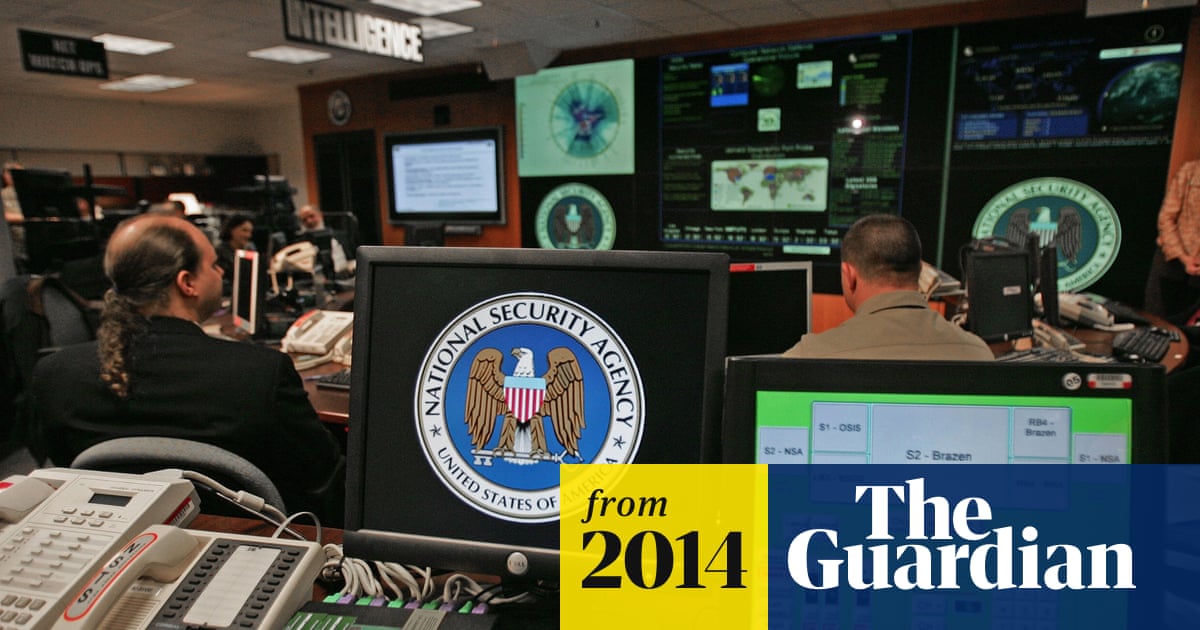
Privacy under attack: the NSA files revealed new threats to democracy
We now know the apparatus of repression has been attached to the democratic state, but our struggle for privacy is far from hopeless. By Eben Moglen
Japanese anti-espionage law

Search terms: Anti-spy law, 国家秘密に係るスパイ行為等の防止に関する法律案, スパイ防止法案, 国家秘密法案
AI* and Japanese privacy laws
Search keywords: 個人情報保護法, personal information protection law, personal data protection law * I’m neither “pro-AI” nor “anti-AI.” I’ve been blocked for being perceived as both. —Actually, I’m honestly more anti-AI than pro-AI thus far, aside from specialized models and specific use cases, but I’m willing to consider information that’s new to me
Data leaks in Japan 2026
I’ve long been critical of the weak cybersecurity in Japan, but this is specifically about the series of data leaks circa September/October 2026 (hoping it won’t go on for longer). This is unfortunately such a huge I Told You So moment for me
新たなスパイ防止法は人権を尊重すべき
New Japanese Espionage Law Would Need to Respect Rights
国家秘密に係るスパイ行為等の防止に関する法律案

「別班」の存在を暴いた記者が抱く『VIVANT』シーズン2への違和感…別班の正体と越えてはならない一線とは 『自衛隊の闇組織 秘密情報部隊「別班」の正体』の著者、石井暁・共同通信記者に聞く | JBpress (ジェイビープレス)
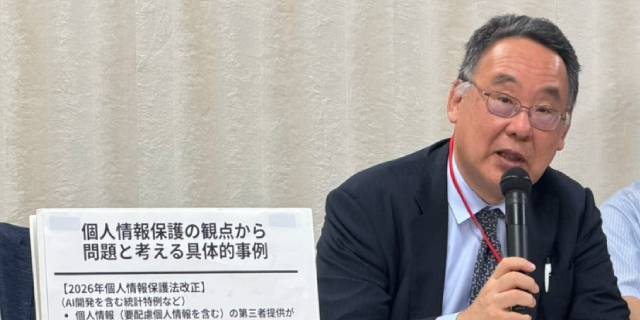
「不安が全く払拭されていない」病歴が“本人同意なし”でAI開発に利用? 改正個人情報保護法、弁護士らが「特に問題」と指摘するポイントとは | 弁護士JPニュース

密室で決まったAI特例、個人情報を同意なしで活用 保護と両立手探り

AI開発なら本人同意なく提供 個人情報保護法改正案の問題点とは?:朝日新聞

<社説>個人情報保護法 AI優先の緩和は危険だ:北海道新聞デジタル

実名・住所付きの病歴が本人の同意なく学習される…現役医師が突く高市政権肝いり「国産AI」に潜む“大穴”

個人情報保護法改正案 参院で審議入り 立民“氏名など削除を” | NHKニュース

情報漏洩に関する企業アンケート|株式会社 帝国データバンク[TDB]

Over 16% of Japanese companies experience data breaches

GMO系「国内不正アクセス、中国製AIソフトの使用確認」

【企業一覧】個人情報の漏洩・恐れを公表した企業など 随時更新

Proton Drive

医療や金融の個人データを保護へ 漏洩リスク防止に法整備の検討開始:朝日新聞