

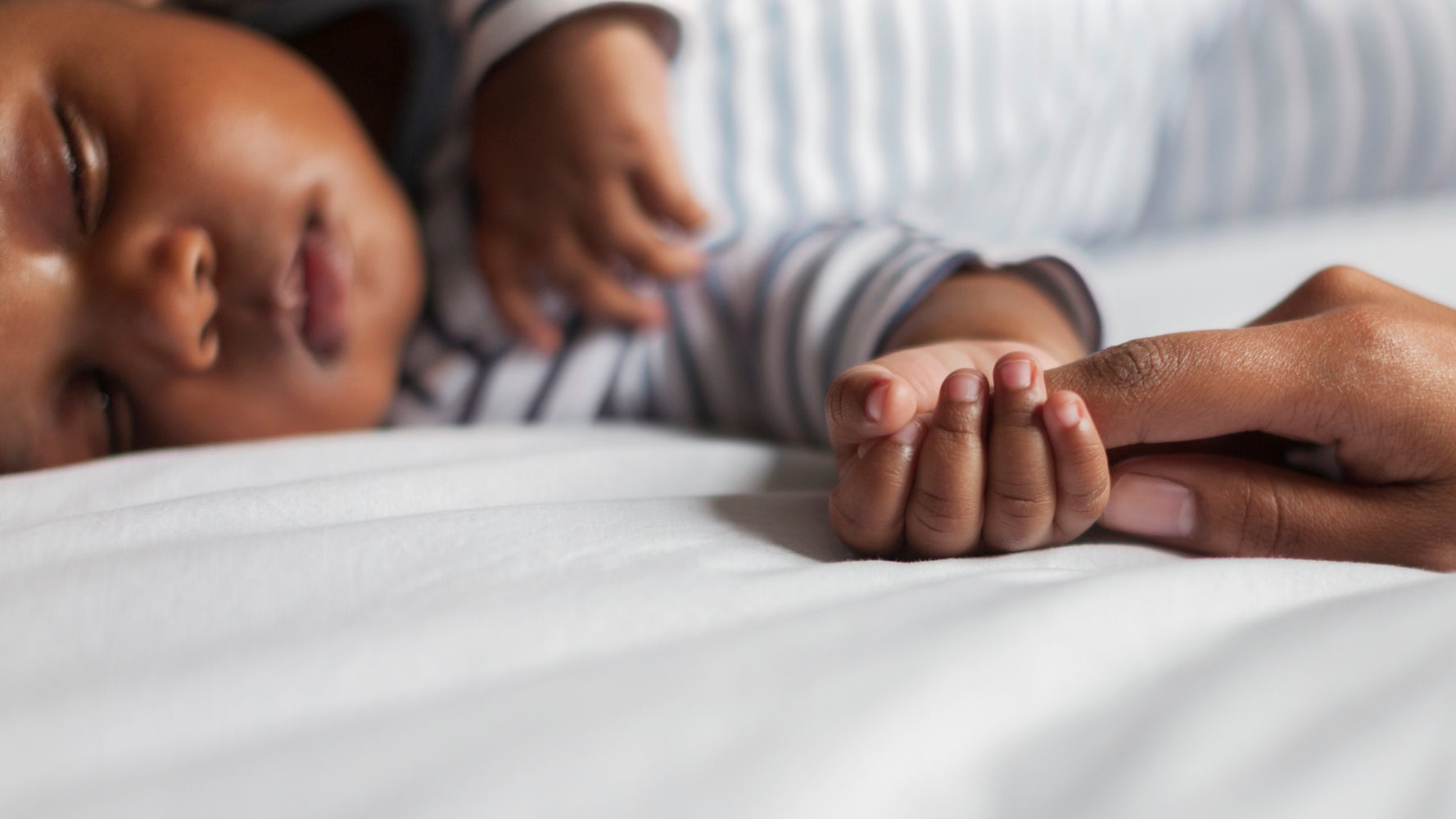
The AAP comes down hard against bed-sharing, yet many parents still do it. Instead of lying to our pediatricians about it, we should be talking about how to make it safer.
New safe sleep recommendations can help pediatricians guide families
The AAP continues to emphasize placing infants on their backs in an uncluttered crib.

Bedsharing may partially explain the reduced risk of sleep-related death in breastfed infants
Official websites use .gov A .gov website belongs to an official government organization in the United States.

Vital Signs: Trends and Disparities in Infant Safe Sleep Practices — United States, 2009–2015
Official websites use .gov A .gov website belongs to an official government organization in the United States.
There's no place like home
Peace of mind for pet parents and unique stays for sitters
Provision of Onsite Prenatal Care Services at U.S. Federally Qualified Health Centers

Efficacy of infant simulator programmes to prevent teenage pregnancy: a school-based cluster randomised controlled trial in Western Australia
The infant simulator-based VIP programme did not achieve its aim of reducing teenage pregnancy. Girls in the intervention group were more likely to experience a birth or an induced abortion than those in the control group before they reached 20 years of age.

Beds too short in 'worst-ever' Asian Games rooms, says Korea team - The Korea Times
TOKYO — Accommodation at the Asian Games starting this week in Japan is the "worst ever," Korean officials told AFP on Monday, also warning of "a s...

Home | Protecting Kids Online
Our mission is to protect children and defend parental rights by equipping families and citizens with the tools to keep kids safe online. We oppose government surveillance disguised as child safety legislation and seek to build an informed, independent parent-led coalition to #ProtectKidsOnline.

Instinctive sleeping and resting postures: an anthropological and zoological approach to treatment of low back and joint pain
Your access to the NCBI website at www.ncbi.nlm.nih.gov has been temporarily blocked due to a possible misuse/abuse situation involving your site. This is not an indication of a security issue such as a virus or attack. It could be something as simple as a run away script or learning how to better use E-utilities, http://www.ncbi.nlm.nih.gov/books/NBK25497/, for more efficient work such that your work does not impact the ability of other researchers to also use our site. To restore access and understand how to better interact with our site to avoid this in the future, please have your system administrator contact info@ncbi.nlm.nih.gov.
Asexuality and Kink: Why Do So Many Aces Love It?
Our Babies Aren’t 'Bad'—Understanding Autism in Black Children
Too many Black children—especially our Black boys—are being labeled as “bad." Let's get understanding of autism in Black children.

Sleep: Educational Impact and Habit Formation
In a field experiment among US university students, incentives for sleep increase both sleep and academic performance. Our primary intervention pairs bedtime reminders with morning feedback and immediate rewards for sleeping at least 7 hours on weeknights. The intervention raises the share of weeknights with 7+ hours of sleep by 26% and average sleep by 19 minutes during a 4-week treatment period, with posttreatment effects of 8 minutes. Immediate incentives outperform both delayed incentives and reminders/feedback alone during treatment but have no distinguishable impacts posttreatment. The primary intervention improves average semester course performance by 0.075–0.089 grade points, a 0.10–0.11 standard deviation increase. Our results demonstrate that incentives targeting sleep can be a cost-effective approach to improve educational outcomes.
Beds too short in 'worst-ever' Asian Games rooms, say South Korea
Accommodation at the Asian Games starting this week in Japan is the "worst ever", South Korean officials told AFP on Monday, also warning of "a serious shortage" of rooms.

Why Protecting Kids from Social Media May Make Things Worse — Douglas Rushkoff
I’m supposed to give a talk next week about kids and social media and the need for more media literacy education, more regulation of platforms, and more substantive discussion about how to keep our kids from media-induced self-harm. The whole event is well-meaning, but is characterized by a sense of worry and protection. And for some reason, after years of making those sorts of arguments in my articles and documentaries, I have a strong impulse to pivot the other way.
Our statement on the UK gov't's demand that all content on all devices sold or used in the UK be scanned, on the presumption of nudity, using a dystopian combination of age verification & content scanning. This proposal will not safeguard children. It endangers us all. signal.org/blog/pdfs/2026-06-08-uk-surve…

