

Winner of the Bruno Kreisky Prize, Karl Renner InstitutA Financial Times Best Economics Book of the Year An Economist Best Book of the Year A Livemint Best Book of the YearOne of the world’s leading economists of inequality, Branko Milanovic presents a bold new account of the dynamics that drive inequality on a global scale. Drawing on vast data sets and cutting-edge research, he explains the benign and malign forces that make inequality rise and fall within and among nations. He also reveals who has been helped the most by globalization, who has been held back, and what policies might tilt the balance toward economic justice.“The data [Milanovic] provides offer a clearer picture of great economic puzzles, and his bold theorizing chips away at tired economic orthodoxies.”—The Economist“Milanovic has written an outstanding book…Informative, wide-ranging, scholarly, imaginative and commendably brief. As you would expect from one of the world’s leading experts on this topic, Milanovic has added significantly to important recent works by Thomas Piketty, Anthony Atkinson and François Bourguignon…Ever-rising inequality looks a highly unlikely combination with any genuine democracy. It is to the credit of Milanovic’s book that it brings out these dangers so clearly, along with the important global successes of the past few decades.—Martin Wolf, Financial Times
The Divide — Jason Hickel
The Divide: A Brief Guide to Global Inequality and its Solutions Penguin Random House UK, 2017

Is Inequality Inevitable?
Wealth naturally trickles up in free-market economies, model suggests
Economic Inequality
How is inequality measured, who produces key databases, and what does the data tell us?
Economic Inequality
How is inequality measured, who produces key databases, and what does the data tell us?
Thomas Piketty Knew This Was Coming
The scholar of inequality warned us that our economic systems couldn’t withstand a global catastrophe.

Thomas Piketty's Capital: everything you need to know about the surprise bestseller
The radical economist's book Capital in the Twenty-First century has angered the right with its powerful argument about wealth, democracy and why capitalism will always create inequality, says Paul Mason
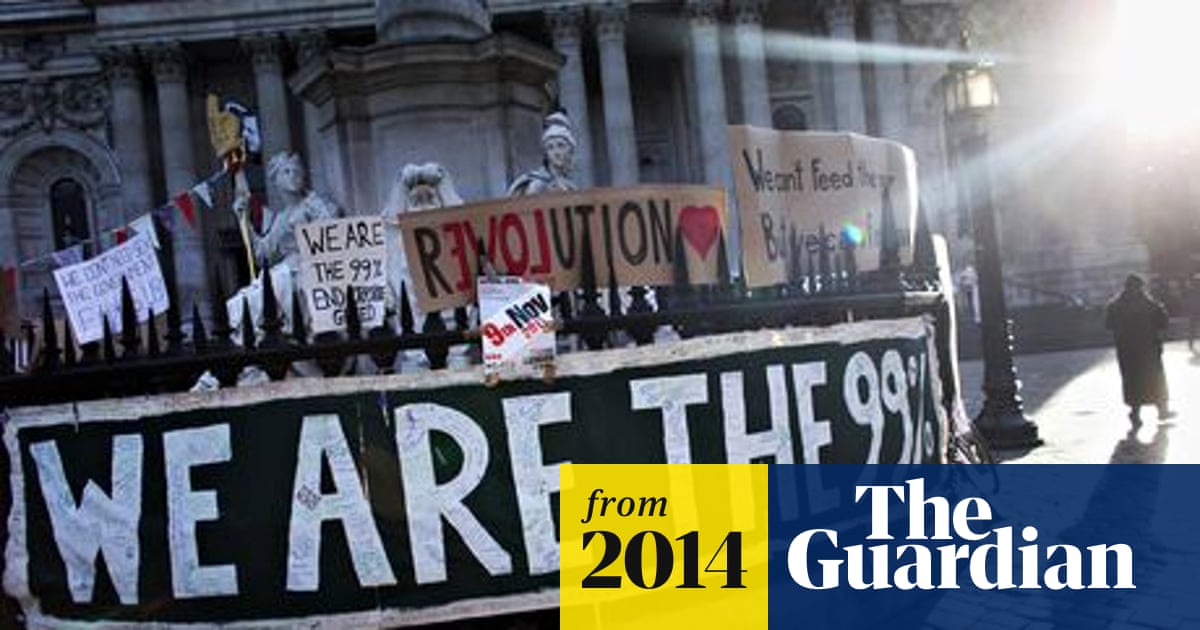
“The Common Good Economy”: Mariana Mazzucato on Fixing Capitalism
We speak with the economist Mariana Mazzucato, author of the new book The Common Good Economy: A New Compass.
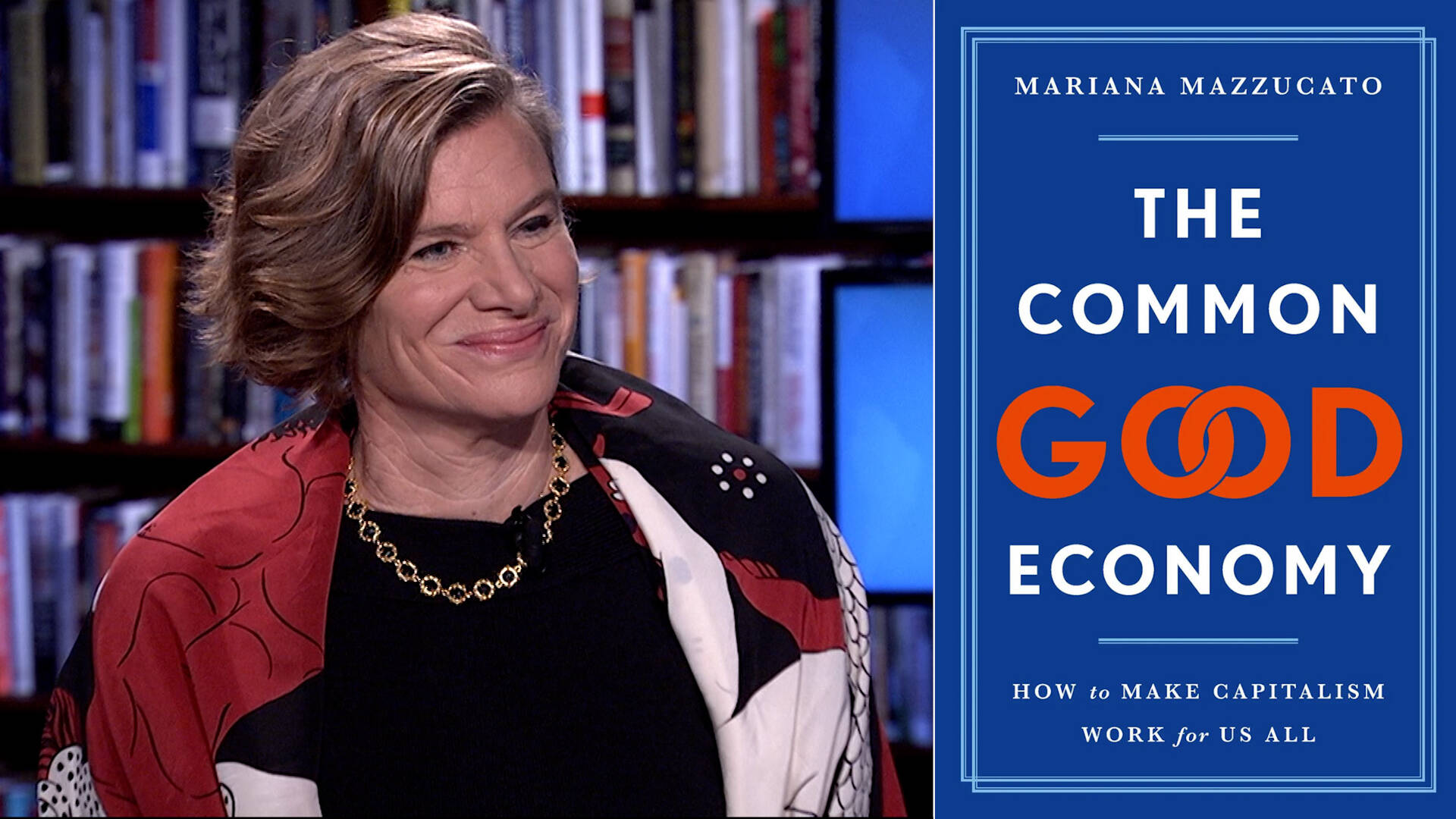
annotations: A propos de la super-implication des super-riches dans la politique américaine
Blog de sciences économiques et sociales de Martin Anota. Traductions, revues de presse.
Les inégalités aux Etats-Unis (1/5) : pourquoi l'écart s'est-il creusé entre les riches et les autres ?
traduction française du billet de blog "Why did the rich pull away from the rest? Understanding inequality: Part I" de Paul Krugman

Les inégalités aux Etats-Unis (5/5) : une financiarisation prédatrice
traduction française du billet de blog "Predatory financialization. Understanding Inequality: Part V" de Paul Krugman

Les vagues de Kuznets… ou comment les inégalités de revenu croissent et décroissent à très long terme
Traduction française de "Introducing Kuznets waves: How income inequality waxes and wanes over the very long run" de Branko Milanovic

013 - Olivier De Schutter on Why the Economy Creates Poverty – and How To Fix It
Italy's Radical Solution to Extreme Inequality
Inégalités : à la recherche des racines de l'exceptionnalisme américain
Traduction française de « A la recherche of the roots of US inequality “exceptionalism”» de Branko Milanovic

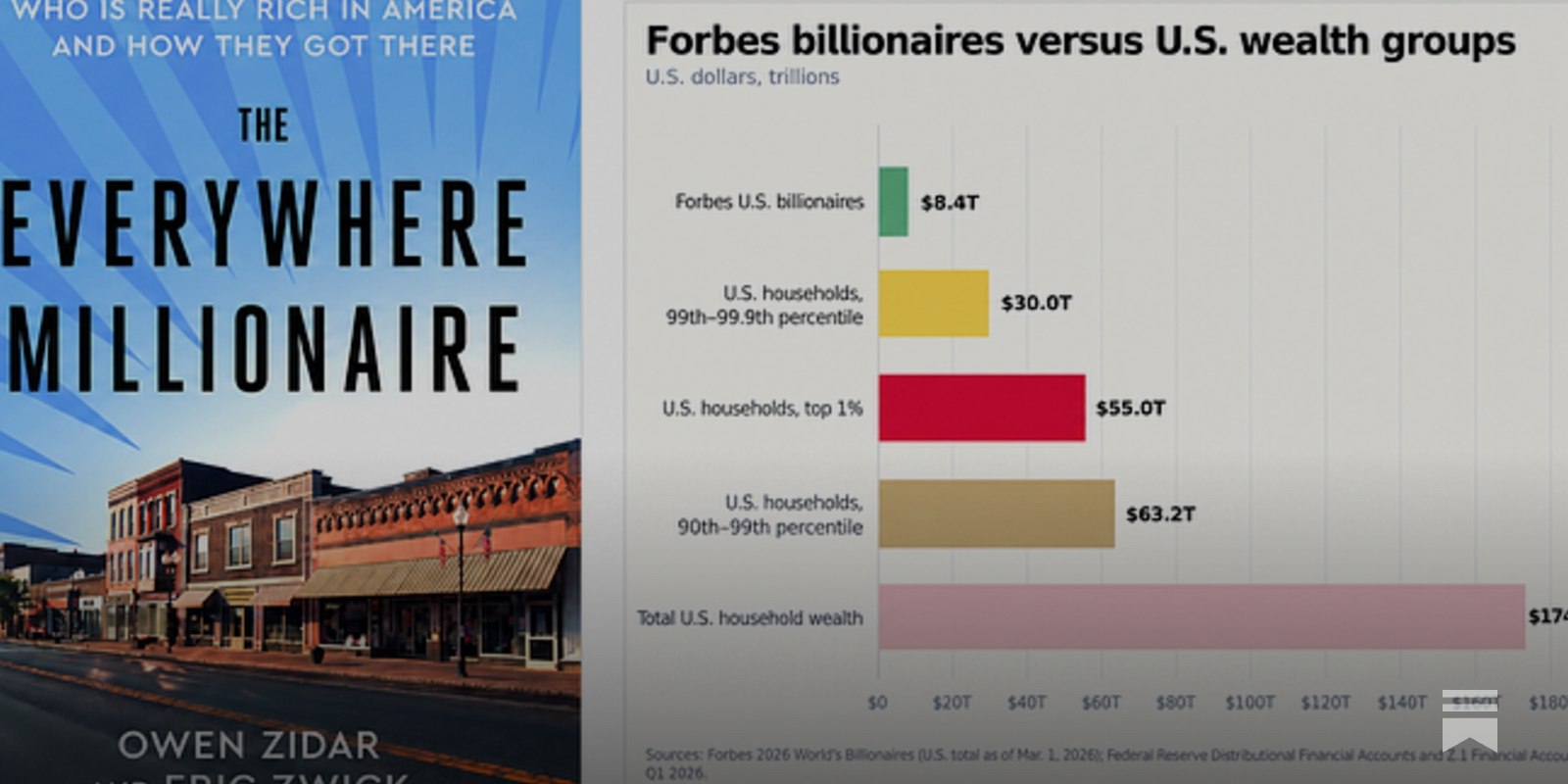
Who is rich in America, and why?
A review of “The Everywhere Millionaire” by Zidar and Zwick
if there's one conclusion that the study of both labor history and imperialism converge on, it is that the richest people in the world are happy to burn money on control, power, impunity. and the "everything is about profit" version of anti-capitalism does not survive serious contact with either

Leonard Pierce
Adding to this thread: it’s a common mistake (I’ve made it myself, many times) to think of the motivations of the capitalist elites as essentially mercantilist: that is, that they are largely still motivated *entirely* by profit and loss, selling product, etc. This has not been true for a while.
