


An essential guide to understanding war and information on today’s data-saturated battlefields—from Ukraine to Gaza and beyond.
Protecting civilians in a data-driven and digitalized battlespace: toward a baseline humanitarian technology infrastructure
This article examines the realities of modern day warfare, including a rising trend in hybrid threats and irregular warfare which employ emerging technologies supported by digital and data-driven processes. The way in which these technologies become applied generates a widened battlefield and leads to a greater number of civilians being caught up in conflict. Humanitarian groups mandated to protect civilians have adapted their approaches to the use of new emerging technologies. However, the lack of international consensus on the use of data, the public and private nature of the actors involved in conflict, the transnational aspects of the widened battlefield, and the heightened security risks in the conflict space pose enormous challenges for the protection of civilians agenda. Based on the dual-usage aspect of emerging technologies, the challenges associated with regulation and the need for those affected by conflict to demonstrate resilience toward, and knowledge of, digital media literacy, this paper proposes the development of guidance for a "minimum basic technology infrastructure" which is supported by technology, regulation, and public awareness and education

The shifting battlefield: technology, tactics, and the risk of blurring lines in warfare - Humanitarian Law & Policy Blog
The accelerating integration of emerging technologies into armed conflict is transforming not only the tools of war, but its tactics, geography, participants and impact. Technological developments – from commercial drones to artificial intelligence, electronic warfare to the military use of civilian infrastructure – risk undermining boundaries between military and civilian domains. These changes challenge long-held...
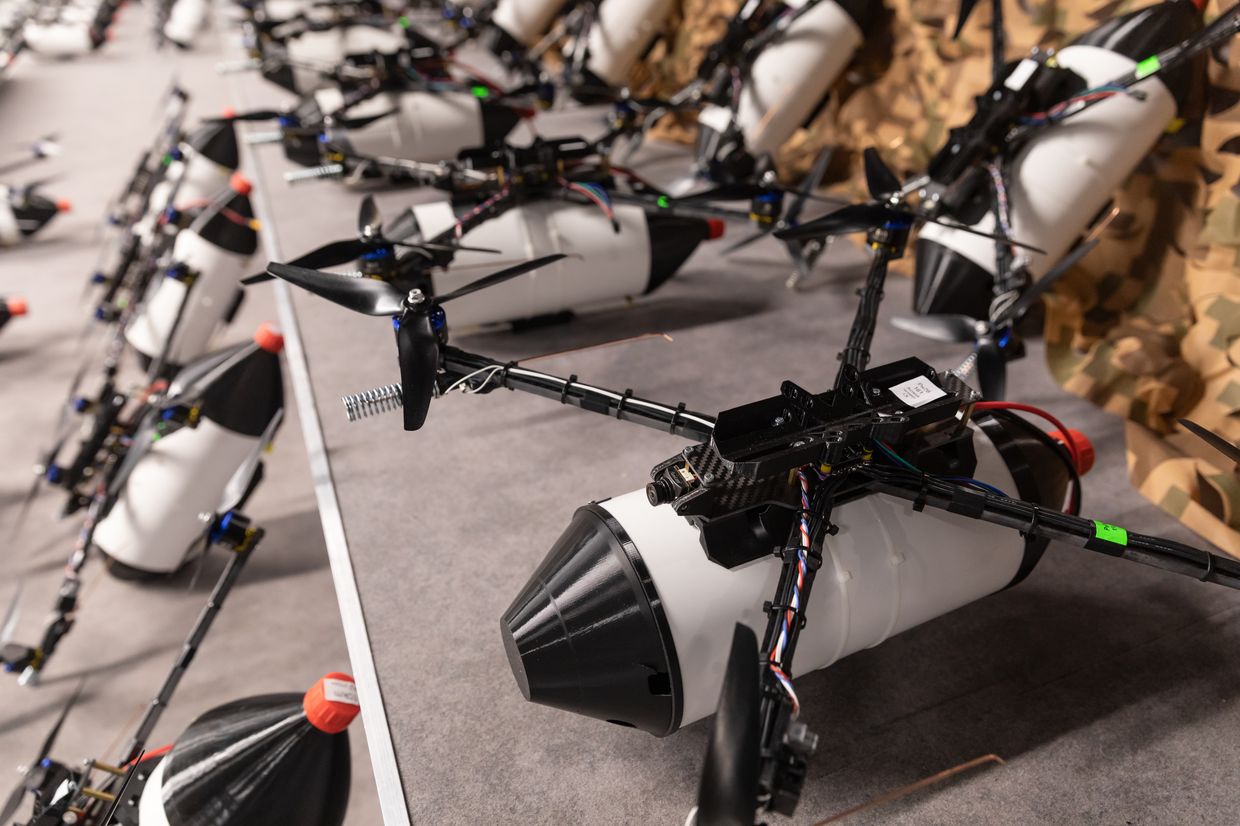
As Russia’s fiber optic drones flood the battlefield, Ukraine is racing to catch up
Editor’s Note: In accordance with the security protocols of the Ukrainian military, soldiers featured in this story are identified by first names and callsigns only. Every year, as the way war is fought constantly evolves on the battlefields of Ukraine, the visuals of the fighting on the ground that constantly flood the internet transform with it. In the frantic first weeks of the full-scale invasion, it was Russian tanks stolen by farmers tossing their turrets after Ukrainian Javelin strikes.
War in the age of intelligent machines
271 pages : 24 cm; In the aftermath of the methodical destruction of Iraq during the Persian Gulf War, the power and efficiency of new computerized weapons and suveillance technology has become chillingly apparent. This new weaponry has a significance that goes far beyond military applications; it represents a profound historical shift in the relation of human beings both to machines and to information. Details the mutating history of information analysis and machinic organization from the mobile siege artillery of the Renaissance, the clockwork armies of the Thirty Years War, the Napoleonic campaigns, and the Nazi blitzkrieg up to present-day cybernetic battle-management systems and satellite reconnaissance network, and provides a philosophical and historical reflection on the changing forms through which human bodies and materials are combined, organized, deployed and made effective. [back cover]; Includes bibliographical references (pages 233-266) and index; Introduction -- Collision course -- Bloodless transfusion -- Policing the spectrum

‘A million calls an hour’: Israel relying on Microsoft cloud for expansive surveillance of Palestinians
Revealed: The Israeli military undertook an ambitious project to store a giant trove of Palestinians’ phone calls on Microsoft’s servers in Europe

‘Order from Amazon’: Tech giants storing mass data for Israel’s war
The Israeli army is using Amazon’s cloud service and AI from Google and Microsoft for military activities in Gaza, investigation reveals.

Palestinians Risked Their Lives to Document Gaza, Then Came The Algorithm
In Gaza, survival unfolds alongside a fight to be seen in a digital world increasingly shaped and manipulated by algorithms.

Dispersed, Disguised, and Degradable: The Implications of the Fighting in Ukraine for Future U.S.-Involved Conflicts
Wars reveal new information about warfighting and can spur changes in how foreign observers prepare for future conflicts. In this report, the authors make eight novel or notable observations about the Russia-Ukraine war and forecast how these observations might translate to a potential NATO-Russia or U.S.-China war. The authors also identify broader tactical, operational, and strategic implications for U.S. policymakers.

The Impact of Drones on the Battlefield: Lessons of the Russia-Ukraine War from a French Perspective
View PDF The Russia-Ukraine War is not just a geopolitical earthquake—it is a tactical and technological inflection point. While many initially focused on tanks and artillery, the war’s defining feature has become the mass deployment of cheap, disposable, and networked technologies—especially drones, loitering munitions, and small-scale electromagnetic warfare systems.
Content Sharing within the Alternative Media Echo-System: The Case of the White Helmets
In June 2017 our lab began a research project looking at online conversations about the Syria Civil Defence (aka the “White Helmets”). Over…

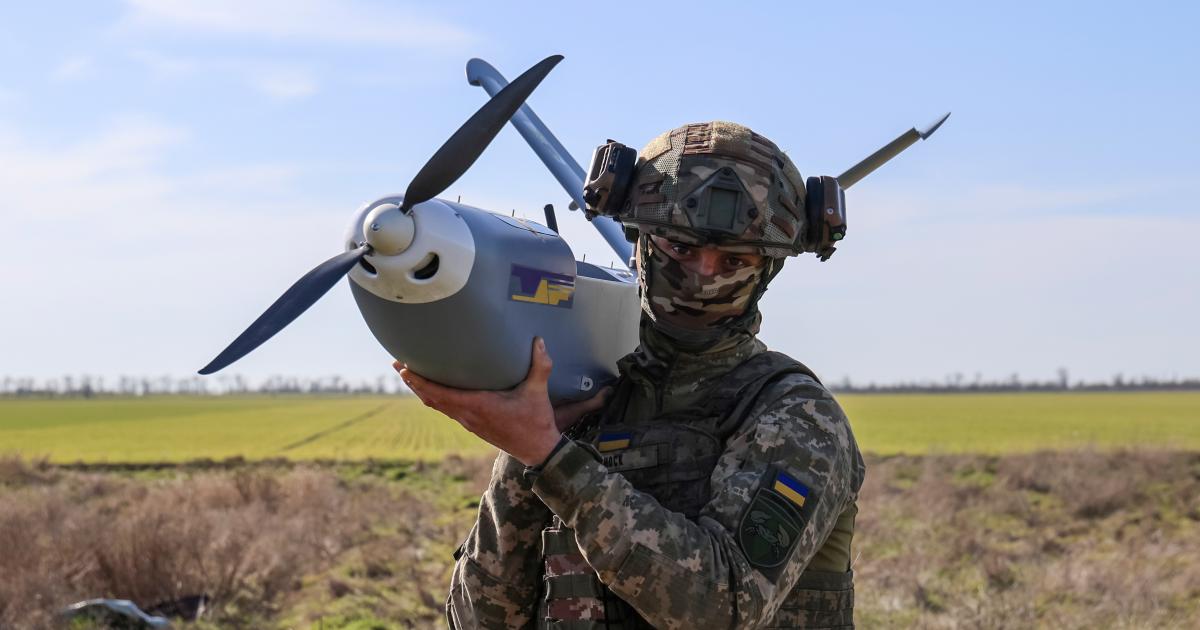
A Thousand Snipers in the Sky: The New War in Ukraine (Published 2025)
Drones have changed the war in Ukraine, with soldiers adapting off-the-shelf models and swarming the front lines.


LotusNotes
I tend to focus on the origin of the computer within the military. Particularly in the early days of digital computing, the military was a key customer, and fundamental concepts of modern computing arose in universities and laboratories serving military contracts. Of course, the war would not last forever, and computing had applications in so many other fields—fields that, nonetheless, started out as beneficiaries of military largesse.

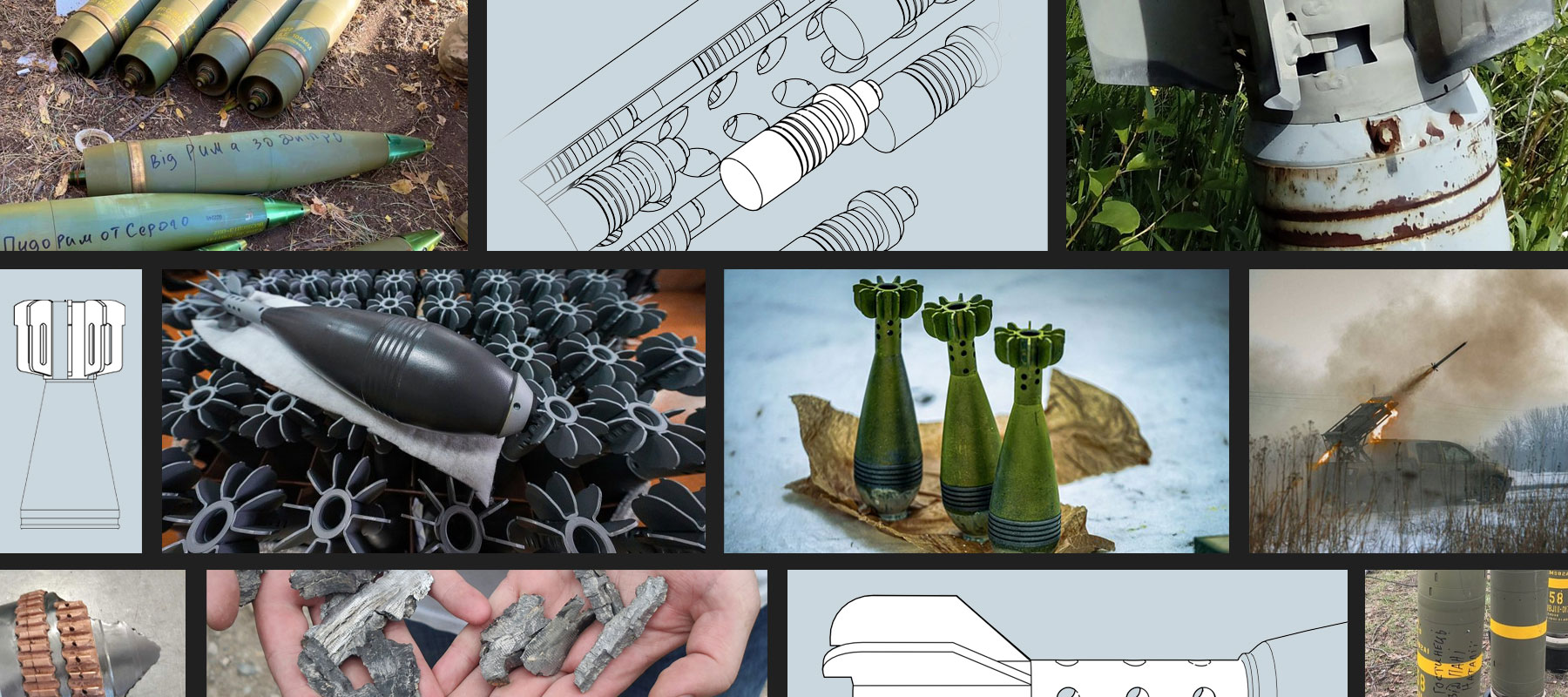
Open Source Munitions Portal
A tool for researchers, journalists and practitioners trying to learn more about munitions and their use and impact in conflicts.
Collections: Pre-Modern Armies for Worldbuilders, Part I: Why They Fight
This week I want to try something a little different. Rather than taking apart a particular fantasy military system, I thought I might try to lay out a more general sense of how military systems te…

‘I’m fighting two wars. One against the Russians. And one inside myself.’
A drone pilot and her all-women unit are waging a new kind of warfare on Ukraine’s eastern front
