

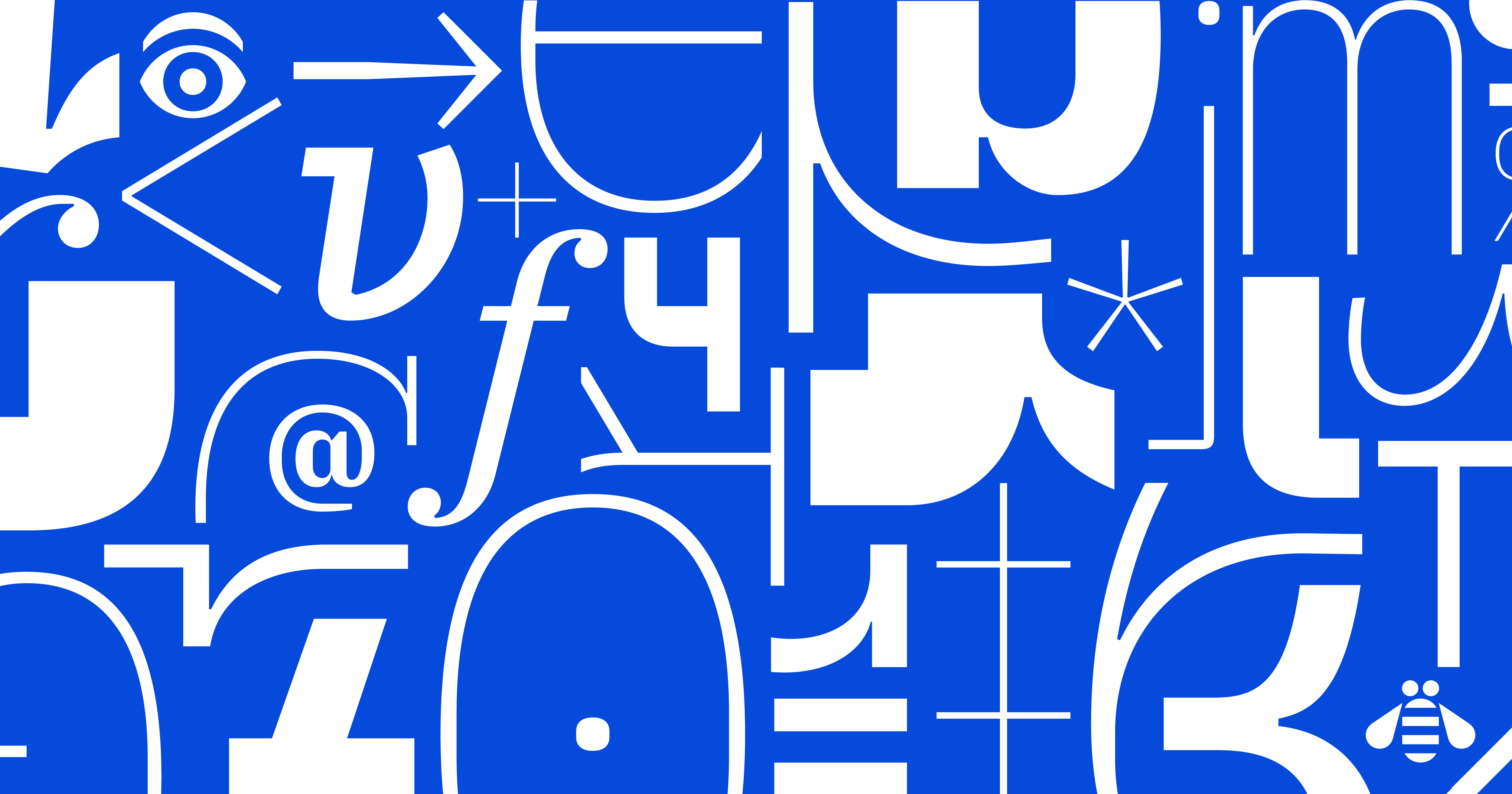
IBM Plex® is our new typeface. It’s global, it’s versatile, and it’s distinctly IBM.
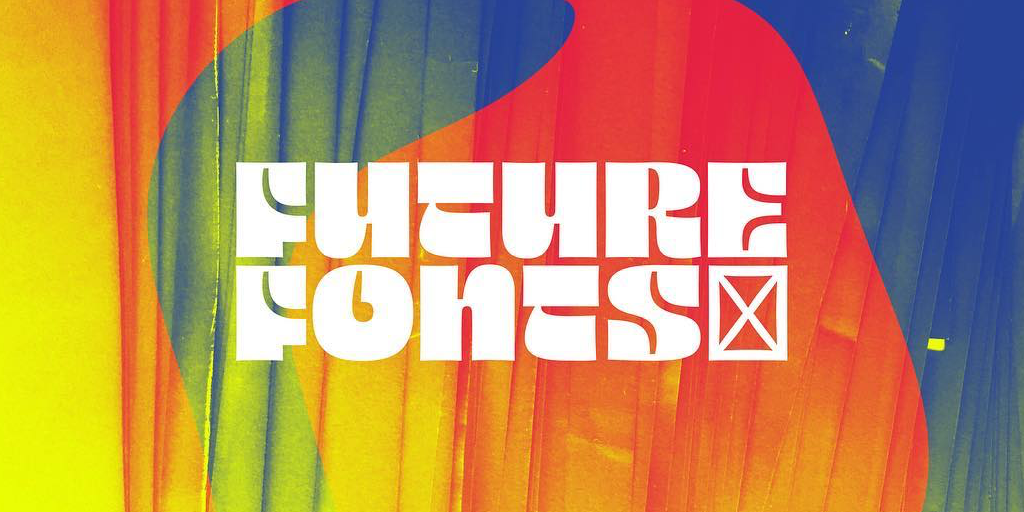
Yep! Type Foundry — Screen-first typefaces with honest pricing and friendly licensing: Unifora
Unifora is a massive sans-serif uniwidth superfamily with an industrial edge and architectural precision
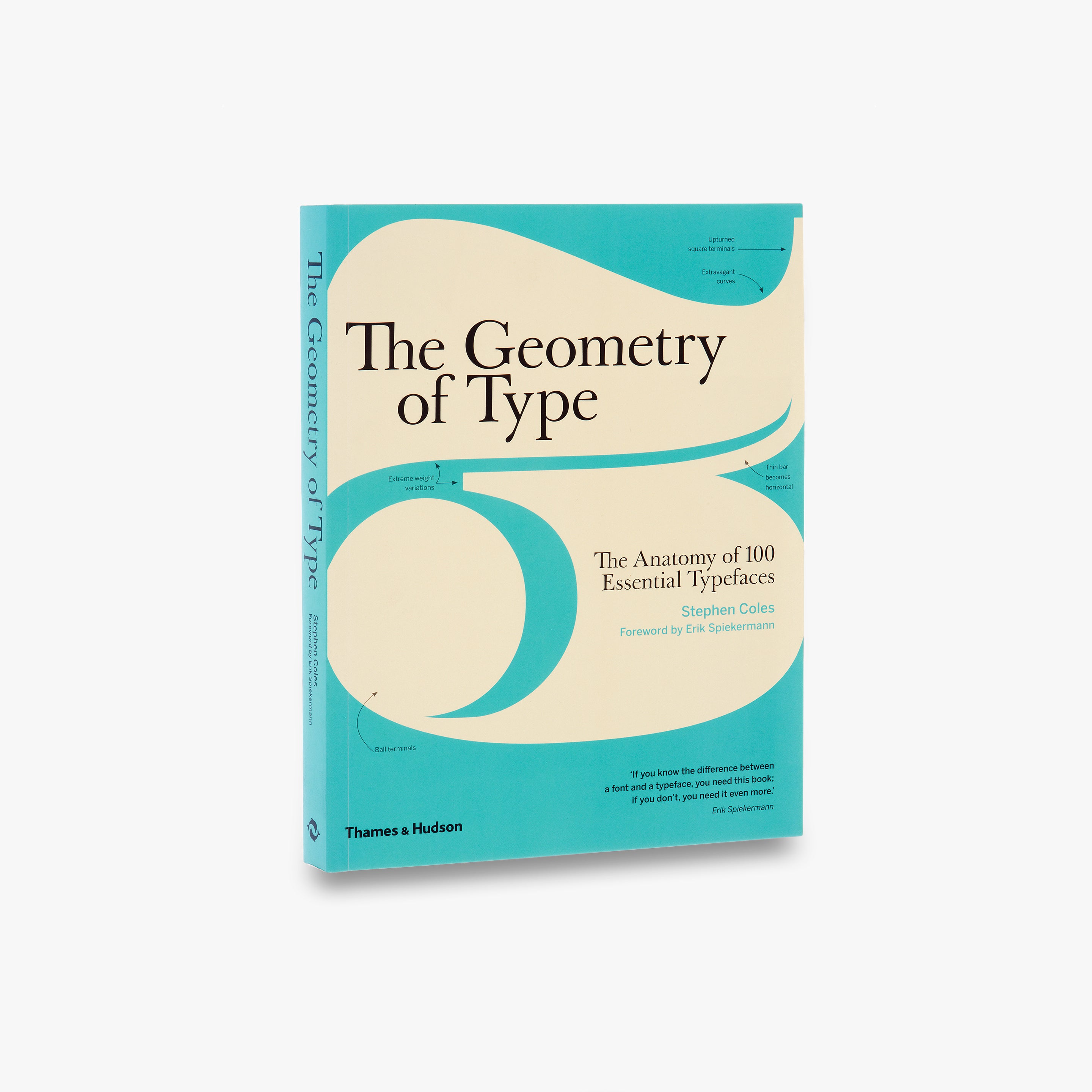
The Geometry of Type
The Geometry of Type explores 100 traditional and modern typefaces in detail, with a full spread devoted to each entry. Characters from each typeface are enlarged and annotated to reveal key features, anatomical details, and the finer, often-overlooked elements of type design, which shows how these attributes affect mood and readability. Sidebar information lists the designer and foundry, the year of release and the different weights and styles available, while feature boxes explain the origins and best uses for each typeface, such as whether it is suitable for running text or as a display font for headlines. To help the reader spot each typeface in the wider world, the full character set is shown, and the best letters for identification are highlighted.

Paul Chiusano: The future of software, the end of apps, and why UX designers should care about type theory
[ econ fp tech unison ux ]
Yep! Type Foundry — Screen-first typefaces with honest pricing and friendly licensing: Innovator Grotesk
Innovator Grotesk — a neo-grotesque variable font for UI, 9 weights with 12° oblique, calibrated vertical metrics for buttons and labels, 250+ Latin-script languages.
A History of Accessibility at IBM
If you are reading this article, there is a good chance that you are using a screen reader, a term that is as generic to assistive technology as Kleenex is to facial tissues or Jell-o is to gelatin desserts. What you may not know, however, is that Screen Reader was once a proprietary product of IBM, rather than the generic term for the way people who are blind or have low vision gain access to computer screens. In fact, our terminals became "talkies" just 20 years ago, in 1984, largely because of the work of Jim Thatcher, then a mathematician for IBM, the world's largest technology company. This auspicious anniversary is an appropriate time to look back on the pioneering efforts of IBM and what it plans for the future.
The League of Moveable Type
The first open-source foundry. And your spot to learn how to use, make, and work with type.
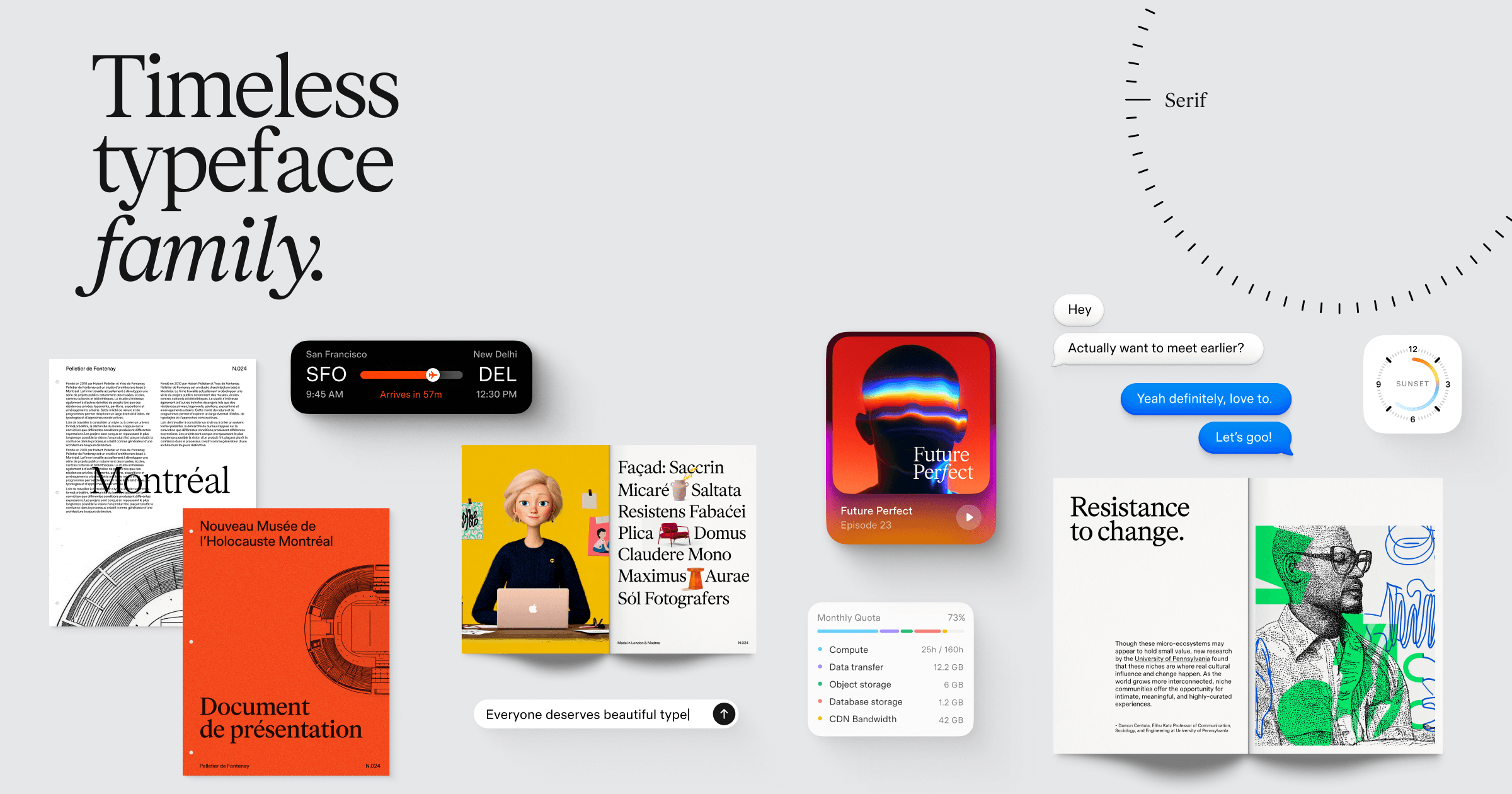
Timeless Type Family
Timeless Grotesk, Sans, Serif and Text — four variable typefaces with matching italics, free for personal and commercial use.
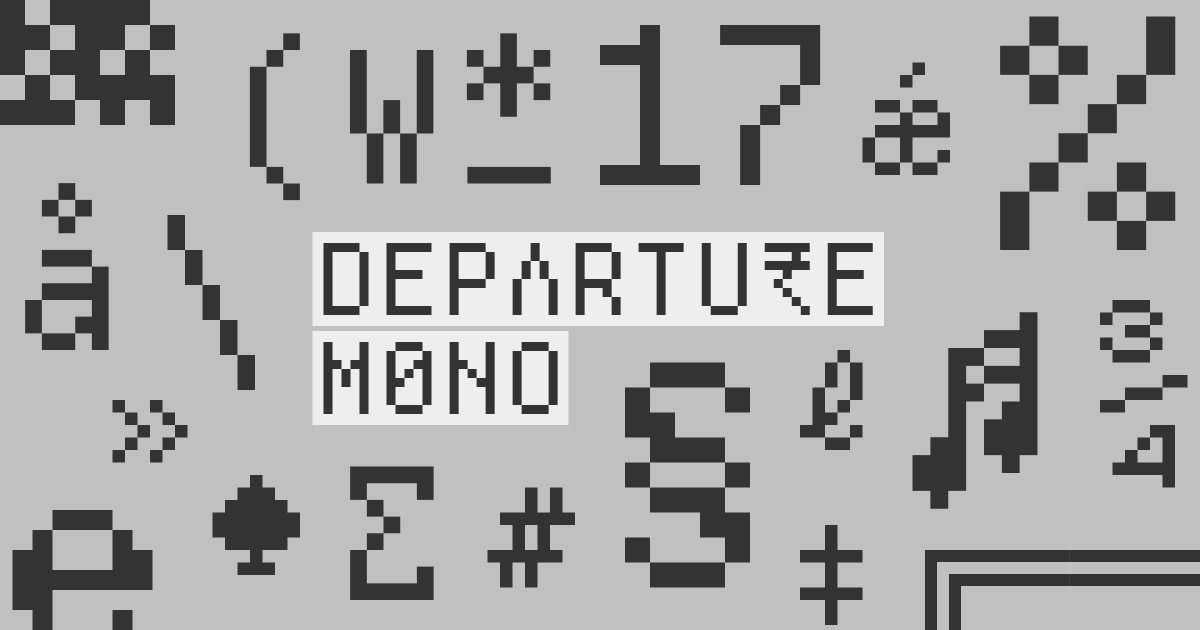
Open Foundry | Curated Fonts for Free
For over a decade, Open Foundry has been the leading curated source for open source typefaces, showcasing exceptional fonts, celebrating their makers and encouraging exploration.
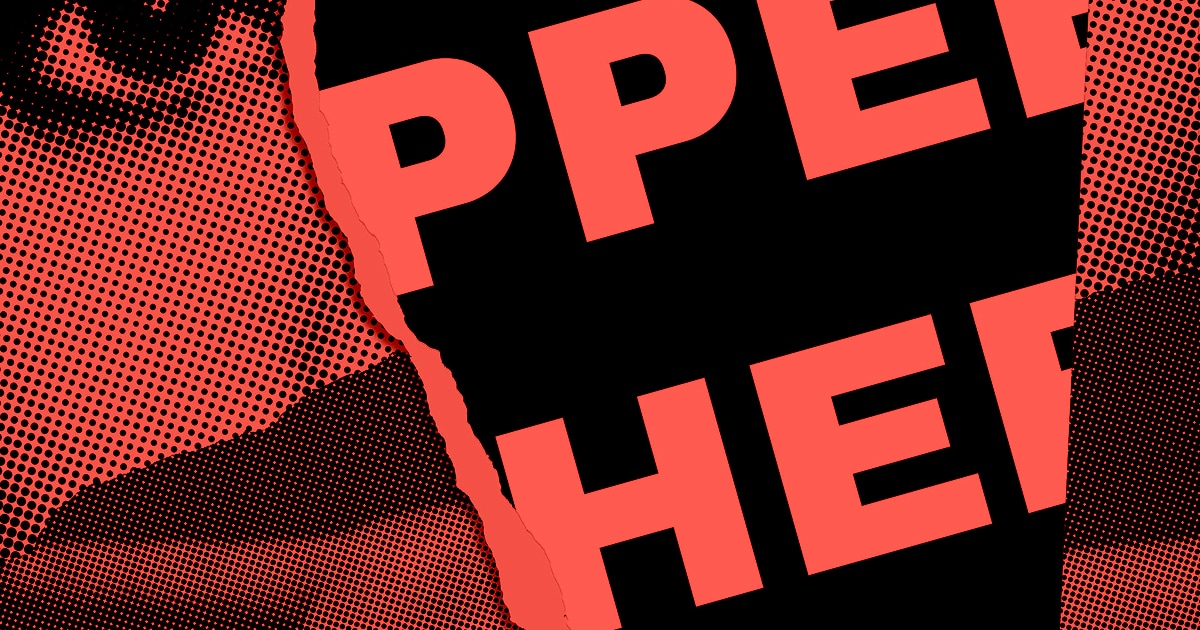
swiza | atipo foundry
an independent digital typeface foundry and graphic design studio

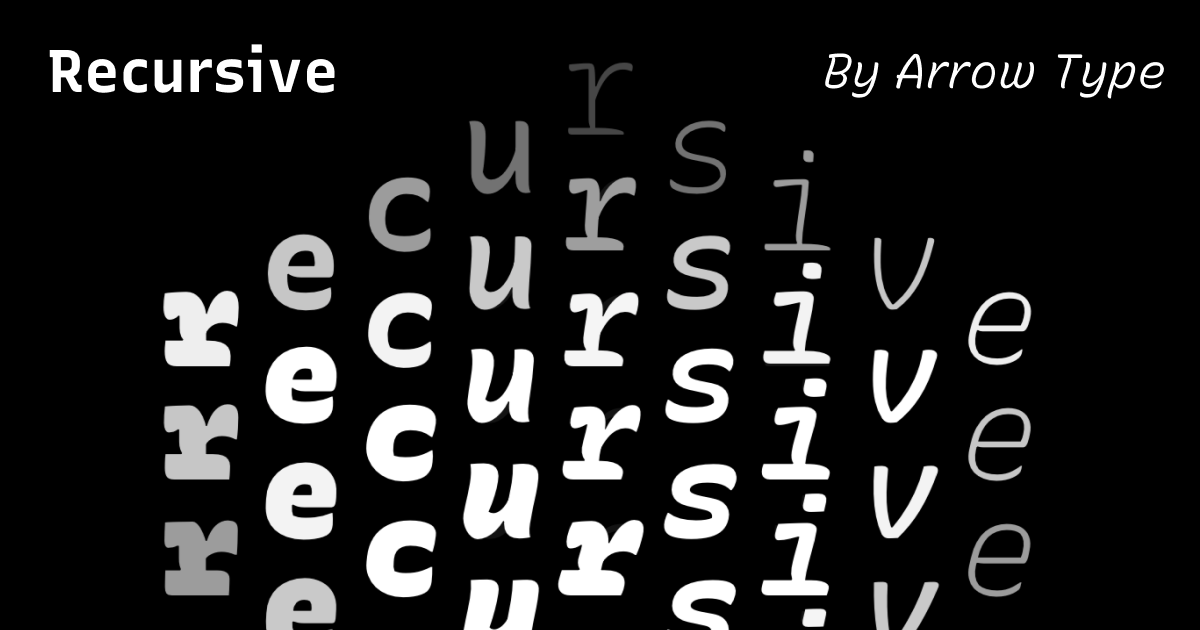
I made a typeface, it's called Flexflex 🔠 I've been working on this project on-and-off for many months. Very happy to finally release it! Flexflex is a typeface that responds to spatial requirements rather than imposing them. Website: ronikaufman.github.io/flexflex
Typeface Specimen

Typeface websites are the best
The Doves Type® – Typespec
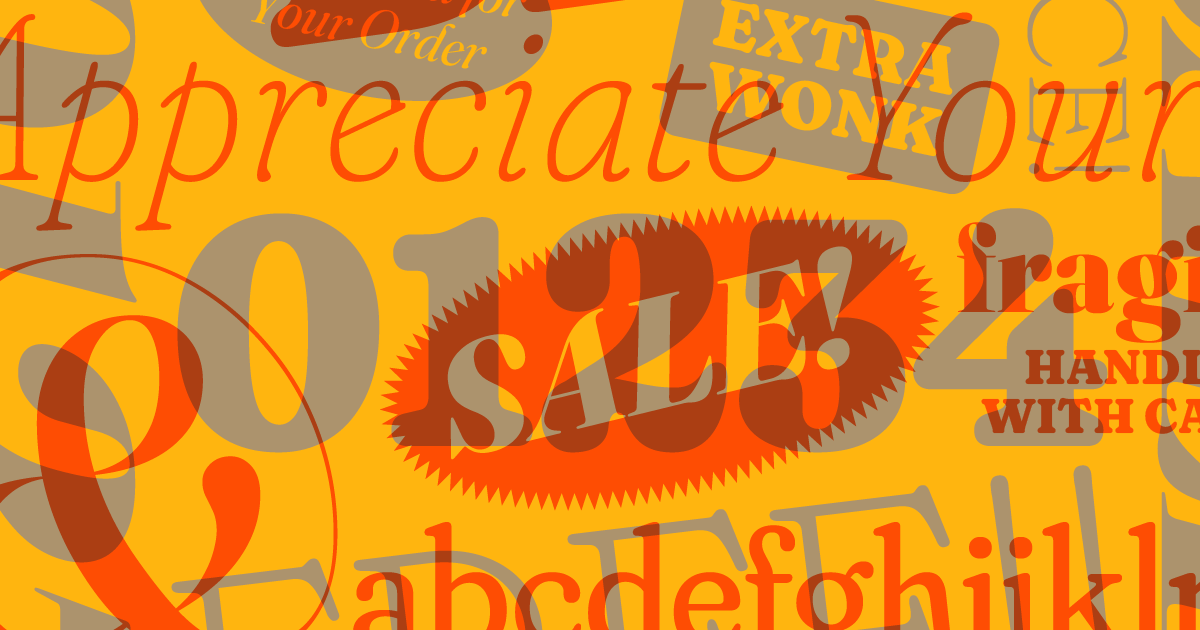
Fraunces by Undercase Type
mononoki
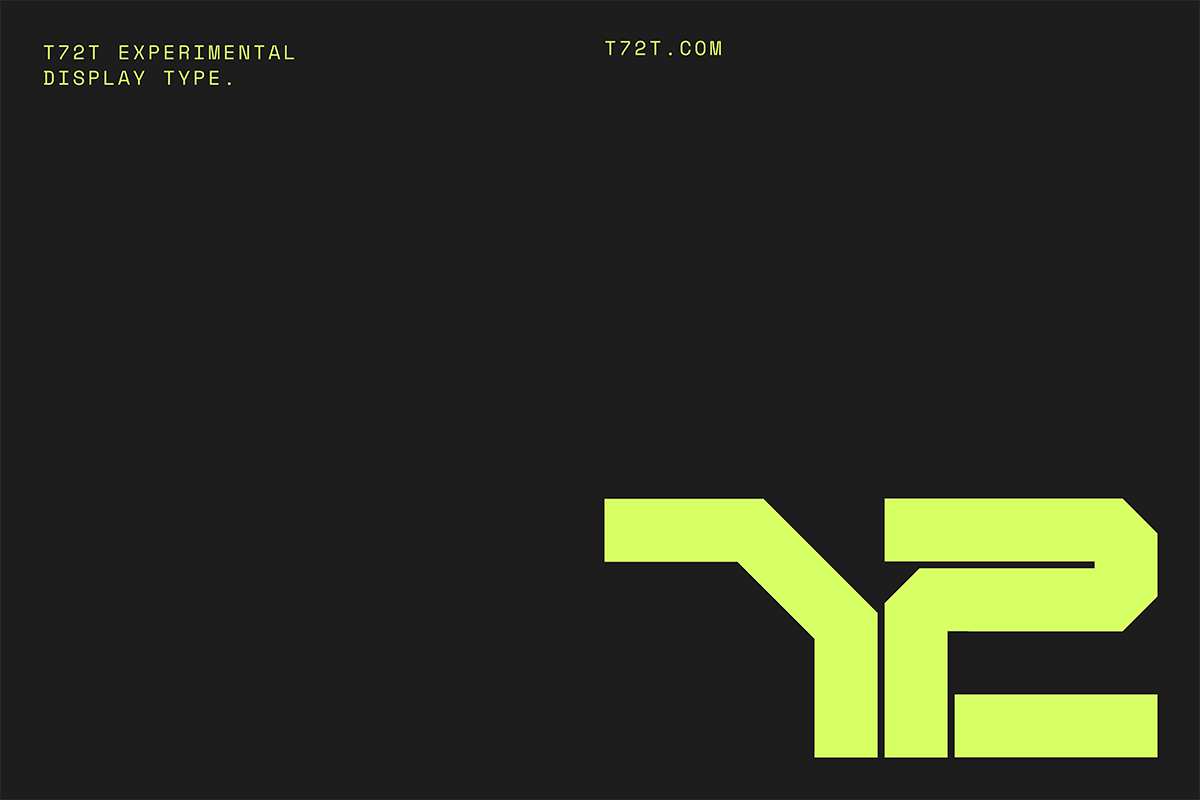
Experimental Display Type
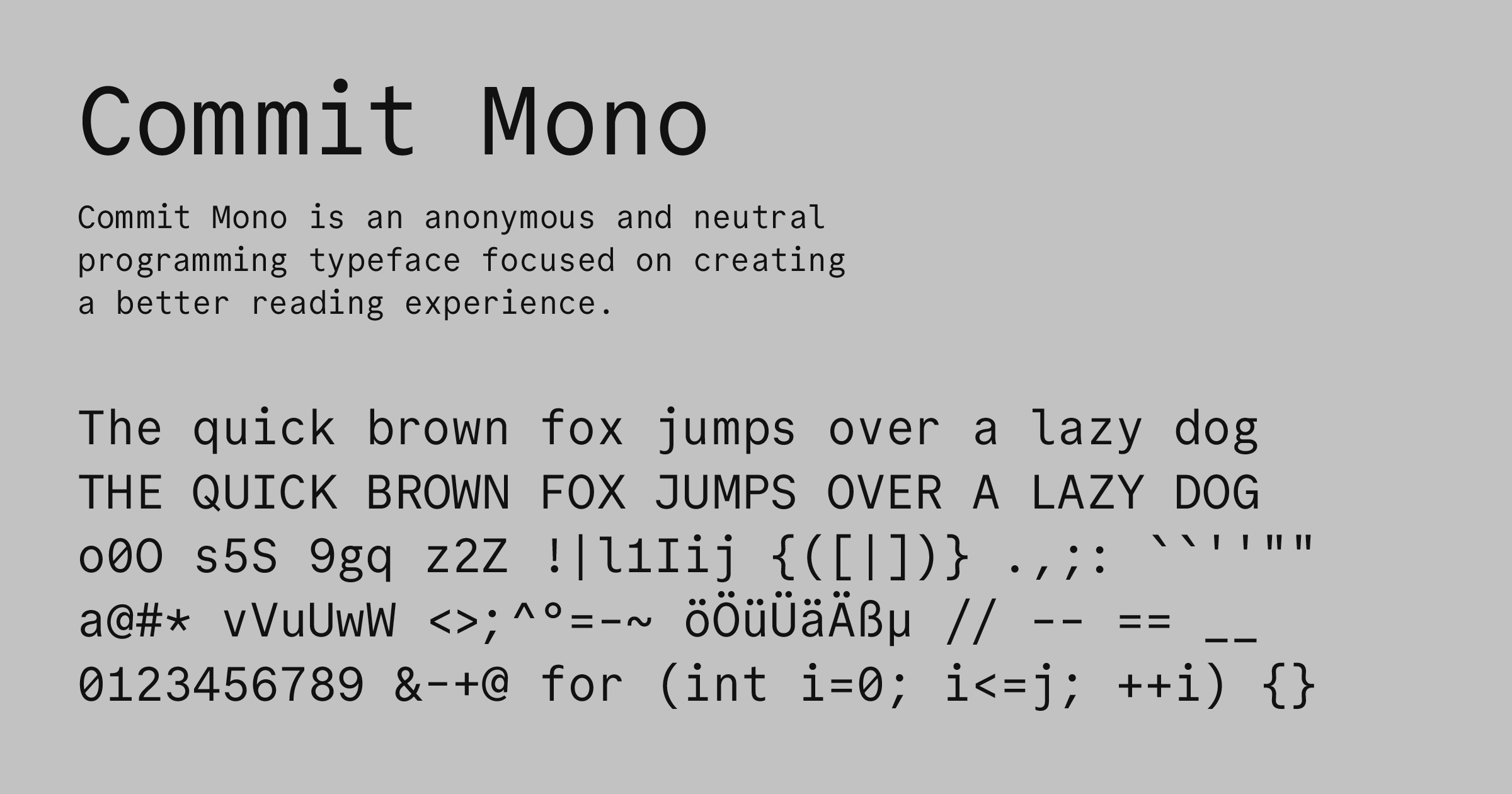
Commit Mono. Neutral programming typeface.
FranSans — Emily Sneddon
