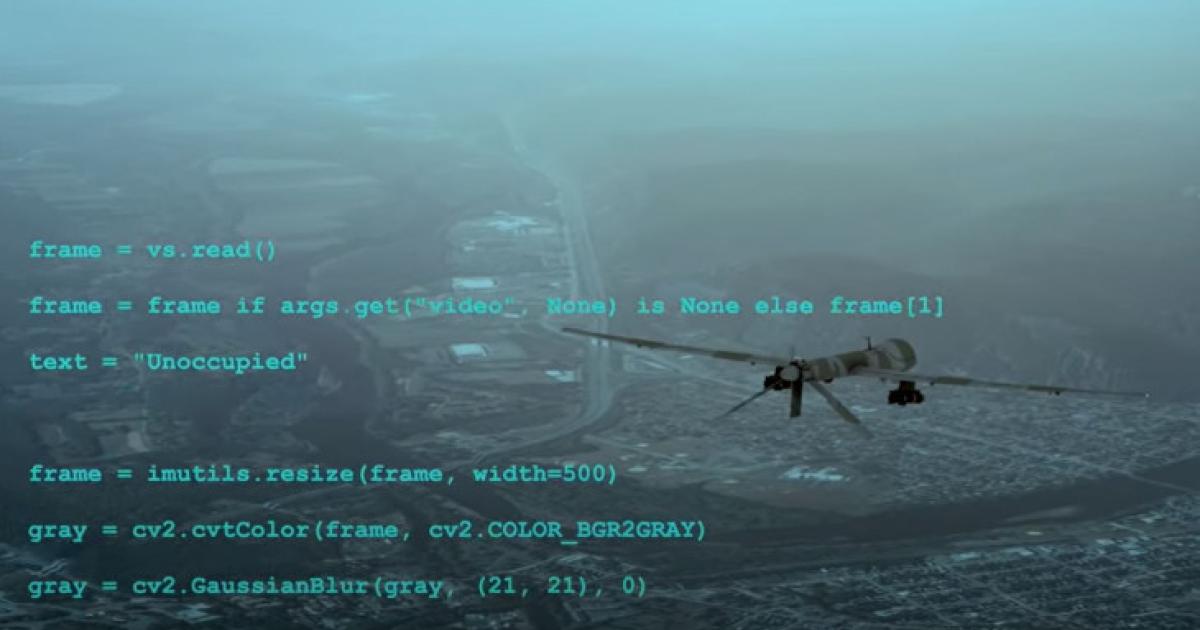
The use of uncrewed vehicles in armed conflicts has grown significantly in recent years, raising humanitarian, legal, operational and security concerns. Armed remotely piloted aircraft – commonly known as “drones” – are now central to many military operations. While most drones are unarmed and used for surveillance or civilian purposes (such as disaster response, mapping or aid delivery), public debate has largely focused on armed drones and their impact on civilians.
Drones are Changing How Wars Harm Civilians
Drones are rapidly changing war. Without global action, their use will lead to greater civilian harm and expand human suffering in conflict.
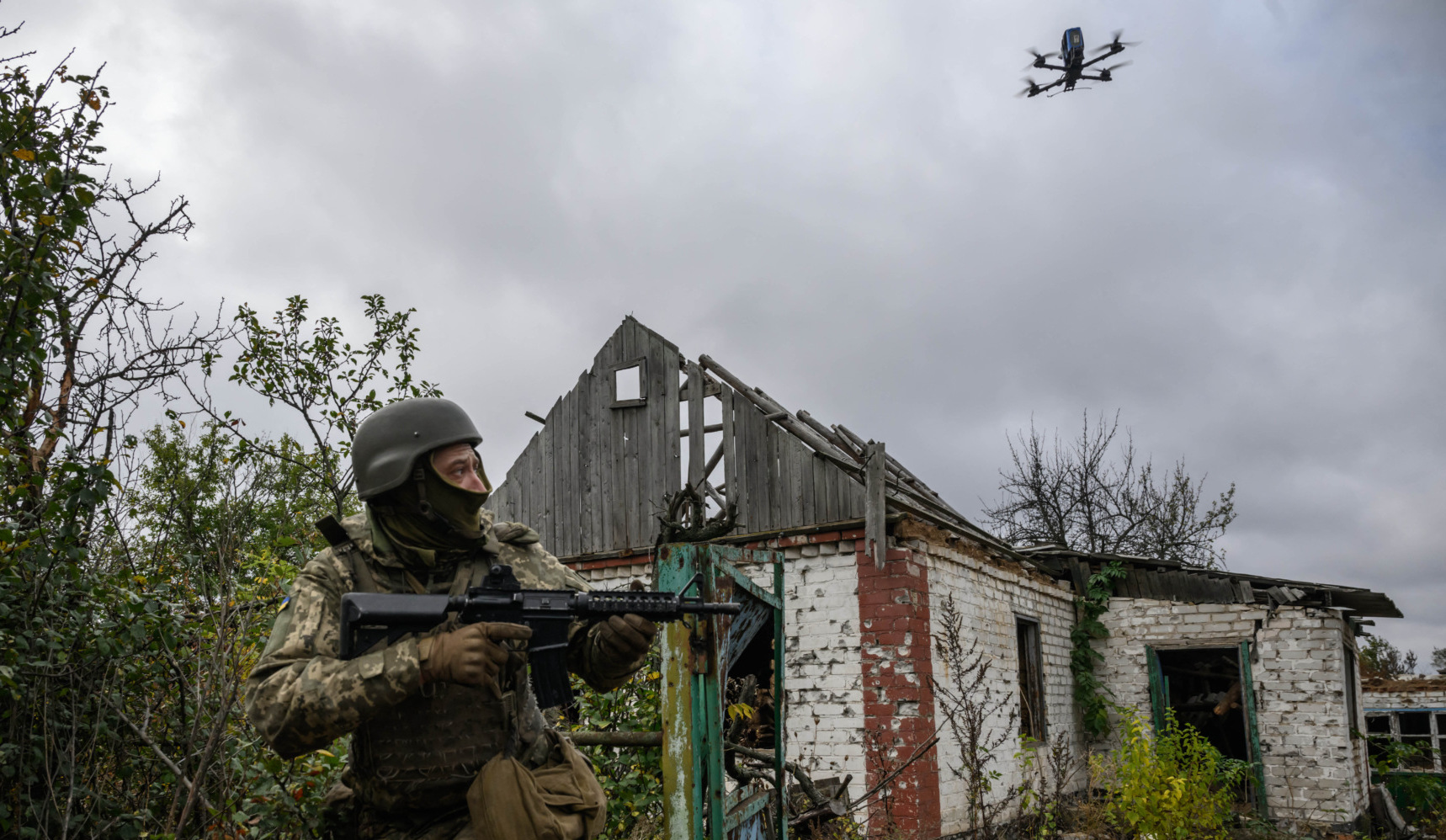
The Civilian Impact of Drones: Unexamined Costs, Unanswered Questions | Center for Civilians in Conflict
This joint report from the Center for Civilians in Conflict and Columbia Law School’s Human Rights Clinic is an in-depth look at the US government’s covert drone program and its impact on civilian populations. Our objective is to critically assess US government procedures and standards for ensuring civilian protection and responding to civilian harm from…

What’s wrong with drones?
[Updated in October 2015] Preamble: Are drones different? While some insist that armed unmanned drones are effectively no different from other military aircraft, there are two important differences…

Sahel militants turn civilian drones into deadly weapons | ISS Africa
As armed groups shift away from direct confrontations with the military, commercial drones are increasingly used to carry out attacks.
Cheap drones, costly consequences: the legal and humanitarian risks and outcomes of low-tech drone warfare
The article examines the recent and rapid proliferation of cheap, unsophisticated “kamikaze” drones, as well as the legal and moral challenges they present in modern warfare. As countries increasin...

Drones in the African Battlespaces
C/O Futures Book ReviewLisa J. Campbell22 May 2026Addressing in their book an increasingly prescient topic, the co-editors of Drones in the African Battlespaces, have a background of research in security policy, defense, and global arms concerns. Wayne Stephen Coetzee, a senior lecturer in Political Science at the International Programme in Politics and Economics at the University West in Sweden, has focused his research on security politics, emphasizing the interactions between public and priva

The ungoverned sky: Drones and the domestic extremist threat
The combination of easy accessibility and payload potential, and the limitations of domestic counter-drone systems, presents a growing challenge.
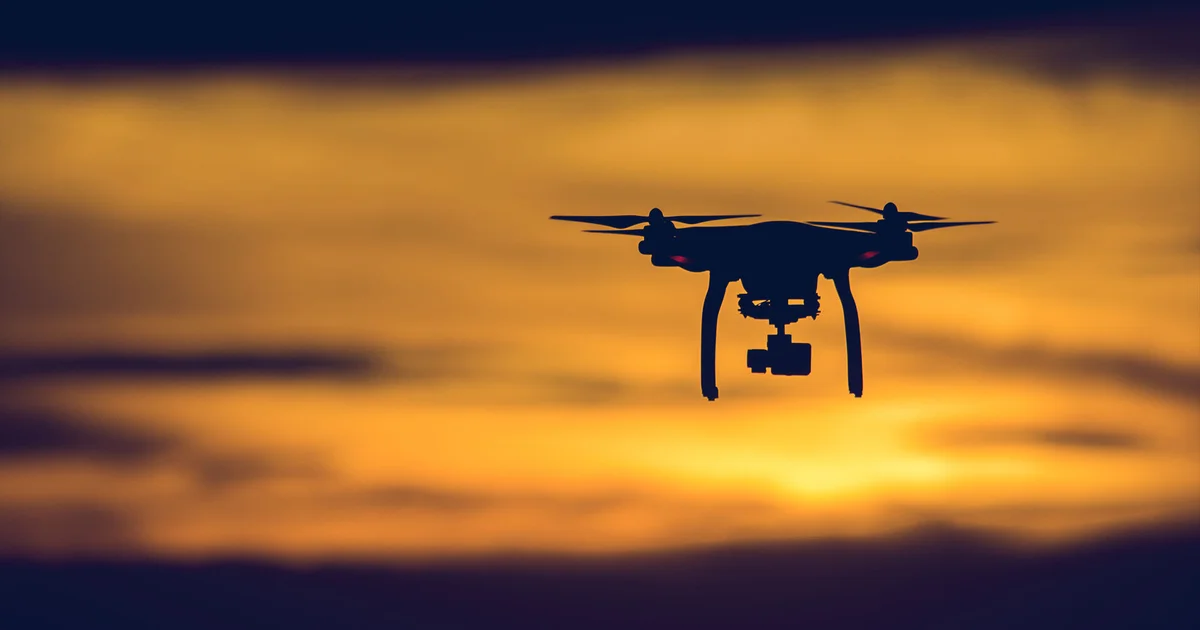
Military Drone Proliferation Marks Destabilizing Shift in Africa’s Armed Conflicts
A revolution in unmanned drone systems is reshaping conflicts in Africa, providing militaries tactical advantages but also risks.
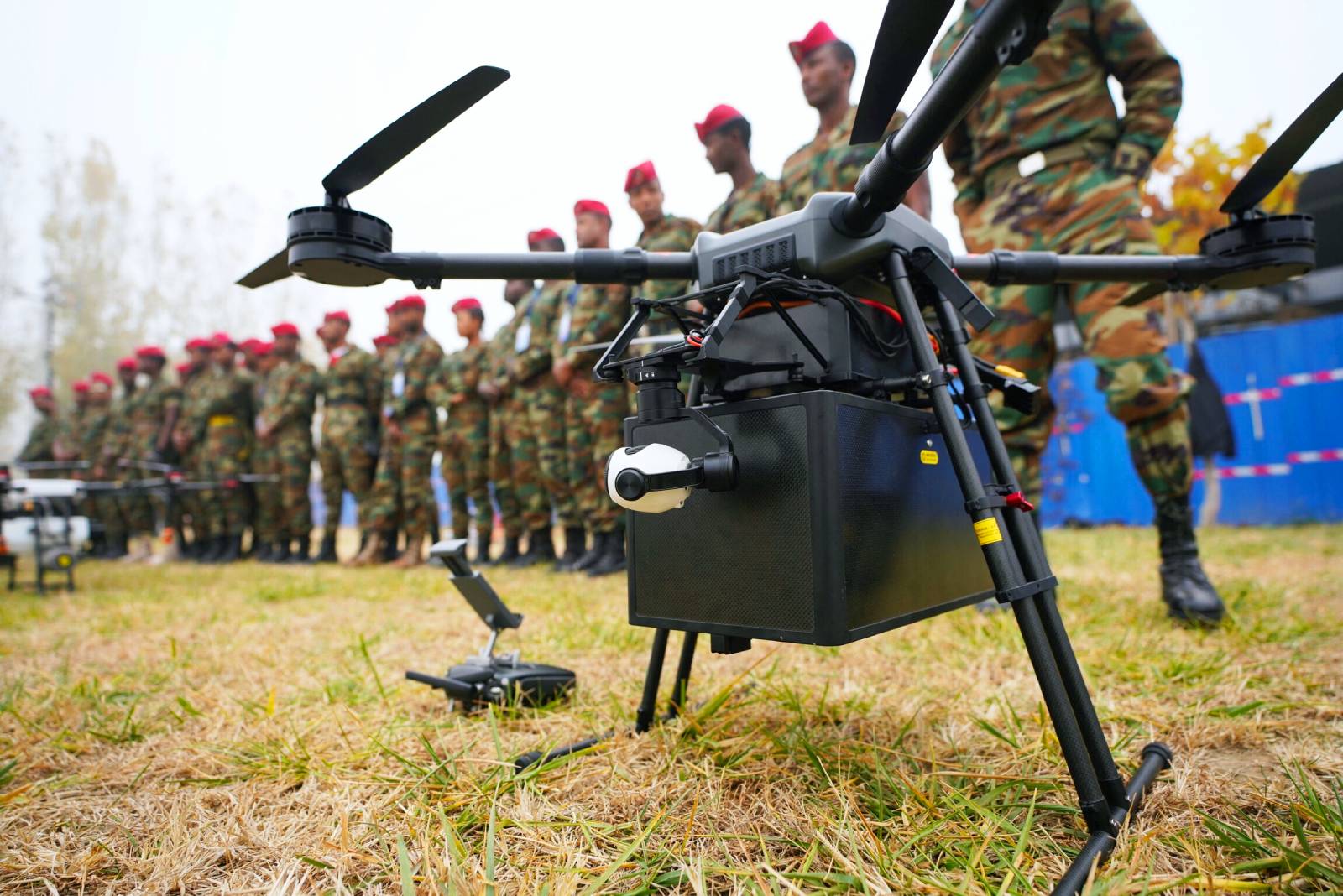
Recent Developments in Drone Threats to Humanitarians
The threat of drones to humanitarians is a rising concern. High-profile incidents—such as the fatal multiple-strike attack on an aid convoy in Gaza in April 2024—have made this dynamic an even greater priority for risk managers.Global data on this emerging threat is currently defined by the rapid increase and volume of drone attacks perpetrated by Russian forces in Ukraine, and to a lesser extent, Israeli Defense Forces (IDF). In other contexts, like Sudan, Iraq, and Syria, governments are also the primary perpetrators of drone incidents. Nonetheless, the list of drone operators in complex humanitarian settings has increased and diversified since 2022, particularly among organised armed groups (OAGs), driving further interest within the humanitarian community.

Are All Wars Now Drone Wars?
From Sudan to Ukraine, UAVs have upended warfighting tactics and become one of the most destructive weapons of conflict.
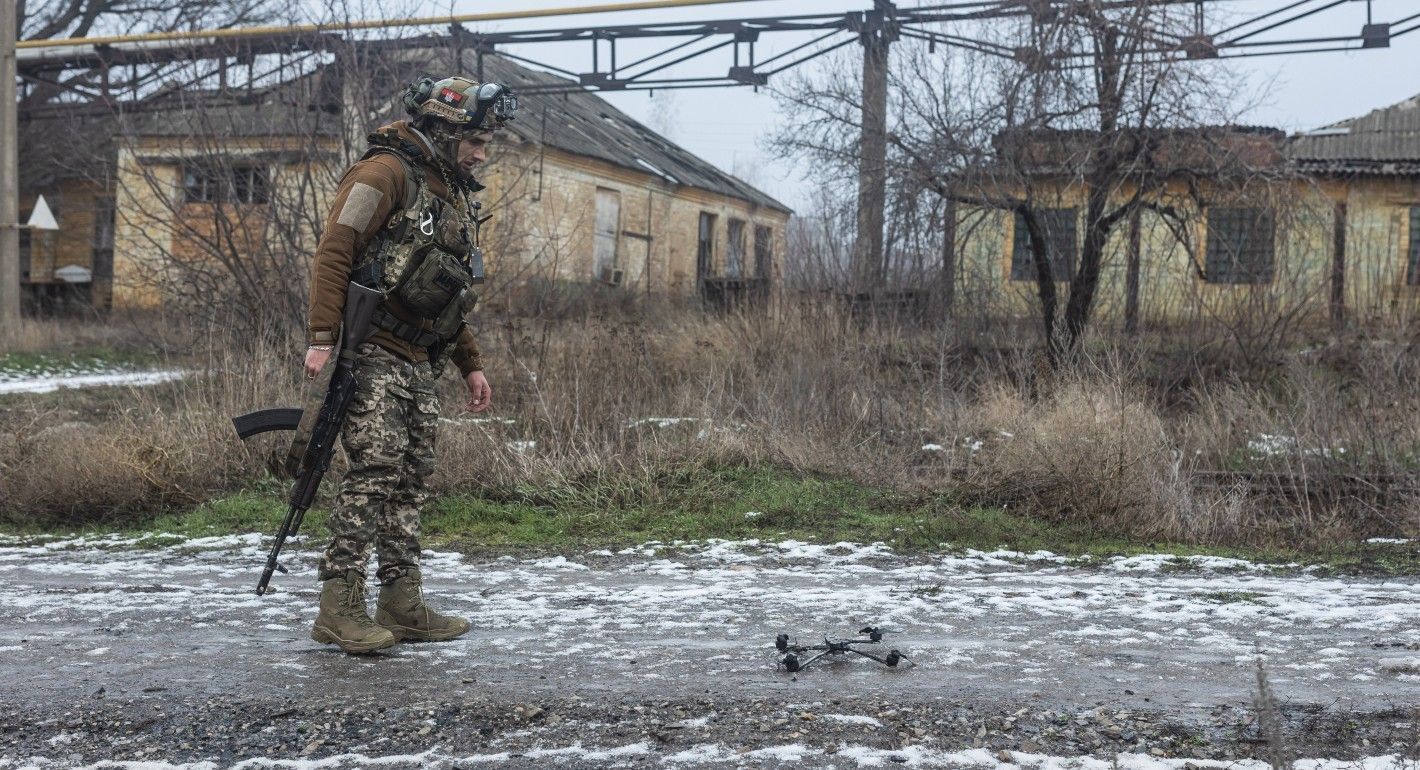
The shifting battlefield: technology, tactics, and the risk of blurring lines in warfare - Humanitarian Law & Policy Blog
The accelerating integration of emerging technologies into armed conflict is transforming not only the tools of war, but its tactics, geography, participants and impact. Technological developments – from commercial drones to artificial intelligence, electronic warfare to the military use of civilian infrastructure – risk undermining boundaries between military and civilian domains. These changes challenge long-held...
ICRC President criticises drone use in warfare over rising civilian casualties
ICRC President Mirjana Spoljaric Egger warns that drones are being used to deliberately target civilians, eroding international humanitarian law.

The drones being used in Sudan: 1,000 attacks since April 2023
A visual analysis into the types of drones, sourcing methods, attack locations and the human toll of aerial warfare.

Drones Over the Nile: Unmanned Aerial Warfare and Sudan’s Rapid Support Forces | Aberfoyle International Security
The growing importance of drones in modern warfare has been amply demonstrated in the ongoing conflict between Russia and Ukraine, even though both states still possess manned military aircraft. In Africa, drones have been used extensively in the struggle between Libya’s rival governments, but the first broad use of drones by a “rebel” movement is taking place in Sudan. There, drones are in steady use by the Rapid Support Forces (RSF), a former state paramilitary that launched attacks on government institutions and the Sudan Armed Forces (SAF) on April 15, 2023. Only days after the conflict began, the SAF and other state security institutions declared the RSF “a rebel entity” that was fighting the state and ordered its dissolution (Al-Jazeera, April 17, 2023). [1]
‘I always hear them before I see them’: Drones strike fear in Colombia
Armed groups have taken the conflict to the skies by making greater use of cheap, widely available drone technology.

Short-range drone attacks killed 395 civilians, injured 2,635 between February 2022 and April 2025, UN human rights monitors find
The bulletin documents attacks in which drone operators targeted civilians driving private cars, taking the bus, walking outdoors, cycling, providing humanitarian assistance or evacuating civilians, and riding in clearly marked ambulances.