A vCon is the container for data and information relating to a real- time, human conversation. It is analogous to a [vCard] which enables the definition, interchange and storage of an individual's various points of contact. The data contained in a vCon may be derived from any multimedia session, traditional phone call, video conference, SMS or MMS message exchange, webchat or email thread. The data in the container relating to the conversation may include Call Detail Records (CDR), call meta data, participant identity information (e.g. STIR PASSporT), the actual conversational data exchanged (e.g. audio, video, text), realtime or post conversational analysis and attachments of files exchanged during the conversation. A standardized conversation container enables many applications, establishes a common method of storage and interchange, and supports identity, privacy and security efforts (see [vCon-white-paper])
The Design of the Internet, Revealed by Conversation
Internet architecture principles revealed by IETF conversation analysis using vCons
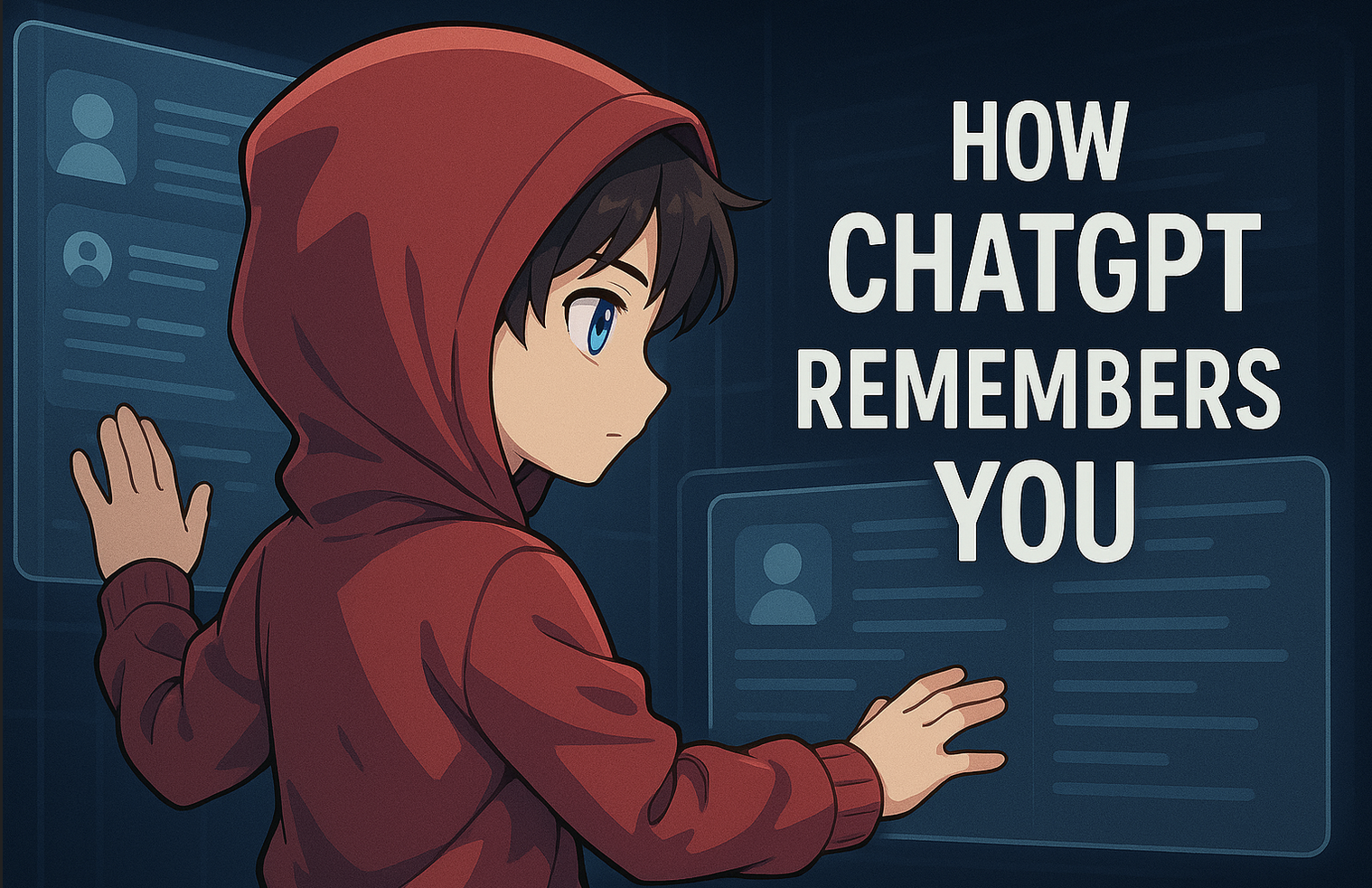
I Reverse Engineered ChatGPT's Memory System, and Here's What I Found!
When I asked ChatGPT what it remembered about me, it listed 33 facts from my name and career goals to my current fitness routine. But how does it actually store and retrieve this information? And why does it feel so seamless? After extensive experimentation, I discovered that ChatGPT’s memory system is far simpler than I expected. No vector databases. No RAG over conversation history. Instead, it uses four distinct layers: session metadata that adapts to your environment, explicit facts stored long-term, lightweight summaries of recent chats, and a sliding window of your current conversation.
Protocol Buffers
Protocol Buffers are language-neutral, platform-neutral extensible mechanisms for serializing structured data.
How ChatGPT Remembers You: A Deep Dive into Its Memory and History Features
Deep-Dive on how ChatGPT profiles your account and how it can reference it during conversations
A Theory of Messaging Styles & Ghosting.
Online communication tools serve many purposes. So does silence.

This Conversation Is Being Recorded. They All Are.
People in tech use AI apps to record and transcribe meetings, workplace chats and even dates—all in the name of productivity.


Signal Messenger: Speak Freely
Say "hello" to a different messaging experience. An unexpected focus on privacy, combined with all of the features you expect.

proto IM | AIM-inspired video chat for the open web
Free video calls and buddy lists built on the AT Protocol. Like FaceTime, but it works on every device. Works with Blacksky, Bluesky, or any atproto account.
Exploring Conversation Design: Applications and Benefits
Discover the what, why and how of Conversation Design, including its definition, applications, and benefits.
A shared lexicon for *video notes*? Looking for input before I build
I’m considering tobuild an app for recording short screen videos and sharing them as video notes. Basically Loom for AT. I’d love your input on the lexicon shape before I settle it. The use case You record your screen (a window, a region or the whole display) with your voice and an optional webcam bubble, and share it as a quick explanation, similar to post-it notes or voice memos. I see two main user groups: people working together who might send each other video notes (a bug walkthrough, de...
(PDF) The Comparative Anatomy of Nanopublications and FAIR Digital Objects
PDF | Beginning in 1995, early Internet pioneers proposed Digital Objects as encapsulations of data and metadata made accessible through persistent... | Find, read and cite all the research you need on ResearchGate

PII-TRACE: Detecting Personal Data Before It Leaves a Device
Discover how PII-TRACE tests recurring PII detection in long multilingual conversations with a compact 0.6B local model.

Use Claude’s chat search and memory to build on previous context | Anthropic Help Center
You can prompt Claude to search through your previous conversations to find and reference relevant information in new chats. Claude can also remember context from your chats and carry it into new conversations and Cowork tasks. This article explains how chat search and memory work, what Claude does and doesn't remember, how to review and edit what's saved, and how to turn these features on or off.

Personal data storage is an idea whose time has come
Data Ownership as a conversation changes when data resides primarily with people-governed institutions rather than corporations.