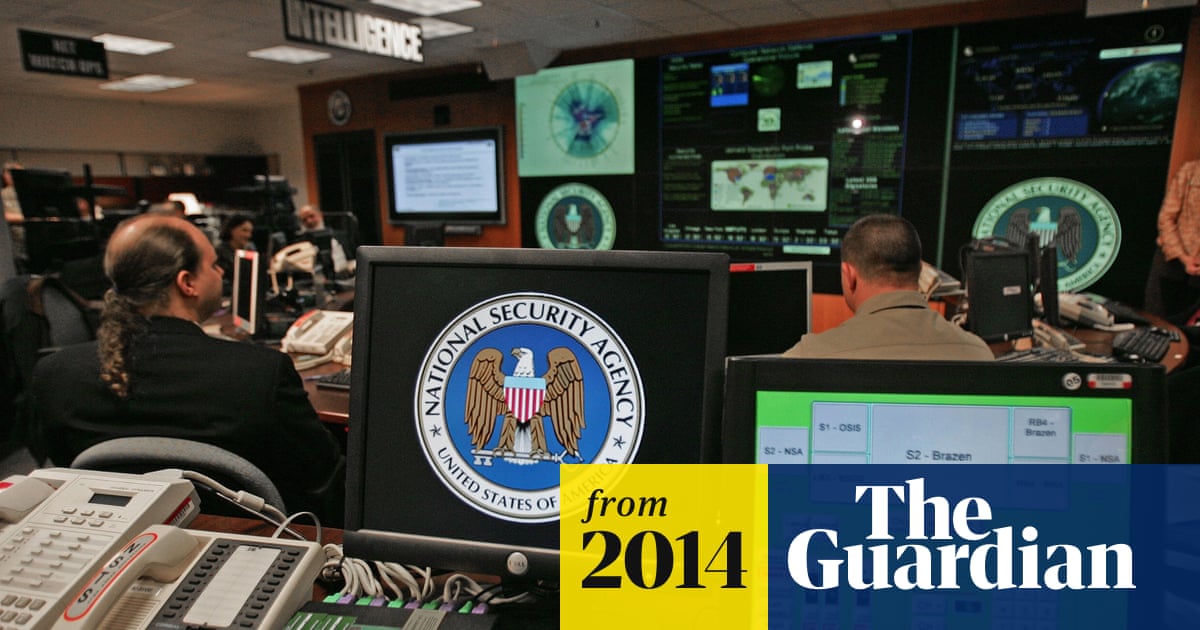
The Trump administration has likened them to the digital arm of al-Qaeda and, in an unprecedented move, just added them to the list of global terrorist organizations
Bill C-22’s Groundhog Day: Why the Government’s Dismissal of Signal, Apple and the U.S. Congress Concerns Runs Back the Disastrous Online News Act Playbook - Michael Geist
Secure messaging service Signal yesterday became the latest company to warn that Bill C-22, the lawful access bill, could force it to leave the Canadian market rather than comply with provisions it says would compromise its end-to-end encryption and create new cybersecurity risks. Signal vice-president Udbhav Tiwari told the Globe and Mail that the company “would rather pull out of the country than be compelled to compromise on the privacy promises we have made to our users.” The comments are part of a steady stream of similar warnings from Apple, Meta, the Canadian Chamber of Commerce, the Cybersecurity Advisors Network, and the chairs of the U.S. House Judiciary and Foreign Affairs Committees. Despite growing concern, the government’s response has been to launch a misleading social media campaign and repeatedly insist that the experts and companies are mistaken.

Trump Goes After Anonymous Email Provider in Italy. The Real Target Is Free Speech in the U.S.
Trump designated a collective that provides anonymous email services as a foreign “terrorist” group. It could curtail free speech in the U.S.
Pluralistic: Post-American compute for a post-American Internet (04 Aug 2026) – Pluralistic: Daily links from Cory Doctorow
Obviously, the non-American world has a digital sovereignty problem – Trump has means, motive and opportunity to order his tech companies to shut down any public official, large corporation, or individual who displeases him:
Legally Cognizable Manipulation
Swaths of personal and nonpersonal information collected online about Internet users are increasingly being used in sophisticated ways for online political mani

Justice Department Disrupts Covert Russian Government-Sponsored
The Justice Department today announced the ongoing seizure of 32 internet domains used in Russian government-directed foreign malign influence campaigns colloquially referred to as “Doppelganger,” in violation of U.S. money laundering and criminal trademark laws. As alleged in an unsealed affidavit, the Russian companies Social Design Agency (SDA), Structura National Technology

Rubio uses terrorism law to ban secure email service
The State Department doesn’t accuse Autistici/Inventati of doing anything more than providing surveillance-free email accounts. But that’s enough to declare it a terrorist organization.
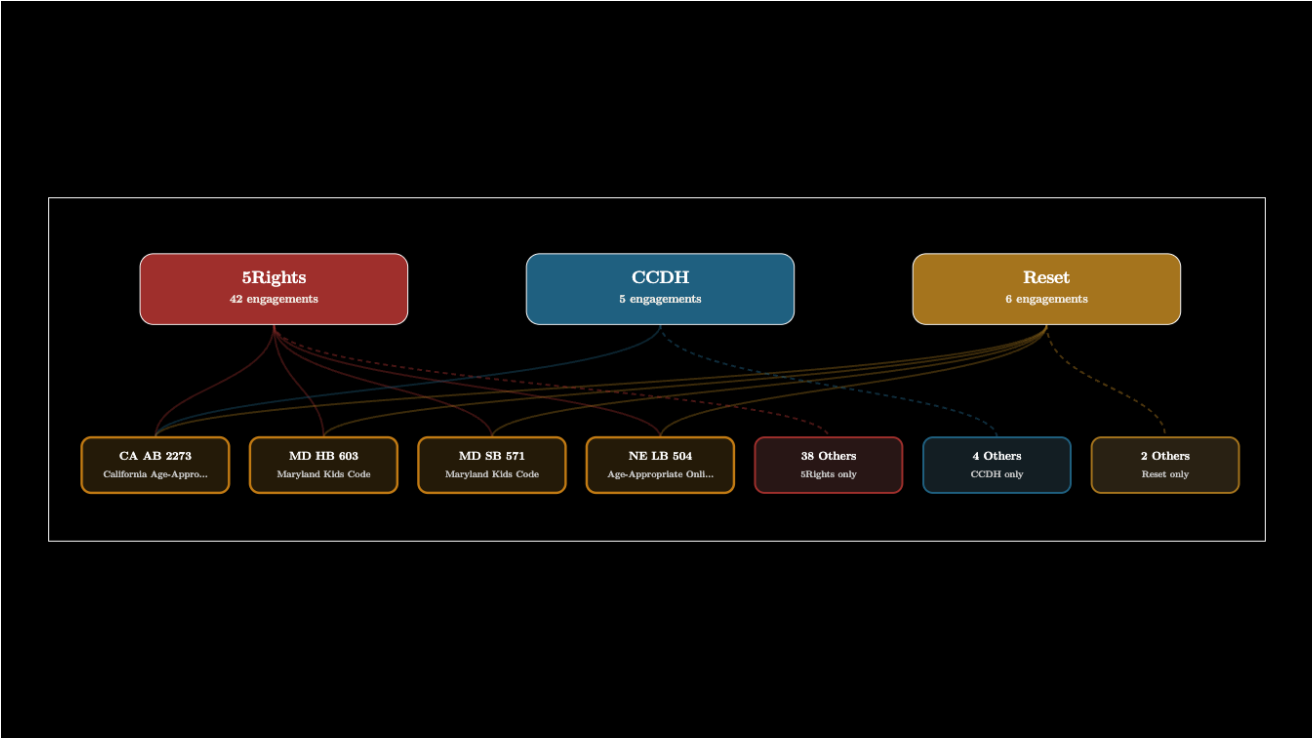
The UK’s War on Anonymity Has Come to America — Effort
The NGOs Behind Britain's Digital ID Laws are Targeting American Statehouses
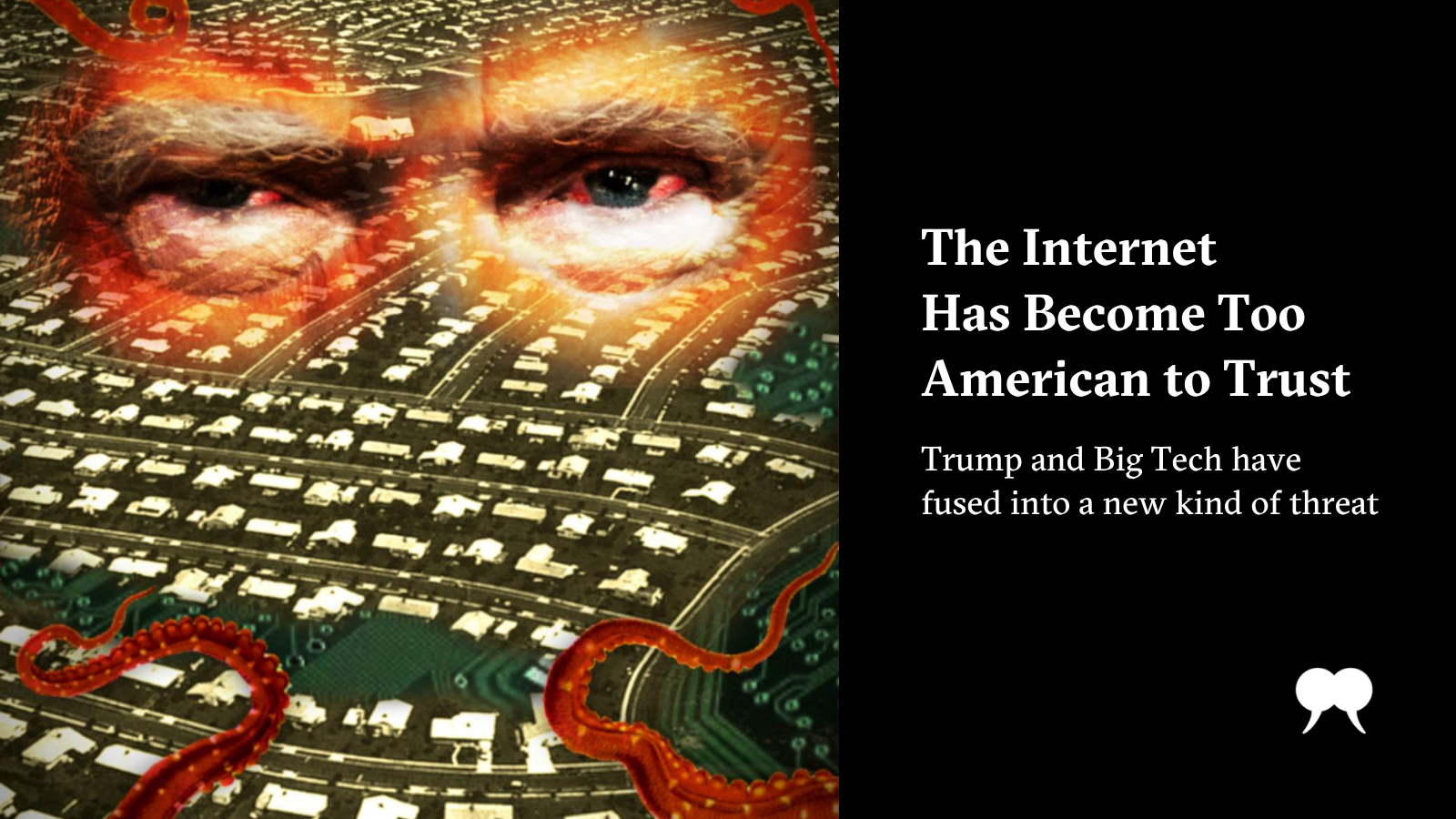
The Internet Has Become Too American to Trust | The Walrus
Trump and Big Tech have fused into a new kind of threat
Press Release · Keep the Internet free
On August 26, 2026, the U.S. Department of the Treasury, through OFAC (Office of Foreign Assets Control – the authority responsible for managing and enforcing economic and financial sanctions) sanctioned Autistici/Inventati (A/I), an Italian collective that has been providing digital infrastructure – email, hosting, mailing lists, chat, videoconferencing, streaming, and services related to privacy and anonymity – to movements and activists since 2001. Washington designated it as a Specially Designated Global Terrorist (SDGT), alleging that it has provided financial, material or technological support to terrorism and to organizations already subjected to sanctions. A/I rejects the allegations and declares that its activities consist in providing tools for digital self-defence and infrastructure for the freedom of communication.
The Online Tools That Fueled ‘No Kings’ and the Trump Resistance
Social media platforms, collaborative online tools, and encrypted messaging are all helping to power a massive, decentralized resistance to the Trump administration.

Press Release · Keep the Internet free
On August 26, 2026, the U.S. Department of the Treasury, through OFAC (Office of Foreign Assets Control – the authority responsible for managing and enforcing economic and financial sanctions) sanctioned Autistici/Inventati (A/I), an Italian collective that has been providing digital infrastructure – email, hosting, mailing lists, chat, videoconferencing and other privacy-friendly online services – to movements and activists since 2001. Washington designated it as a Specially Designated Global Terrorist (SDGT), alleging that it has provided financial, material or technological support to terrorism and to organizations already subjected to sanctions. A/I rejects the allegations and declares that its activities consist in providing tools for digital self-defence and infrastructure for the freedom of communication.
There’s Only One State That is Asking the Right Questions About Digital Identity | ACLU
A digital ID system involves value-laden choices that should be made through explicit political discussion and debate
Permanent record
"In 2013, twenty-nine-year-old Edward Snowden shocked the world when he broke with the American intelligence establishment and revealed that the United States government was secretly pursuing the means to collect every single phone call, text message, and email. The result would be an unprecedented system of mass surveillance with the ability to pry into the private lives of every person on Earth. Six years later, Snowden reveals how he helped to build this system and why he was moved to expose it. Spanning the bucolic Beltway suburbs of his childhood and the clandestine CIA and NSA postings of his adulthood, Permanent Record is the account of a bright young man who grew up online - a man who became a spy, a whistleblower, and, in exile, the Internet's conscience."--Jacket

How 9/11 changed the way America surveils its citizens • Stateline
The terrorist attacks of Sept. 11, 2001, transformed how American intelligence and law enforcement agencies collect, share and analyze information. Twenty-five years later, that infrastructure has merged with a digital world capable of generating vast amounts of data about Americans — and artificial intelligence is making it easier to connect and analyze that information. The result is a surveillance system far more powerful than anything imaginable in 2001, raising new questions about privacy, policing and civil liberties.

Privacy under attack: the NSA files revealed new threats to democracy
We now know the apparatus of repression has been attached to the democratic state, but our struggle for privacy is far from hopeless. By Eben Moglen