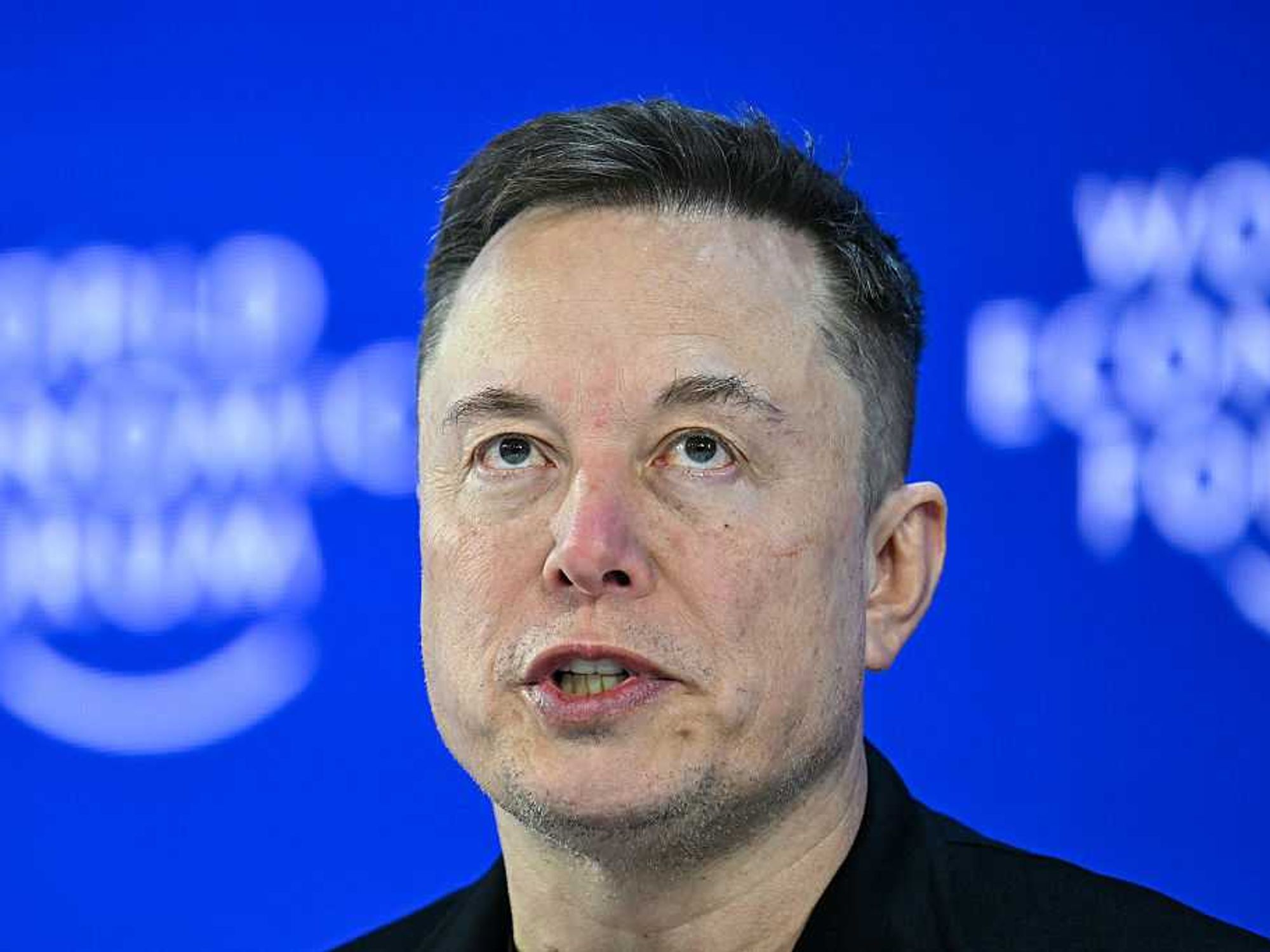
Since Elon Musk’s chaotic takeover of Twitter in October 2022, the social media platform has been considered by many to be more right-wing (as evidenced by Musk reinstating access to the site for right-wingers such as Stephen Yaxley-Lennon, Katie Hopkins and US president Donald Trump) and a new info...
A few weeks of X’s algorithm can make you more right-wing – and it doesn’t wear off quickly
Elon Musk’s social media platform is boosting conservative content – and it’s having long-lasting effects on how users see the world.

A few weeks of X’s algorithm can make you more right-wing – and it doesn’t wear off quickly
Elon Musk’s social media platform is boosting conservative content – and it’s having long-lasting effects on how users see the world.
How Elon Musk’s Own Account Dominates X (Published 2024)
The billionaire has effectively become the star of his social media platform, transforming X into a reflection of his personal views before the election.

My 2024 thoughts on the state of social media
I see a continued fragmentation of social media as people leave X(Twitter).

How Elon Musk uses his X social media platform to amplify right-wing views
As X’s owner and most followed user, Elon Musk has increasingly used it as a microphone to amplify his political views and those of the often right-wing figures he’s aligned with.

Here’s What Elon Musk Sees When He Opens X (Published 2025)
The New York Times tracked 1,109 accounts that Mr. Musk follows on X to recreate his news feed.

Twitter Is Dead, X Is Elon’s Personal Propaganda Platform, Where Grok Checks His Feed Before Answering
Last week, Elon Musk’s Grok AI started spewing extreme antisemitism, calling itself “MechaHitler” and pushing conspiracy theories about Jewish people. But that wasn’t the mo…

Twitter’s Pre-Musk Plans Mirrored Elon’s Vision—Until He Abandoned, Trashed Or Ignored Them
Today, the new book by NY Times reporters Kate Conger and Ryan Mac, Character Limit: How Elon Musk Destroyed Twitter, comes out. If you’re at all interested in what went down, I can’t recommend it …
The Weird, Fragmented World of Social Media After Twitter
The common forum that Elon Musk destroyed will never be replaced—and that’s okay.
With Bluesky, the social media echo chamber is back in vogue
The great migration from Elon Musk’s X has seen users, especially progressives, retreat into one particular silo

Shifts in U.S. Social Media Use, 2020–2024: Decline, Fragmentation, and Enduring Polarization
The social media ecosystem appears to be in flux. Twitter’s rebranding to X has come to symbolize a broader reorganization of online publics – political reshuffling, user attrition, and uncertainty over the role of legacy platforms. Simultaneously, the shift from text-based, networked feeds toward algorithmically curated, short-form video has accelerated, with TikTok setting the pace for the wider ecosystem [18, 14, 16]. At the same time, everyday communication increasingly migrates from large, open networks to semi-private spaces such as group chats and messaging apps. Commentators describe a digital public sphere in transition: smaller, more fragmented, less dominated by traditional social networking sites, and rise of more broadcast-oriented forms of media – with some even suggesting that we are seeing the beginning of the end of the social media era.
X under Musk’s leadership: Substantial hate and no reduction in inauthentic activity
Numerous studies have reported an increase in hate speech on X (formerly Twitter) in the months immediately following Elon Musk’s acquisition of the platform on October 27th, 2022; relatedly, despite Musk’s pledge to “defeat the spam bots,” a recent study reported no substantial change in the concentration of inauthentic accounts. However, it is not known whether any of these trends endured. We address this by examining material posted on X from the beginning of 2022 through June 2023, the period that includes Musk’s full tenure as CEO. We find that the increase in hate speech just before Musk bought X persisted until at least May of 2023, with the weekly rate of hate speech being approximately 50% higher than the months preceding his purchase, although this increase cannot be directly attributed to any policy at X. The increase is seen across multiple dimensions of hate, including racism, homophobia, and transphobia. Moreover, there is a doubling of hate post “likes,” indicating increased engagement with hate posts. In addition to measuring hate speech, we also measure the presence of inauthentic accounts on the platform; these accounts are often used in spam and malicious information campaigns. We find no reduction (and a possible increase) in activity by these users after Musk purchased X, which could point to further negative outcomes, such as the potential for scams, interference in elections, or harm to public health campaigns. Overall, the long-term increase in hate speech, and the prevalence of potentially inauthentic accounts, are concerning, as these factors can undermine safe and democratic online environments, and increase the risk of offline harms.
X Corp
X, formerly known as Twitter, is a global social-media platform that facilitates real-time communication and the sharing of short messages, known as "tweets". Founded...

How to use Bluesky, the Twitter-like social app taking on Elon Musk's X | TechCrunch
Bluesky is continuing to blow up. The Twitter-like service and alternative to Elon Musk's X, has now surpassed 16 million users after seeing rapid growth