

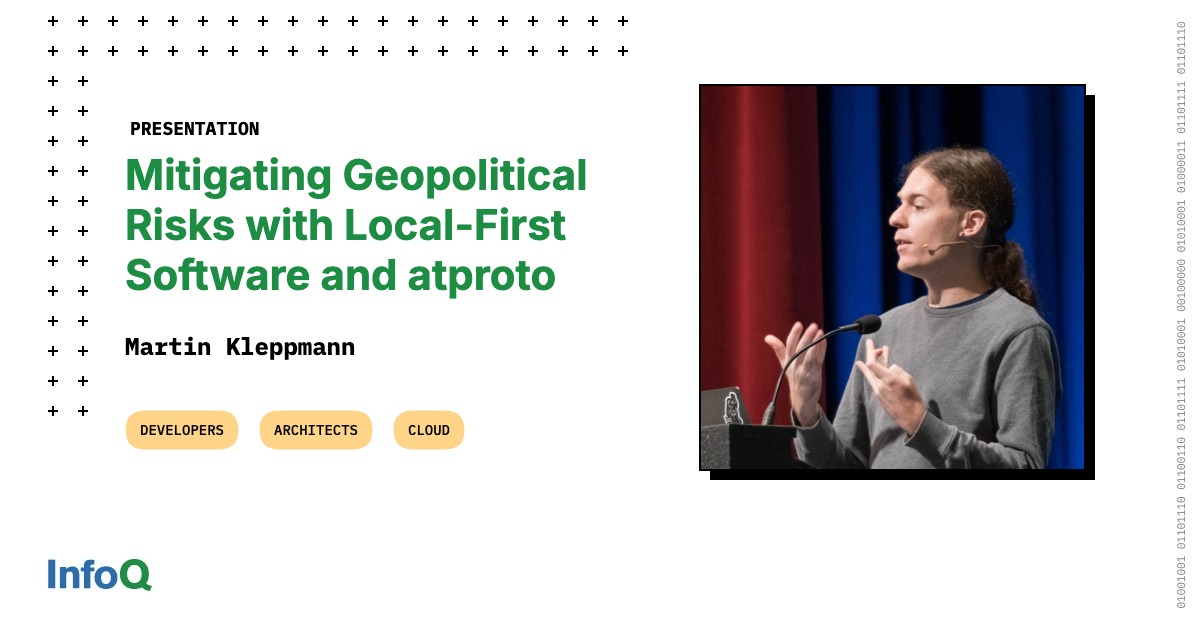
Martin Kleppmann discusses the urgent need for technological sovereignty in modern infrastructure. Exploring the shifting landscape of global tech dependencies, he shares how engineering leaders can leverage multi-cloud architecture, de facto API standardization, the AT Protocol, and local-first development paradigms to reclaim user agency and build highly resilient systems.
The Cloud Is a Prison. Can the Local-First Software Movement Set Us Free?
Tired of relying on Big Tech to enable collaboration, peer-to-peer enthusiasts are creating a new model that cuts out the middleman. (That’s you, Google.)

The Path to a Sovereign Tech Stack is Via a Commodified Tech Stack | TechPolicy.Press
Strategic standardization of cloud infrastructure backed by procurement power and market forces is the right way to tame the hyperscalers, writes David Eaves.
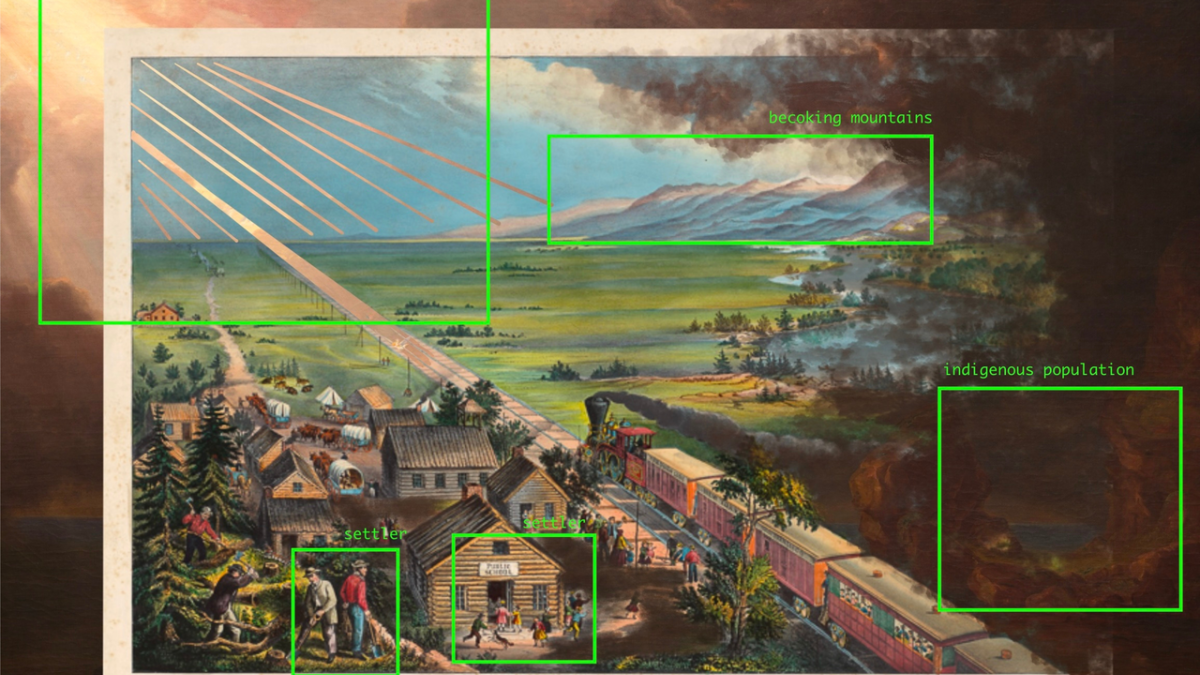
Anatomy of a Franco-German tech misfire
As Europe debates how far to go in pivoting away from US Big Tech, a cloud initiative provides a cautionary tale.

QCon London 2026: Kleppmann on Mitigating Europe's Cloud Dependency with Local-First Software
Europe is completely dependent on US cloud services, Martin Kleppmann told QCon London. His fix: commoditise everything. He walked through three technologies he's helped build: multi-cloud via de facto standards, Bluesky's AT Protocol for social media, and local-first software for collaboration, all designed to make switching providers trivial and shift power back to users.

Decolonising Global Digital Transformation
Why cloud native belongs at the heart of agentic AI: Lessons from building a multi-agent security platform on Kubernetes
In March, I gave a talk at KubeCon + CloudNativeCon Europe 2026 in Amsterdam. After the session, the same questions kept coming up on the CNCF Slack and in person: why build agentic AI on cloud native…
Commission proposes tech sovereignty package to strengthen Europe\'s digital autonomy and resilience
The European Commission today presented the European Technological Sovereignty Package, a set of measures to strengthen Europe\'s capacity in semiconductors, artificial intelligence (AI), cloud and open source.


A New Wave of Peer-to-Peer Apps Heralds a Farm-to-Table Internet
This week, we discuss the local-first computing movement and its push to reduce our reliance on the corporate-owned, cloud-based software tools we use every day.

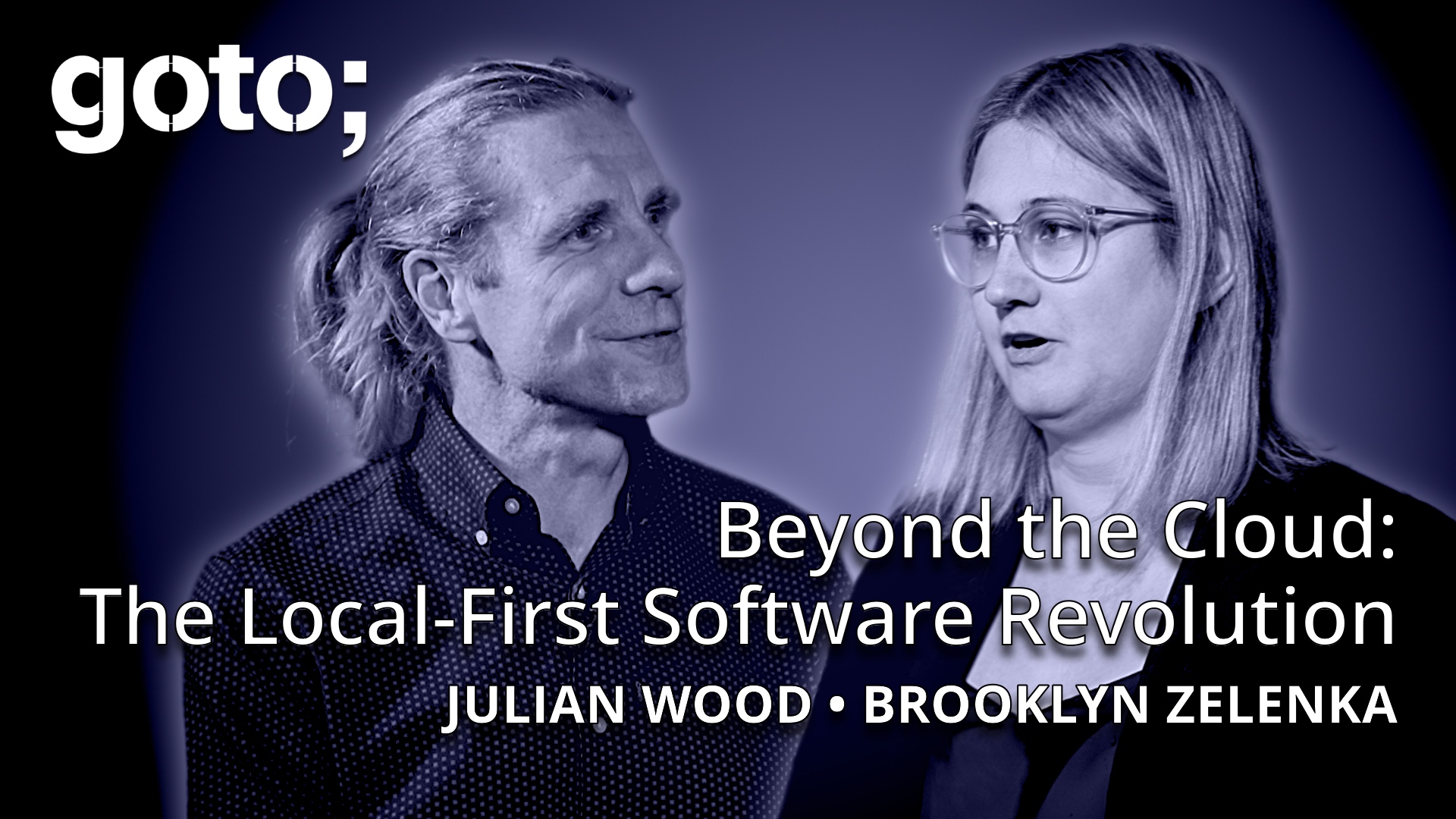
Beyond the Cloud: Brooklyn Zelenka on Local-First Software
Why rely on the cloud when your devices are already powerful? Brooklyn Zelenka explains how local-first computing is revolutionizing software development for collaboration without constant connectivity.
Eaten by the Internet
This book makes internet infrastructure visible as a force of political power, which is transforming the social world, from the bottom up—through fifteen chapters contributed by a global set of researchers, activists, and techies. We are living a unique moment: internet technologies are the default infrastructure for society, not just how we communicate but also how we organise our social life, politics, and economy, all the way down to our material environments, like cities. Our world is eaten by the internet. This means that those who control the internet control the bounds of public speech, economic production, social cohesion, and politics, making its infrastructure a core political terrain in the networked age. The book’s chapters cover a wide set of topics, spanning from the global politics of content moderation by internet infrastructure to the colonialism inherent in the race to plug the moon, from the harms wrought by blockchain companies in rural America to the particularities of online censorship across Asia. The chapters take on thorny topics, discussing power consolidation in the advertisement and cloud industry, the role of internet infrastructure in the war in Ukraine, and tech’s environmental impact—amongst others. In doing so, this book roots contemporary technology debates in the politics of internet infrastructure and urges us to ask how can we ensure our infrastructures sustain us, rather than consume us?
EU-AI | Igor L.
The geopolitical landscape is shifting from physical borders to digital infrastructure. Here is a factual breakdown of how a $500 billion investment in "Sovereign AI" is changing global power dynamics. The Shift: From Land to "Substrate" Historically, a nation’s power was defined by its territory and legal systems (the Westphalian model). Today, power is increasingly tied to the compute substrate—the physical hardware and energy required to run AI. 1. Infrastructural Enclosure The "Sovereign Compute Coalition" (SCC) represents a massive consolidation of power. Major private entities are acquiring the three pillars of modern national strength: * Hardware: High-end AI chips (e.g., Nvidia). * Energy: The massive power grids needed to fuel them. * Data Centers: The physical "brains" of the digital economy. 2. The Rise of Technocracy As private companies own these essential tools, governments may find themselves in a position where they effectively "rent" their ability to govern. This moves decision-making power away from elected officials and toward those who control AI infrastructure. 3. Europe’s Strategic Response Europe is launching several initiatives to avoid becoming a "client state" of foreign tech providers. The strategy focuses on four main channels: * 8ra Initiative: Building a decentralized, multi-provider cloud-edge architecture to ensure data remains under European control and interoperable across borders. * ReArm Europe: A strategic defense package (presented in March 2025) aimed at boosting industrial competitiveness and reducing strategic dependencies in technology and defense. * Sovereign LLMs: Developing domestic models, such as Mistral, that are designed to align with European data privacy standards and cultural values. * Energy & Procurement: Using public procurement and new regulatory frameworks to create demand for homegrown, sustainable energy-efficient compute solutions. The goal of these moves is #DigitalSovereignty : the ability for a region to control its own digital destiny without relying exclusively on transnational monopolies. Data tells the real story. Are you following it? Follow #datanomics

The Politics of Open Infrastructures: Power, Governance, and Justice in Digital Knowledge Practices
This volume examines how openness is designed, governed, contested and lived in contemporary digital knowledge infrastructures. From open source software and internet standards, to citizen science platforms, public sector data systems and alternative computing practices, the book shows that infrastructures are never neutral technical backbones.

Day two of ;#QConLondon! Starting liveskeet a bit late so not covering the beginning of @martin.kleppmann.com's keynote about geopolitical tech resilience (because USA is shitshow rn). Three topics: - Multicloud - Atproto - Localfirst For multicloud, key thing is making it easy to switch

Hillel
Hello from #QConLondon! I am going to liveskeet as much as I can while very, very jetlagged. Right now we are going through conference intro and "how to attend a conference". Gotta be a couple of thousand people here
Not that I'm at all against sovereign infrastructure, but it's quite interesting to see so much focus local, interoperable cloud infrastructure while interoperability remains taboo for individuals and communities. bsky.app/profile/chrisshank.com/post/3…

𝕮
Ha obviously im glad there are incentives and investment in sovereign tech stacks! But let‘s not trick ourselves into believing swapping out tech giants with some new companies and regulations will suddenly fix everything.
