
Exploring software architecture that returns data to users and enables collaboration in every tool.
Local-first software: You own your data, in spite of the cloud
A new generation of collaborative software that allows users to retain ownership of their data.

Local-first software: You own your data, in spite of the cloud
A new generation of collaborative software that allows users to retain ownership of their data.
Local-first software: You own your data, in spite of the cloud
A new generation of collaborative software that allows users to retain ownership of their data.
Local-first software: You own your data, in spite of the cloud
A new generation of collaborative software that allows users to retain ownership of their data.
What is Local-first Software?
A look at local-first software, the idea that you can have the collaboration of cloud apps while still fully owning your data.
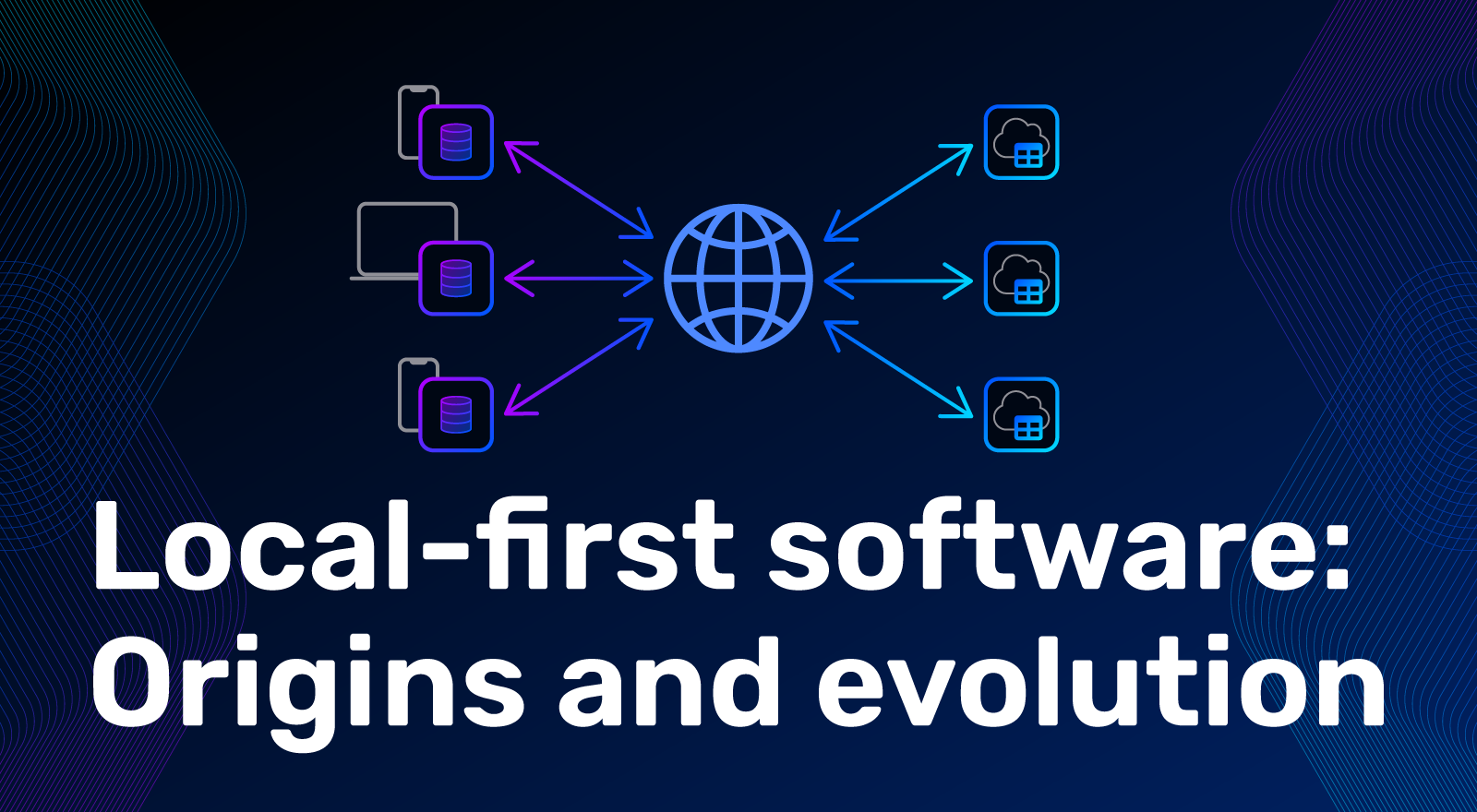
Local-First Software: Origins And Evolution
Developer interest in local-first software is continuing to grow rapidly in 2024. At the same time, it’s also apparent that developers currently have different views on what they consider to be ‘local-first software’, ranging from narrower to broader definitions. This prompted us to take a closer look at the origins and evolution of local-first.
Local-first software: you own your data, in spite of the cloud
As part of the Digital Library's transition to Open Access, new features for researchers are available in the Premium Edition. Click here to learn more.

Local-First Software Unconference · Luma
On Sat September 23, 2023, immediately following the Strange Loop conference, we are holding a community event for everybody interested in local-first software…

Local-First Software: Taking Back Control of Our Data | a mini-doc
Lody Is Now Open Source: A Shared Workspace for Teams and Coding Agents
Lody helps teams understand the context behind software decisions. We are moving Lody toward local-first, with the goal of making that context durable, portable, and ultimately controlled by the team

Peter Van Hardenberg - Local First: the secret master plan
A New Wave of Peer-to-Peer Apps Heralds a Farm-to-Table Internet
This week, we discuss the local-first computing movement and its push to reduce our reliance on the corporate-owned, cloud-based software tools we use every day.

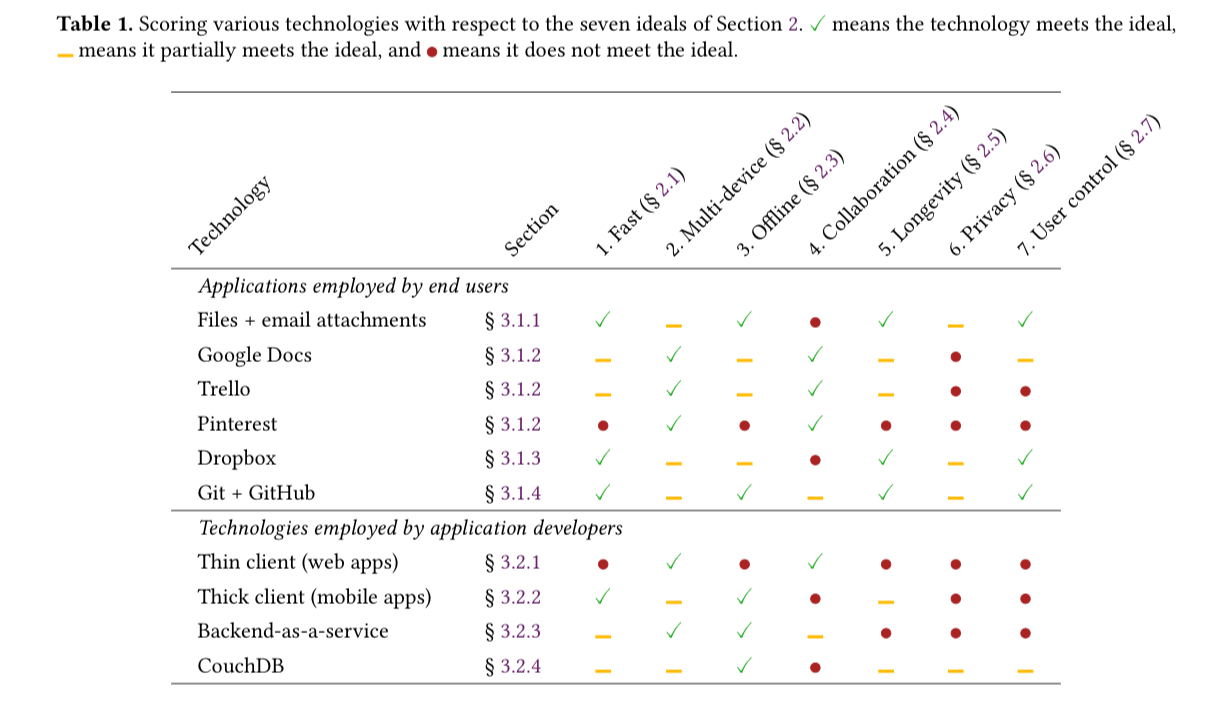
Local-first software: you own your data, in spite of the cloud
Local-first software: you own your data, in spite of the cloud Kleppmann et al., Onward! ’19 Watch out! If you start reading this paper you could be lost for hours following all the interesti…
Local-first software: pragmatism vs idealism
The community-first software era
Some ideas about how to encode our values into the tools we use