61 likes, 17 comments - wayne_hillier_rei on August 3, 2026: "CMHC MLI Select financing helped create a massive development boom in Edmonton, but investors overdid it. In 2024, Edmonton had low vacancy, strong rental demand and some of the best real estate investment opportunities in Canada. Then investors flooded the market and started building infill multiplexes everywhere. All that new rental supply increased vacancy and created downward pressure on rents, especially among similar new-build units competing for the same tenants. Just because financing makes a development possible doesn’t automatically make it a good investment. Edmonton real estate investors need to understand current supply, vacancy rates, realistic rents and tenant demand before buying or building. Do you think Edmonton’s multiplex rental market is oversaturated? #EdmontonRealEstate #RealEstateInvesting #EdmontonInvestor #MLISelect #CMHC".
Opinion | One City Might Have Just Cracked the Housing Crisis
A large real estate development in the middle of Vancouver, British Columbia, shows how cities can build more housing.

AI Economics for Dummies
“Xavier owns an apartment that he rents out at a loss of $1 billion/month. Seeing this success, he decides to make financial commitments to construct $850 bi...

The Folk Economics of Housing
Why is housing supply so severely restricted in US cities and suburbs? Urban economists offer two primary hypotheses: homeowner self-interest and political fragmentation. Homeowners, who outnumber and have organizational advantages over renters, are said to lobby against development to protect their property values. The fragmentation hypothesis emphasizes that development's negative externalities are borne locally while most of the benefits accrue regionally or nationally, leading localities to block housing. This paper offers another explanation: ordinary people simply do not believe that adding more housing to the regional stock would reduce housing prices. Across three original surveys of urban and suburban residents, only a minority of respondents say that a large, positive, regional housing supply shock would reduce prices or rents. These beliefs are weakly held and unstable (suggesting people have given the issue little thought), but respondents do have stable views about who is to blame for high housing prices: developers and landlords. Large, bipartisan supermajorities support price controls, demand subsidies, and restrictions on putative bad actors, policies which they believe would be more effective than supply liberalization for widespread affordability. We discuss the implications of these findings for efforts to expand the supply of housing.

Fastest rent hikes in Australia show why Victoria needs rent caps – saving renters $15,590 by 2030 | The Australian Greens
Melbourne renters are being slugged with the fastest rent increases in the country, with new figures showing the city's median weekly rent jumped by more than $20 (3.5 per cent) to $600 in the June quarter.
The Last Gasps of the Rent Seeking Class
Over the past fifty years, the U.S. economy built a giant rent-extraction layer on top of human limitations: things take time, patience runs out, brand familiarity substitutes for diligence, and most people are willing to accept a bad price to avoid more clicks. Trillions of dollars of enterprise value depended on those constraints persisting. – Citrini Research
Meredith Whittaker on Twitter / X
Now that even Goldman, Sequoia, and other major investors are calling it, it's good to remember that the shakiness of the AI market, and the mismatch between capex and ROI, has been clear for a long time to those of us who look closely at the political economy of AI. https://t.co/dLLNAcW5Sn— Meredith Whittaker (@mer__edith) July 30, 2024

Building our way: Announcing our Series C - Linear
Today, I’m happy to share that we’ve raised an $82M Series C at a $1.25B valuation. The round includes both primary and secondary funding, led by Accel with continued support from Sequoia and 01A, and joined by new partners Seven Seven Six, Designer Fund, Indie.vc, TK Ventures, Soleio, Jeff Weinstein, Ilkka Paananen, and Lauren & Vlad Loktev.

Zitron: "Everyone Has Been Sold a Lie" on AI
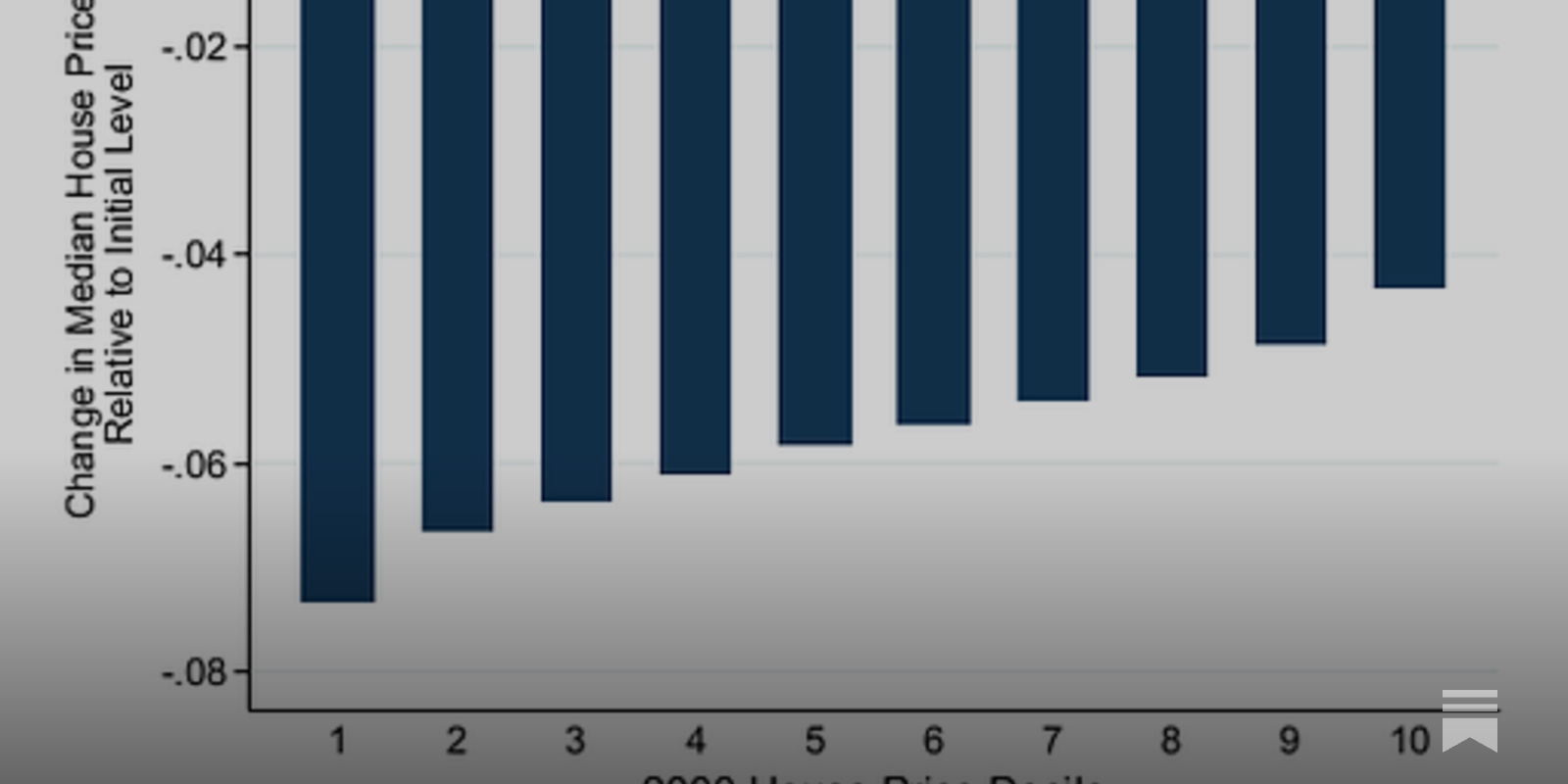
Housing ladder spillovers
Rich newcomers can raise low-end rents, and adding high-end homes can lower them
Two-bedroom apartments hit $6K for the first time in SF. The same apartment in Oakland is less than half that, but the clock is ticking.
While Oakland has long been a more affordable alternative, the rental gap between SF and Oakland is now at a staggering 128%. We break down why the East Bay deal might be changing as vacancy rates tighten.

Storeys
STOREYS covers the latest on the housing and real estate markets in Toronto, Vancouver, and the rest of Canada. Get all the latest real estate news from across the country.

Why does Canada not have more pre-seed funds writing first cheques? | Boris Mann posted on the topic | LinkedIn
Why does Canada not have more preseed funds writing first cheques? It’s (I think) a recognized fact that this is the case. Is it because we are so close to the US ecosystem that the massive number of preseed funds there effectively cherry picks our top founders? I have heard that Canadian pre-seed has the opposite problem. They have to wade through a lot of inbound in Canada (many low quality), but themselves have such small funds they deploy very little. I have been thinking about what I did at Full Stack. The ecosystem was smaller then. There was no institutional preseed. 9 deals in 6 months made me one of the top investors in Canada. I say that not to boast, but show how low the bar was (is?). I modeled smaller cheques with much higher velocity during the pandemic with Venture Scouts. Recently talked to Jesse Rodgers who is thinking something similar. The model I have in mind would be - across Canada - scouts in every community (diverse young people) - 10k - 25k lead cheques - don’t need to wait for a lead, we say yes first - scouts check the hygiene - legal setup, founders reverse vesting etc - syndicate every deal 50 - 100 deals annually? One of the experiments here is if one can find and execute on this many. Not all would be venture track, so slightly different IndieVC style deal terms might be needed. Overhead is massive compared to capital deployed. Not enough AUM for management fees to pay for much. What do you think? Let’s build ;) | 37 comments on LinkedIn

Capital Must Seek Delight
Too few people are experiencing the delights and serendipity of AI, causing capital misallocation

The Economy Has Spoken: Stuff That’s AI-Generated Has Almost Zero Value
3D assets marketplace CGTrader is being flooded by AI slop, but nobody is buying it, suggesting AI isn't "repricing the market."

Home
Discover Great Local Businesses, Places, Hot Events, Job Opportunities, Cars and Real Estate Offers in Vancouver!