
Markets, capabilities, cope, and bewilderment in the industrialization of language models.
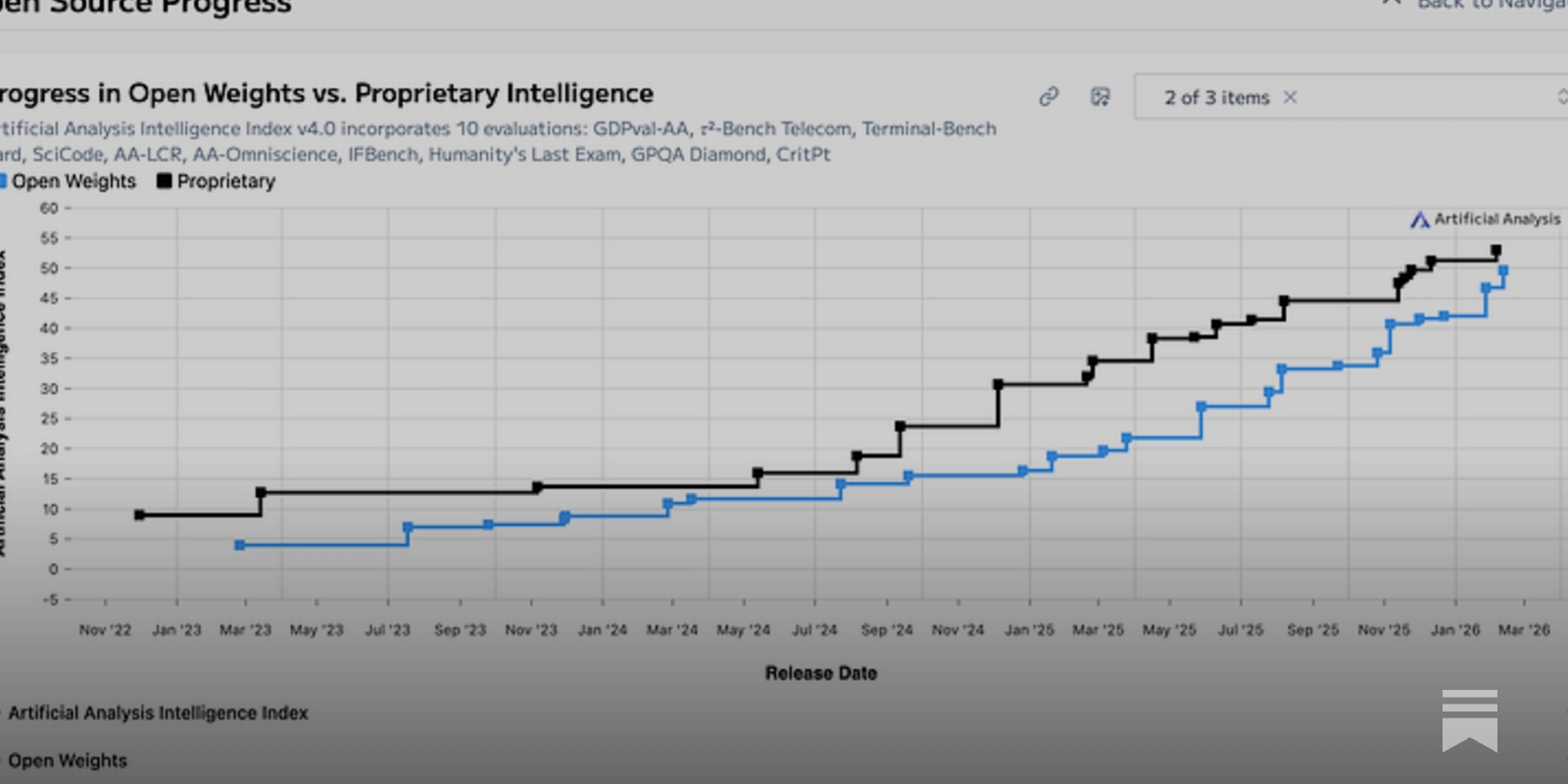
Open models in perpetual catch-up
The open-closed gap, distillation, innovation timescales, how open models win, specialized models, what’s missing, etc.
Large language models are cultural technologies. What might that mean?
Four different perspectives


Maintaining the love for coding in the time of AI
By Alex Band Over the last year, we have seen the profound effects Large Language Models (LLMs) have on our open-source software work at NLnet Labs. These can be grouped into two main areas: community contributions and security reports. Before we dive into this topic, let me first give

Slop-Machine Future
The arc of large language models is mediocre, and it bends toward “target procurement”.

AI’s Memorization Crisis
Large language models don’t “learn”—they copy. And that could change everything for the tech industry.

Going beyond open data – increasing transparency and trust in language models with OLMoTrace | Ai2
Ai2, a non-profit research institute founded by Paul Allen, is committed to breakthrough AI to solve the world’s biggest problems.
Build Agent Advocates, Not Platform Agents
Language model agents are poised to mediate how people navigate and act online. If the companies that already dominate internet search, communication, and commerce -- or the firms trying to unseat...

Artificial intelligence is a familiar-looking monster, say Henry Farrell and Cosma Shalizi
The academics argue that large language models have much older cousins in markets and bureaucracies

Scaling Laws Across Model Architectures: A Comparative Analysis of...
The scaling of large language models (LLMs) is a critical research area for the efficiency and effectiveness of model training and deployment. Our work investigates the transferability and...
Big AI is accelerating the metacrisis: What can we do?
The world is in the grip of ecological, meaning, and language crises that are converging into a metacrisis. Big AI is accelerating them all. LLM engineering sits at the core. Despite the public good motives of language engineers and the promise of LLMs, this work is being leveraged to create unprecedented wealth and power for a handful of individuals and corporations while causing existential harm to life on earth. As a profession, we urgently need to come together to explore alternatives and to design a life-affirming future for our field of natural language processing that is centered on human flourishing on a living planet.
There is NO Open Source Business Model
Preface: It has been brought to my attention by friends and trusted advisors that a valid interpretation of my point below is that open…

Large language models are not the problem
If a Large Language Model (LLM) can replicate your scientific contribution, the problem is not the LLM. What does it say about our field that so much of the anxiety about AI comes down to the fear that a machine could do what we do? Perhaps it says we should be doing something better.