Inequality in the United States, which began its most recent rise in the late 1970s, continues to surge in the...
The Hidden Cost of Privatization
Why some goods and services should stay in the public domain

Economic Inequality
How is inequality measured, who produces key databases, and what does the data tell us?
Economic Inequality
How is inequality measured, who produces key databases, and what does the data tell us?
Is Inequality Inevitable?
Wealth naturally trickles up in free-market economies, model suggests

Opinion | The Monopolization of America (Published 2018)
In one industry after another, big companies have become more dominant over the past 15 years, new data show.

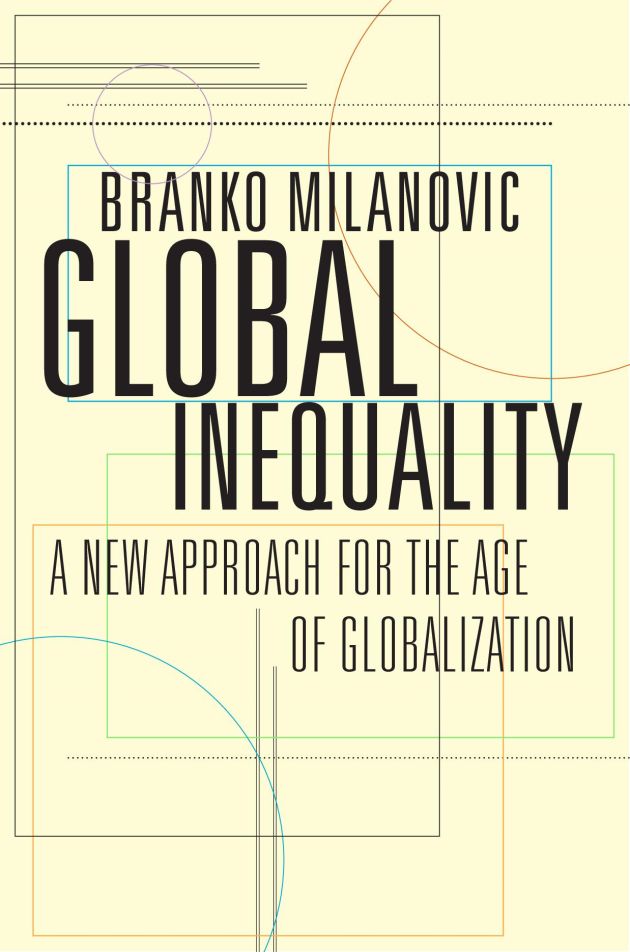
Global Inequality — Harvard University Press
Winner of the Bruno Kreisky Prize, Karl Renner InstitutA Financial Times Best Economics Book of the Year An Economist Best Book of the Year A Livemint Best Book of the YearOne of the world’s leading economists of inequality, Branko Milanovic presents a bold new account of the dynamics that drive inequality on a global scale. Drawing on vast data sets and cutting-edge research, he explains the benign and malign forces that make inequality rise and fall within and among nations. He also reveals who has been helped the most by globalization, who has been held back, and what policies might tilt the balance toward economic justice.“The data [Milanovic] provides offer a clearer picture of great economic puzzles, and his bold theorizing chips away at tired economic orthodoxies.”—The Economist“Milanovic has written an outstanding book…Informative, wide-ranging, scholarly, imaginative and commendably brief. As you would expect from one of the world’s leading experts on this topic, Milanovic has added significantly to important recent works by Thomas Piketty, Anthony Atkinson and François Bourguignon…Ever-rising inequality looks a highly unlikely combination with any genuine democracy. It is to the credit of Milanovic’s book that it brings out these dangers so clearly, along with the important global successes of the past few decades.—Martin Wolf, Financial Times
Do the Rich Capture All the Gains from Economic Growth?
Adjusted for inflation, the US economy has more than doubled in real terms since 1975.

The Divide — Jason Hickel
The Divide: A Brief Guide to Global Inequality and its Solutions Penguin Random House UK, 2017

Affluence and Influence
Why policymaking in the United States privileges the rich over the poor

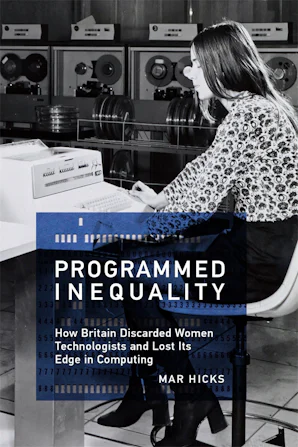
Programmed Inequality
In 1944, Britain led the world in electronic computing. By 1974, the British computer industry was all but extinct. What happened in the intervening thirty y...
A 26-year-old MIT graduate is turning heads over his theory that income inequality is actually…
Wealthy tech founders and the automation of middle-class jobs are often blamed for increasingly concentrations of wealth in the 1%. But, a…

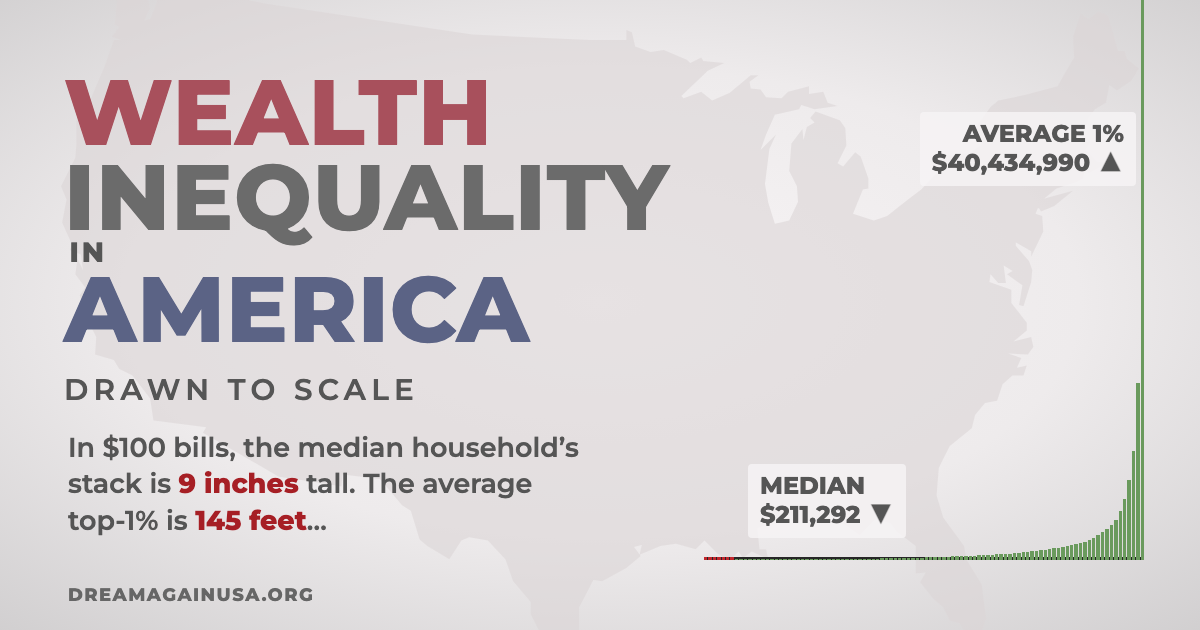
The Climb: Wealth Inequality in America, to scale
Picture U.S. wealth as stacks of $100 bills: the median household’s is about 9 inches tall. The average top-1% household’s is 145 feet, and it keeps getting taller and taller…
A Relentless Widening of Disparity in Wealth (Published 2014)
The economic forces concentrating more and more wealth into the hands of the fortunate few are almost sure to prevail for a long time, according to a new book by the economist Thomas Piketty.

Is Dollar Dominance Good for the U.S.?
Thoughts on the U.S.'s so-called exorbitant privilege.

Comment contrôler la tendance des nouvelles technologies à creuser les inégalités de revenus ?
Traduction de "How to control increase of income inequality due to new technologies?" de Branko Milanovic

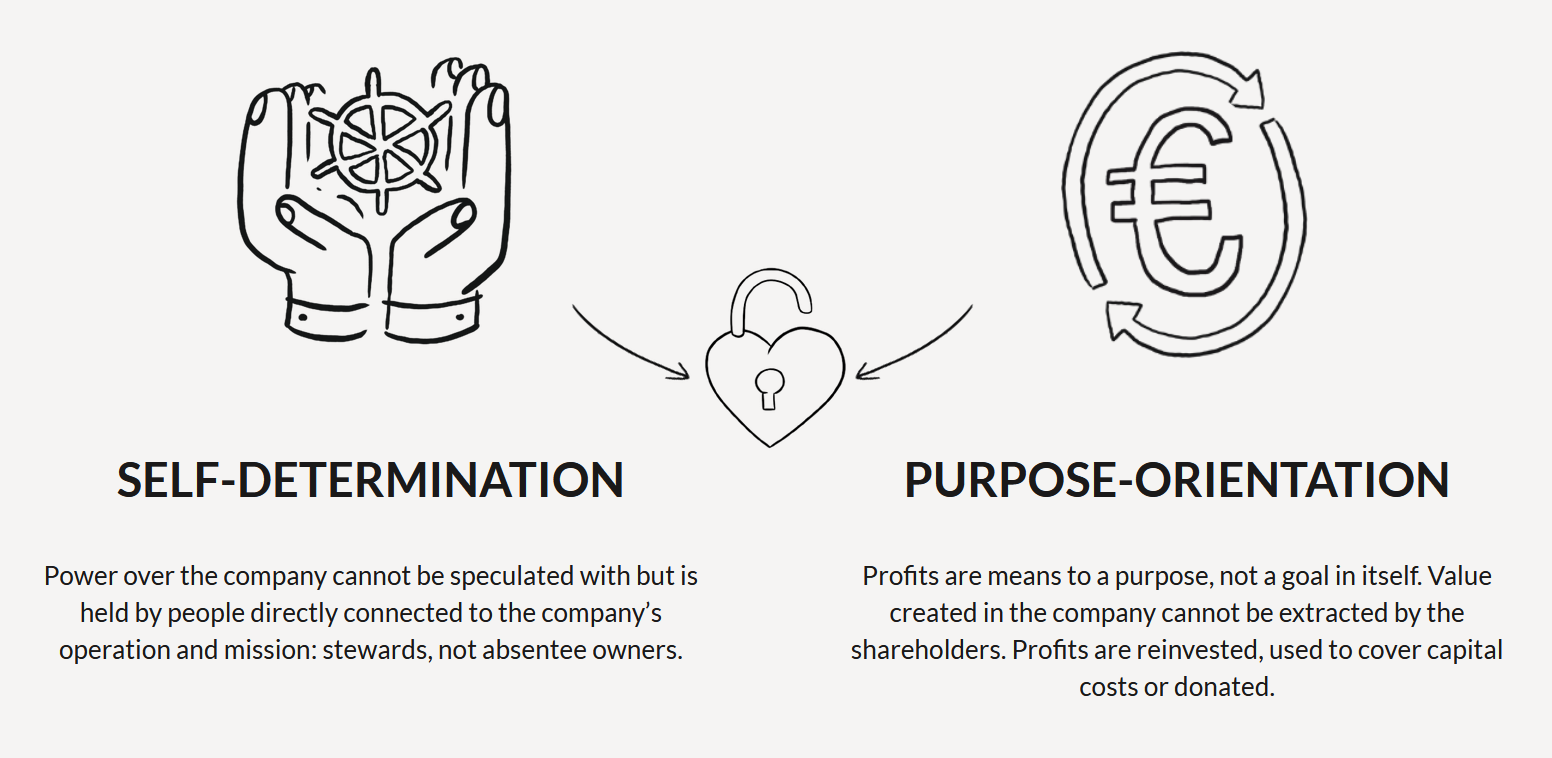
Company as a Commons
What if excess wealth derived from business couldn't be privatized? Through the levers of steward-ownership, companies can protect their purpose-oriented long term mission from the maligned incentives of absentee stakeholders.