Leaving home is an American tradition and it shapes American brains.
Why I Am Leaving the USA - Dame Magazine
My family is fleeing the country. We are not doing this in a panic; this is an orderly retreat from an unwinnable situation. We are slowly but surely packing up and emptying out our house. Instead of planning summer vacation and planting flowers, we're tackling a mountain of overdue home repairs, painting, carpeting, and deep
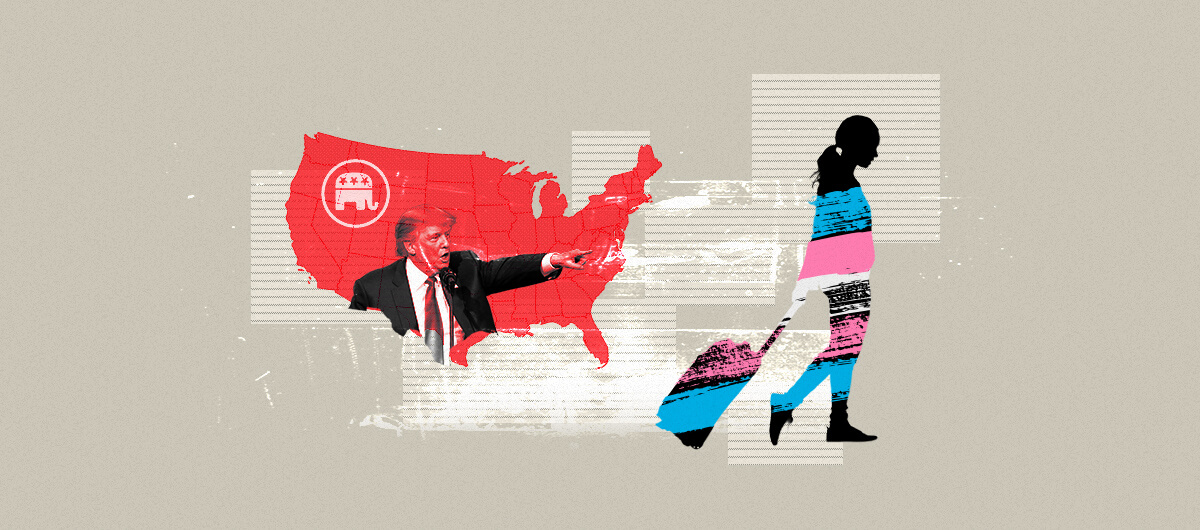
Americans Have One Very Strange Cognitive Bias
Or: How I learned to stop worrying and love The People.
Home is where the bits flow
We aren’t purely physical beings. Most of our day exists outside our body. Our minds slip out through our eyes, out into our screens. We become a different kind of organism, living in a weird symbiosis with reddit and whatsapp and gmail. When was the last time you noticed
10 things Americans get wrong about America
Imagine you have a brother and he’s an alcoholic. He has his moments, but you keep your distance from him. You don’t mind him for the occasional family gathering or holiday. You still love him. But you don’t want to be around him. This is how I lovingly describe my current relationship with the United States. The United States is my alcoholic brother. And although I will always love him, I don’t want to be near him at the moment.

Country Life - Home and Family Life
Make the most of your time at home, with friends and family.
Why the Past 10 Years of American Life Have Been Uniquely Stupid
It’s not just a phase.

What does it mean for culture to ‘shape’ cognition?
Human culture and cognition vary widely across groups, but how exactly culture ‘shapes’ cognition remains underspecified. In this review, we outline four qualitatively different pathways by which culture can shape cognition. In this framework, culture can (i) privilege some cognitive processes, while leaving alternative processes intact; (ii) prune unused alternative processes, which are irretrievably lost; (iii) produce new cognitive processes; or (iv) have no effect on cognition at all. To illustrate the utility of this framework, we apply it to three debated effects of culture on cognitive processes, namely, visual illusions, large exact number abilities, and spatial–numerical associations. The distinctions we propose can serve to reframe long-standing debates, sharpen empirical predictions, and open new avenues of research in cognitive diversity.

Bridging the biological and cultural models of cognition
Our minds are a choice

The Anti-Social Century
Americans are now spending more time alone than ever. It’s changing our personalities, our politics, and even our relationship to reality.
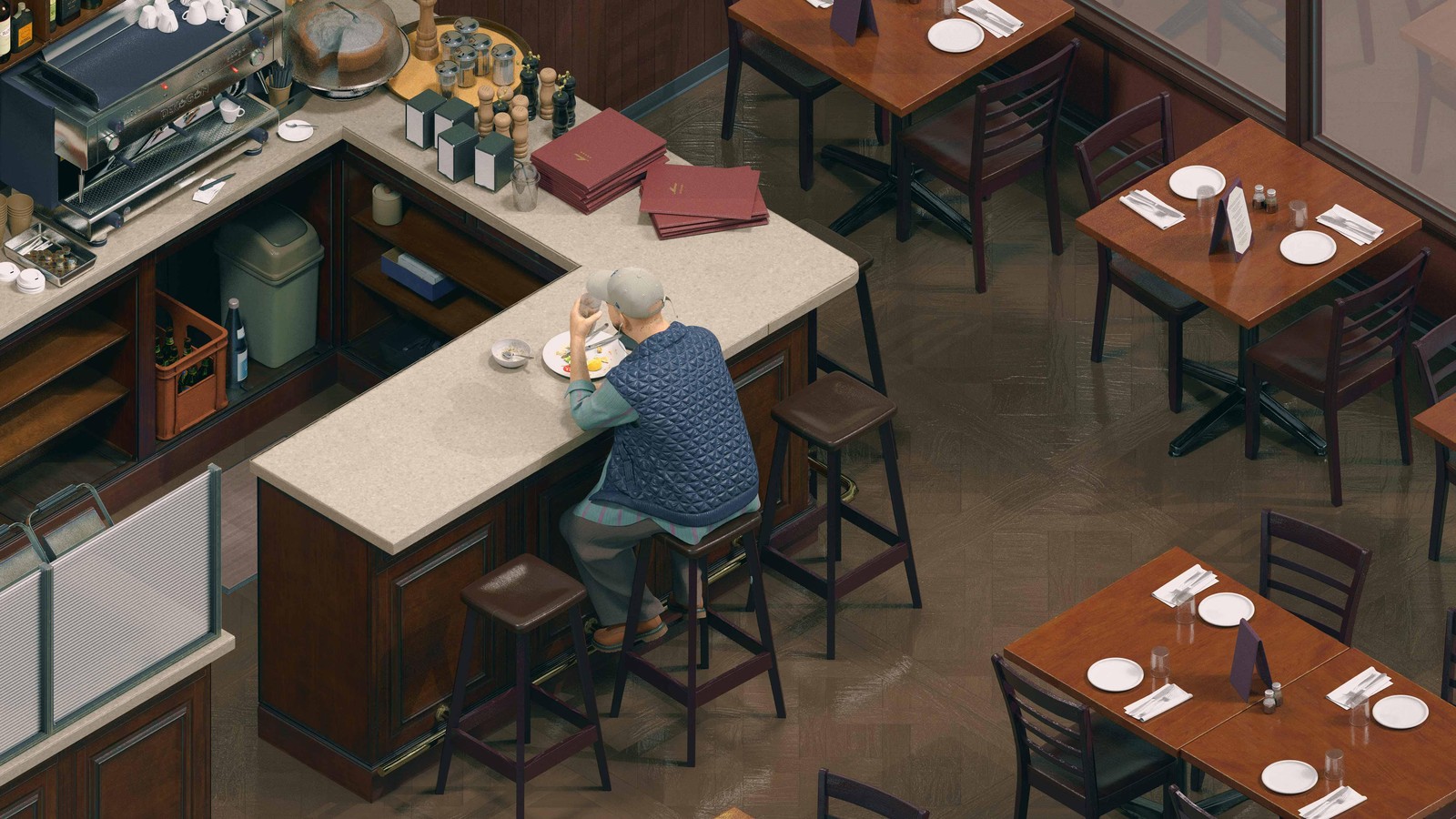
Sizzler and the Search for the American Dream
What does it really mean to be American, anyway?

The changing nature of America’s irreligious explained
Americans are increasingly choosing not to identify with any religious tradition. But this group of irreligious people is a complex one – with different relationships to religion.
Only 1% of Americans Do This Essential Daily Habit
Only 3% of Americans have written goals.

Pluralistic: American education has all the downsides of standardization, none of the upsides (16 Jan 2024) – Pluralistic: Daily links from Cory Doctorow
We moved to America in 2015, in time for my kid to start third grade. Now she's a year away from graduating high school (!) and I've had a front-row seat for the US K-12 system in a district rated as one of the best in the country. There were ups and downs, but high school has been a monster.
Cognitive Farmsteading
The message of the AI medium is intellectual rural domesticity

American Schools Are Training Kids for a World That Doesn't Exist
Being dumb in the existing educational system is bad enough. Failing to create a new way of learning adapted to contemporary circumstances might be a national disaster.

Homebound: The Long-Term Rise in Time Spent at Home Among U.S. Adults
The changes in daily life induced by the COVID-19 pandemic brought renewed attention to longstanding concerns about social isolation in the United States. Despite the links between the physical setting for individuals' daily lives and their connections with family, friends, and the various institutions of collective life, trends in where American adults spend their time have been largely overlooked as researchers have focused on how and with whom they spend their time. This article analyzes data from the American Time Use Survey over a timeframe spanning nineteen years and argues that the changes in Americans' daily routines induced by the COVID era should be seen as an acceleration of a longer-term trend: the rise of time spent at home. Results show that from 2003 to 2022, average time spent at home among American adults has risen by one hour and 39 minutes in a typical day. Time at home has risen for every subset of the population and for virtually all activities. Preliminary analysis indicates that time at home is associated with lower levels of happiness and less meaning, suggesting the need for enhanced empirical attention to this major shift in the setting of American life.