

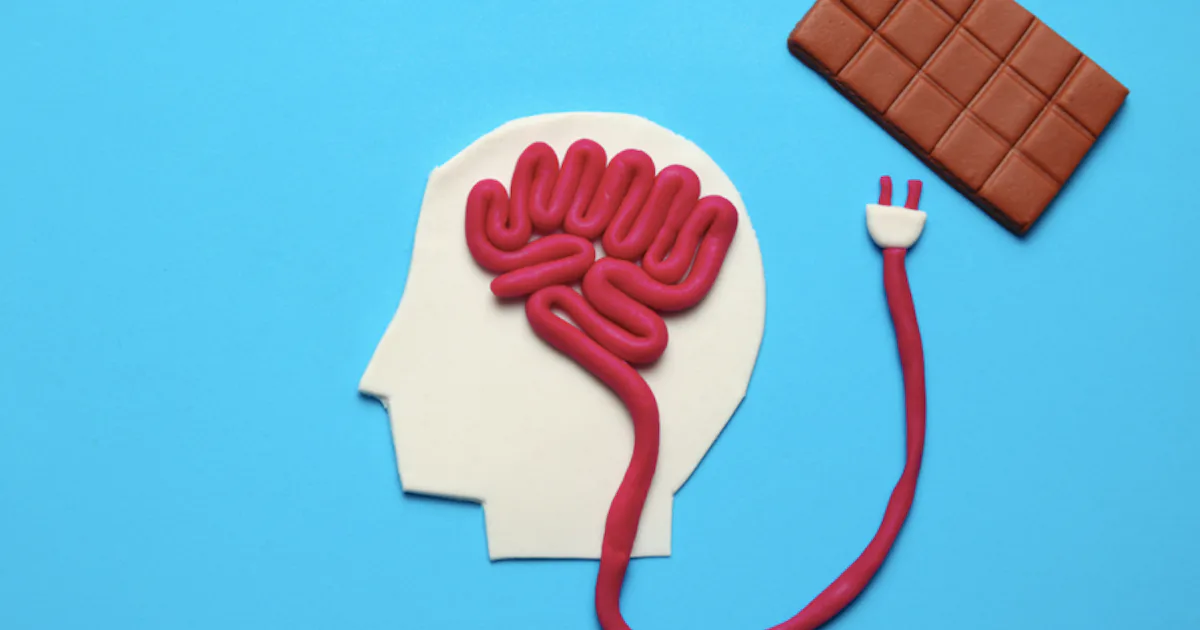
Researchers discovered a novel gut-brain axis, explaining why humans possess a craving to consume sugar.
Think Twice: How the Gut's "Second Brain" Influences Mood and Well-Being
The emerging and surprising view of how the enteric nervous system in our bellies goes far beyond just processing the food we eat
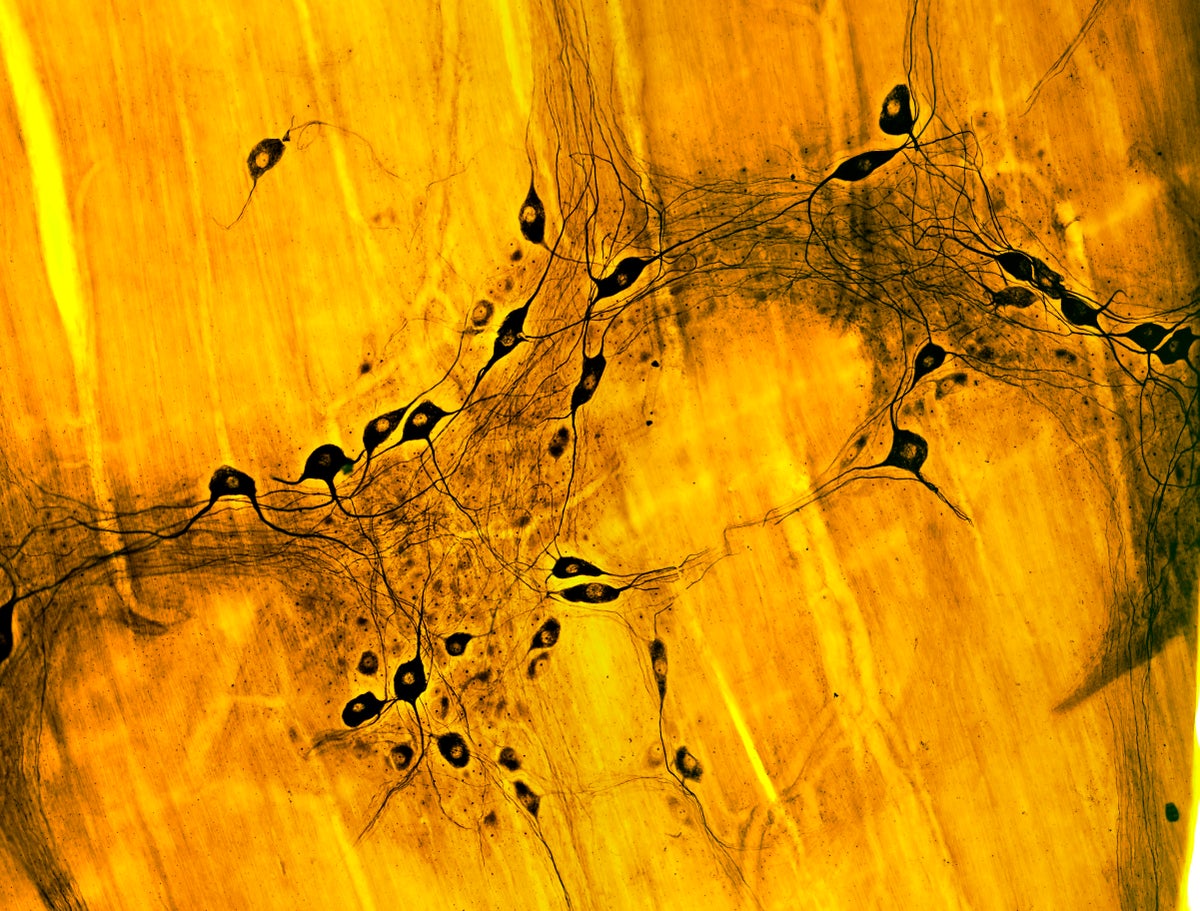
Got food cravings? What’s living in your gut may be responsible
A new Pitt study shows that the gut microbiome of mice influences their preferred diet. The results, researchers say, could apply to humans, too.

How Gut Bacteria Tell Their Hosts What to Eat
By suppressing or increasing cravings, microbes help the brain decide what foods the body “needs”

Psychobiotics & the Gut-Brain Connection | Qualia
Explore the fascinating world of psychobiotics and the gut-brain connection. Uncover the influence of gut health on mental well-being and cognition.

Sugar 'has similar effect on brain as cocaine'
Withdrawal from chronic sugar consumption would be similar to going 'cold turkey' from drugs, say Australian scientists
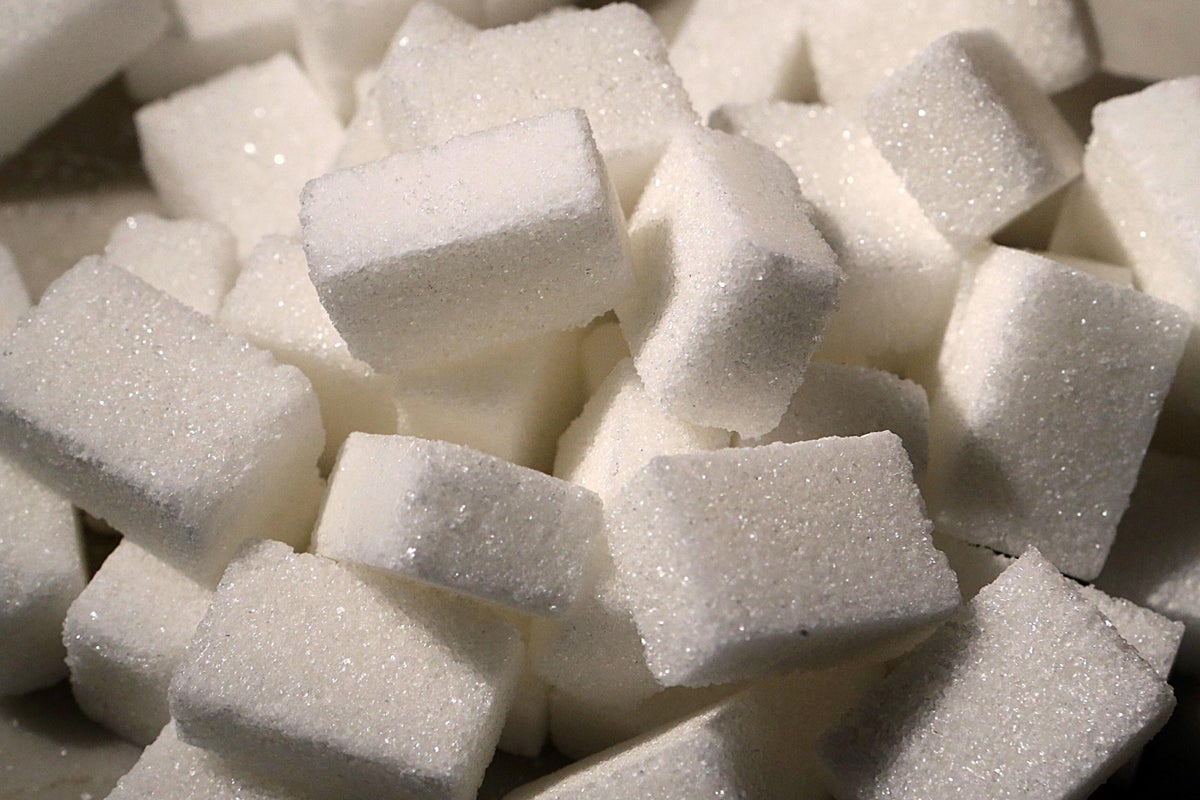
Is Sugar Toxic? (Published 2011)
That it makes us fat is something we take for granted. That it might also be making us sick is harder to accept.

Psychiatry and Inflammatory Conditions
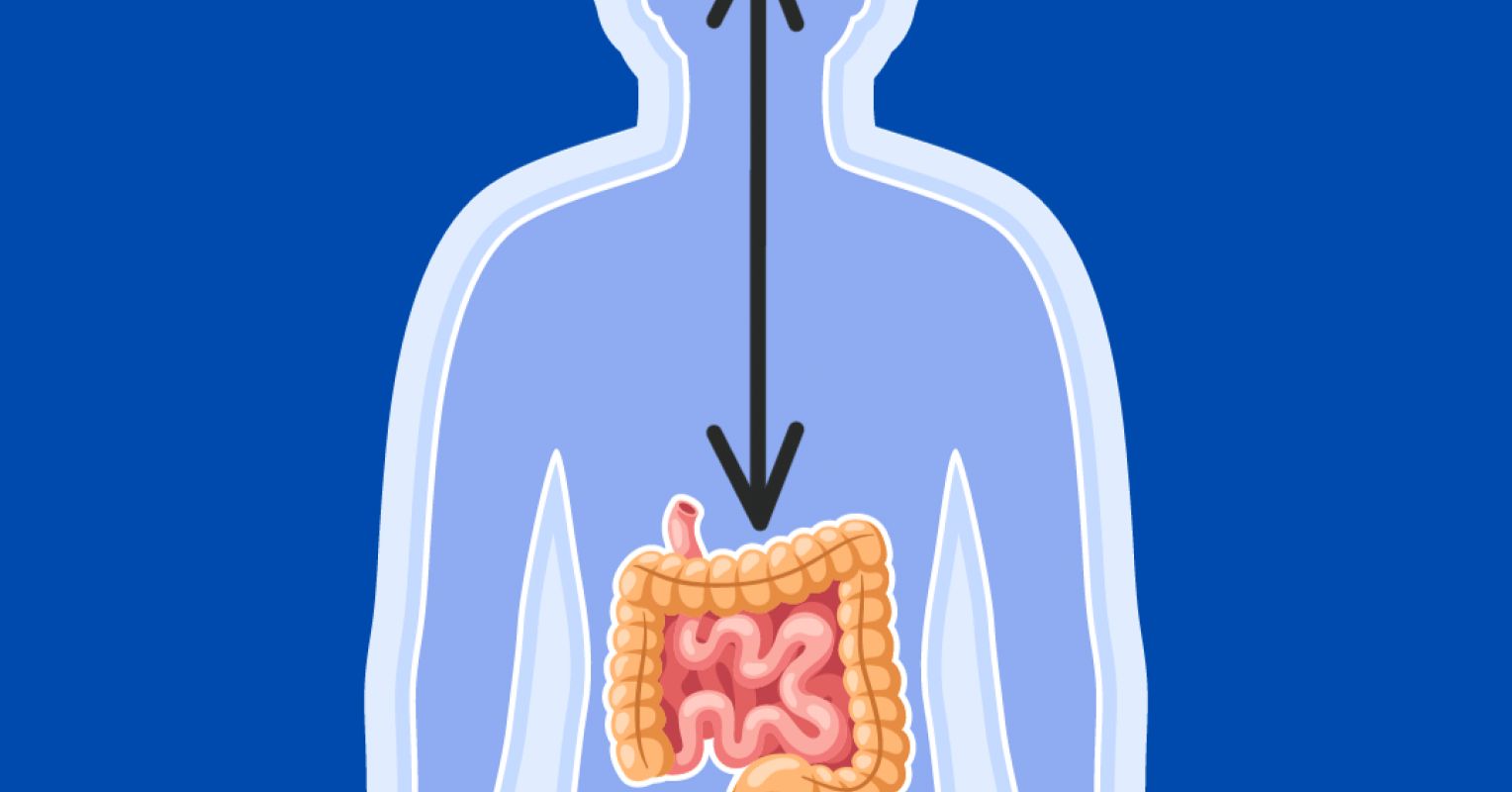
Diet and gut health are essential components of mental health, and the gut-brain axis has progressed from an esoteric concept to a popular one.
It’s the Sugar, Folks
A new study shows solid links between added sugar and the onset of diabetes.

The Extraordinary Science of Addictive Junk Food (Published 2013)
Inside the hyperengineered, savagely marketed, addiction-creating battle for American “stomach share.”

Gut Bacteria Might Guide The Workings Of Our Minds
Anxious mice calm down when they get an infusion of gut microbes from mellow mice. That has scientists wondering if gut microbes play a role in the human brain, too. Research on that is only just beginning. But it's intriguing to think there could be a real truth to the phrase "gut feelings."

Our second brain: More than a gut feeling
You don’t need a degree in neuroscience to suspect that the brain and gut are somehow connected. The feeling of “butterflies” in our stomach when we prepare to give a presentation, stress-induced stomach ulcers, emotional eating, and even our intuition showing up in the form of a “gut feeling,” all provide clues that the brain and gut are talking to each other.
How the Brain Uses Glucose to Fuel Self-Control
The brain requires tons of energy—and new experiments show how low glucose levels and self-control issues are connected.

Researchers link brain memory signals to blood sugar levels
A set of brain signals known to help memories form may also influence blood sugar levels, finds a new study in rats.

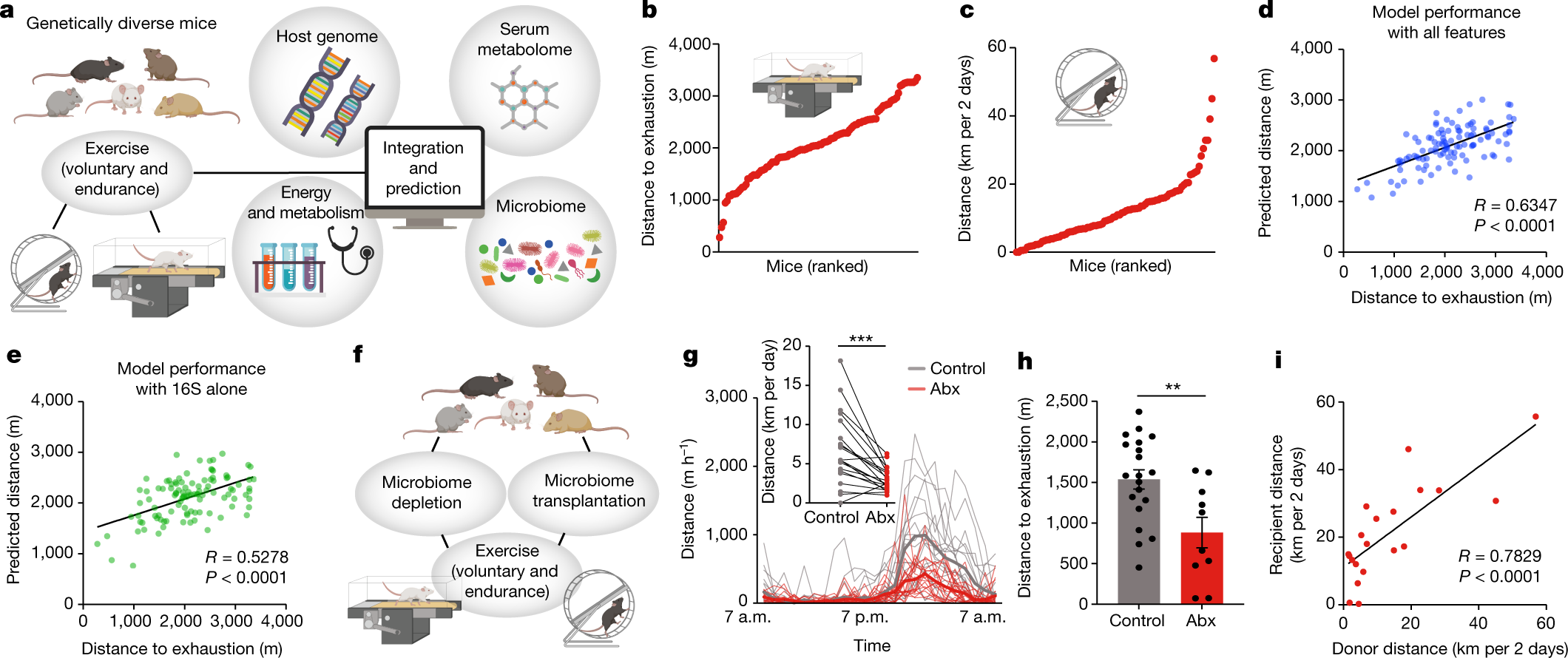
A microbiome-dependent gut–brain pathway regulates motivation for exercise
Exercise exerts a wide range of beneficial effects for healthy physiology1. However, the mechanisms regulating an individual’s motivation to engage in physical activity remain incompletely understood. An important factor stimulating the engagement in both competitive and recreational exercise is the motivating pleasure derived from prolonged physical activity, which is triggered by exercise-induced neurochemical changes in the brain. Here, we report on the discovery of a gut–brain connection in mice that enhances exercise performance by augmenting dopamine signalling during physical activity. We find that microbiome-dependent production of endocannabinoid metabolites in the gut stimulates the activity of TRPV1-expressing sensory neurons and thereby elevates dopamine levels in the ventral striatum during exercise. Stimulation of this pathway improves running performance, whereas microbiome depletion, peripheral endocannabinoid receptor inhibition, ablation of spinal afferent neurons or dopamine blockade abrogate exercise capacity. These findings indicate that the rewarding properties of exercise are influenced by gut-derived interoceptive circuits and provide a microbiome-dependent explanation for interindividual variability in exercise performance. Our study also suggests that interoceptomimetic molecules that stimulate the transmission of gut-derived signals to the brain may enhance the motivation for exercise.
Want to Create (and Maintain) a New Habit? Science Says Harness the Power of ‘Temptation Bundling’
Want to create a new habit? Temptation bundling provides the incentive and the motivation.

We May Have Just Found The Hormone That Lets Gut Bacteria Talk to The Brain
Important clue for solving the mystery.
