A connected society is one in which we care about how others are doing and, in turn, others look out for our wellbeing. It is the state and public services
Loneliness epidemic
The concept of a "loneliness epidemic" relating to rising rates of social isolation was first described in the 2000s. Robert D. Putnam's 2000 study Bowling Alone was an early instance of describing loneliness as an epidemic, arguing that decreased participation in civic life and community groups was weakening social bonds in the United States.[5]
Researchers Confront an Epidemic of Loneliness (Published 2016)
Social isolation is linked to physical illness and to functional and cognitive decline. Programs to reach out to the elderly are growing, particularly in Britain.

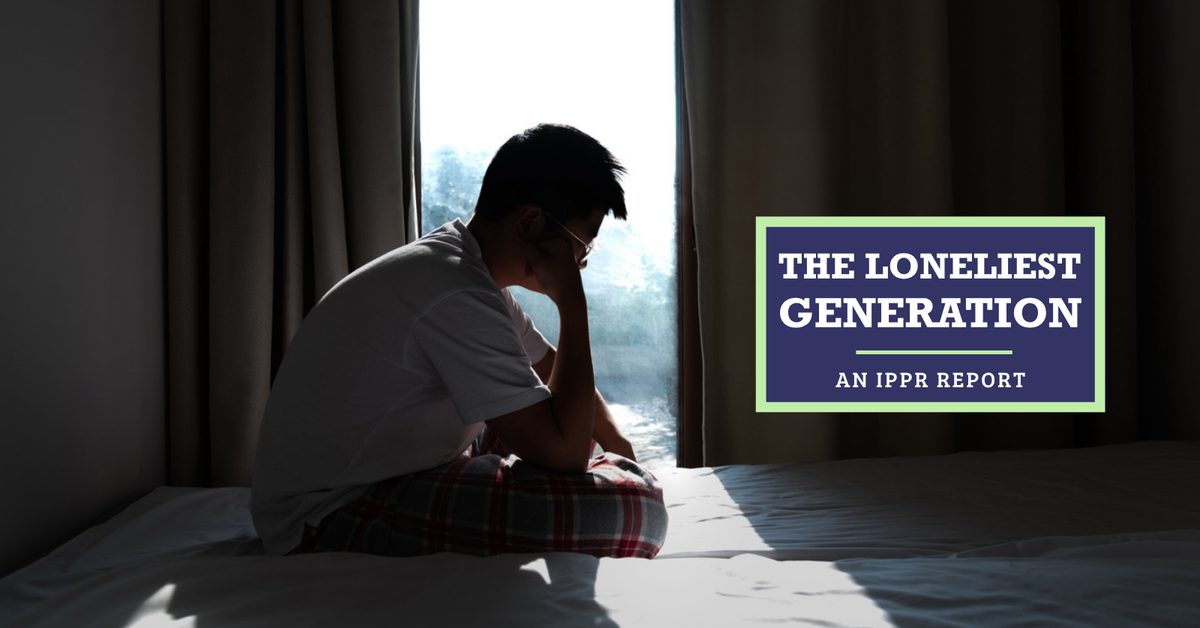
Young people five times more likely to have no friends than a decade ago | IPPR
The number of young people with no close friends has increased five-fold since 2014Gen Z are more isolated, more distressed and less productive than previo

Solitude and Leadership - The American Scholar
If you want others to follow, learn to be alone with your thoughts

What is Causing Our Epidemic of Loneliness and How Can We Fix It?
Researchers share what Americans have to say about social disconnection and potential solutions

How we can solve loneliness in America
An expert in loneliness says the U.S. is in a new "social frontier." Here's how we can cope

Nowhere to Go: The Loss of Third Places
A quote from 1984
In the long run, a hierarchical society was only possible on a basis of poverty and ignorance.

Commoning as a Transformative Social Paradigm | David Bollier
Every so often I am invited to write a piece that in effect answers the question, “Why the commons?” I invariably find new answers to that question each time that I re-engage with it. My latest attempt is an essay, “Commoning as a Transformative Social Paradigm,” which I wrote for the Next System Project as part of its series of proposals for systemic alternatives.
The world’s happiest people have a beautifully simple way to tackle loneliness
Toad, a 20-year-old Danish woman living in Copenhagen, has been lonely her whole life. She is autistic, and as a child, did not have any friends. When she moved from the country to the city, not much changed. “They says it’s a phase, but a phase becomes a life,” she says, surrounded by six other young adults in a cozy apartment in Copenhagen—all of whom are working on becoming less lonely.

How Social Isolation Is Killing Us (Published 2016)
Research confirms our deepest intuition: Human connection lies at the heart of human well-being.

McDonald's: you can sneer, but it's the glue that holds communities together
When many lower-income Americans feel isolated and empty, they yearn for physical social networks. All across US, this happens organically at McDonald’s