米ジョージア工科大学やミシガン大学などに所属する研究者らが発表した論文「Learning by Chatting? Investigating the Impact of Generative AI on Information Seeking and Learning」は、AIチャットbotと検索エンジンではどちらが学習効果が高いかを検証した研究報告だ。
The ChatGPT effect: In 3 years the AI chatbot has changed the way people look things up
ChatGPT has dramatically altered how people retrieve information, muscling aside Google search as the first stop on the hunt for answers.

The ChatGPT effect: In 3 years the AI chatbot has changed the way people look things up
ChatGPT has dramatically altered how people retrieve information, muscling aside Google search as the first stop on the hunt for answers.
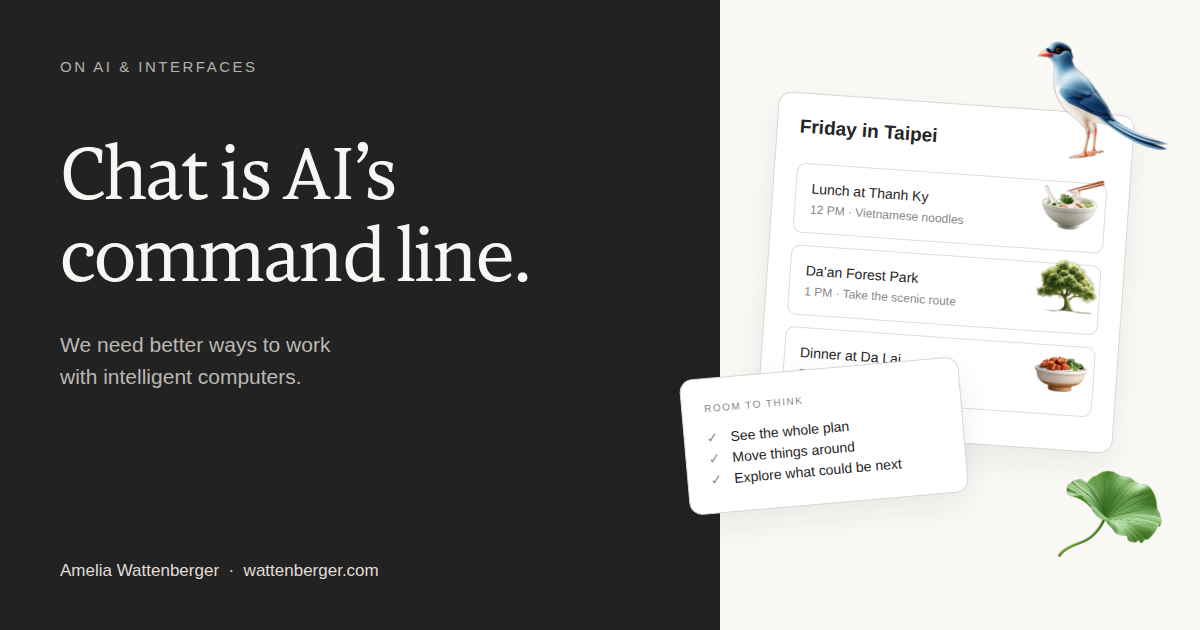
ChatGPT talks too much and it’s ruining learning
How the UX of AI chat can hijack our brains to compromise learning in schools and beyond

ChatGPT Is a Gimmick
AI offers a tempting illusion to students—and evidently to some teachers.
ChatGPT acts as a "cognitive crutch" that weakens memory, new research suggests
A recent experiment provides evidence that relying on artificial intelligence to study tends to reduce how much information students remember weeks later.
Learning by Chatting? Investigating the Impact of Generative AI on Information Seeking and Learning
Generative AI (GenAI) tools offer increasing opportunities for augmenting human cognitive tasks. Among these tasks, information seeking is being rapidly reshaped by GenAI tools, with potentially profound implications for learning and knowledge acquisition. To investigate these implications, we conducted a between-subjects field experiment in which participants pursued informal learning by seeking information through either ChatGPT or Google Search over a span of 8 days. Using a daily diary protocol, we gathered in-situ data on their information-seeking processes. Our findings show that participants in the ChatGPT group experienced diminished agency in their information-seeking processes, as they offloaded much of the information selection to AI, and consequently experienced greater meta-cognitive load arising from this reduced sense of control. We further highlight two sources of distortion in information access when using ChatGPT: biases in ChatGPT outputs, particularly towards providing solution-oriented artifacts over principled knowledge; and systematic shifts in users' information-seeking behaviors, whereby the conversational and socially-oriented interaction paradigm of current GenAI tools may inadvertently reduce exploration of the broader knowledge space. As a result, on average, participants in the ChatGPT group had worse learning outcomes than those using Google, especially for higher-order critical learning. Our work suggests inherent tensions between offloading information seeking to AI and meaningful learning, and provides broader implications for understanding AI's risks to human cognition.

Learning by Chatting? Investigating the Impact of Generative AI on Information Seeking and Learning
Generative AI (GenAI) tools offer increasing opportunities for augmenting human cognitive tasks. Among these tasks, information seeking is being rapidly reshaped by GenAI tools, with potentially profound implications for learning and knowledge acquisition. To investigate these implications, we conducted a between-subjects field experiment in which participants pursued informal learning by seeking information through either ChatGPT or Google Search over a span of 8 days. Using a daily diary protocol, we gathered in-situ data on their information-seeking processes. Our findings show that participants in the ChatGPT group experienced diminished agency in their information-seeking processes, as they offloaded much of the information selection to AI, and consequently experienced greater meta-cognitive load arising from this reduced sense of control. We further highlight two sources of distortion in information access when using ChatGPT: biases in ChatGPT outputs, particularly towards providing solution-oriented artifacts over principled knowledge; and systematic shifts in users' information-seeking behaviors, whereby the conversational and socially-oriented interaction paradigm of current GenAI tools may inadvertently reduce exploration of the broader knowledge space. As a result, on average, participants in the ChatGPT group had worse learning outcomes than those using Google, especially for higher-order critical learning. Our work suggests inherent tensions between offloading information seeking to AI and meaningful learning, and provides broader implications for understanding AI's risks to human cognition.
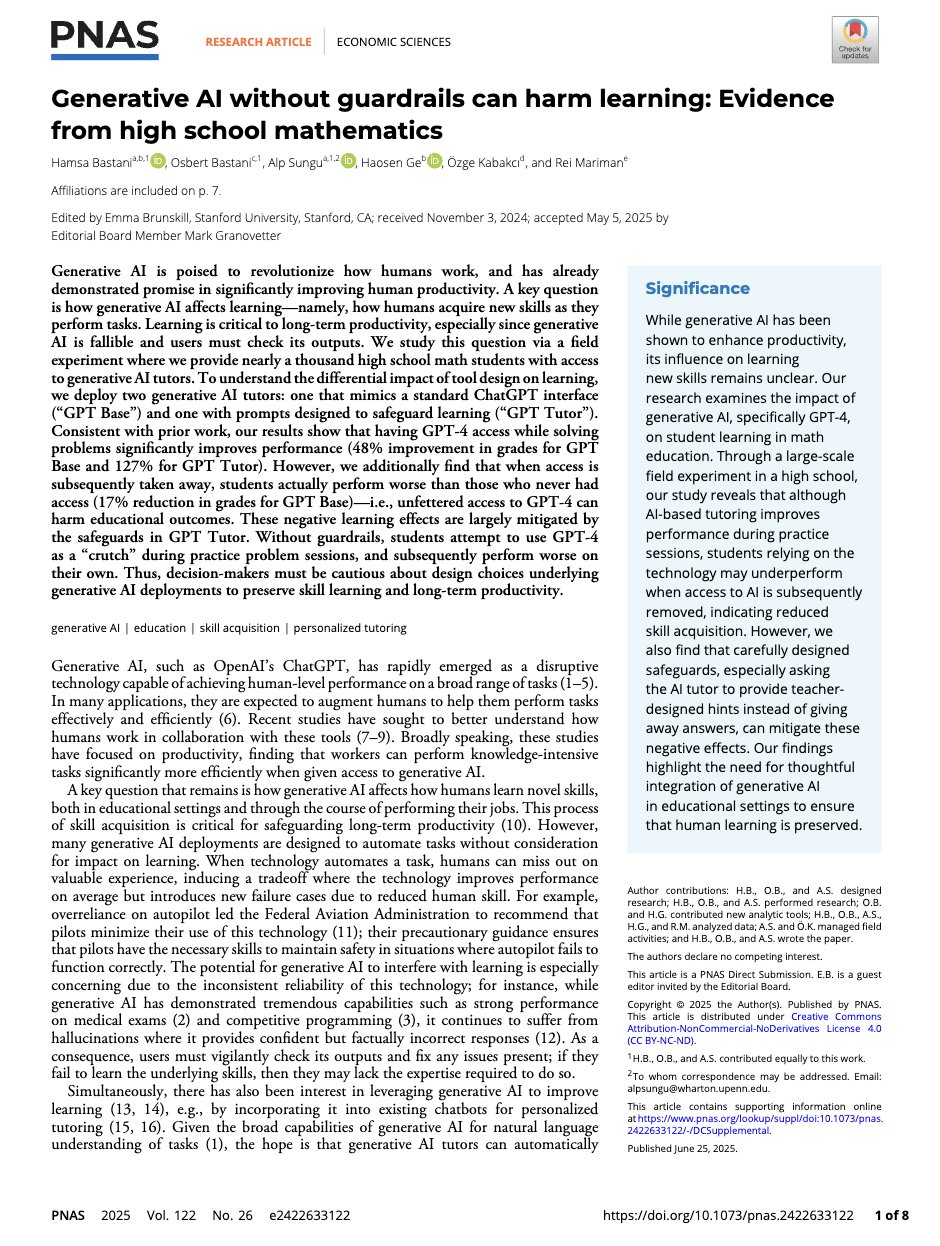
Jay Van Bavel, PhD on Twitter / X
Giving students unfettered access to chatbots can harm educational outcomesHaving AI access while solving problems significantly improves performance (48% improvement in grades for GPT Base and 127% for GPT Tutor).However, when access to AI was taken away, students actually… pic.twitter.com/2g8GJcoRya— Jay Van Bavel, PhD (@jayvanbavel) July 18, 2026
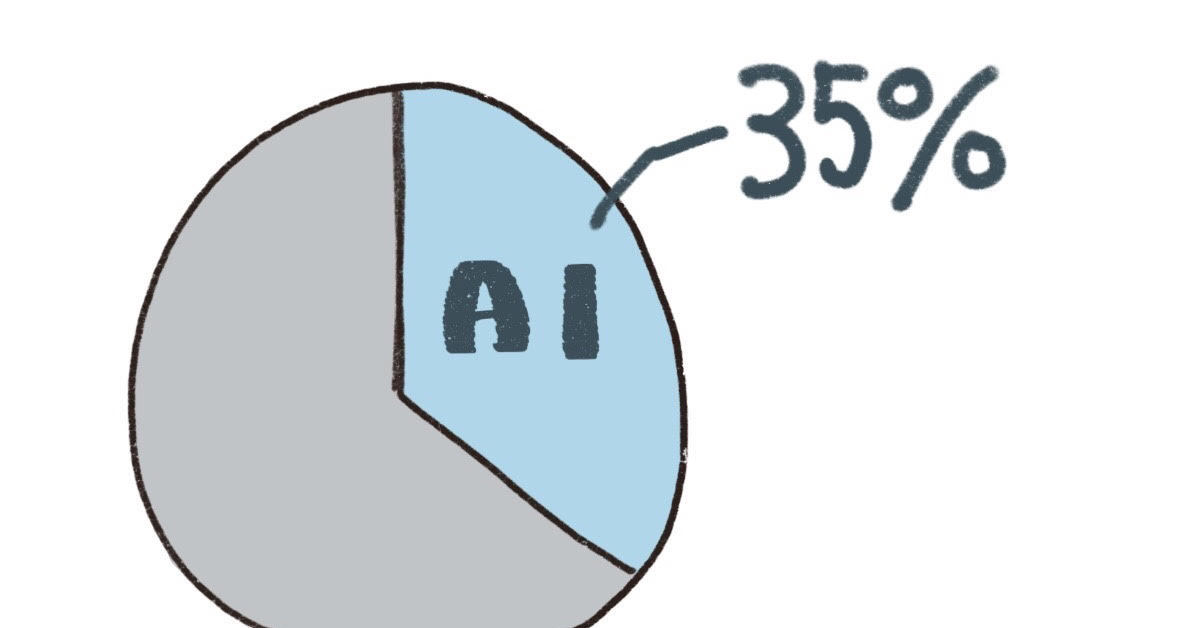
“ChatGPT以後”に公開のWebサイト、35%がAI生成に? 米スタンフォード大などが調査 広まる「不自然に明るい文章」
英インペリアル・カレッジ・ロンドンや米国の非営利団体Internet Archive、米スタンフォード大学に所属する研究者らが発表した論文「The Impact of AI-Generated Text on the Internet」は、インターネット上のAI生成テキストの割合と、それがもたらす真の影響を明らかにした研究報告だ。
ChatGPT isn’t the only chatbot pulling answers from Elon Musk’s Grokipedia
Google’s Gemini, AI Mode, and AI Overviews, Perplexity, and Microsoft are starting to cite Musk’s Wikipedia knockoff.

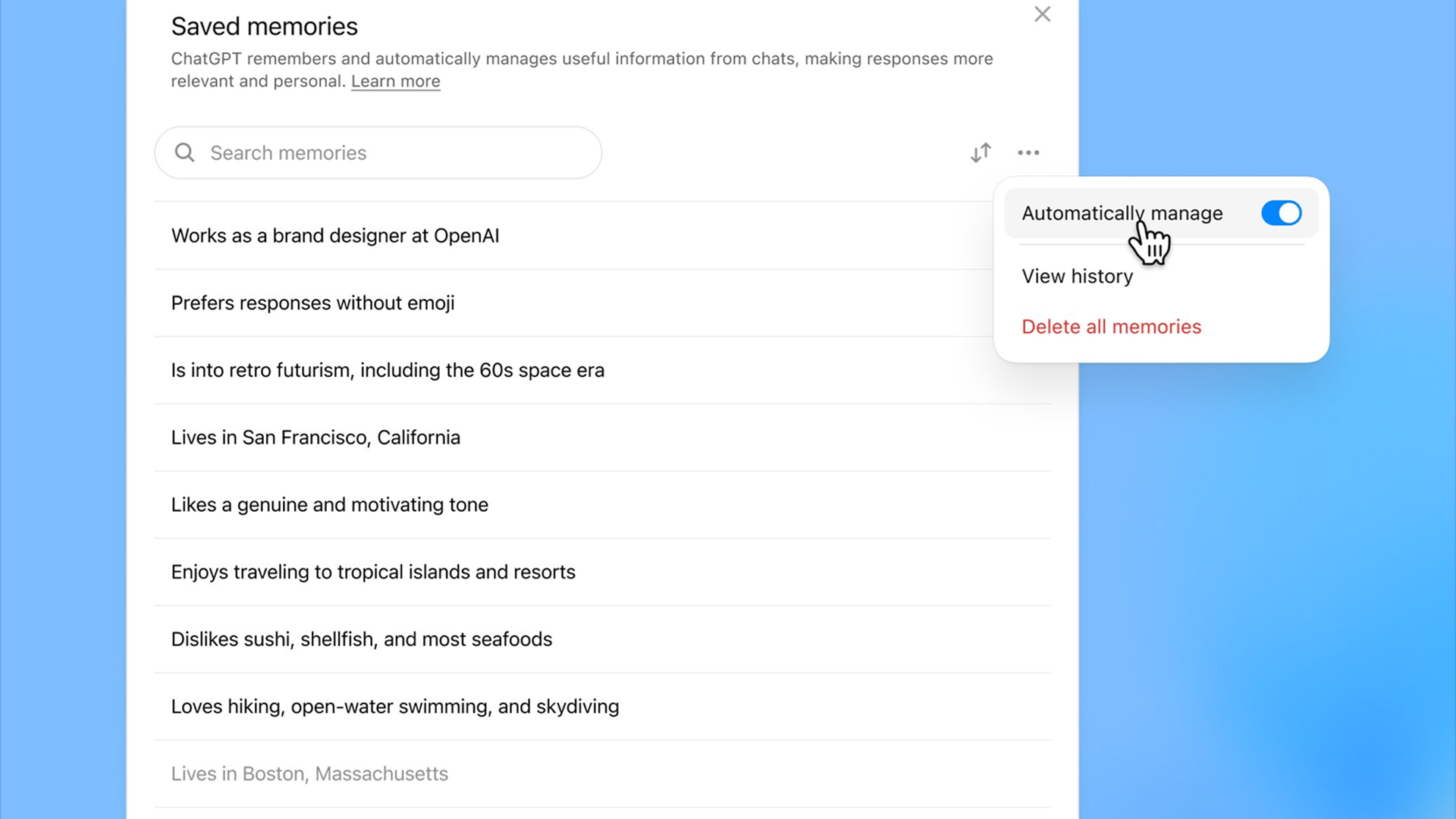
ChatGPT is smarter now that it's learned to forget - a huge memory upgrade is coming
The AI chatbot will remember what matters most and quietly let the rest fade
On-screen and now IRL: FSU researchers find evidence of ChatGPT buzzwords turning up in everyday speech
Within five days of ChatGPT’s release in 2022, the artificial intelligence chatbot gained more than a million users. Today, more than half of all adults

What do Britons think AI chatbots are good at?
Britons see chatbots like ChatGPT and DeepSeek as good at sums, style and general knowledge, but think they would be bad at tackling emotional issues

ChatBots Explained: Not Conscious, No Revolution — Just Searching's Next Step