
Learn what open innovation is and how it benefits companies. Explore real examples and see what tools can help you innovate through external collaboration.
6 Internal Sources of Innovation | ITONICS
Discover 6 key internal sources of innovation with real company examples. Learn how leadership, R&D, labs, and employees can drive new product ideas.

A Framework of Open Practices
This is the second in a series of posts describing findings from industry research into best practices around open, collaborative methods…
Pitfalls and chances in creating optimal conditions for openness and collaboration in science
Marion Poetz on what it takes to foster innovation in Science and how to make it more interesting for companies and organizations.

The Best Innovation Process - Definition, Steps and Examples
The best innovation processes are structured, repeatable, and suited to their context. Discover 6 real-world examples of how companies innovate.

6 steps to perfecting an open source product strategy
The future of building great products lies in breaking down the boundaries between business and technical thinking.

Ecosystem Mapping — Open Tech Strategies | Blog
All the power of open source comes from throwing in with your neighbors, even the neighbors you don't like very much. For most projects, the main reason to get involved in open source is to create productive relations with as many participants as possible, including rivals. Doing this well requires understanding who is in your ecosystem and how they relate to each other.
The next wave in software is open adoption software | TechCrunch
There’s a big shift happening in how enterprises buy and deploy software. In the last few years, open technology -- software that is open to change and free to adopt -- has gone from the exception to the rule for most enterprises. We’ve seen the IT stack redrawn atop powerful open-source projects, with developers opting for an “open-first” approach to building solutions.

Setting an Open Source Strategy
The majority of companies that use open source understand its business value and identify its advantages in efficiency, flexibility, interoperability, and speed of innovation. Yet only half of these companies report practicing basic open source management, such as community development, code maintenance, and the like, according to the latest Future of Open Source survey.
The Open Organization Definition
Openness is becoming increasingly central to the ways groups and teams of all sizes are working together to achieve shared goals. And today, the most forward-thinking organizations—whatever their missions—are embracing openness as a necessary orientation toward success. They've seen that openness can lead to:
Open Source Explained — Open Indie
Musings on the concept of ‘open source’, in the broadest possible definition of the term. Also an invitation to become a participant in ...
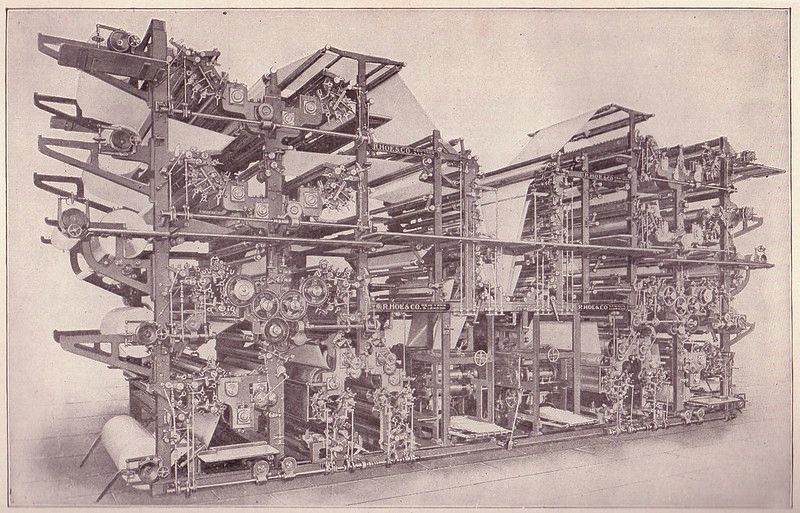
The Rise of OPEN Innovation: The 3P’s for Building a Durable Open Software Company
Accel recently hosted more than 100 of the top open source executives and thought leaders for a full-day event covering the next wave of…

Why open source: 25 reasons to embrace it | Ben Balter
Open source isn't a fad. Here are twenty-five economic, moral, and personal reasons your organization should embrace it.
Fueling Open Source with Vibes & Money
Economists think Open Source is a business model. Devs know better, and fund it accordingly.

Reframing “Open Source AI” with Meredith Whittaker: AI Impact Summit 2026
From Open Source Software to Open Source Strategy
How the Smartest Executives Are Using Open Source Techniques to Optimize Corporate Strategy

There is NO Open Source Business Model
Preface: It has been brought to my attention by friends and trusted advisors that a valid interpretation of my point below is that open…