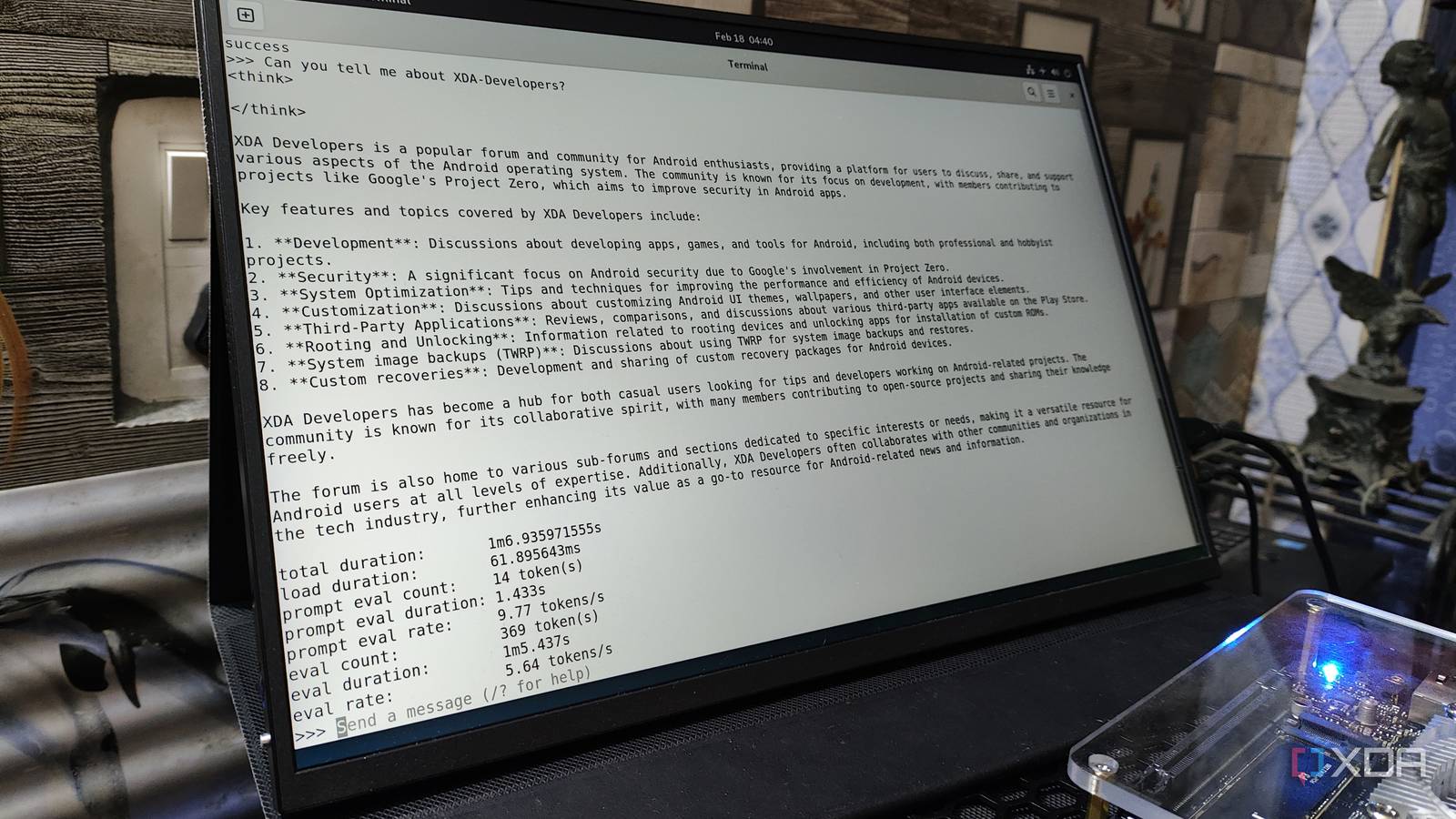
An exploration into customizing LLMs for personal use
Designing LLM interfaces: a new paradigm
Designing an interface for an LLM is deceptively complex. There are shared aspects with chat UIs, but it’s something completely different…

A Gentle Intro to Running a Local LLM
Open, small LLMs have gotten good enough that non-technical people can benefit from having a local chatbot on their machine.

The Bitter Lesson of LLM Extensions
From ChatGPT Plugins to Agent Skills, a look at how we've been trying (and failing) to extend LLMs for the last three years.
5 ways I use a self-hosted LLM to help me be more organized and more productive
When used right, a local LLM is one of the best tools anyone can have in their arsenal.

Guardian Angels: LLM Personalization for Productivity and Security
I propose an approach for highly personalized LLMs, for near-future productivity gains and personal info/cybersecurity against increasingly powerful LLMs: they should, in the spirit of uploading, try to emulate the user’s values and preferences in order to amplify the principal—not replace them. I discuss a package of techniques and proposals to accomplish such ‘guardian angels’; dynamic evaluation of LLMs combined with active learning and elicitation and heavy inner-monologue search/data-augmentation.

How to write it like you told it
What do you say to someone who wants to write but struggles with writing and is tempted to use an LLM-based chatbot?

The scientific case for being nice to your chatbot
New research confirms that LLMs often perform better when you encourage them. But why?
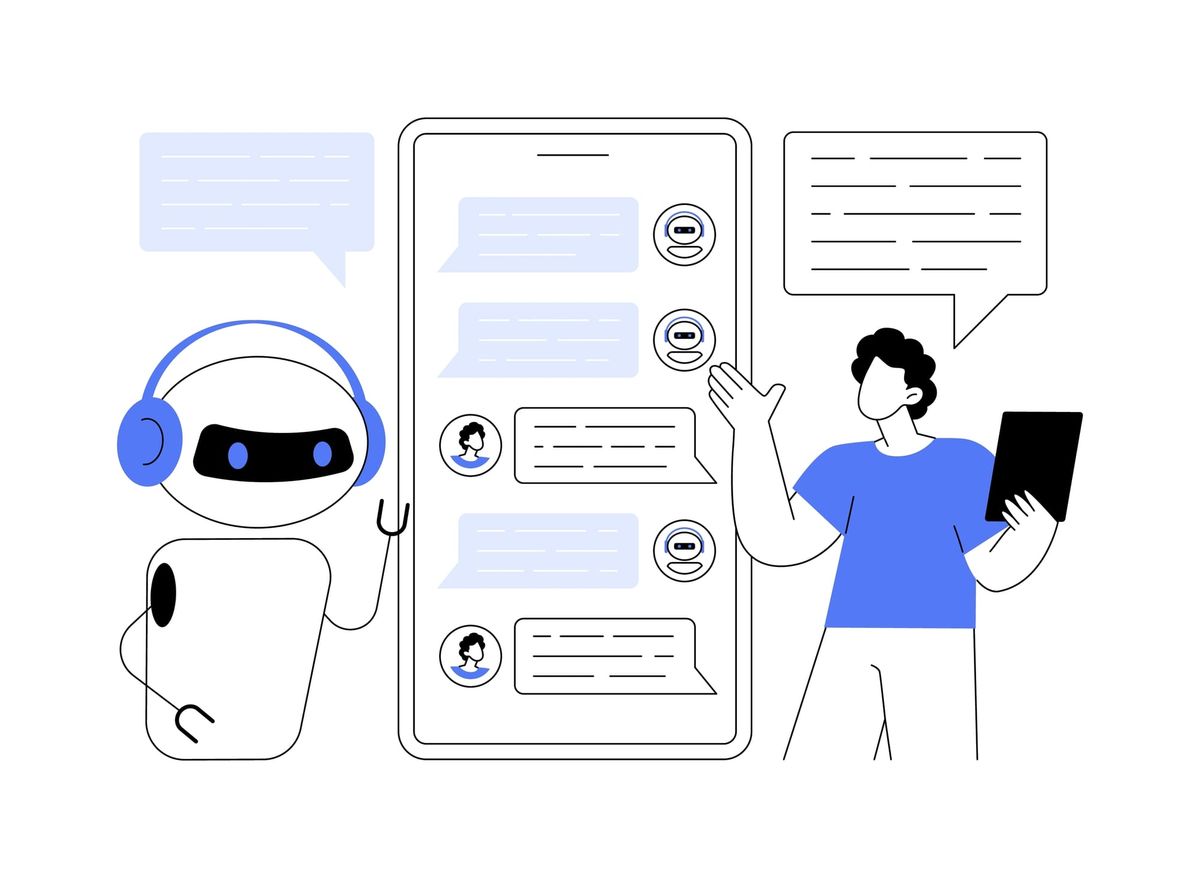
The AI summer — Benedict Evans
Hundreds of millions of people have tried ChatGPT, but most of them haven’t been back. Every big company has done a pilot, but far fewer are in deployment. Some of this is just a matter of time. But LLMs might also be a trap: they look like products and they look magic, but they aren’t. Maybe we ha

Isn't the fundamental problem that LLM's don't actually understand anything (as ... | Hacker News
My 2 month active experience with ChatGPT-4 gave me the following takeaways:
Large language model
A large language model (LLM) is a neural network trained on a vast amount of text for natural language processing tasks, especially language generation. LLMs can typically generate, summarize, translate, and analyze text in many contexts, and are a foundational technology behind modern chatbots.[1] Biased or inaccurate training data can make an LLM's output less reliable.[2]
The LLM Problem
So far I’ve had nothing to say about the LLM chatbot frenzy. My understanding of the technology is shallow and I’ve no sense for its functional envelope, and lots of other people have had smart things to say. I hadn’t even conversed with any of the bots. But I fell off the wagon a few days ago and put time into GPT3 and (especially) the new GPT4-based Bing chat. I got off Bing’s waitlist a few days before the recent general availability, so I have more hands-on than most people. Plus I caught up on background reading. So, question: Are LLMs dangerous distractions or are they a glowing harbinger of a bright future? (Spoiler: I’m dubious but uncertain.)


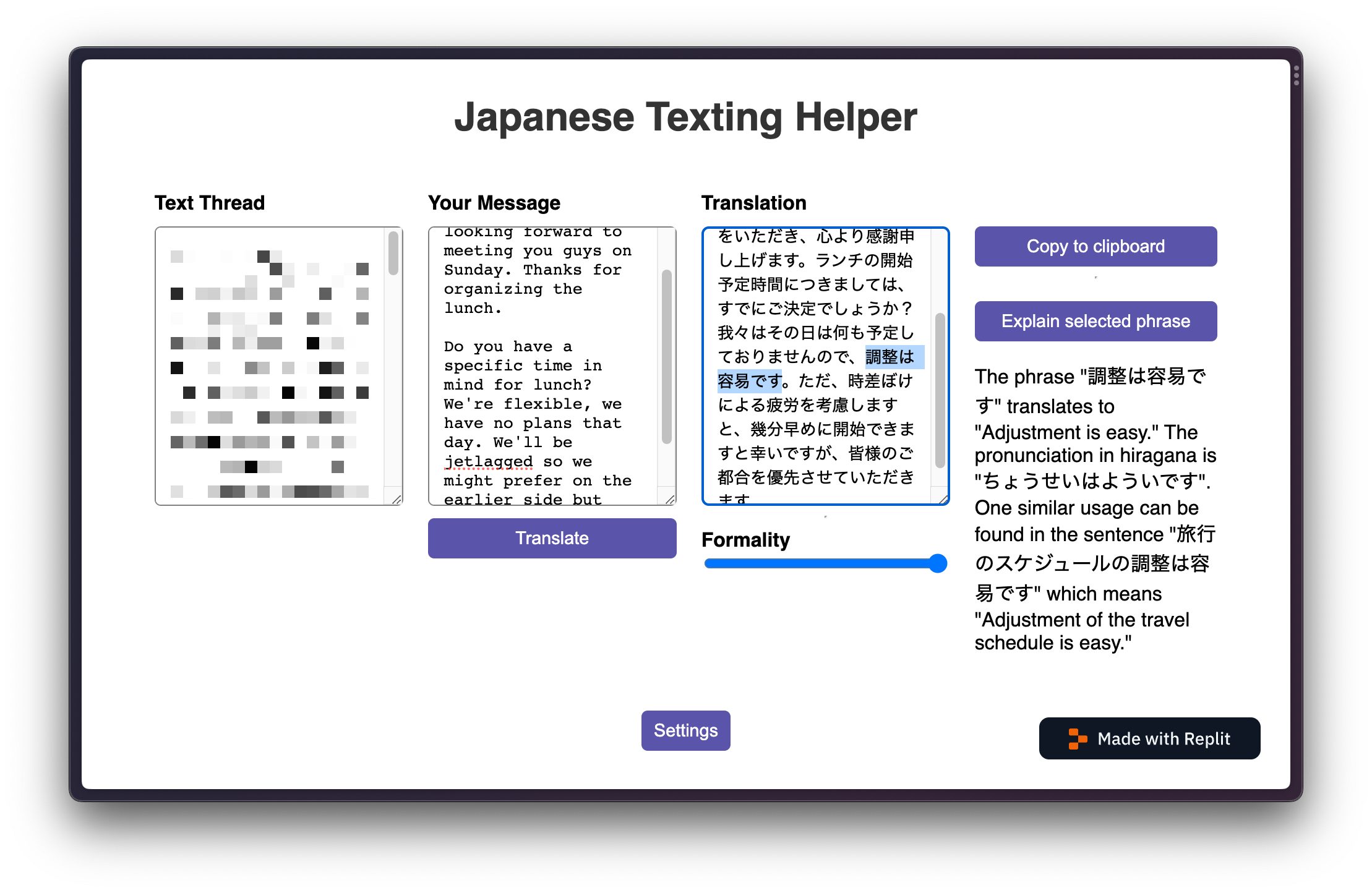
Codifying a ChatGPT workflow into a malleable GUI
Wouldn't it be neat if you could use LLMs to create little personal utility apps as the need arises? Here's a story where I did just that...
Texting a Random Stranger Better for Loneliness Than Talking to a Chatbot, Study Shows
A newly published study of how college students interact with chatbots and human strangers showed talking to a random person offers more connection than an LLM.

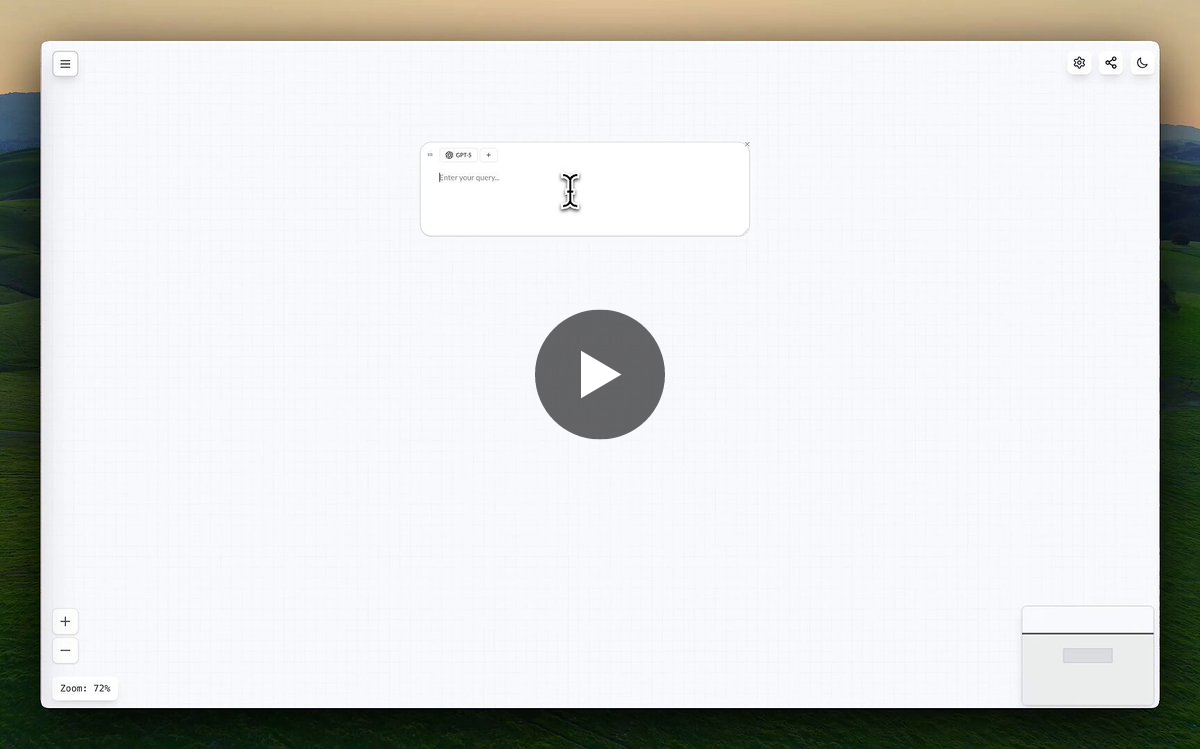
maxleedev on Twitter / X
current chat interfaces suck, so i built a canvas for llms https://t.co/s0vAq0g8aH pic.twitter.com/94RvYgIrGV— maxleedev (@maxleedev) September 2, 2025
I don't pay for ChatGPT, Perplexity, Gemini, or Claude – I stick to my self-hosted LLMs instead
There's no point in relying on AI tools when my local LLMs can handle everything