


Fewer than one in five people with multiple body systems impacted experience sustained improvement within three years of infection, a study found.
People With Multisystem Long Covid See Lower Recovery, Research Finds
People whose long Covid affects multiple body systems are far less likely to improve than overall recovery estimates suggest, with fewer than one in five experiencing sustained improvement within three years of infection, according to a US study.
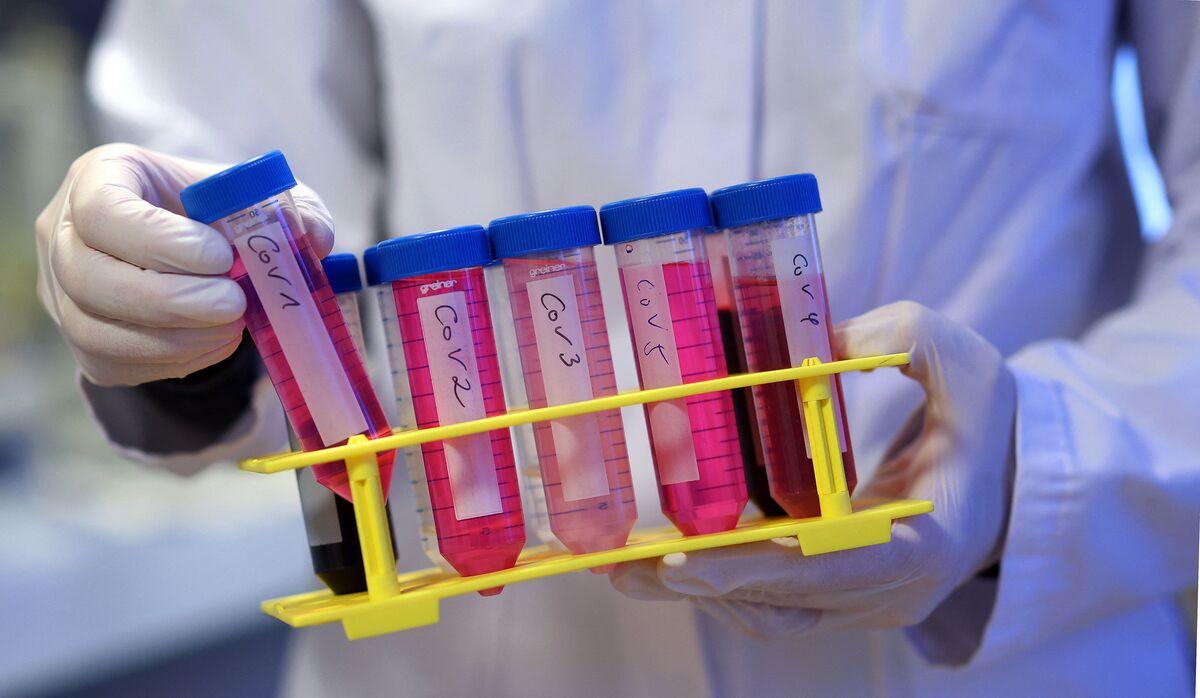
Timing of Long COVID Improvement in Prospectively Followed RECOVER-Adult Participants
Background: Long COVID (LC) is widespread; however, limited information has been reported on the likelihood that symptoms remit over time. Objective: To evaluate the likelihood of improvement among persons with likely LC. Design: Prospective, multisite cohort study (RECOVER-Adult [Researching COVID to Enhance Recovery]). Setting: 83 U.S.-based sites across 33 states; Washington, DC; and Puerto Rico. Participants: 1019 persons in RECOVER-Adult with likely LC (LC Research Index [LCRI] ≥11) 12 months after first SARS-CoV-2 infection. Measurements: The primary outcome was time until 2 consecutive study visits with LCRI less than 11. Secondary outcomes were time until LCRI measure reduced 50% or more and quality of life was good or better, and LCRI decreased to 0. Unadjusted estimates of cumulative incidence and adjusted marginal cumulative incidence by age, sex, SARS-CoV-2 wave, and LC subtype were reported across all follow-up time points. Results: An estimated 36.2% (95% CI, 33.0% to 39.5%) met the primary outcome by 24 months after infection, and 50.1% (CI, 46.1% to 54.0%) met the primary outcome by 36 months. An estimated 56.4% (CI, 52.2% to 60.4%) and 26.9% (CI, 23.3% to 30.5%), respectively, met the 2 secondary outcomes by 36 months. Among persons who still reported likely LC at 18 months and 24 months after first infection, relative timing of subsequent symptom improvement was similar. Limitation: Findings in this observational cohort are interpretable in a population with prevalent likely LC and do not address causal relationships between individual characteristics and symptom improvement. Conclusion: Among persons with likely LC 12 months after initial SARS-CoV-2 infection, one half experience meaningful reductions in symptoms by 36 months, whereas a quarter experience complete remission of symptoms. These findings underscore both the potential for natural recovery and the urgent need for placebo-controlled therapeutic intervention trials. Primary Funding Source: National Institutes of Health.
Almost a third of recovered Covid patients return to hospital in five months and one in eight die
Almost a third of recovered Covid patients will end up back in hospital within five months and one in eight will die, alarming new figures have shown. Research by Leicester University and the Office f...
New research shows younger and middle-aged adults have worse long COVID symptoms than older adults
New study from Northwestern Medicine finds symptoms occurred regardless of mild or severe COVID-19 infection

Vaccination Dramatically Lowers Long COVID Risk
Several new studies reveal that getting multiple COVID vaccine doses provides strong protection against lingering symptoms

COVID survivors at increased risk of long-term gastrointestinal conditions
Although people with severe COVID had highest risk, mild cases also upped risks.
Long COVID stemmed from mild cases of COVID-19 in most people
90% of people living with long COVID initially experienced only mild illness.
Researchers link Long COVID to another virus | NHK WORLD-JAPAN News
Researchers in Japan have released findings showing that COVID-19 after effects, including fatigue, occur when a coronavirus infection activates another virus already inside the body.

What Are COVID-19’s Long-Term Medical Effects?
Fascinating email from TPM Reader JO, whose personal bio is tailor-made for...

The CDC whispered this a year ago. “SARS-CoV-2 can have lasting effects on nearly every organ & organ system of the body weeks, months, & potentially years after infection. Documented serious post-Covid conditions include cardiovascular, pulmonary, neurological, renal, endocrin
The CDC whispered this a year ago. “SARS-CoV-2 can have lasting effects on nearly every organ & organ system of the body weeks, months, & potentially years after infection. Documented serious post-Covid conditions include cardiovascular, pulmonary, neurological, renal,… pic.twitter.com/xkSStj51y2— Laura Miers (@LauraMiers) March 9, 2024

What is long covid? For the first time, a new study defines it.
The latest findings of the RECOVER study are expected to help standardize the definition of long covid and influence how the condition is diagnosed and studied.

Patient-reported treatment outcomes in ME/CFS and long COVID
Myalgic encephalomyelitis/chronic fatigue syndrome (ME/CFS) and long COVID are persistent multisystem illnesses affecting many patients. With no known effective FDA-approved treatments for either condition, patient-reported outcomes of treatments may prove helpful in identifying management strategies that can improve patient care and generate new avenues for research. Here, we present the results of an ME/CFS and long COVID treatment survey with responses from 3,925 patients. We assess the experiences of these patients with more than 150 treatments in conjunction with their demographics, symptoms, and comorbidities. Treatments with the greatest perceived benefits are identified. Patients with each condition who participated in the study shared similar symptom profiles, including all the core symptoms of ME/CFS, e.g., 89.7% of ME/CFS and 79.4% of long COVID reported postexertional malaise (PEM). Furthermore, treatment responses between these two patient groups were significantly correlated (R 2 = 0.68). Patient subgroups, characterized by distinct symptom profiles and comorbidities, exhibited increased responses to specific treatments, e.g., a POTS-dominant cluster benefiting from autonomic modulators and a cognitive-dysfunction cluster from CNS stimulants. This study underscores the symptomatic and therapeutic similarities between ME/CFS and long COVID and highlights the commonalities and nuanced complexities of infection-associated chronic diseases and related conditions. While this study does not provide recommendations for specific therapies, in the absence of approved treatments, insights from patient-reported experiences provide urgently needed real-world evidence for developing targeted patient care therapies and future clinical trials.

“We report a consistent increase in the risk of persistent symptoms after reinfection compared to first infection. All post-acute symptoms mentioned in the WHO clinical case definition appeared more common after reinfection than after a 1st infection” ‘RoBuSt HyBriD iMmu
“We report a consistent increase in the risk of persistent symptoms after reinfection compared to first infection. All post-acute symptoms mentioned in the WHO clinical case definition appeared more common after reinfection than after a 1st infection”‘RoBuSt HyBriD iMmuNiTy’ 🤪 pic.twitter.com/eIe3IBYyrk— Dr. Lisa Iannattone (@lisa_iannattone) November 17, 2023

Nervous system consequences of COVID-19
Neurological symptoms highlight the need to understand pathophysiologic mechanisms , Although severe acute respiratory syndrome coronavirus 2 (SARS-CoV-2) is considered a respiratory pathogen, myriad neurologic complications—including confusion, stroke, and neuromuscular disorders—manifest during acute COVID-19. Furthermore, maladies such as impaired concentration, headache, sensory disturbances, depression, and even psychosis may persist for months after infection, as part of a constellation of symptoms now called Long Covid. Even young people with mild initial disease can develop acute COVID-19 and Long Covid neuropsychiatric syndromes. The pathophysiological mechanisms are not well understood, although evidence primarily implicates immune dysfunction, including nonspecific neuroinflammation and antineural autoimmune dysregulation. It is uncertain whether unforeseen neurological consequences may develop years after initial infection. With millions of individuals affected, nervous system complications pose public health challenges for rehabilitation and recovery and for disruptions in the workforce due to loss of functional capacity. There is an urgent need to understand the pathophysiology of these disorders and develop disease-modifying therapies.
