

This is a quick post, mostly for my own reference. I've avoided LUTs and 'Log' video footage for years1, mostly because of the extra tiny bit of workflow involved. Like RAW photos, 'Log' footage retains the video sensor's full dynamic range, so you can pull more color and luminance information out of the footage later. But unlike photography, where RAW has been a thing for decades, and many workflows 'just work' without me having to 'grade' every individual photo, in video precious few consumer apps handle Log footage gracefully. You generally end up with a muddy grey mess.
Trimming Video
Lua plugin for Aegisub auto4 that parses motion tracking data and applies it to selected subtitles. - TypesettingTools/Aegisub-Motion
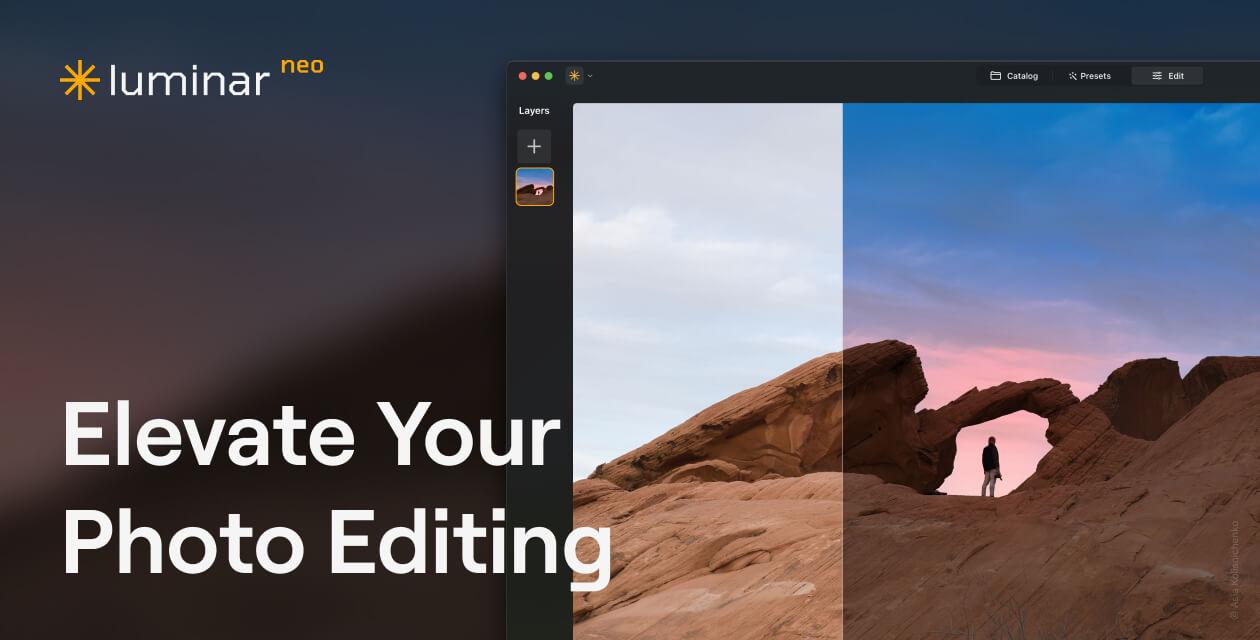
Luminar Neo - Easy Photo Editor | Software for Mac & PC
Download Luminar Neo - photo editing software for PC and Mac! Simple photo editor with AI that helps edit your photos as you imagine it in your eyes
modular and versioned GLSL
a WebGL demo of glsl-lut, for efficient color transforms on the GPU. source code here Contents # Intro glslify Installing Dependencies Compiling The Shader Relative Requires Example Modules The Awesomeness of NPM Unit Testing Extras As a Source...

lulvuh
Crop Video Files Online for Free - FreeConvert.com
Easily crop video files online. Supports MP4, MOV, AVI, MKV, and more. Best video quality & No watermarks.
Lighty's BetterDiscord stuff
BetterDiscord plugins that can't be found anywhere else, like Message Logger, BetterImageViewer and CrashRecovery, etc.
Lumis - Syntax Highlighter
Syntax highlighting powered by Tree-sitter and Neovim themes. One API across CLI, Rust, Elixir, JavaScript / TypeScript, browsers, and Java.
A plugin that lets Claude Code watch videos; image + audio
177 votes, 67 comments. Claude doesn't natively accept video or audio input, so every time I wanted it to "look at a video" I'd have to screenshot…

Luminframe — edit photos with live shader looks
Edit a photo with live shader looks, then save it to your own repo on the AT Protocol — yours to keep, share, and remix.

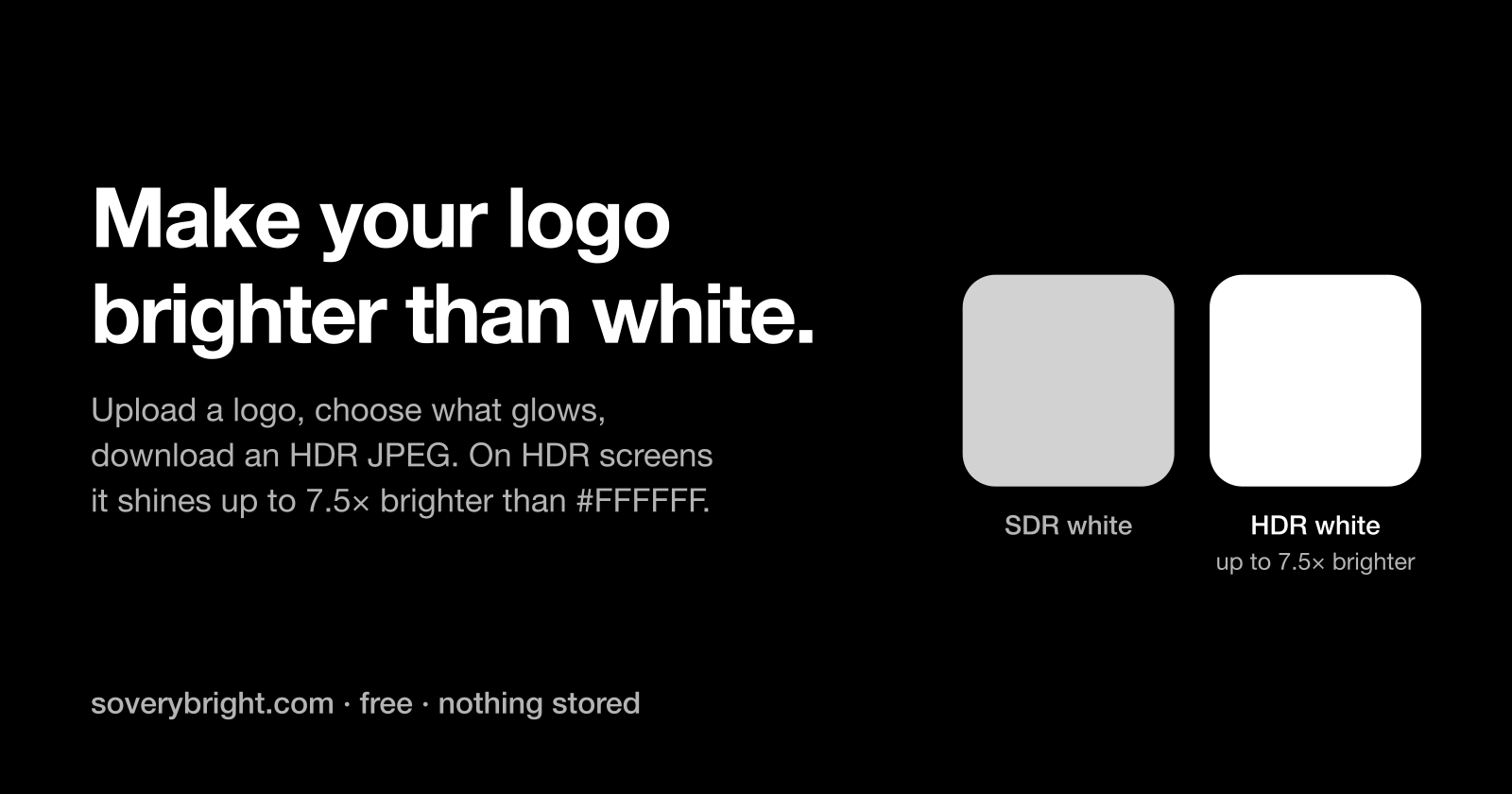
Make your logo brighter than white
Upload a logo, choose what glows, download an HDR JPEG. Free — nothing is stored.
Opnshelf - Track What You Watch
Track what you watch and discover what others are watching. Log movies and shows, and share your taste with friends.
Long form writing in Logseq
An area that has traditionally been described as one of Logseq’s weak points is long form writing, however, with the right setup, it’s very much possible to get an excellent writing experience While writing long form text, such as while scripting videos, I absolutely adore the experience of using both iA Writer and Ulysses. They’re some of the best designed apps I’ve ever used and offer an unparalleled editing experience. At the same time, I absolutely love using Logseq and all my notetaking and outlining for videos happens there.
tools: refactor tool call parsing and enable streaming by ParthSareen · Pull Request #10415 · ollama/ollama
Demo Simple tool calling weather.py.mp4 Search tool calling search.mp4 Incremental Parsing Enables streaming and eventuall...