


A 5 gallon self-watering planter is perfect for people with limited space or have bad soil to begin with. Grow tomatoes right on your patio!
Better Tomatoes Via a Fertilizer of…Human Urine?
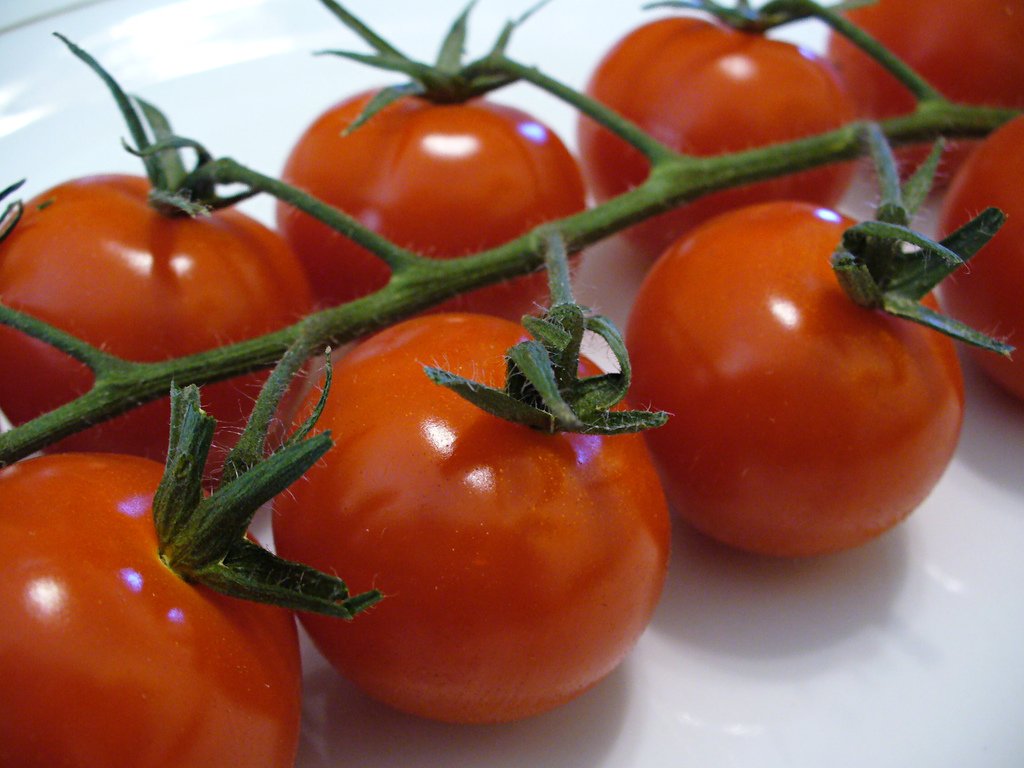
You say tomayto, I say tomahto. You say Miracle-Gro, I say ... pee. Apparently, human urine works remarkably well as a fertilizer for tomatoes, according to a new study out of Finland. Plants fertilized with a mixture of stored human urine and wood ash produced 4.2 times more fruit than plants without the pee, the study found. The urine-fertilized tomatoes had more beta-carotene than unfertilized ones, and much more protein than traditionally fertilized plants.
First farm to grow veg in a desert using only sun and seawater | New Scientist
The world's first commercial seawater greenhouse has been launched in Australia, using solar power and desalinated seawater to grow tomatoes in a desert

openfarmcc/OpenFarm
A free and open database for farming and gardening knowledge. You can grow anything!
openfarmcc/OpenFarm
A free and open database for farming and gardening knowledge. You can grow anything!
Excess phosphorus from compost applications in urban gardens creates potential pollution hotspots
Abstract Urban sustainability initiatives often encompass such goals as increasing local food production, closing nutrient loops through recycling organic waste, and reducing water pollution. However, there are potential tradeoffs among these desired outcomes that may constrain progress. For example, expansion of urban agriculture for food production may create hotspots of nutrient pollution if nutrient recycling is inefficient. We used gardener and urban farmer survey data from the Twin Cities Metropolitan Area (Minnesota, USA) to characterize phosphorus (P) and nitrogen (N) inputs and harvest in order to determine nutrient use efficiencies, and measured soil P concentrations at a subset of these sites to test whether excess soil P was common. All survey respondents (n = 142) reported using some form of soil amendment, with plant-based composts being the most common. Median application rates were 300 kg P/ha and 1400 kg N/ha. Median nutrient use efficiencies were low (2.5% for P, 5.0% for N) and there was only a weak positive relationship between P and N inputs and P and N harvested in crop biomass. Garden soils had a median Bray P value of 80 ppm, showing a buildup of plant-available P far exceeding recommended levels. Our results show that urban gardens are characterized by high nutrient inputs and inefficient conversion of these nutrients into crops, leading to buildup and potential loss of P and N from garden soils. Although urban gardens make up only 0.1% of land area in the Twin Cities, compost application to these urban gardens still constitutes one of the largest inputs of P to the watershed. In order to maximize desired outcomes from the expansion of urban agriculture (UA), it will be necessary to target soil amendments based on soil nutrient levels and crop nutrient demand.
Diet for a hotter climate: five plants that could help feed the world
As the planet warms, these five drought-tolerant and highly nutritious crops offer hope for greater resiliency

Short on space? How to grow healthy veg in pots and bags
Beware of terracotta, embrace grow bags – and don’t forget to fertilise
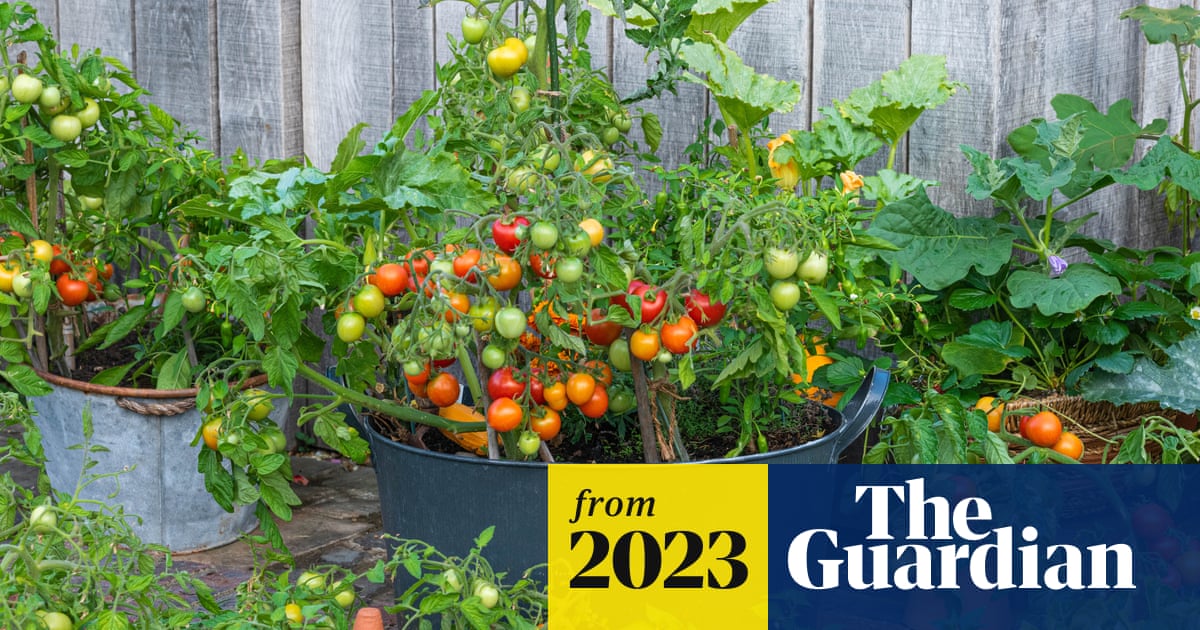
Chelsea tips for small gardens: experiment – and learn from mistakes
Newcomers to the London flower show pass on their advice for what to do with the smallest of spaces using containers

Free Garden Planner – Design your garden online
Design your garden online for free. Place plants, draw beds to scale, and plan permaculture guilds and poly...
Large Pond Update and More
Fall Gardening Guide
FALL PLANTING GUIDE What we are growing this Season Lettuce: Super Red Romaine Little Gem Black Seeded Simpson Other Things You can Grow: Herbs: (Cilantro, Chives, Oregano, Thyme) Kale Spinach Greens: (Mustards, Collards) Supplies Growing Container(s) ( If you are unable to plant dire...

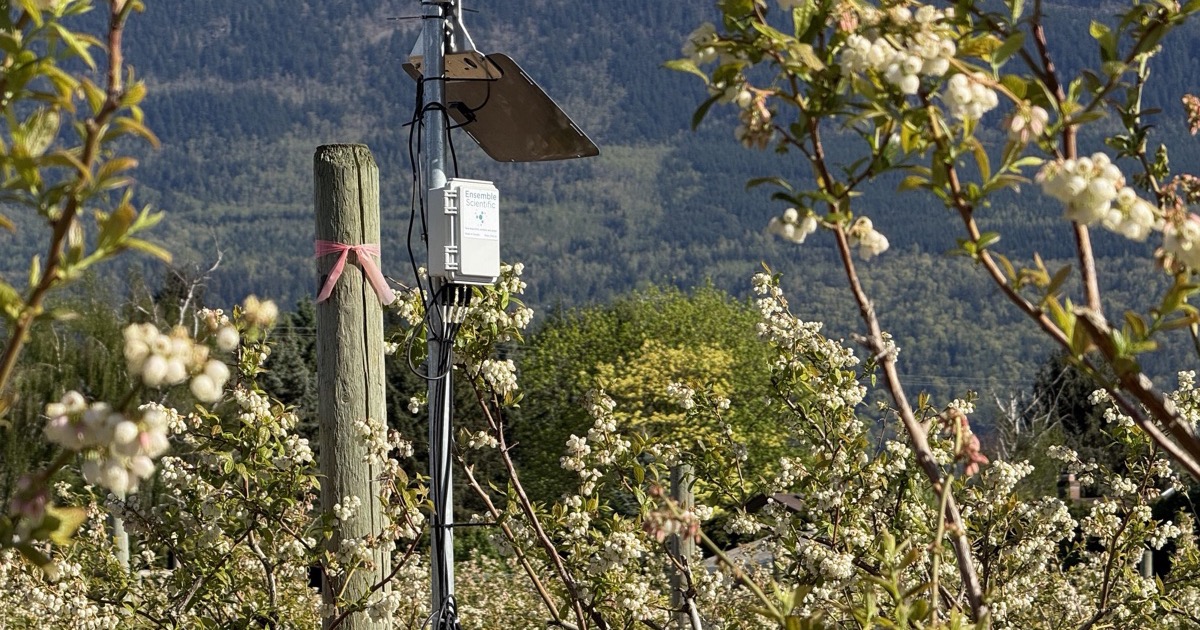
Ensemble Scientific | Smart Irrigation for Modern Farms
Wired and wireless irrigation control for modern farms. Combine direct, two-wire and mains-free controllers with real-time sensing and autonomous scheduling.
The Secrets to Growing Heirloom Tomatoes Like a Pro!
Water Quality Report 2024 | City of Winston-Salem, NC
Winston-Salem/Forsyth County Utilities operates three water treatment facilities drawing water from both the Yadkin River and Salem Lake. Together, these water treatment facilities can produce up to 91 million gallons of drinking water per day. The Neilson and Swann Water Treatment Plants can treat 48 and 25 million gallons per day, respectively, from the Yadkin River. The Thomas Water Treatment Plant can treat 18 million gallons per day from Salem Lake and the Yadkin River.