

Langdon Winner, Do Artifacts Have Politics?, Daedalus, Vol. 109, No. 1, Modern Technology: Problem or Opportunity? (Winter, 1980), pp. 121-136
Do Artifacts Have Politics?
Langdon Winner, Do Artifacts Have Politics?, Daedalus, Vol. 109, No. 1, Modern Technology: Problem or Opportunity? (Winter, 1980), pp. 121-136
Governance Archaeology: Research as Ancestry
Abstract. This essay presents the idea of governance archaeology, an approach to learning from the past to inform the politics of the future. By reporting on a prototype historical database, we outline a strategy for co-producing a global commons of collective governance practices that can inspire institutional learning and experimentation, particularly in the face of rapid technological change and vexing global crises. Embedded in our approach is an orientation of ancestry whereby practitioners cultivate relationships of accountability and responsibility to the legacies they learn from, recognizing the harm from past patterns of exploitation. By taking seriously a wide range of historical governance practices, particularly those outside the Western canon, governance archaeology seeks to expand the options available for the design of more moral political economies.
annotations: Politique et technologie
traduction française du billet de blog "Politics and technology" de Daron Acemoglu & James Robinson
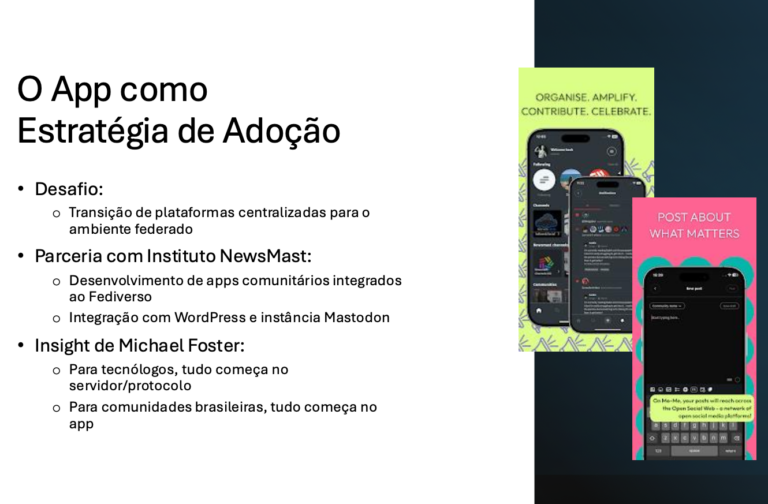
Museums in the Fediverse: Experiments with Tainacan, ActivityPub, and WebSocial – Ecologia Digital
Below, we present the slides and the text of José Murilo’s presentation, representing Ibram-Museus at the 1st WebSocialBR in Brasília, on December 3, 2025.
annotations: L’abondance en ressources naturelles nuit-elle à la démocratie ?
traduction de "Natural resources and political institutions: Democracy" "More on natural resources and democracy" de Daron Acemoglu & James Robinson
On the Concept of the Political in AI-Generated Art – Open Assembly
Plotting is an online publication gathered and organized by LASP Rietveld.

Read The Work of Art in the Age of Mechanical Reproduction
1935 essay by Walter Benjamin; proposes that mechanical reproduction devalues the aura of an artwork, that—in the age of mechanical reproduction and traditional ritualistic value’s absence—art production would be inherently based on political praxis
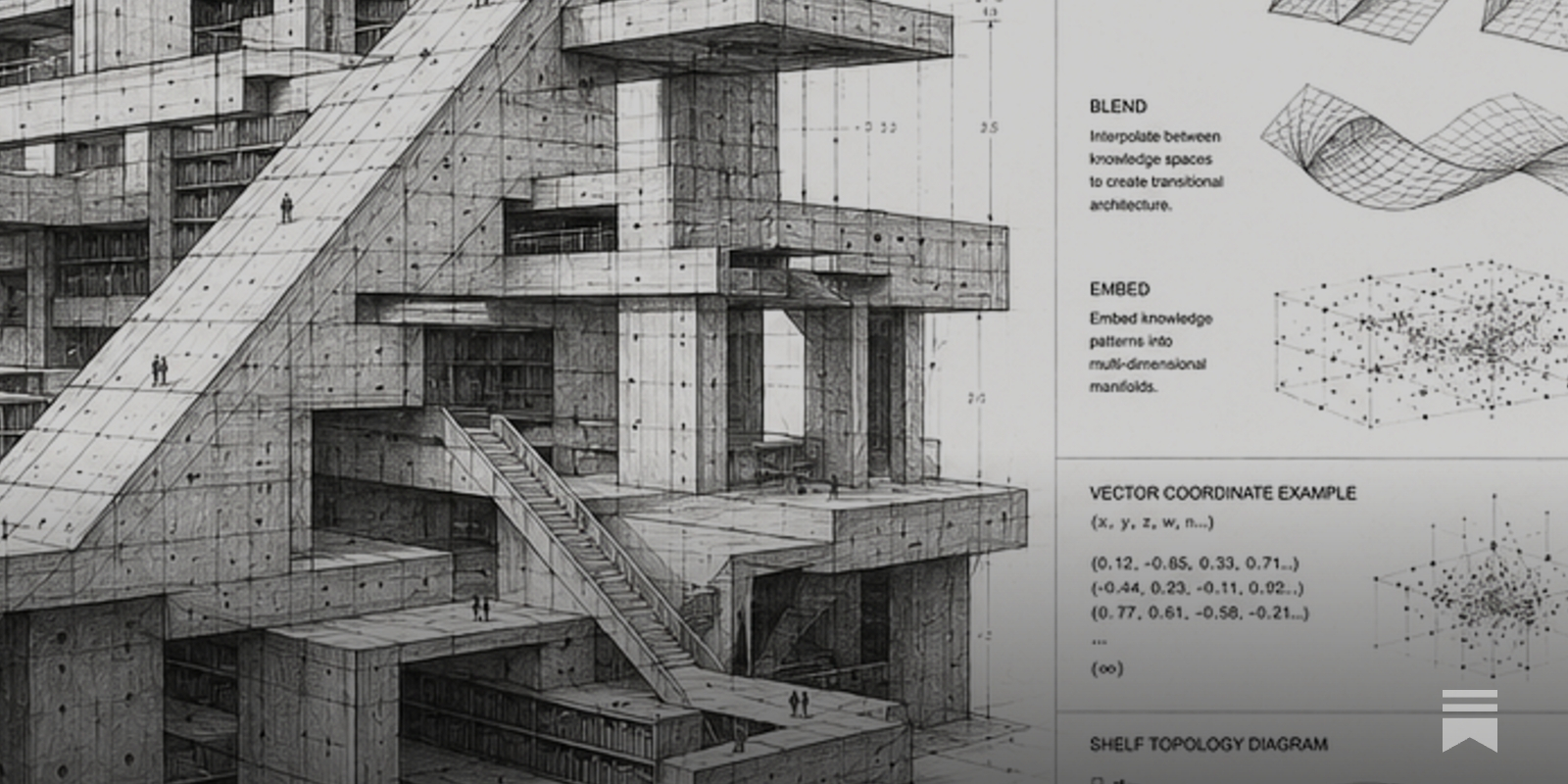
The Skeleton Library
On Interpolatable Archives, Part 1: Compulsions to Connect, Warburg, Borges and Goldsmith, Cultural Technologies and Digital Oralities

Repenser la fiscalité lors de l'héritage – Institut Veblen / Veblen Institute
Article paru dans l'Économie Politique n°96, "Repenser la fiscalité dans le cadre des successions", abordant notamment la question de l'utilisation des plus-values immobilières comme assiette fiscale.

annotations: Démocratie versus inégalités
traduction française du billet de blog "Democracy vs. inequality" de Daron Acemoglu & James Robinson
Doctrine of Discovery Project
Explore the Doctrine of Discovery Project archive of legal history, papal bulls, repudiations, and resources on Indigenous sovereignty, justice, and decolonization.

The Vintage Technology Digital Archive
Report on the State of Reports About The Humanities
Of A Certain Kind of Report, At Least

eMuseum Museum für Gestaltung Zürich Archiv Zürcher Hochschule der Künste ZHdK
Im eMuseum geben das Museum für Gestaltung Zürich und das Archiv der Zürcher Hochschule der Künste Einblick in ihre Sammlungsbestände, die seit 2014 im Toni-Areal an der Pfingstweidstrasse 96 in Zürich aufbewahrt werden. Das eMuseum ist die grösste Schweizer Online-Datenbank für Gestaltung und Kunst. Interessierte WissenschaftlerInnen, Kuratoren, Designerinnen und Sammler können über 100 000 Werke entweder gezielt über Autor, Titel, Datierung, Kategorie oder Objektbezeichnung suchen und filtern oder nach Schlagworten in den Sammlungen stöbern.
'No Politics' Rules | The Paper Pilot
The Paper Pilot's digital garden of thoughts on philosophy, politics, and sociology