


The world was a different place when, in October 2015, the Court of Justice of the European Union (CJEU) struck down the “Safe Harbour” data-sharing agreement that allowed the transfer of European citizens’ data to the US. The Court’s decision concluded that the indiscriminate nature of the surveillance programs carried out by U.S. intelligence agencies, […]
Privacy as EU Tech advantage - The LeafPlaza Blog
Online crime loves legal massive data collection, grey systems, and jurisdictional gaps. Privacy-first design can actually reduce crime exposure and build trust in digital services. It is also central to the EU's tech autonomy: build systems aligning with European rights and risk models. Do not rely on foreign platforms or copy outside practices that might go against the EU values and needs.
EU: Don’t use Facebook if you want to keep the NSA away from your data
Court case could make it harder for US companies to take personal data out of EU.

How 9/11 changed the way America surveils its citizens • Stateline
The terrorist attacks of Sept. 11, 2001, transformed how American intelligence and law enforcement agencies collect, share and analyze information. Twenty-five years later, that infrastructure has merged with a digital world capable of generating vast amounts of data about Americans — and artificial intelligence is making it easier to connect and analyze that information. The result is a surveillance system far more powerful than anything imaginable in 2001, raising new questions about privacy, policing and civil liberties.

Chat Control & Going Dark: The war on encryption is on the rise. Through a shady collaboration between the US and the EU.
After Snowden’s whistleblowing in 2013, large parts of the internet became encrypted, enabling private and secure communication. Not everyone has welcomed this change. Most notably, the FBI and other U.S. government agencies have fought what is often called the “crypto wars”, the war on encryption. In recent years, they have been joined by the European Commission. Under the slogan “what about the children,” they try to introduce total mass surveillance of all EU citizens — first through the proposed Chat Control legislation, and later via the Going Dark and ProtectEU initiatives. The goal is to legally mandate spy tools on every European smartphone and computer. The forces behind these efforts have turned out to be American tech companies and intelligence agencies.
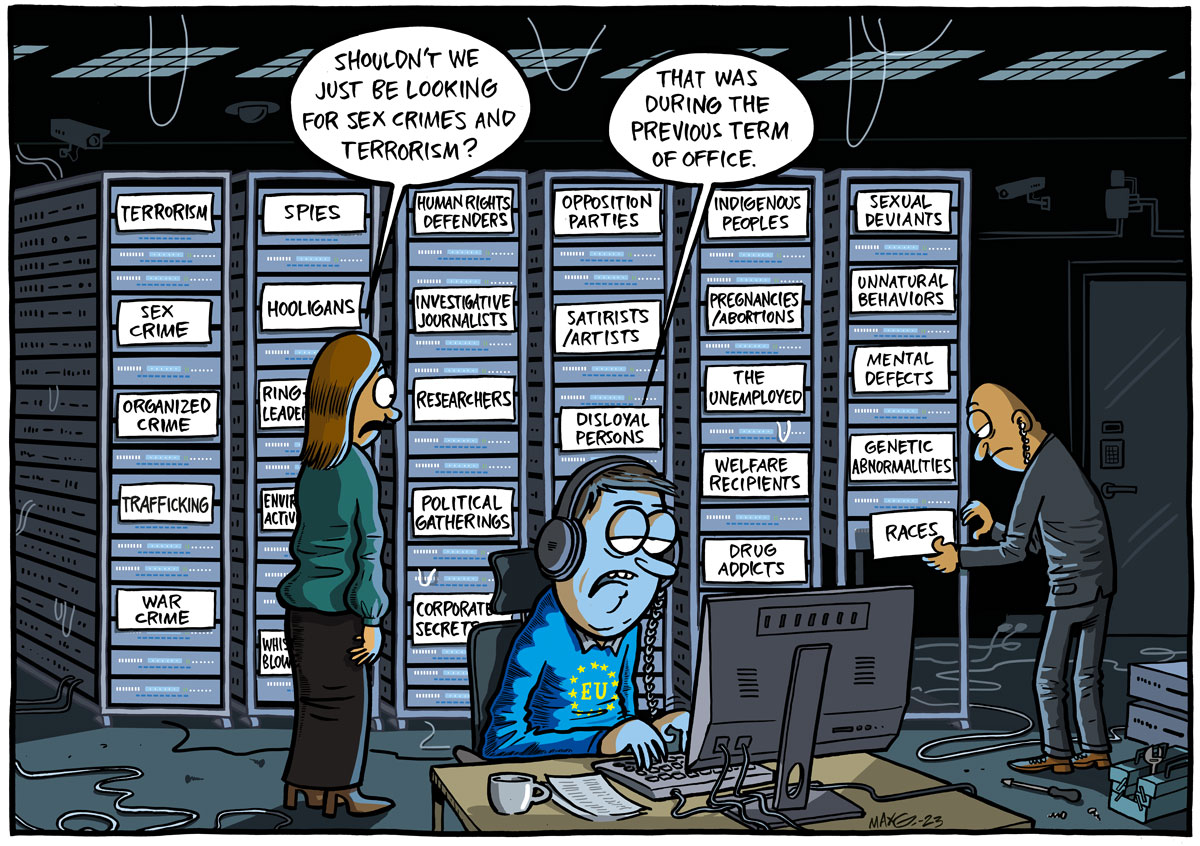
How the EU can fine US companies for violating GDPR
The EU is set to begin enforcing a new set of data privacy regulations in 2018 that will impact companies on both sides of the Atlantic. Here’s how EU regulators can — and will — come after US companies for data privacy violations. European regulators are getting ready to implement a far stricter data-privacy regulation in early 2018, and both European and U.S. companies are working to get into compliance. Called the General Data Protection Regulation (GDPR), the new rules place heavy fines fo...

UK spies using social media data for mass surveillance | TechCrunch
Privacy rights group Privacy International says it has obtained evidence for the first time that UK spy agencies are collecting social media information on potentially millions of people.

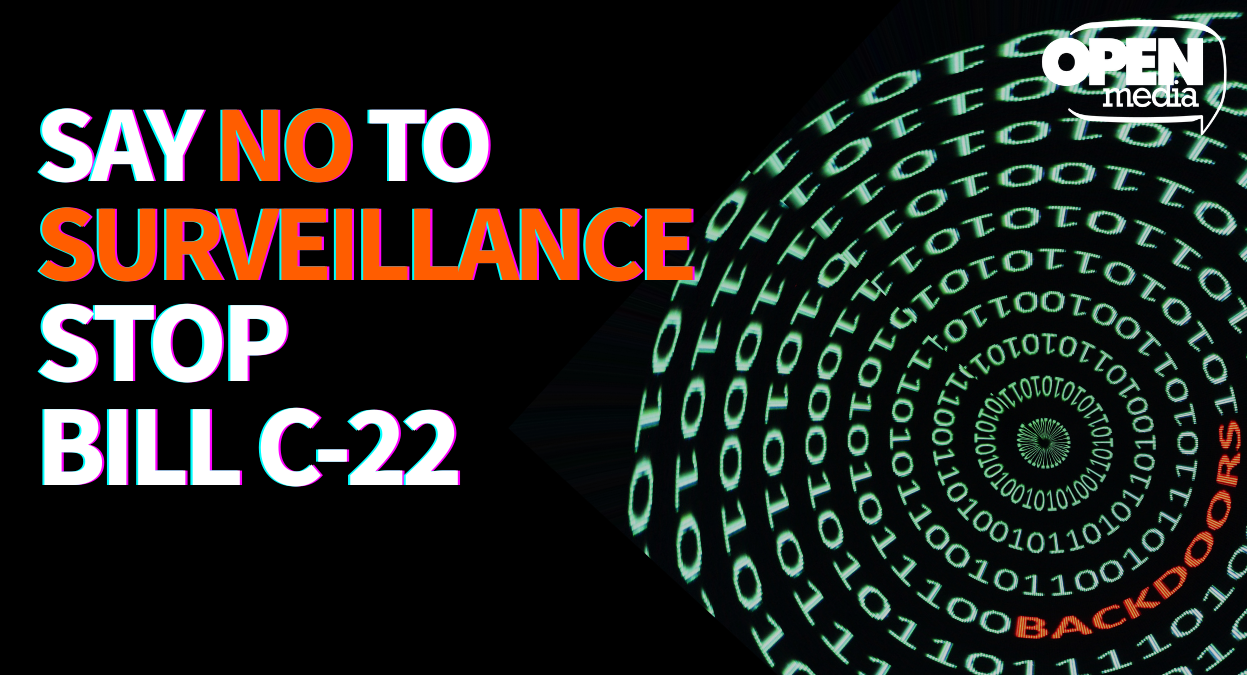
Stop Bill C-22!
🚨 Bill C-22 forces every Canadian internet provider, messaging app & cloud service to build surveillance backdoors and store a year of your data. Foreign state hackers exploited similar legislation in the US. Shut the backdoor: https://openmedia.org/StopC22 #BillC22
We Need A Massive Surveillance Program (Idle Words)
I am a privacy activist who has been riding a variety of high horses about the dangers of permanent, ubiquitous data collection since 2012.
‘Invasive’ AI-led mass surveillance in Africa violating freedoms, warn experts
Countries across the continent have spent more than $2bn on Chinese tracking technology that is not ‘necessary or proportionate’, new report finds

Article 78: Confidentiality | EU Artificial Intelligence Act
The Commission, market surveillance authorities and notified bodies and any other natural or legal person involved in the application of this Regulation…
"Pushed into the Shadows": Evidencing Digital Surveillance Chilling Effects and the Erosion of the Rights to Freedom of Assembly and of Association
SummaryThe United Nations Special Rapporteur on the Rights to Freedom of peaceful assembly and of association, Gina Romero, presents "Pushed into the Shadows: Evidencing digital surveillance chilling effects and the erosion of the rights to freedom of assembly and of association". This Global Study documents the profound impact that pervasive digital monitoring exerts on fundamental public freedoms. Moving beyond traditional privacy-centric narratives, the Study details how contemporary surveillance ecosystems induce serious chilling effects.

Swedish data brokers claim journalists’ legal protection to evade EU law
Thanks to a loophole in national law, data brokers can exempt their business from EU privacy law. This enables the uncontrolled sale of the personal data of millions of people in Sweden

Government Surveillance and Internet Search Behavior
This paper displays data from the US and its top 40 trading partners on the search volume of select keywords from before and after the surveillance revelations

Opinion | Surveillance: A Threat to Democracy (Published 2013)
Security can be achieved by less-intrusive or sweeping means, without trampling on democratic freedoms and basic rights.

Britain has passed the ‘most extreme surveillance law ever passed in a democracy’
The law forces UK internet providers to store browsing histories -- including domains visited -- for one year, in case of police investigations.

Britain has passed the ‘most extreme surveillance law ever passed in a democracy’
The law forces UK internet providers to store browsing histories -- including domains visited -- for one year, in case of police investigations.