

Falsehoods programmers believe about email
In the spirit of falsehoods programmers believe about names and time, here’s some falsehoods about email which are all too common.

Don't Call Yourself A Programmer, And Other Career Advice | Kalzumeus Software
Online anonymity: study found ‘stable pseudonyms’ created a more civil environment than real user names
A higher quality discussion emerged among commenters allowed to use personas instead of their real names.
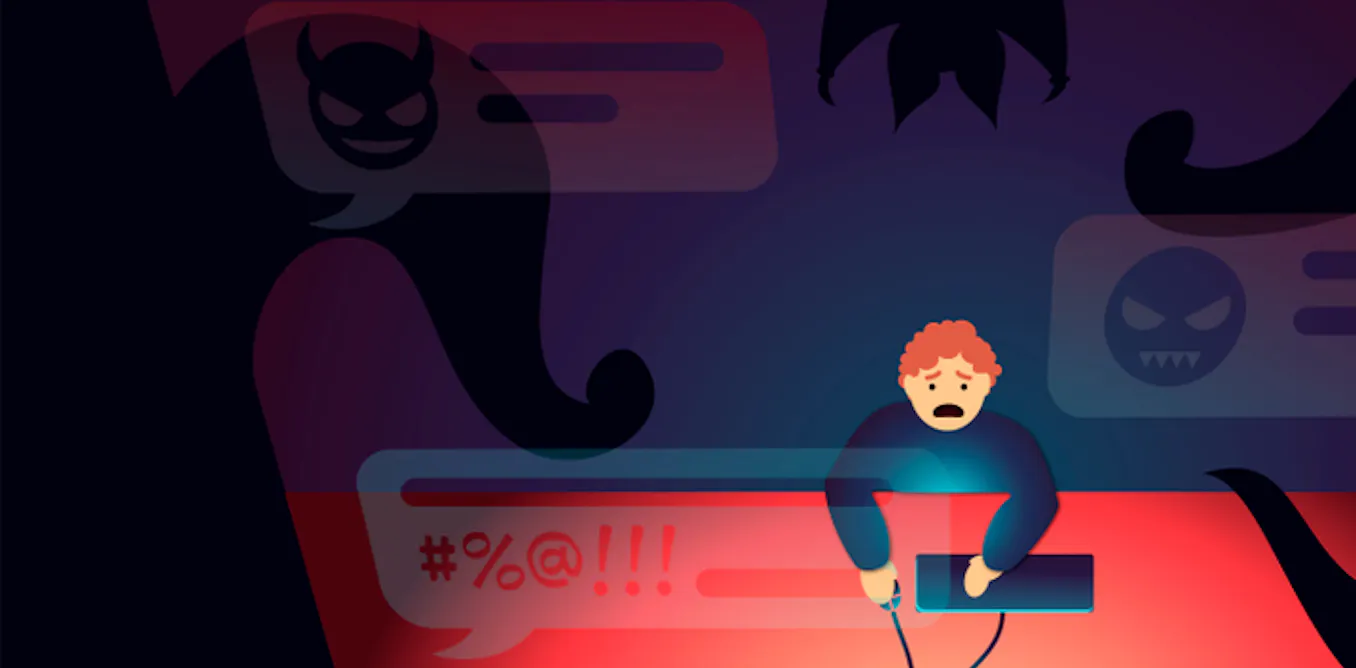
Online anonymity: study found ‘stable pseudonyms’ created a more civil environment than real user names
A higher quality discussion emerged among commenters allowed to use personas instead of their real names.
Real-Name Policies: The War Against Pseudonymity
Real-name policies have existed for over a decade, but these problems have become exponentially harmful in today's world. It's time to fight back against this unsafe and discriminatory privacy-invasive practice.

Nicholas Carlini - Black-hat LLMs | [un]prompted 2026
Ten FOSS Development Fallacies For User Facing Software
This is a list, inspired by the Five Geek Social Fallacies, of common patterns or behaviours that developers of free/open source software (FOSS) fall into when they try to develop software for users who are not technical, or for whom non-technical users would be the most obvious userbase. Hopefully writing these down (which frankly is cathartic more than anything) is helpful to some in recognising these thought patterns and avoiding them when developing software - I’ve got some of my own thoughts on this at the bottom.
Sloppelgängers
Superhuman’s CEO sat for an interview about the AI feature that used writers’ names without permission. What he revealed was worse than the feature itself.
"Do What I Mean": Name Resolution in Programming Languages | Will Crichton
Resolving names is a hard problem that permeates many aspects of programming like variable scoping, structured control flow, and method resolution. I show how a few core ideas underlie seemingly disparate parts of programming language design.
Talking About Money | Kalzumeus Software
Katika Kühnreich (@Katika@chaos.social)
Attached: 1 image #SocialMedia of #realnameregistration , oh sorry, they call it real #humans , that advertises with " #AI " #slop #wsocial is more than problematic And already has #bots crawling it's #network Now they show that they are problematic concerning #aesthetics as well & advertise with tasteless #aislop @bildoperationen@tldr.nettime.org #realnameregistration is highly dangerous & if the company that wants to have your most private data can't save there net from bots they're not very trustworthy, are they? #tech

Undocumented Feature
And it doesn't pop up a box every time asking you to use your real name. In fact, there's no way to set your name at all. You just have to keep reminding people who you are.

Can You Trust Your Computer? - GNU Project - Free Software Foundation
Who should your computer take its orders from? Most people think their computers should obey them, not obey someone else. With a plan they call “trusted computing,” large media corporations (including the movie companies and record companies), together with computer companies such as Microsoft and Intel, are planning to make your computer obey them instead of you. (Microsoft's version of this scheme is called Palladium.) Proprietary programs have included malicious features before, but this plan would make it universal.
Perfect Software - Software for an Audience of One
We have many names to describe personal tools. Malleable software speaks to how it behaves. Home-cooked software speaks to who makes it.
I’m especially frustrated by the piece uncritically repeating Pangram’s “no false positives” claim when I know writer friends who have run their own work through & had it flag their 100% human-written sentences as machine-generated. We must doubt any company’s claim about its product having 0 fails.
Classic essay about how software routinely bumbles human names.

