


A Year-Long Exploration of Bay Area Hip-Hop History
The Bay Area Was Hip-Hop Before There Was Hip-Hop | KQED
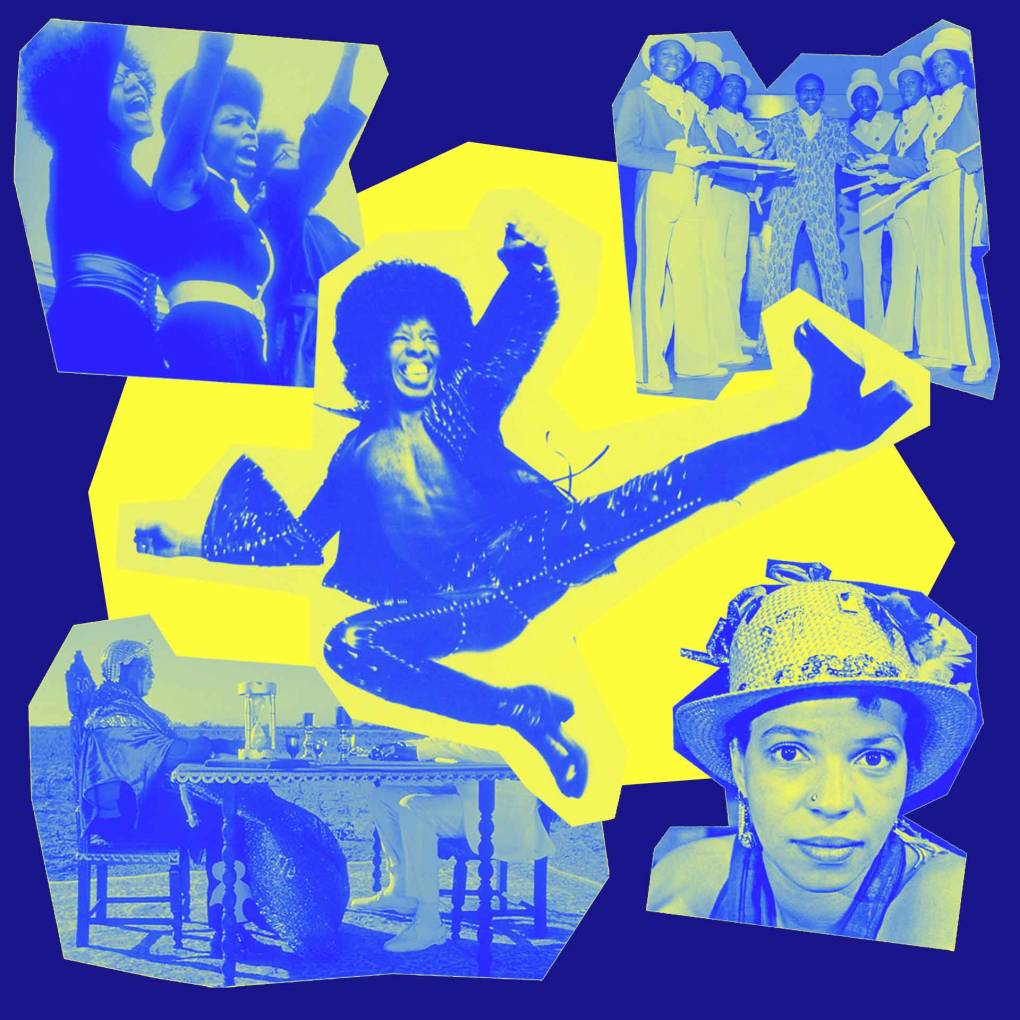
In the ’60s and ’70s, the Black Panthers, boogaloo dancers and Sly Stone anticipated the arrival of hip-hop.
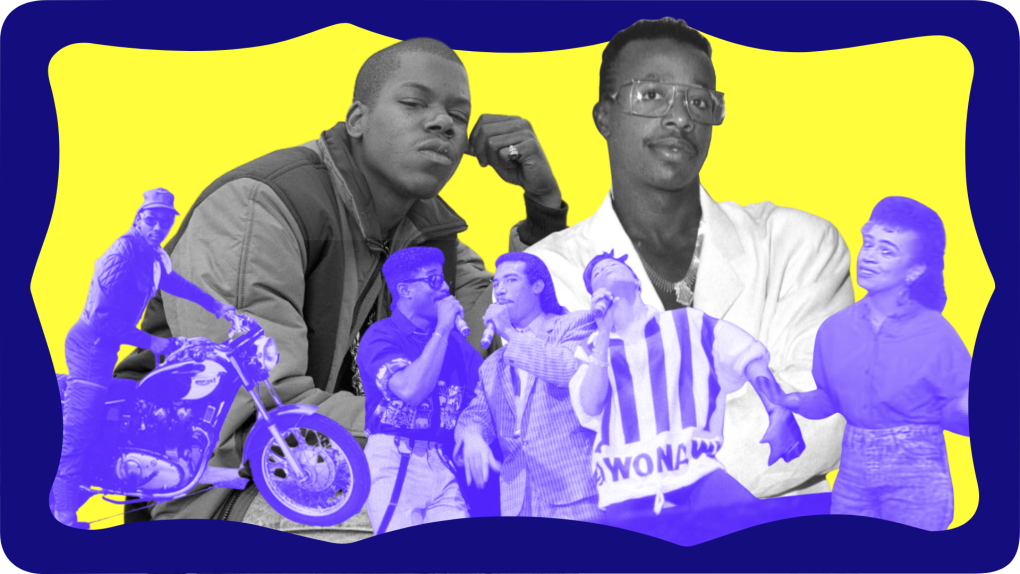
How Bay Area Hip-Hop Found Its Sound in the 1980s
Casio keyboards, homemade tapes and the boundless creativity of Bay Area youth flourished in the 1980s hip-hop scene.
The Ascendance of Bay Area Dance Music
The contemporary sound of Bay Area dance music is high-energy, omnivorous, and life-affirming.
A Generation of Hip-Hop Was Given Away for Free. Can It Be Archived?
They won't be lost to fire, like much of the Universal Music catalog, but who will save the mixtapes?
East bay heritage : a potpourri of living history | WorldCat.org

Video: Long train running :
Examines taverns and clubs in Oakland, California where a distincitive style of blues music unique to Oakland was developed and performed. Includes interviews with blues musicians in the Oakland area and segments from the San Francisco Blues Festival.
Party Music by Rickey Vincent | East Bay Booksellers
Connecting the black music tradition with the black activist tradition, Party Music brings both into greater focus than ever before and reveals just how strongly the black power movement was felt on the streets of black America.
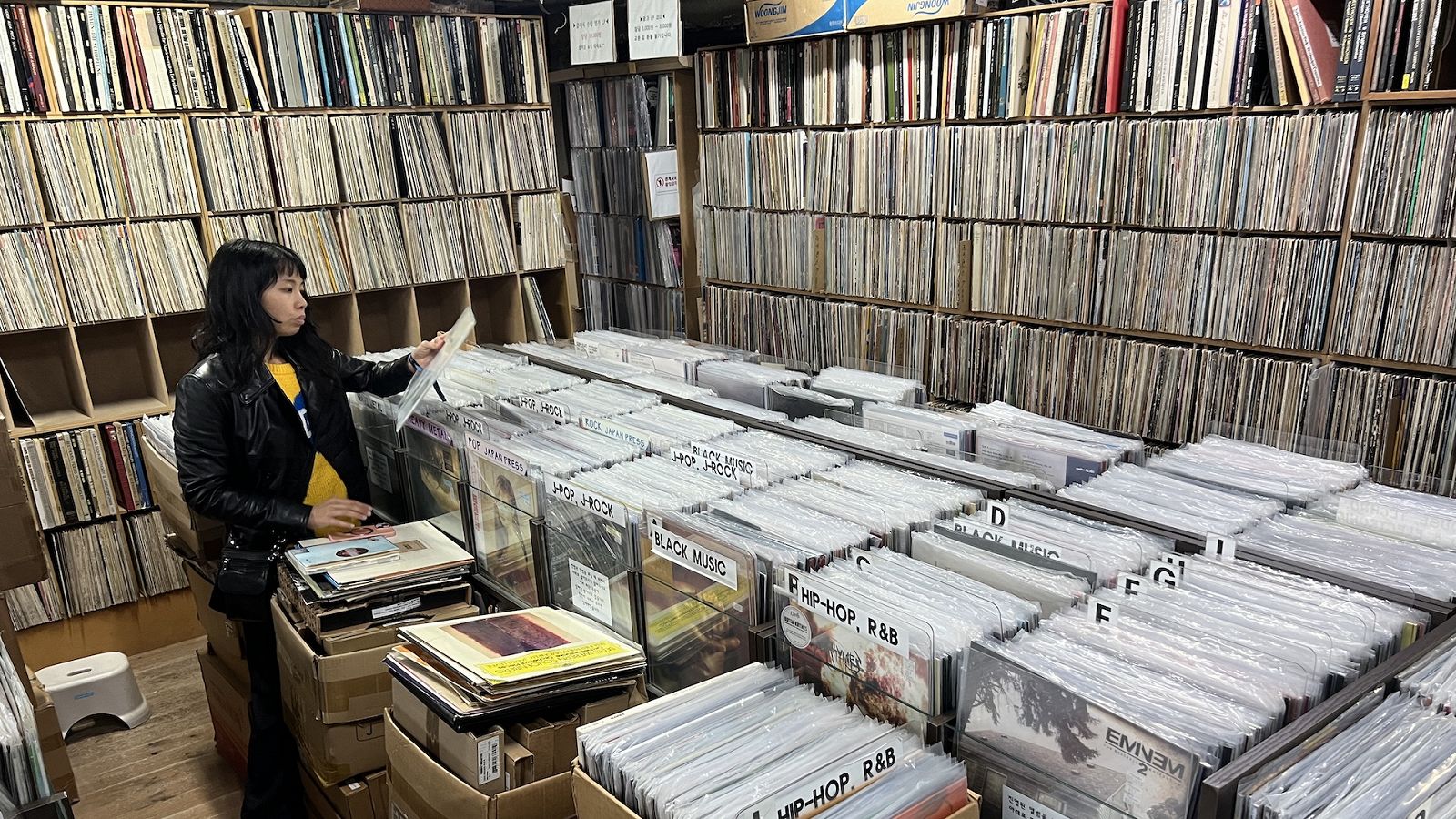
SEA to SEA w/ Diana Ratsamee
Seattle DJ and collector Diana Ratsamee digs out musical discoveries from across the world, notably sharing music from Lao and Thailand and Southeast Asia - airing rock, disco, soul and psychedelic records, as well as diving into present day musical movements in the region.
The four fresh ideas behind Jazz
Why local-first, per-query auth, deep histories, and fluid migrations come together in Jazz
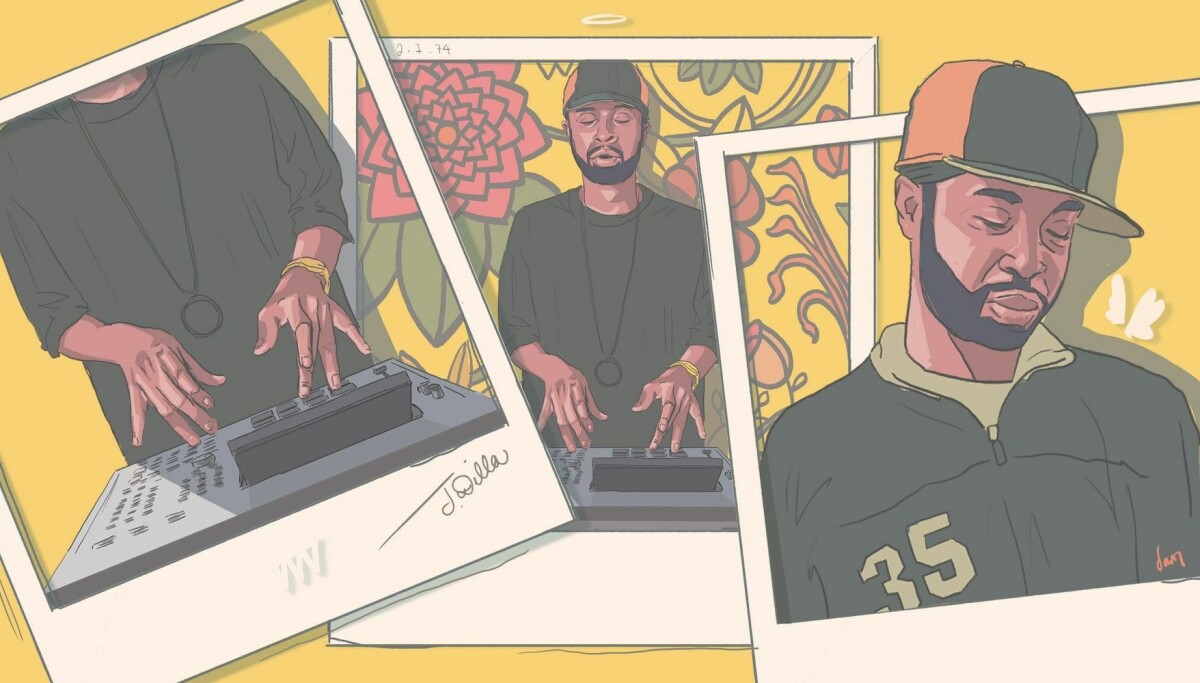
J Dilla's Influence And Legacy Lives On In The World Of Lo-Fi Hip-Hop
J Dilla's music has been adopted by the lo-fi hip-hop community; now fans of the subgenre consider him the godfather of lo-fi hip-hop.
The Second Gold Rush — Oakland Public Library
The Second Gold Rush — Johnson, Marilynn S. — More than any event in the twentieth century World War II marked the coming of age of America's West Coast cities. Almost overnight, new war industries prompted mass urban migration and development, producing social, cultural, and political changes that would persist well beyond 1945. For the San Francisco Bay Area, Marilynn S. Johnson argues, World War II was to the twentieth century what the gold rush was to the nineteenth.<br />Focusing on Oakland, Richmond, and other shipyard boomtowns in the East Bay, The Second Gold Rush chronicles the defense buildup, labor migration from the South and Midwest, the development of federal migrant communities, and the social and racial conflicts that pitted newcomers against longtime Bay Area residents. Johnson follows this story into the postwar era, showing how struggles between conservative and liberal forces over employment, housing, and civil rights shaped the urban political landscape into the 1950s and beyond. Tracing the cultural legacy of war migration, she also explains how Southern religion and music became an integral part of Bay Area life.<br />Urban historians have paid surprisingly little attention to World War II and the social and cultural transformation of wartime cities. In The Second Gold Rush, Johnson places the human drama of the war at center stage, recreating the texture of daily life in the workplace, the home, and the community.<br/>"At last, a close-in account of California during its moment of rebirth, World War II. . . . A book that helps us to understand California's past and also its present."--James N. Gregory, author of <i>American Exodus</i><br/>More than any event in the twentieth century, World War II marked the coming of age of America's West Coast cities. Almost overnight, new war industries prompted the mass urban migration and development that would trigger lasting social, cultural, and political changes. For the San Francisco Bay Area, argues Marilynn Johnson, the changes brought by World War II were as dramatic as those brought by the gold rush a century earlier.<br /><br />Focusing on Oakland, Richmond, and other East Bay shipyard boomtowns, Johnson chronicles the defense buildup, labor migration from the South and Midwest, housing issues, and social and racial conflicts that pitted newcomers against longtime Bay Area residents. She follows this story into the postwar era, when struggles over employment, housing, and civil rights shaped the urban political landscape for the 1950s and beyond. She also traces the cultural legacy of war migration and shows how Southern religion and music became an integral part of Bay Area culture.<br /><br />Johnson's sources are wide-ranging and include shipyard records, labor histories, police reports, and interviews. Her findings place the war's human drama at center stage and effectively recreate the texture of daily life in workplace, home, and community. Enriched by the photographs of Dorothea Lange and others, <i>The Second Gold Rush</i> makes an important contribution to twentieth-century urban studies as well as to California history.
Hometown Chinatown: A History of Oakland's Chinese Community, 1852-1995
Focusing on the local history of the Chinese in Oakland, California, this study examines common stereotypes in the early Chinese community and Chinatown organizations.

Global Pop Fusion, City Pop, Japanese Jazz-Funk, J-Pop & MPB [Vinyl Studio Session] Diana Ratsamee
Where Is My Mind?