

Noöhacking1 is the title of my current research program. I use this term for ways that artists and everyday digital media users build and repurpose algorithmic tools in order to take care of their own minds/spirits, an especially challenging and important task amidst a digital milieu that seems designed to make us alienated, unintelligent, and miserable.
how do you a call a person who is interacting with digital media ?
We use tools from computer science, media design, and digital art to study massive cultural data sets. Directed by Dr. Lev Manovich.
Don't Frack. Precipitate!
Don’t Frack. Precipitate! Two opposing approaches to create soft software for the age of AI Author: If you stop someone on the street and ask them to imagine the canonical piece of software, what will they say? Almost certainly something like “Instagram.” An app. Apps have become such a dominan...

Resonite
A novel digital universe with infinite possibilities. Whether you resonate with people around the world in a casual conversation, playing games and socializing. Or you riff off each other when creating anything from art to programming complex games, you'll find your place here.
Digital Art Enters the Museum Age — Social Software
We explore code and systems as a medium for creating new forms of art. We consider "software" in an expanded sense, examining the ways that we are programmed by technology around us and the ways we can write software to make change in the world.
derek guy on Twitter / X
I suspect we're approaching a time where if you want to protect creative work, it has to be something that can't be digitized. AI has made is so that creative works speed run through the lifecycle from cool to cliche in a matter of months. This contributes to our cultural… https://t.co/HJYL6Tj6t4— derek guy (@dieworkwear) September 19, 2026
Amelia Wattenberger
I create things on the web, explore novel interfaces, turn data into meaning, and empower devs with AI.
Blaine Cook
Hi! I'm Blaine, a software programmer living in the Slocan Valley who works on decentralized technologies (<a href="https://www.eff.org/deeplinks/2019/10/adversarial-interoperability">this</a> kind, not that kind) in order to give communities the autonomy to self-determine in online spaces.

Co-creating with emergent processes ✦ Hijinx World
Existential musings over algorithmic design with creative programming legend Dan Tapper.

We Need To Stop Calling Entertainers ‘Artists’
Expert in building reliable digital platforms and leading high-impact technical teams. 20+ years experience at the intersection of technology, teams, and learning.
Alexander Obenauer
Exploring new and renewed ideas for how personal computing and the interfaces we think with can better serve people’s lives – expanding opportunity, agency, curiosity, and creativity.
Creative Computing Group by @tgoerke.bsky.social — Grain
Let's start a group at CODIP to explore creative computing. Let's not start by defining creativity nor computing. It would be a trap. Let's collect artifacts instead. Images, text, thoughts,...
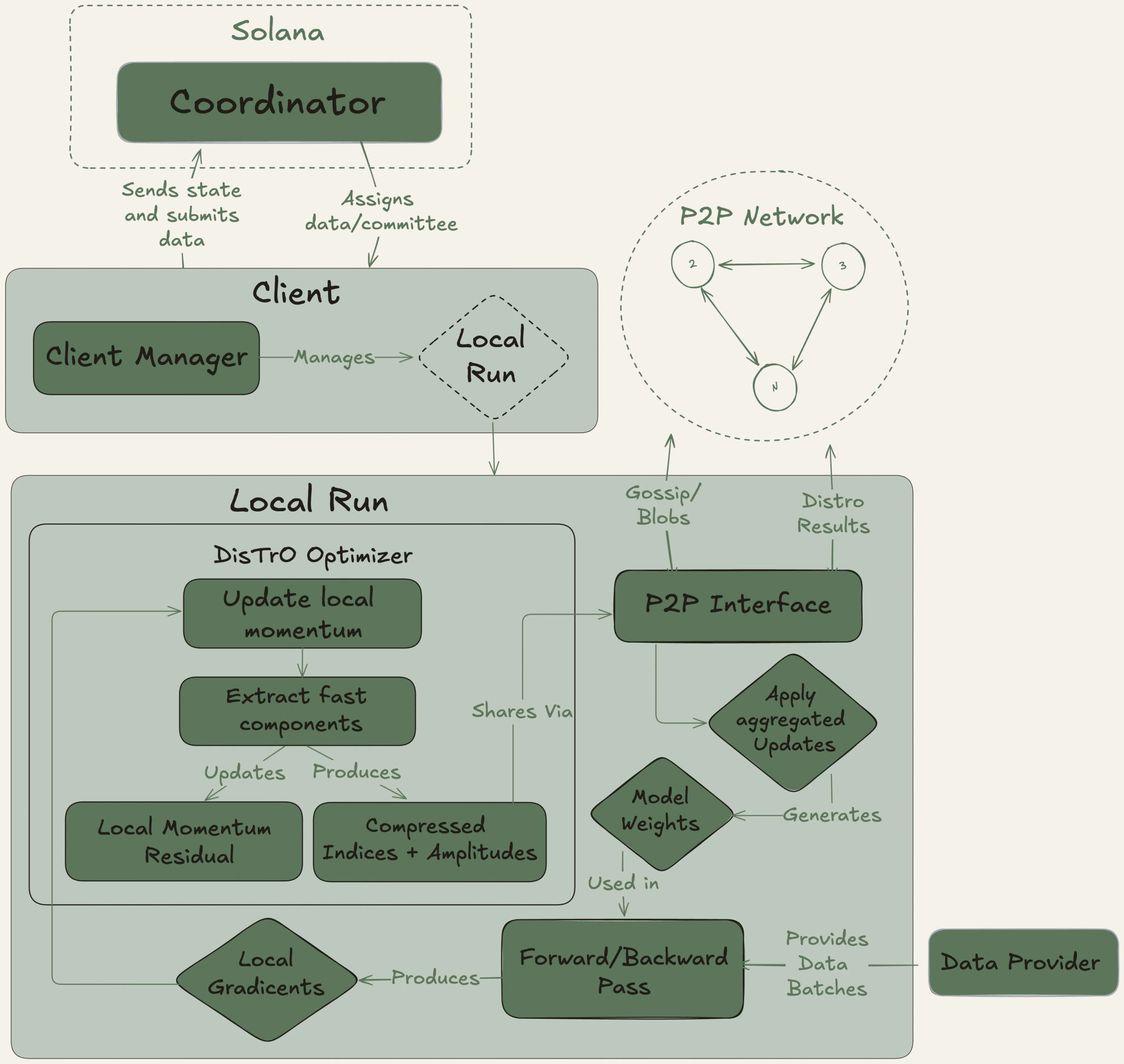
Democratizing AI: The Psyche Network Architecture - NOUS RESEARCH
Psyche is an open infrastructure that democratizes AI development by decentralizing training across underutilized hardware. Building on DisTrO and its predecessor DeMo, Psyche reduces data transfer by several orders of magnitude, making distributed training practical. Coordination happens on the Solana blockchain, ensuring a fault-tolerant and censorship-resistant network.
The Second Brain That Grows Smarter and Lives on your Computer
How a spark from Andrej Karpathy, app called Obsidian, and “The Curator”, the app I built are changing the way I think.
Thoughts on Cyberpositionality: The Construction of Digital Communities in Digital Spaces, Damien Patrick Williams
I found Rebecca Monteleone, Martin Perez Comisso, and Elma Hajric’s “Cyberpositionality: Sociotechnical Location in the Digital Age” (2024) to be an extremely timely and important article which can…

» Apple, Carmen Sandiego, and the Rise of Edutainment The Digital Antiquarian
If there was any one application that was the favorite amongst early boosters of personal computing, it was education. Indeed, it could sometimes be difficult to find one of those digital utopianists who was willing to prioritize anything else — unsurprisingly, given that so much early PC culture grew out of places like The People’s Computer Company, who made “knowledge is power” their de facto mantra and talked of teaching people about computers and using computers to teach with equal countercultural fervor. Creative Computing, the first monthly magazine dedicated to personal computing, grew out of that idealistic milieu, founded by an educational consultant who filled a big chunk of its pages with plans, schemes, and dreams for computers as tools for democratizing, improving, and just making schooling more fun. A few years later, when Apple started selling the II, they pushed it hard as the learning computer, making deals with the influential likes of the Minnesota Educational Consortium (MECC) of Oregon Trail fame that gave the machine a luster none of its competitors could touch. For much of the adult public, who may have had their first exposure to a PC when they visited a child’s classroom, the Apple II became synonymous with the PC, which was in turn almost synonymous with education in the days before IBM turned it into a business machine. We can still see the effect today: when journalists and advertisers look for an easy story of innovation to which to compare some new gadget, it’s always the Apple II they choose, not the TRS-80 or Commodore PET. And the iconic image of an Apple II in the public’s imagination remains a group of children gathered around it in a classroom.
Barefoot Developers

Links about letting non-programmers solve their niche problems with personal vibe-coded software.
MCP Apps
A2UI

Gemini Canvas — write, code, & create in one space with AI

Claude Artifacts

Introducing Patchwork-26
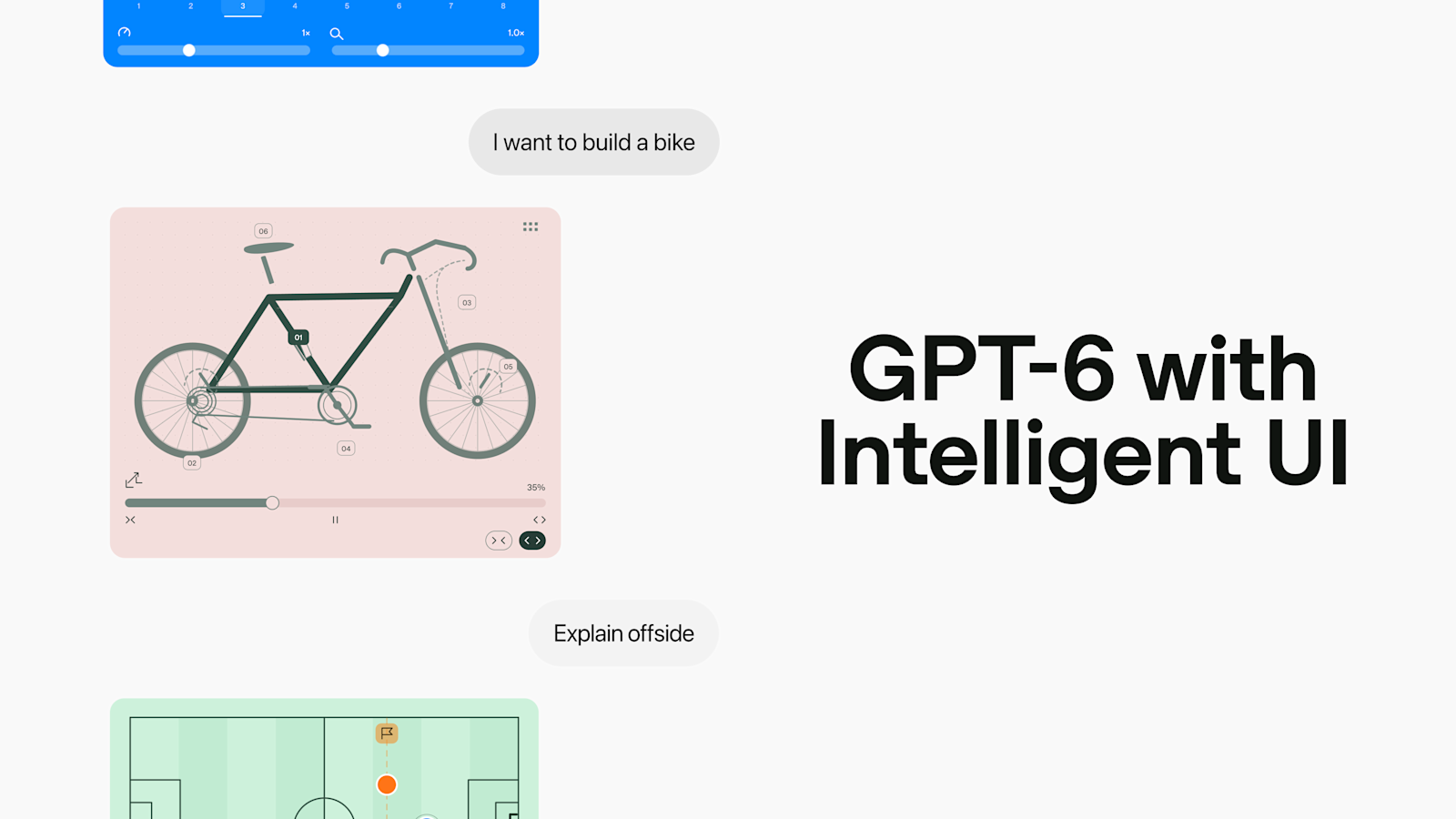
GPT-6 and Intelligent UI for everyone