CSU's multimillion-dollar AI push across its campuses is showing mixed results, according to a major survey of 94,000 students, faculty, and staff from 22 campuses.
ChatGPT Is a Gimmick
AI offers a tempting illusion to students—and evidently to some teachers.
ChatGPT talks too much and it’s ruining learning
How the UX of AI chat can hijack our brains to compromise learning in schools and beyond

CSU AI Survey Report | CSU
Bringing ChatGPT for Teachers to more U.S. school districts
ChatGPT for Teachers is expanding to 55 U.S. school systems, bringing secure AI tools, training, and support to over 100,000 more educators and staff.
On-screen and now IRL: FSU researchers find evidence of ChatGPT buzzwords turning up in everyday speech
Within five days of ChatGPT’s release in 2022, the artificial intelligence chatbot gained more than a million users. Today, more than half of all adults

Jay Van Bavel, PhD on Twitter / X
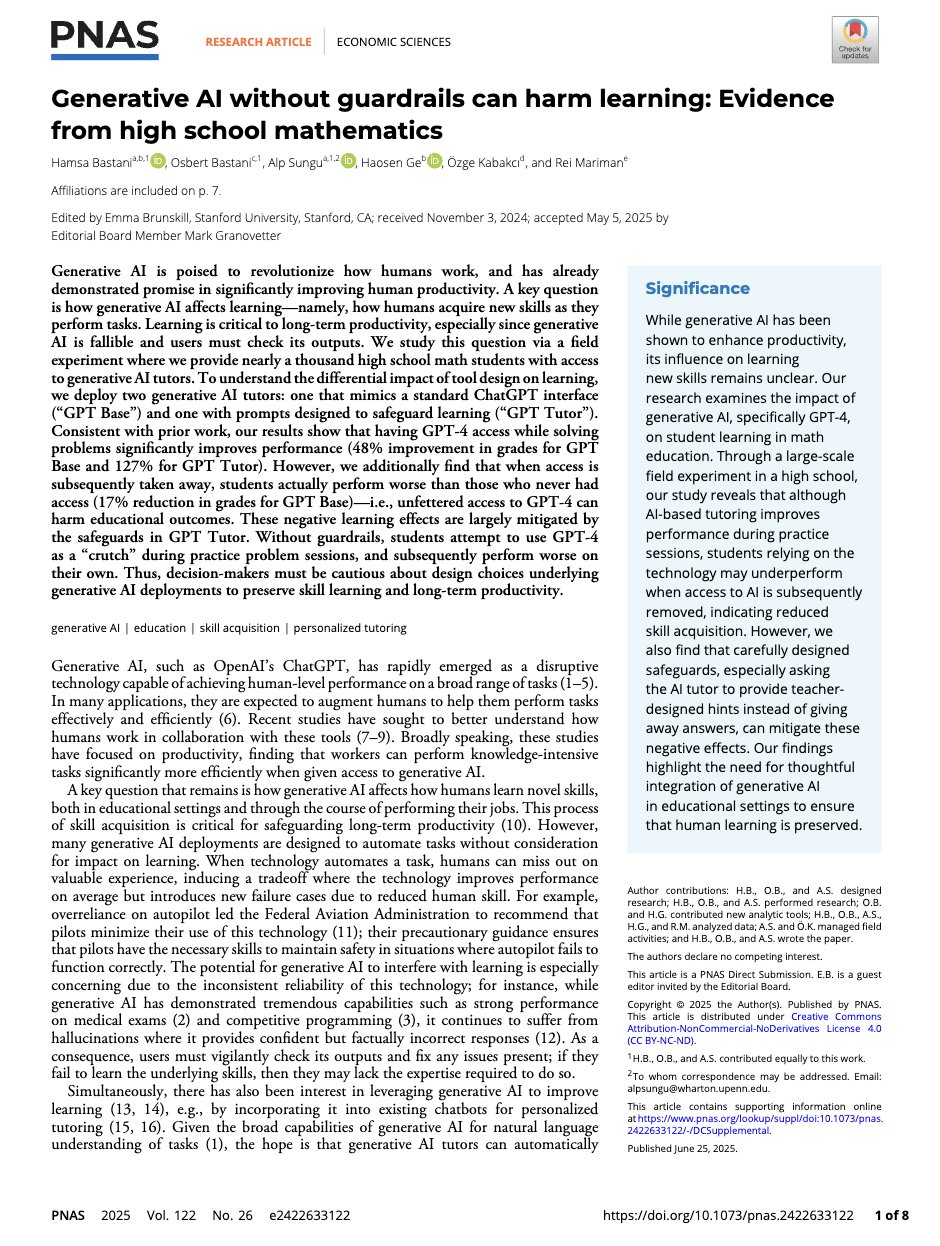
Giving students unfettered access to chatbots can harm educational outcomesHaving AI access while solving problems significantly improves performance (48% improvement in grades for GPT Base and 127% for GPT Tutor).However, when access to AI was taken away, students actually… pic.twitter.com/2g8GJcoRya— Jay Van Bavel, PhD (@jayvanbavel) July 18, 2026
A milestone in expanding access to AI
ChatGPT Ads reaches $1 billion in annualized revenue run rate and expands globally, supporting broader access to AI through free and affordable options.
This big university system is embracing AI. Students and faculty aren't all on board
The California State University system offers an early look at what happens when an administration commits to a technology that its own community isn't convinced will improve education.

ChatGPT's market share slips below 50% for first time | TechCrunch
The chatbot still remains the most popular AI assistant worldwide with over 1.1 billion monthly users, followed by Gemini with 662 million and Claude with 245 million.

AI chatbots are becoming experts at changing people's minds. What's their secret?
ChatGPT and other AIs use a flood of facts, and the occasional lie, to persuade humans

Alex Veremeyenko on Twitter / X
MIT published a brutally honest report on what AI is doing to students.A committee of professors and students spent five months studying how AI changed learning on campus, and the findings read like a warning to every university on the planet.Study groups are disappearing.… pic.twitter.com/kSxKk4h06o— Alex Veremeyenko (@alex_verem) September 12, 2026
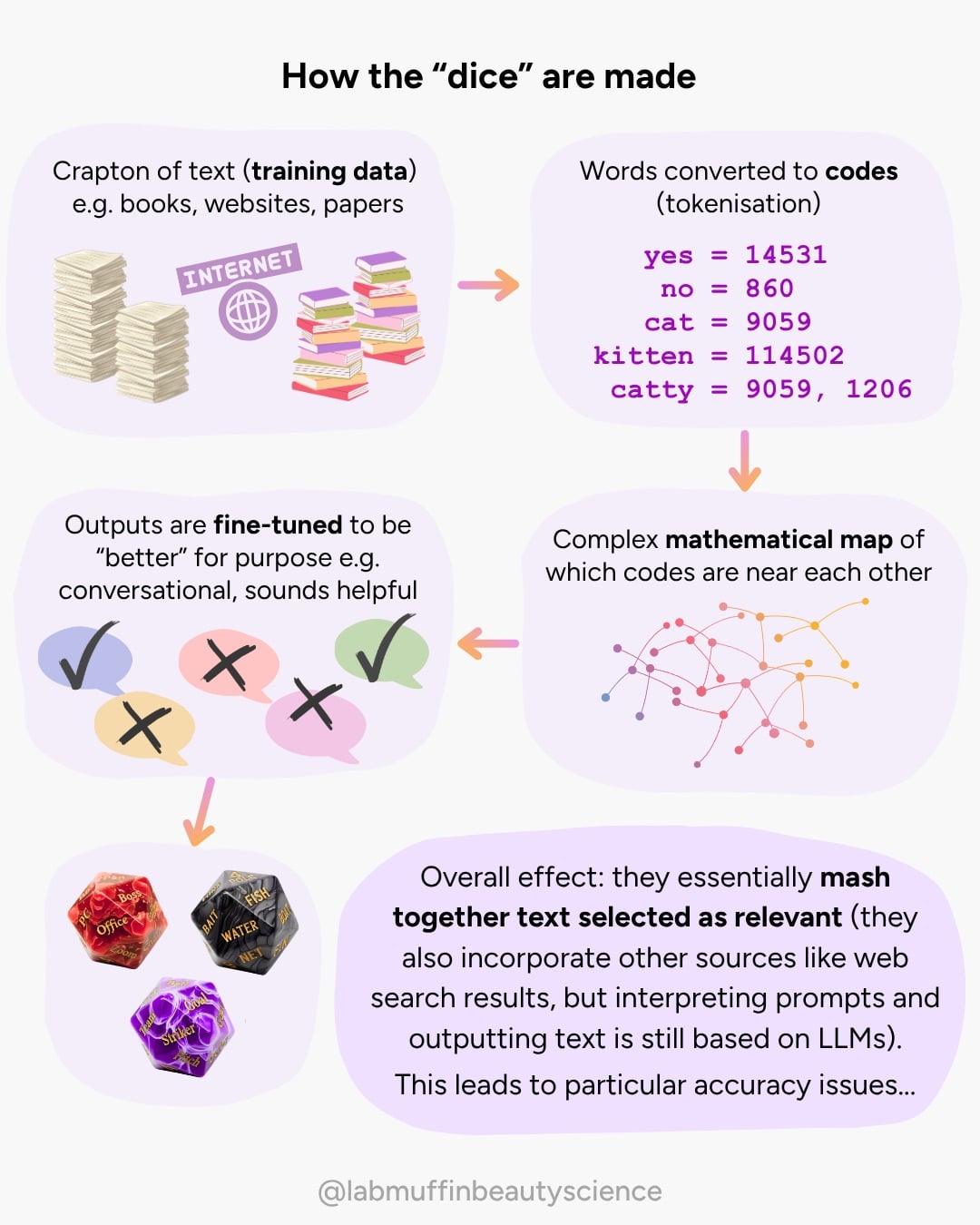
Why you can’t trust AI chatbots for science | Lab Muffin Beauty Science
Lazy AI-generated content is everywhere now. Unfortunately, AI chatbots like ChatGPT, Claude and Gemini aren't reliable for factual content, especially science content. AI chatbots don'
AI is killing the web. Can anything save it?
The rise of ChatGPT and its rivals is undermining the economic bargain of the internet

ChatGPT acts as a "cognitive crutch" that weakens memory, new research suggests
A recent experiment provides evidence that relying on artificial intelligence to study tends to reduce how much information students remember weeks later.
The Age Of Artificial Intelligence: Americans' AI Use Increases While Views On It Sour, Quinnipiac University Poll On AI Finds; 7 In 10 Think AI Will Cut Jobs With Gen Z The Most Pessimistic | Quinnipiac University Poll
"The contradiction between use and trust of AI is striking. Fifty-one percent say they use AI for research, and many also use it for writing, work, and data analysis. But only 21 percent trust AI-generated information most or almost all of the time. Americans are clearly adopting AI, but they are doing so with deep hesitation, not deep trust," said Chetan Jaiswal, Ph.D., Associate Professor of Computer Science and Associate Chair, Department of Computing, Quinnipiac University School of Computing and Engineering.
Proton survey: People don't trust AI, but they tell it everything | Proton
New research finds that most AI chatbot users have shared something sensitive, but few trust the companies behind them.