


Portland police worked to keep the Proud Boys and other far-right extremist protesters separated from anti-fascist counter-demonstrators.
When protests normalize intolerance: The hidden costs of far-right demonstrations
Large crowds expressing xenophobic views publicly can signal that such beliefs are socially acceptable or mainstream, influencing others to think this behavior is normal

Far Right Groups Targeting Pride Month - Google My Maps
Tracking the far right anti-LGBTIQ activists, Christian Nationalists, White Supremacists, and violent extremist groups targeting LGBTIQ events during Pride Month. Incident Report: https://tinyurl.com/PrideIncident Map Information: https://tinyurl.com/MappingPride #DefendPride Resources: https://itsgoingdown.org/defendpride/ Project of Radical Reports: https://www.radicalreports.org Contact: radicalreportsnewsletter@gmail.com
The weird time Nazis made common cause with black nationalists
The black nationalist Nation of Islam and the American Nazi Party didn't have a lot in common, but they did believe in staying as far away from each other's race as…
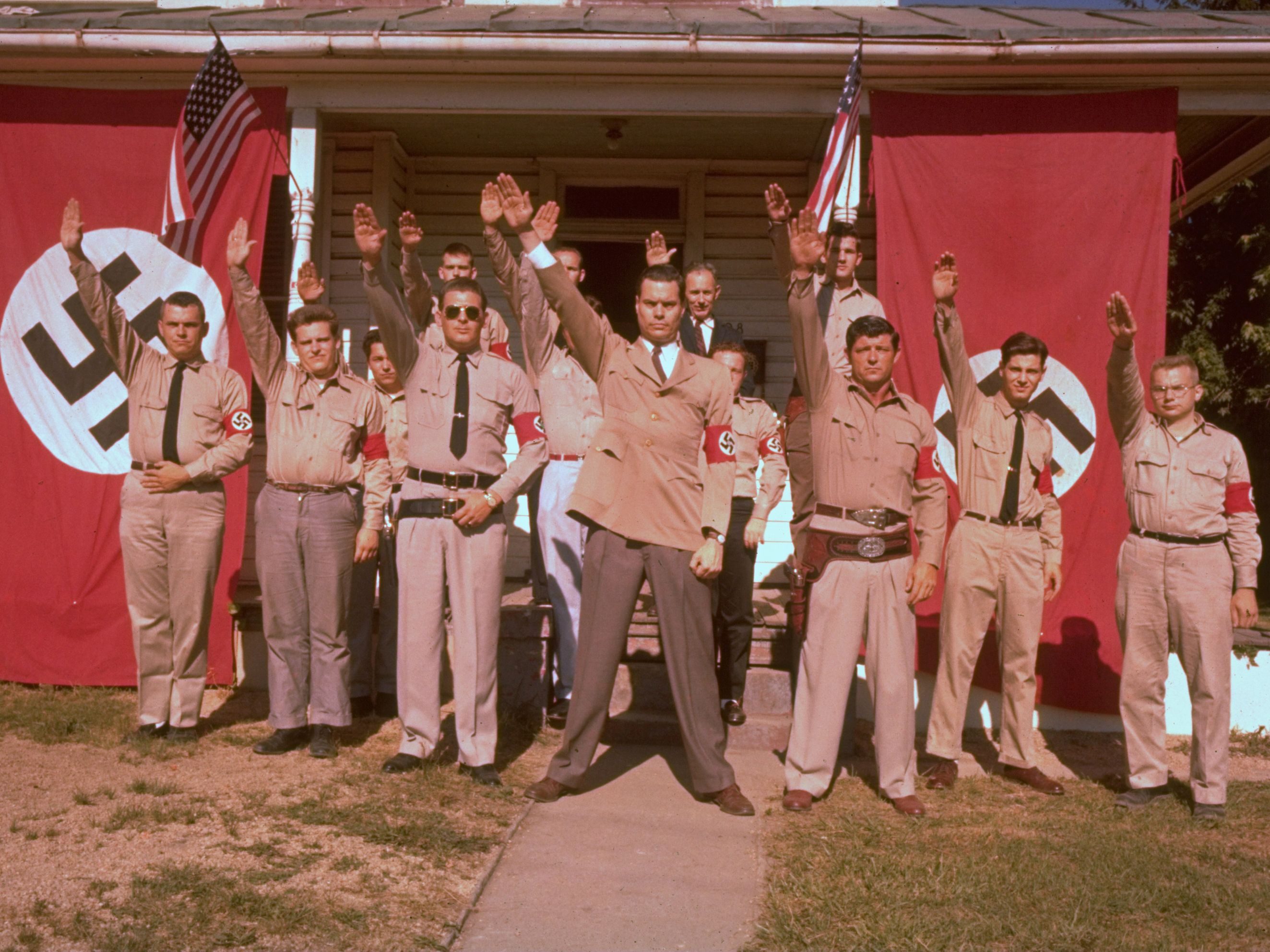
An (accidental?) love letter to the lunkheads
Taking a closer look at the BBC Home Affairs Editor’s gentle coverage of street fascists.
The Anti-Mamdani 9/11 Bigotry Has Become the Stupidest News Cycle Yet
Bigoted City councilmembers and pathetic Wall Street Journal blowhards are melting down over the stupidest nonsense.
Left & Right: The Psychological Significance of a Political Distinction
This book brings together for the first time an updated, revised collection of influential essays and articles that capture some of the most exciting scientific and scholarly contributions to the topic ...

Left-Wing Group Too Disorganized For FBI Agents To Infiltrate
NEW YORK—Admitting that they had been working for several years without any discernible success, FBI agents confirmed Wednesday that a local left-wing political group was too disorganized to infiltrate. “We’ve had a few guys in there posing as members and trying to manipulate them into committing acts of violence we can arrest them for, but these people don’t ever do anything violent—they don’t ever do anything at all,” an undercover FBI agent told reporters, adding that the agency believed they’d made headway with turning the leader of the Liberation Socialists group into an informant until the guy didn’t show up to a meeting for months. “These people are incredibly disorganized. We try to attend their meetings to get them to unwittingly work on our behalf, but half the time no one shows up but the undercover agents, and the other half of the time the meetings are so confusing it’s impossible to follow what they’re actually trying to do. We also tried to sow division in their ranks to ensure that they couldn’t become powerful, but that didn’t work because these people already all fucking hate each other. They spend all their time arguing about minutiae, and most of the time when we try to talk them into doing something violent to the communal spaces in their community, they don’t even know where to go. They’re just a mess.” The FBI agent added that he was worried the left-wing organization was on to him, as he’d already aroused suspicion by interrupting a meandering discussion of principles with a straightforward plan of action.

Who are the rightwing influencers filling Trump’s head with visions of antifa?
Meet the content creators whose videos from Portland and Chicago shape the president’s distorted view of reality
How Anti-LGBTQ+ Rhetoric Fuels Violence
Hate speech from the far right is increasing the risk of violence against LGBTQ+ people such as the Club Q shooting

Trump questioned perception of Portland before approving military plan: 'Am I watching things on television that are different from what's happening?'
President Trump had said he will send troops to Portland to protect U.S. Immigration and Customs Enforcement facilities, which he said were "under attack."
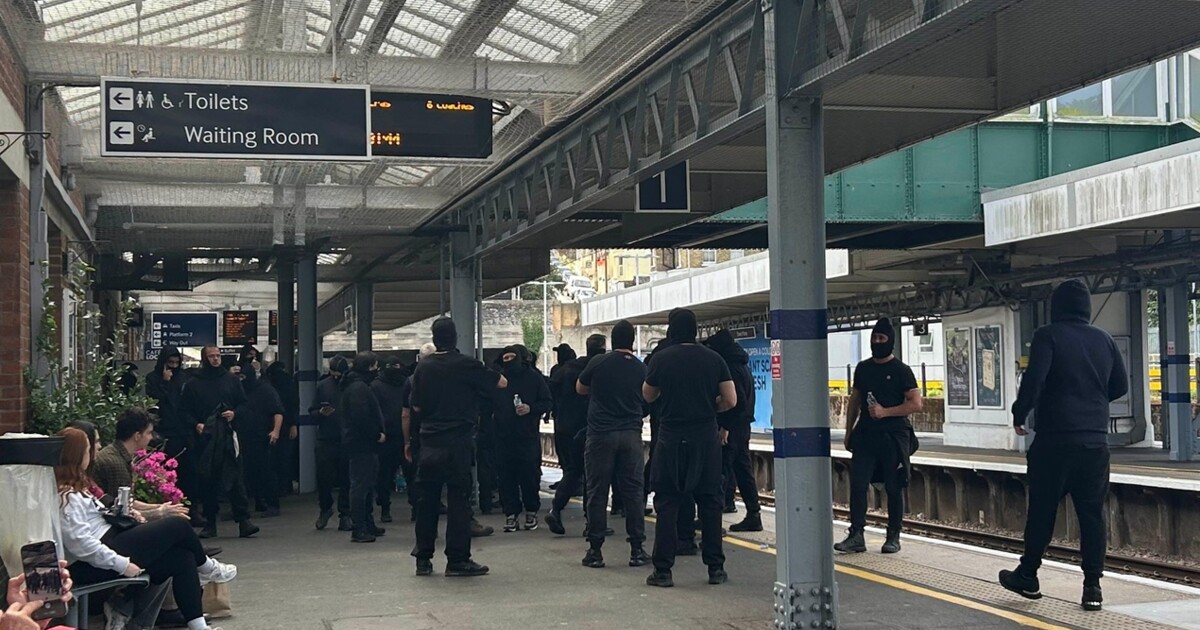
Daniel Trilling | Masks Off
The emergence of Patriot Platform is not necessarily a sign that the far right is getting its way. Radical right-wing...
When Riot Cops Are Not Enough
In When Riot Cops Are Not Enough, sociologist Mike King examines the policing, and broader political repression, of the Occupy Oakland movement. King’s active and daily participation in that movement provides a unique insider perspective to illustrate how the Oakland police and city administrators lost the ability to effectively control the movement.

Oakland, the Last Refuge of Radical America (Published 2012)
The Occupy movement is still wreaking havoc in Oakland, the world capital of anticapitalism.

Public support for the <i>cordon sanitaire</i> : Descriptive evidence from Spain
Reactions to the rise of far-right parties that advocate democratic backsliding, and the dilution of socially liberal democratic norms present a dilemma for existing political parties. How should existing political parties respond to this challenge? A commonly adopted strategy is to apply a cordon sanitaire which excludes radical right-wing challengers from the government-forming process. Do voters support this policy? Leveraging data from Spain – where the mainstream right has accommodated the radical right-wing party, VOX, via numerous governing coalitions – I rely on individual citizens’ views on how parties should respond to rise of the far-right party, to answer this question. Empirically, the results show very low-level support for the cordon sanitaire in Spain. Indeed, the modal position of the electorate, regardless of their ideological position, is to treat the party just like any other. These results are not conditioned by the propensity of individuals to identify VOX as indeed being a “radical right” party. These descriptive findings suggest that whilst radical right-wing parties may present an inimical threat to democratic norms, citizens do not necessarily view the means of squashing this threat to be one of strategic exclusion. This likely explains why the mainstream right has been able to institutionalise VOX as a political ally: where strategic exclusion is not expected, the mainstream right need not fear violating an expectation that does not exist.
The far right is acting as one party. When will we? | Euractiv
Liberal institutions treat each surge of populism as a domestic challenge to be managed within national elections or courts. Meanwhile the far right amplifies each other’s victories, recycles each other’s talking points, and shares disinformation
