


A review of Katrina Manson, “Project Maven: A Marine Colonel, His Team, and the Dawn of AI Warfare” (Norton, 2026).
AI Warfare Is Already Here
US military operators started out skeptical about AI, but now they are the ones developing and using Project Maven to identify targets on the battlefield.
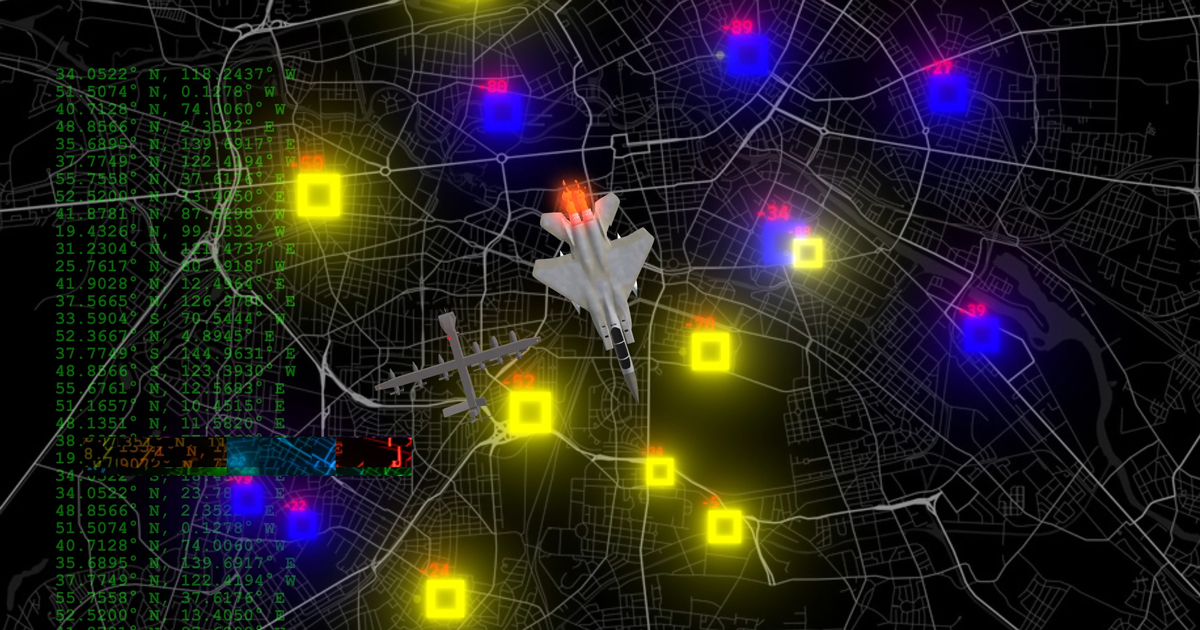
Meet the Gods of AI Warfare
In its early days, the AI initiative known as Project Maven had its fair share of skeptics at the Pentagon. Today, many of them are true believers.

Statement from Dario Amodei on our discussions with the Department of War
A statement from our CEO on national security uses of AI
The shifting battlefield: technology, tactics, and the risk of blurring lines in warfare - Humanitarian Law & Policy Blog
The accelerating integration of emerging technologies into armed conflict is transforming not only the tools of war, but its tactics, geography, participants and impact. Technological developments – from commercial drones to artificial intelligence, electronic warfare to the military use of civilian infrastructure – risk undermining boundaries between military and civilian domains. These changes challenge long-held...
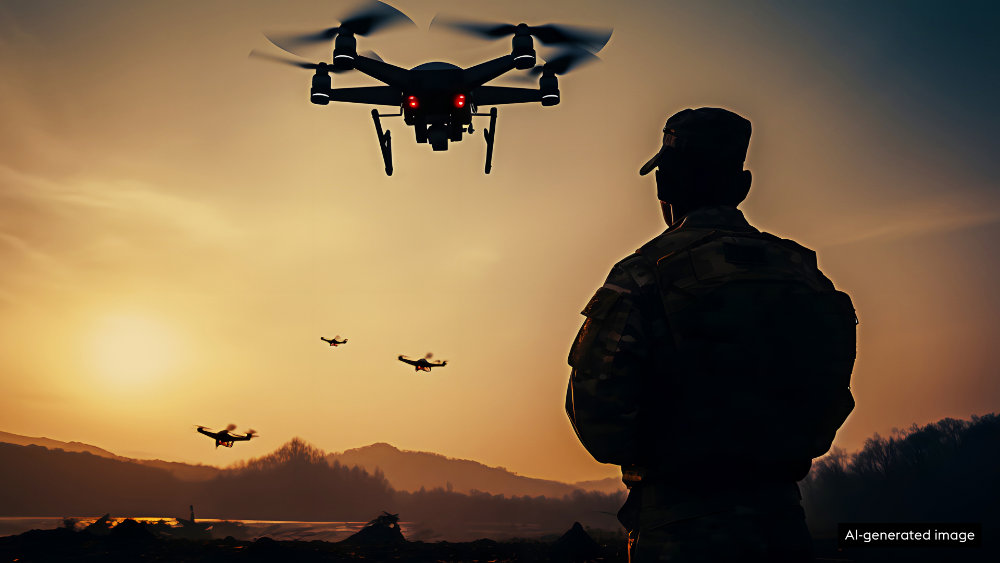
Responsible use of AI in the military? US publishes declaration outlining principles
12 "best practices" for using AI and autonomous systems emphasize human accountability.
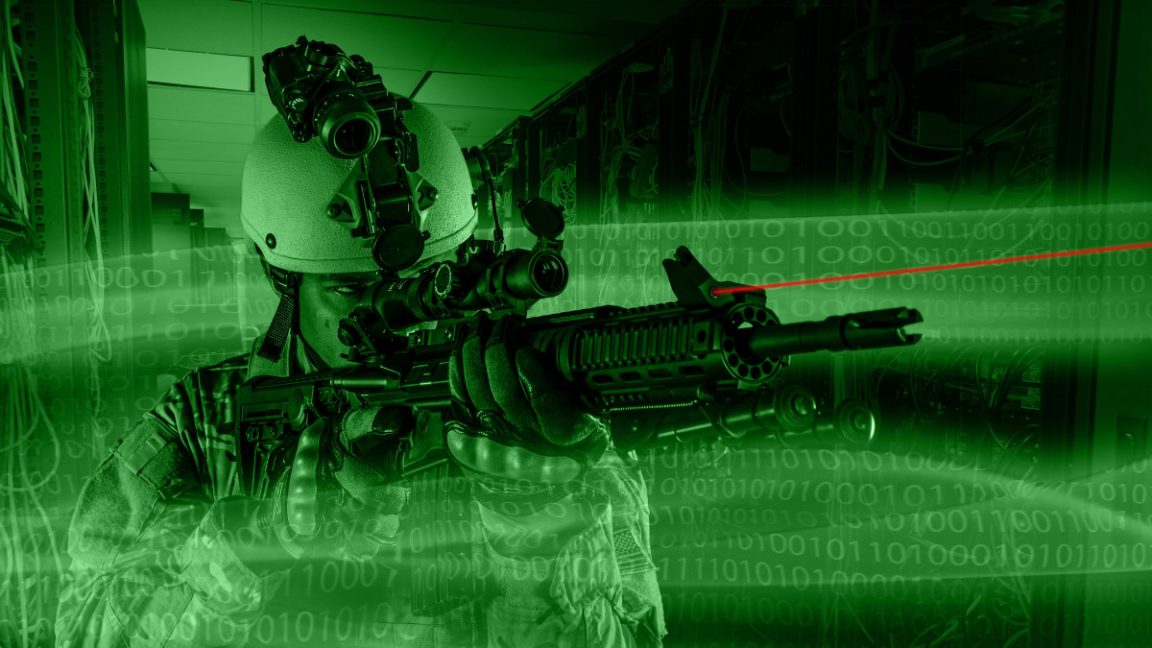
Defense Intelligence: Comprehensive Plan Needed to Improve Stakeholder Engagement in the Development of New Military Intelligence System
Intelligence collected on foreign militaries is critical for the U.S. military. The Defense Intelligence Agency's database for this intelligence doesn...
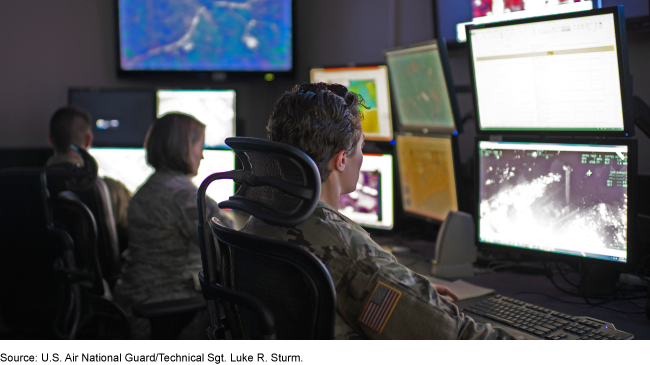
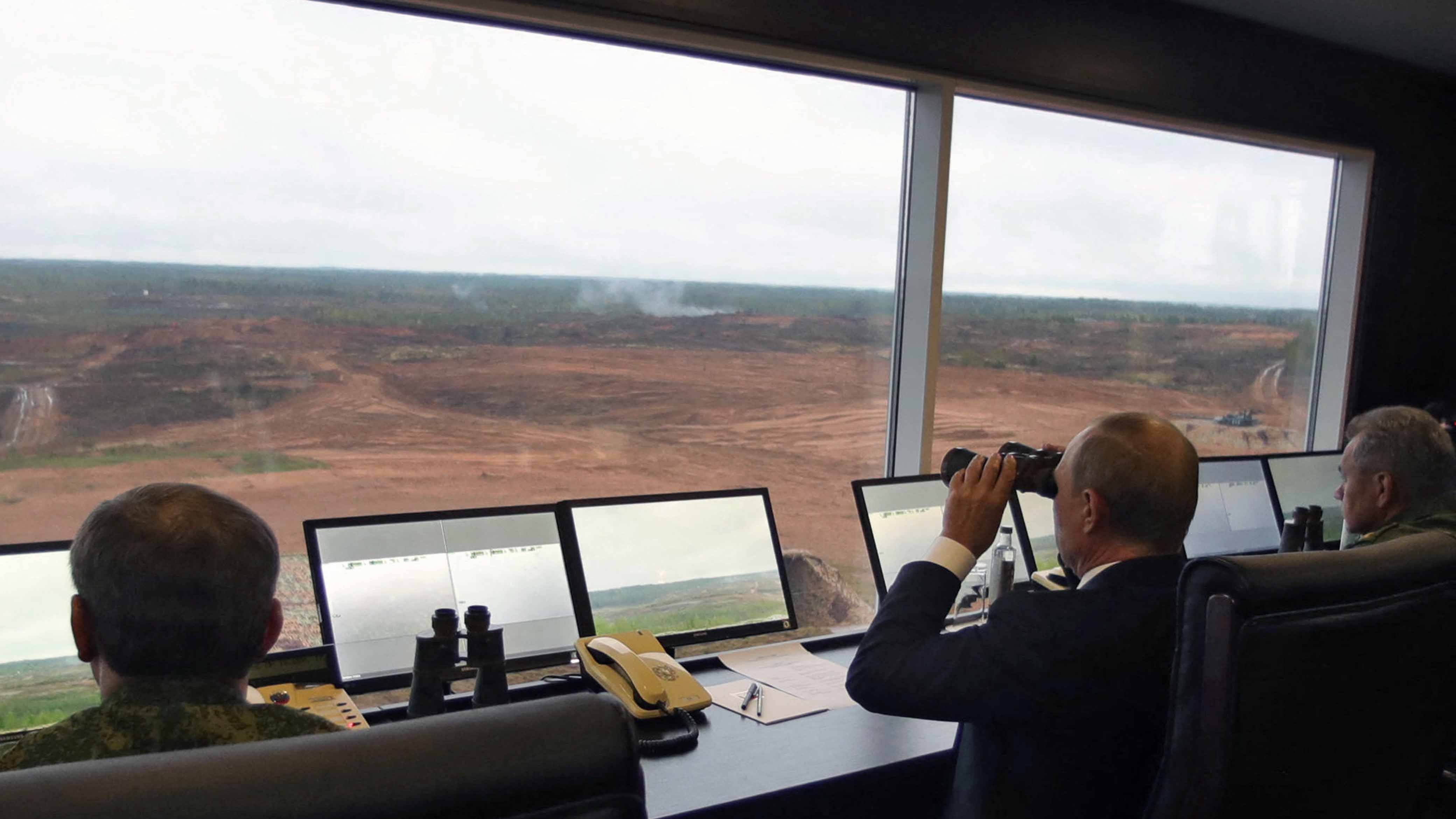
How Russia Is Reshaping Command and Control for AI-Enabled Warfare
Kateryna Bondar examines how Russia conceptualizes, builds, and adapts its command and control (C2) architecture under wartime pressures, in the first installment of a series on Russia’s use of AI in military operations.
The closed world: Systems discourse, military strategy and post WWII American historical consciousness
This essay proposes a cultural and historical explanation for the American Military's fascination with computing. Three key elements of post-WWII US political culture — apocalyptic struggle with the USSR, subsuming all other conflicts: a long history of antimilitarist sentiment in American politics; and the rise of science-based military power — contributed to a sense of the world as a closed system accessible to American technological control. A developing scientific systems discourse, centrally including computer science and AI, was adopted for strategic thinking and military technology. The Strategic Computing and Strategic Defense Initiatives are discussed as contemporary examples of this conjunction.
I use AI for security work - Tilmon Edwards
A brief introduction to how one might start to think about deploying AI agents into mission-critical applications.
Home - Inside Atlassian
Research, expert perspectives, and product announcements from Atlassian on how teams can work smarter with AI. Subscribe for monthly insights on the future of teamwork.

Home - Inside Atlassian
Research, expert perspectives, and product announcements from Atlassian on how teams can work smarter with AI. Subscribe for monthly insights on the future of teamwork.

The Trap of Instant Heroism in the Era of AI
AI has expanded what engineering leaders can do.

AI hallucination of Chinese nuclear components almost led to US military attack
But the military's overall use of AI seems to be accelerating.
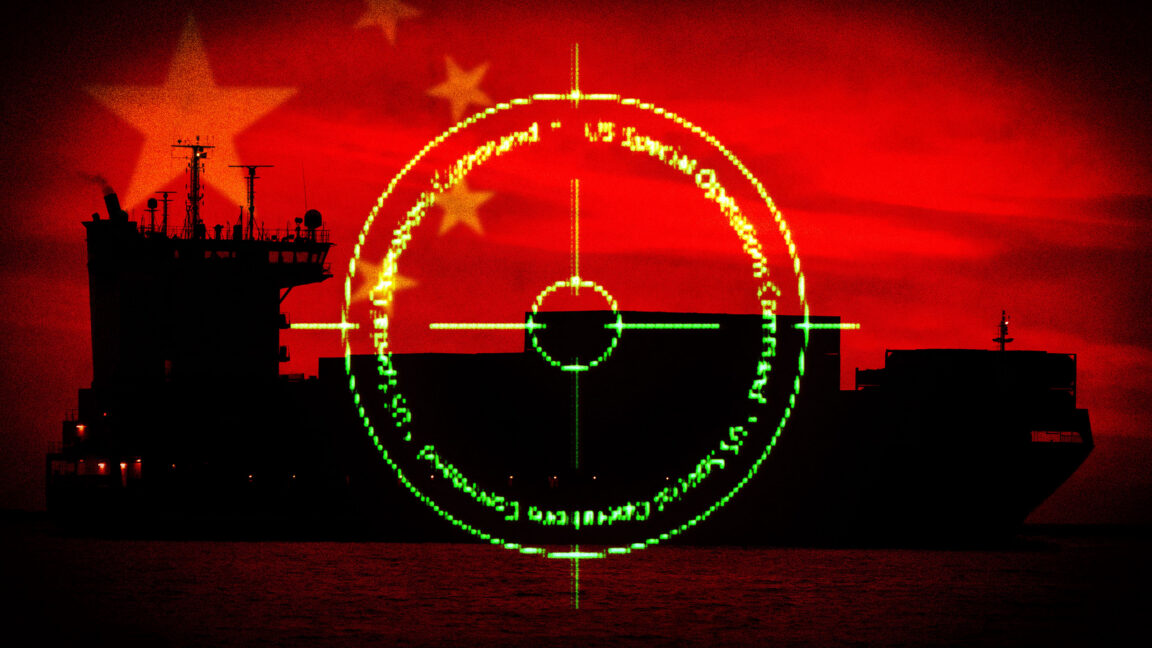
AI, Geopolitics, and National Security (Chapter 8)
Artificial intelligence is reshaping geopolitics by transforming how states generate, interpret, and project power. Rather than producing a single new weapon, AI operates as a general-purpose technology that scales perception, prediction, and decision-making across military, civilian, and informational domains. This chapter argues that AI rivalry increasingly depends on control over material and organizational foundations, including semiconductors, compute infrastructure, data centers, industrial coordination, and institutional adoption. It examines battlefield integration, U.S.–China competition, semiconductor statecraft, cyber operations, information power, and governance. The chapter shows that AI capabilities diffuse rapidly through commercial platforms, open-source ecosystems, and wartime experimentation, while frontier development remains constrained by infrastructure and supply-chain chokepoints. Because AI capability is difficult to measure or verify, governance is shifting away from traditional arms-control models toward export controls, standards, voluntary commitments, and multistakeholder coordination.
AI development and the US military

The education of a computer

Secret History of Silicon Valley
Border Wars : The Science and Politics of Artificial Intelligence

Celebrating the 75th Anniversary of the Turing Test

AI and the techno-utopian path not taken
Verification required