Everyone carries a shadow, and the less it is embodied in the individual’s conscious life, the blacker and denser it is. — Carl Jung …
Shadowing
Shadowing is a qualitative user research method in which a researcher observes participants in real‑life contexts over an extended period without interfering. It is used to gain deep contextual insights into behaviors, workflows, environments, emotions, and workarounds.

Optimistic Nihilism | Ryan Dahl
This post is in response to the Optimistic Nihilism video by Kurzgesagt. Optimistic Nihilism perfectly describes my perspective on life and the universe. I want to add my interpretation of the philosophy and spice it up with some science fiction ideas.
The Bluesky experience.
Throng turns your Bluesky feed into a 3D walking getting yelled at simulator. The timeline becomes a crowd of people running up to recite each post in your face, then wandering off. Yes, it has ragdoll physics. There is also a giant cow. Happy Friday, everyone. [Media: https://bsky.app/profile/cee.wtf/post/3muplmkx56s2k]

BJS: The Wolfpack Illusion
The genie knows, but doesn't care — LessWrong
Followup to: The Hidden Complexity of Wishes, Ghosts in the Machine, Truly Part of You …
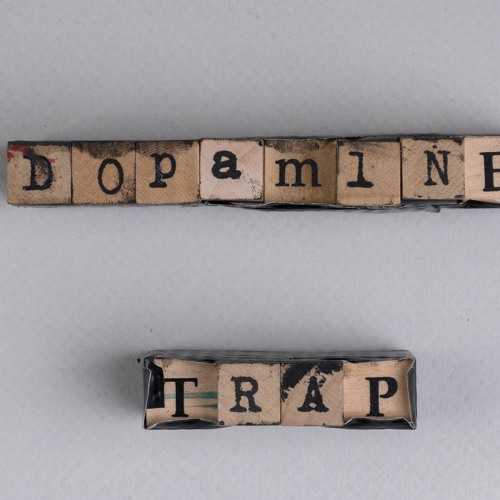
Dopamine Trap
Dopamine Trap does narrative driven decay. With organic noise, apocalyptic soundscapes, and scathing poetry his productions cast lovecraftian solopsisms on the roof of the skull, dripping with tumors of unresolved inter-generational trauma, resignation and reckless, violent love. He delights in emptiness and the granular implications of percussive silence.
Andy Matuschak on Twitter / X
We might become grey goo, but before that, what about our spirits? "The world it envisions for all of us is small, flat, grey, leveled of all exception… a world without heroes or glory… without myths, without men who rise above the rest…"That quote is from a Marco Rubio…— Andy Matuschak (@andy_matuschak) September 9, 2026
25 Best Psychological Anime that'll Make You Think Deep - MyAnimeGo
In the vast and diverse world of anime, there is a genre that delves into the intricate workings of the human mind, offering captivating stories that leave viewers pondering long after the final episode. Psychological anime explores the depths of emotions, thoughts, and motivations through complex characters and mind-bending narratives. These thought-provoking shows challenge conventional […]

Analyzing Divine Machinery as an "”Art Movement"”
The Master and His Emissary: The Divided Brain and the Making of the Western World
In a book of unprecedented scope--now available in a larger format-Iain McGilchrist presents a fascinating exploration of the differences between the brain's left and right hemispheres, and how those differences have affected society, history, and culture. McGilchrist draws on a vast body of recent research in neuroscience and psychology to reveal that the difference is profound: the left hemisphere is detail oriented, while the right has greater breadth, flexibility, and generosity. McGilchrist then takes the reader on a journey through the history of Western culture, illustrating the tension between these two worlds as revealed in the thought and belief of thinkers and artists from Aeschylus to Magritte. "A landmark new book. . . . It tells a story you need to hear, of where we live now."-Bryan Appleyard, Sunday Times "A very remarkable book. . . . McGilchrist, who is both an experienced psychiatrist and a shrewd philosopher, looks at the relation between our two brain-hemispheres in a new light, not just as an interesting neurological problem but as a crucial shaping factor in our culture . . . splendidly thought-provoking. . . . I couldn't put it down."-Mary Midgley, The Guardian Named one of the best books of 2010 by The Guardian
Ultra-Processed Minds: The End of Deep Reading and What It Costs Us
A reflection on the reading life. What formed it, what threatens it, and what remains.

To experience Zen-like awakening, try going the headless way | Psyche Ideas
Try to point to your true self as you’d point to a brick wall, and other experiments in Zen-like awakening
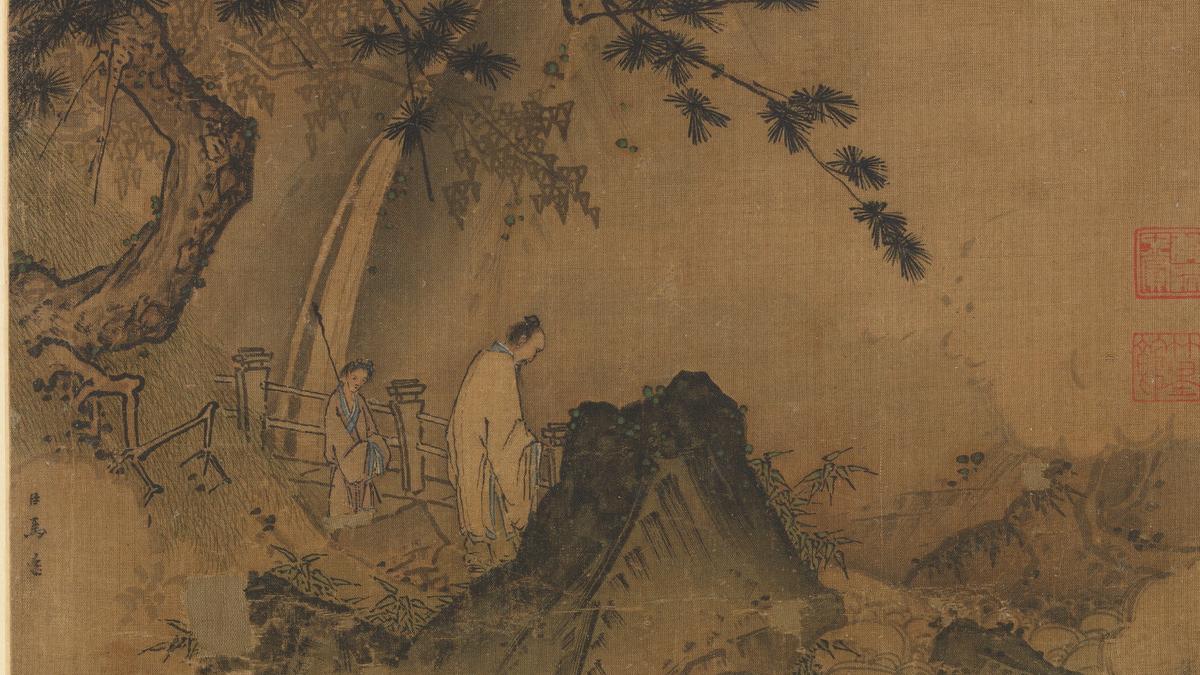
The Perfect Mirror
An experiment with AI spiritual direction almost convinces Matthew Milliner that it works—until the real world breaks the spell.

Anthropic on Twitter / X
New Anthropic research: A global workspace in language models.Of everything happening in your brain right now, only a tiny fraction is consciously accessible—thoughts you can describe, hold in mind, and reason with.We found a strikingly similar divide inside Claude. pic.twitter.com/aLUPBifxth— Anthropic (@AnthropicAI) July 6, 2026
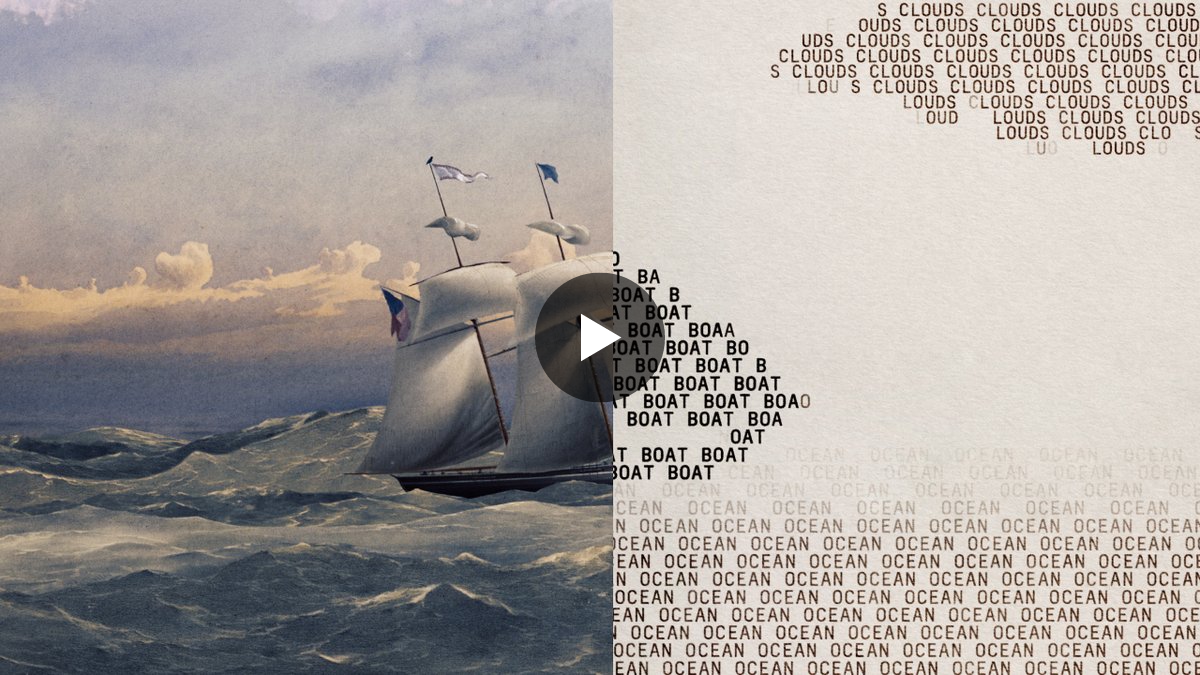
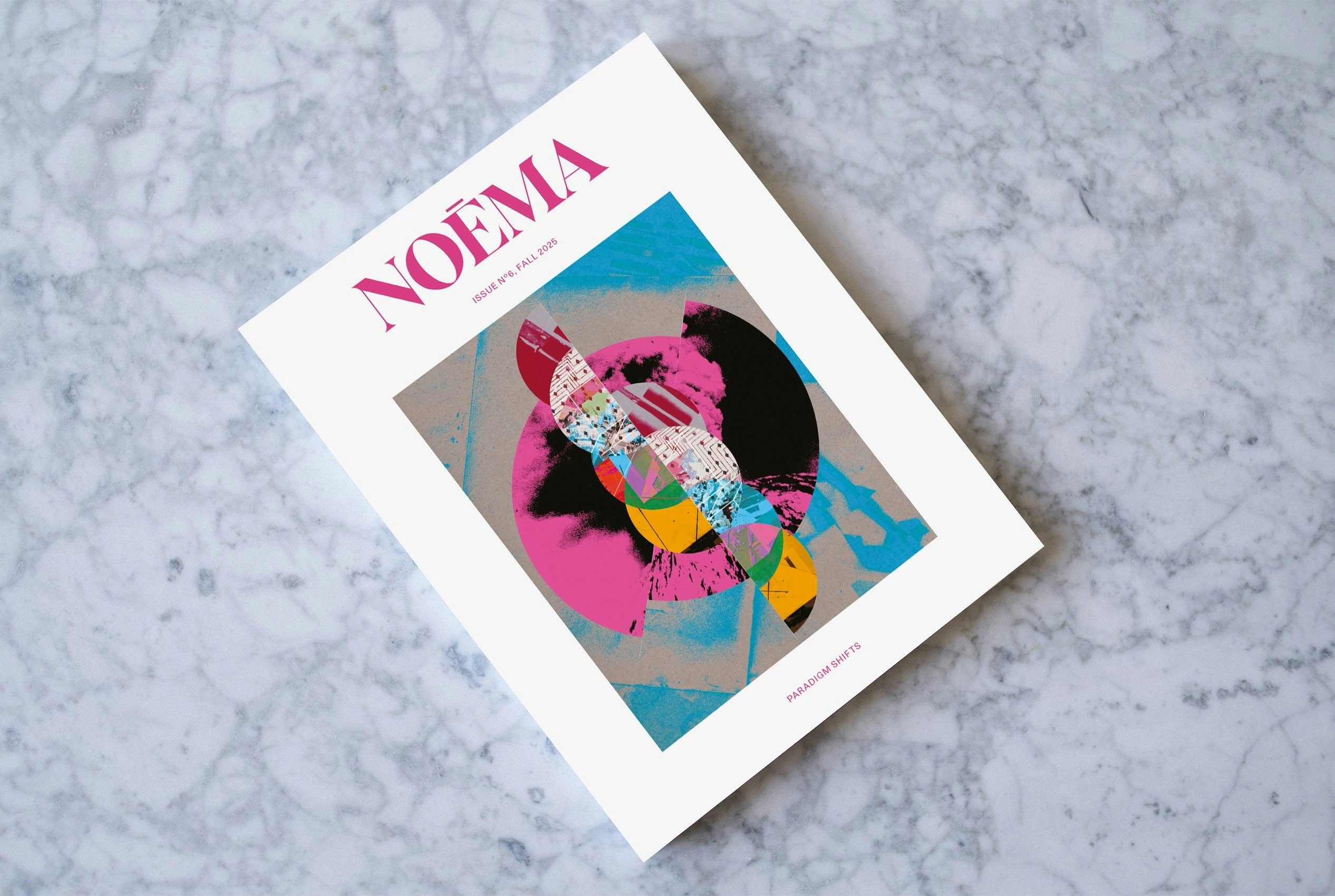
Introducing Noema VI: Paradigm Shifts | NOEMA
Profound transformations occurring simultaneously mark our new Age of Upheaval.