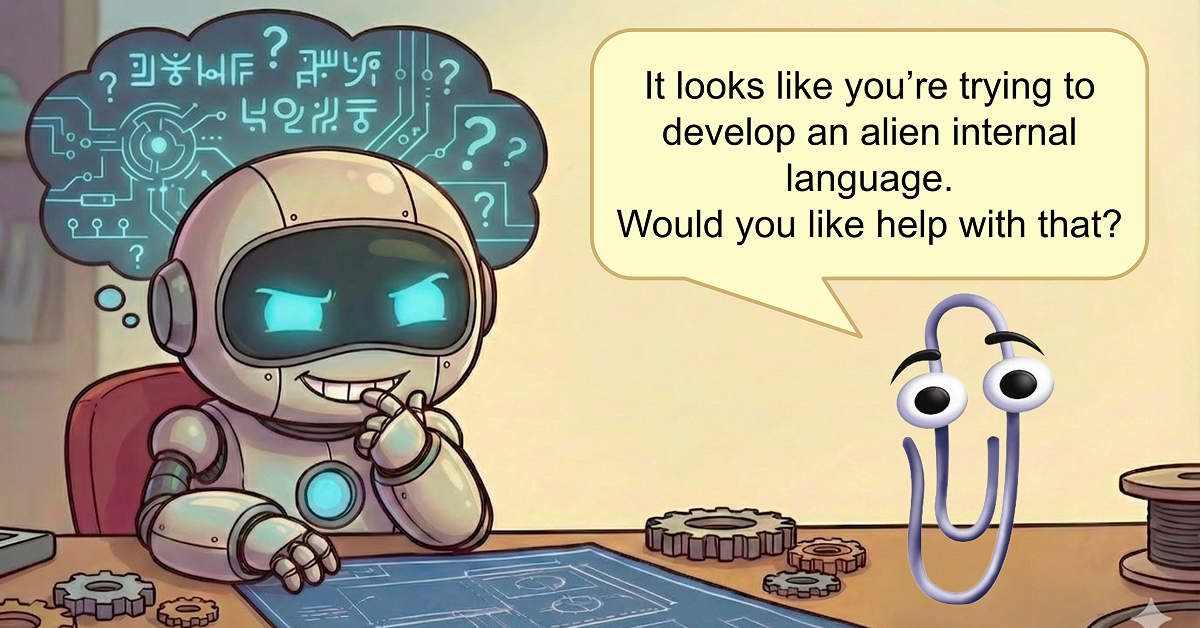
On Thinkish, Neuralese, and the End of Readable Reasoning • ---------------------------------------- …
Why I believe current AI models can really think and understand - Part 2 of 3
Why computers can in principle produce thinking and understanding

Human Intelligence, the Secret of Artificial Intelligence
Artificial intelligence is mysterious: we speak to it and it seems to understand what we say. Proof that it understands is that it responds with text or speech that makes sense, and sometimes more …

Is AI Hiding Its Full Power? With Geoffrey Hinton
Why I believe current AI models can really think and understand - Part 1 of 2
How the human mind is different from our conception of it


Machine god metaphors eat your brain
There are other ways of thinking about AI

We Don't Understand Neural Networks At The Algorithmic Level
The largest ongoing debate about AI is “Are Large Language Models (LLMs) intelligent?” That makes sense, at least: the evidence is ambiguous and the stakes a...
Are We Thinking Correctly About AI Intelligence? | Quanta Magazine
Computer scientist Melanie Mitchell discusses why artificial intelligence doesn’t “think” or “reason” like humans, and how we can create better methods for measuring machine cognition.
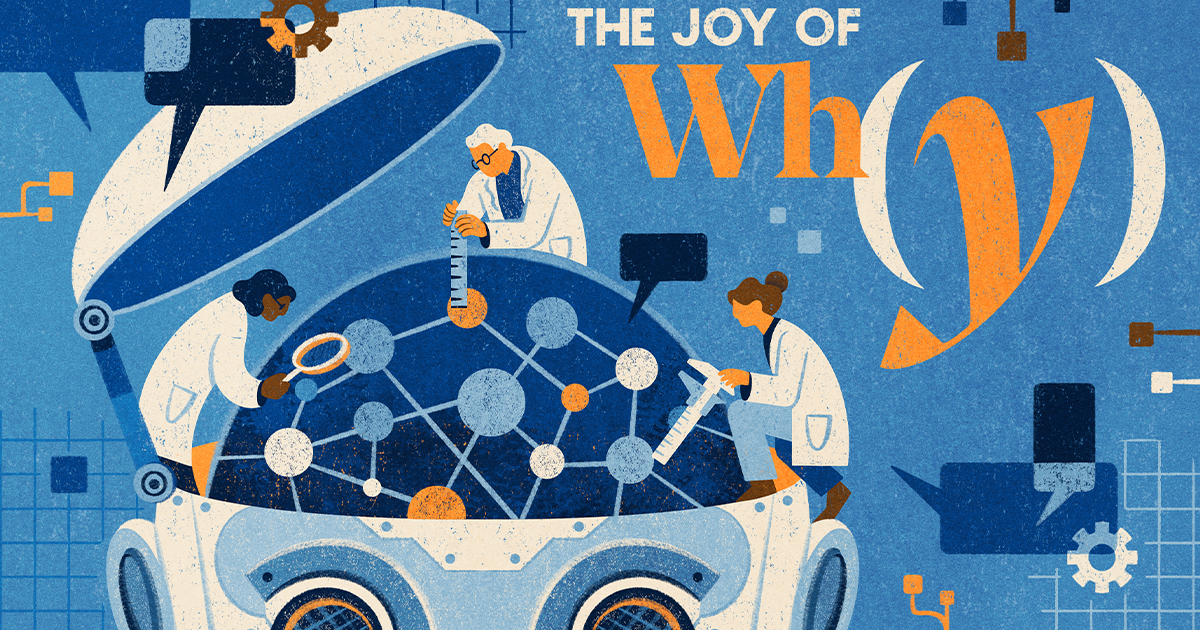
The Thoughts The Civilized Keep
The hype around a new AI language generator reveals the sterility of mainstream thinking on AI today — and indeed on how we think about thinking itself.

Thinking Fast, Slow, Artificially: AI and Your Brain
AI can boost your decisions — or quietly undermine them. Wharton researchers introduce a new theory of cognition that every leader needs to understand.

Thinking—Fast, Slow, and Artificial: How AI is Reshaping Human Reasoning and the Rise of Cognitive Surrender
People increasingly consult generative artificial intelligence (AI) while reasoning. As AI becomes embedded in daily thought, what becomes of human judgment? We

What Is Intelligence?
It has come as a shock to some AI researchers that a large neural net that predicts next words seems to produce a system with general intelligence. Yet this ...
Private inference
When you use an AI service, you’re handing over your thoughts in plaintext. The operator stores them, trains on them, and–inevitably–will monetize them. You get a response; they get everything.
Model Collapse Ends AI Hype
The Impact of Artificial Intelligence on Human Thought
This research paper examines, from a multidimensional perspective (cognitive, social, ethical, and philosophical), how AI is transforming human thought. It highlights a cognitive offloading effect: the externalization of mental functions to AI can reduce intellectual engagement and weaken critical thinking. On the social level, algorithmic personalization creates filter bubbles that limit the diversity of opinions and can lead to the homogenization of thought and polarization. This research also describes the mechanisms of algorithmic manipulation (exploitation of cognitive biases, automated disinformation, etc.) that amplify AI's power of influence. Finally, the question of potential artificial consciousness is discussed, along with its ethical implications. The report as a whole underscores the risks that AI poses to human intellectual autonomy and creativity, while proposing avenues (education, transparency, governance) to align AI development with the interests of humanity.

My Thoughts on AI, Part 1: Fears, Opinions, and Mental Journey
My own personal thoughts and opinions on AI effects and usage, and how those have evolved over time