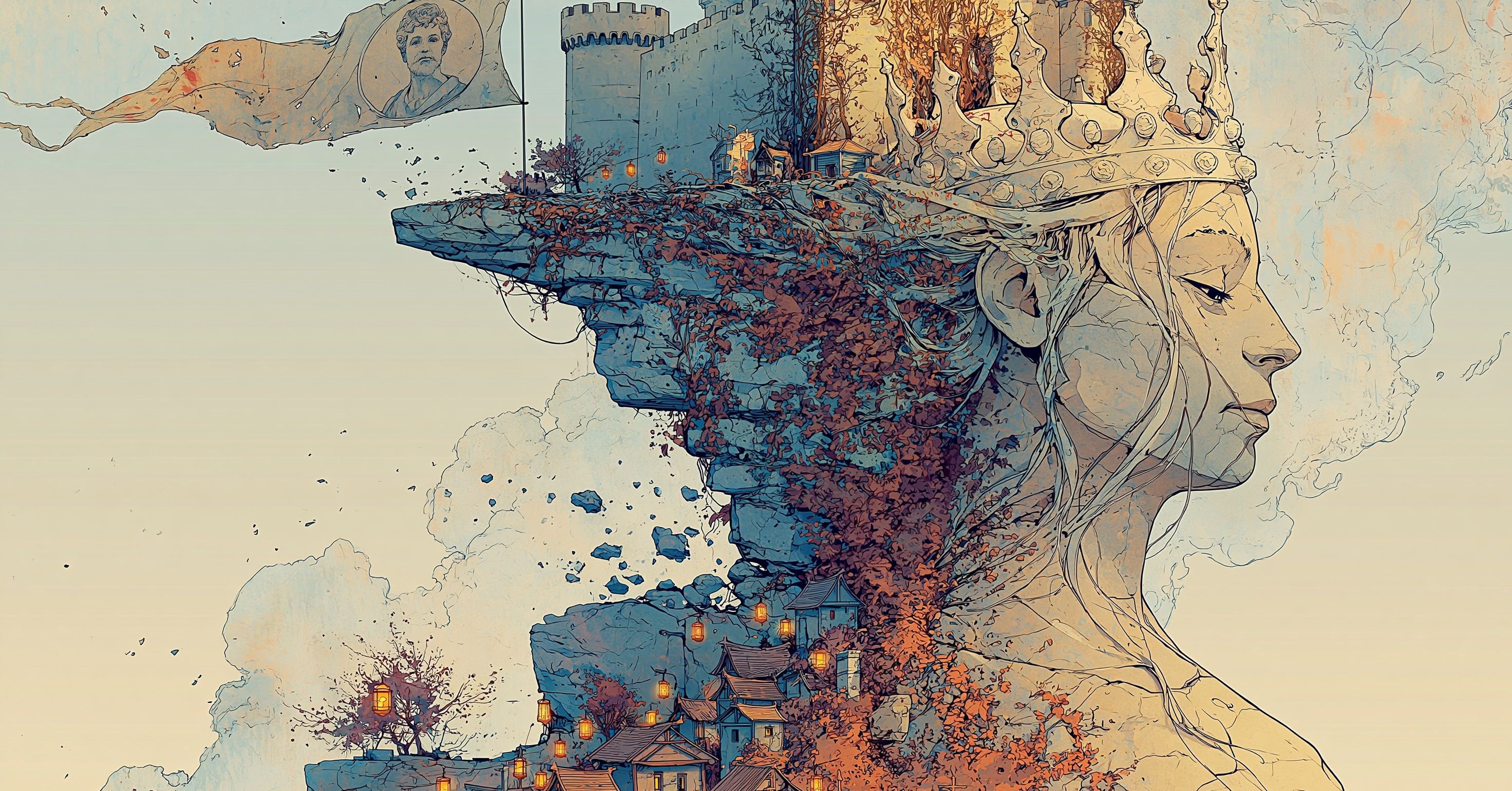
Once upon a time there was a great king. He ruled his kingdom with wisdom and economically literate policies, and prosperity followed. Seeing this, t…
The King of Kings
Evolutionary Morality, the Judgment of Law, and the Necessity of God
Armies Seize Territory. Empires Seize Language. | Jason G. Butterfield | Offprint
What renaming a lake tells us about sovereignty, and the normalization of ownership

Dictatorship, Democracy, and Development
Under anarchy, uncoordinated competitive theft by “roving bandits” destroys the incentive to invest and produce, leaving little for either the population or the bandits. Both can be better off if a bandit sets himself up as a dictator—a “stationary bandit” who monopolizes and rationalizes theft in the form of taxes. A secure autocrat has an encompassing interest in his domain that leads him to provide a peaceful order and other public goods that increase productivity. Whenever an autocrat expects a brief tenure, it pays him to confiscate those assets whose tax yield over his tenure is less than their total value. This incentive plus the inherent uncertainty of succession in dictatorships imply that autocracies will rarely have good economic performance for more than a generation. The conditions necessary for a lasting democracy are the same necessary for the security of property and contract rights that generates economic growth.
William Blake: the scourge of the tyrants
Discover and share books you love on Goodreads.

Collections: How the Weak Can Win – A Primer on Protracted War
Thanks to our volunteer narrator, this post is now available in audio format. This week, in an effort to fill in some of the theoretical basis for thinking about how weaker powers think about fight…

Time and the Neo-Monarchist Turn
One of the classical arguments against democracy concerns its supposed short-termism. Early-modern political thought contrasted the pitfalls of elected authority, whose timebound character was seen to invite inconstancy, instability and plunder, with the merits of indefinite rule on the model of kingship. Such reasoning has seen two revivals in recent years, first in a neo-liberal form as an argument for technocracy (see independent central banking), second in a neo-reactionary form as an argument for an all-powerful executive or ‘monarch’ (see the contemporary international far Right). This article looks at the structure of these political arguments and the work they do. Having reconstructed their historical background, it charts how the neo-monarchist turn marks a radicalisation in democracy-scepticism, guided by a patrimonial logic of authority as property ownership. The article goes on to examine the political-economic factors to which this responds, as well as the contradictions to which neo-monarchism is prone. As the article concludes, temporal arguments for authoritarian politics may be dubious in substance but merit careful observation in a context of widespread disaffection with existing institutions.

Fighting Back: A Citizen’s Guide to Resistance
Ordinary people have more power than they know.
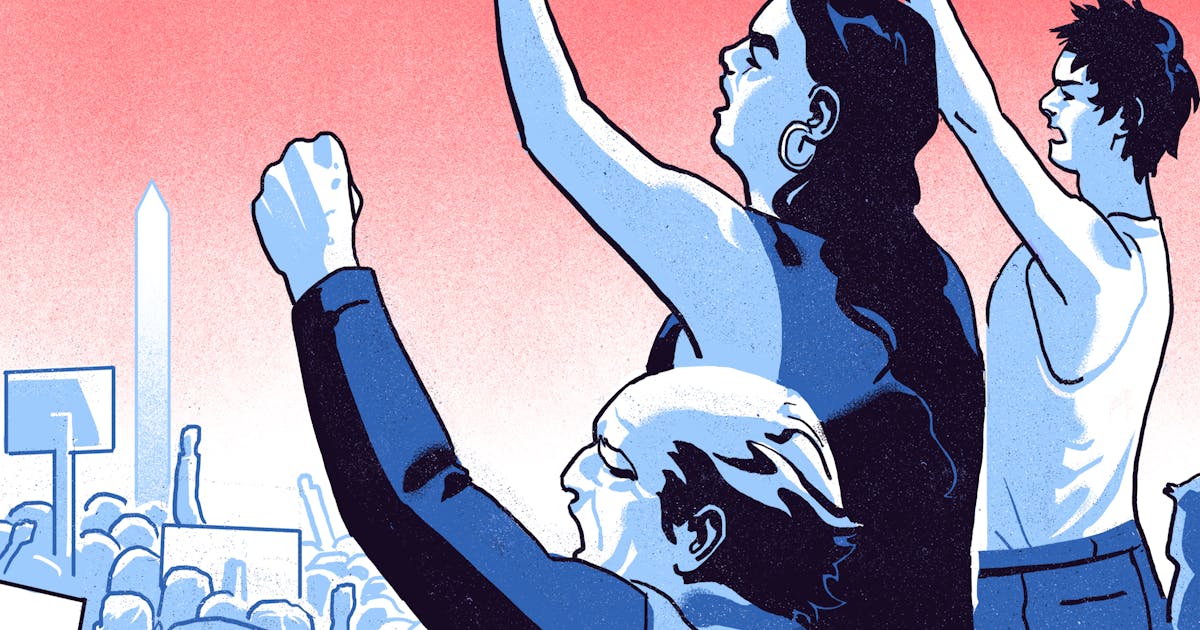
Democracy, Sovereignty, and the Throne Speech That Wasn’t
We have to go back to go forward. Our power to do that is shrinking.

Implicit Feudalism — Rushkoff Archive
Too many of us think it doesn’t matter when a platform like X/Twitter has a single, all-powerful owner. Most of our online worlds are simply run by what we hope are benevolent dictators. After all, we figure, if we don’t like what they’re doing or allowing, we can just leave, right? But in most cases we’re just jumping from one rich dude’s idea for how the world should be to another rich dude’s idea for how the world should be.
Is there more to the legendary lover than his reputation? | Aeon Essays
His name is synonymous with serial seduction but Casanova’s memoirs reveal a man greater than the sum of his ‘conquests’
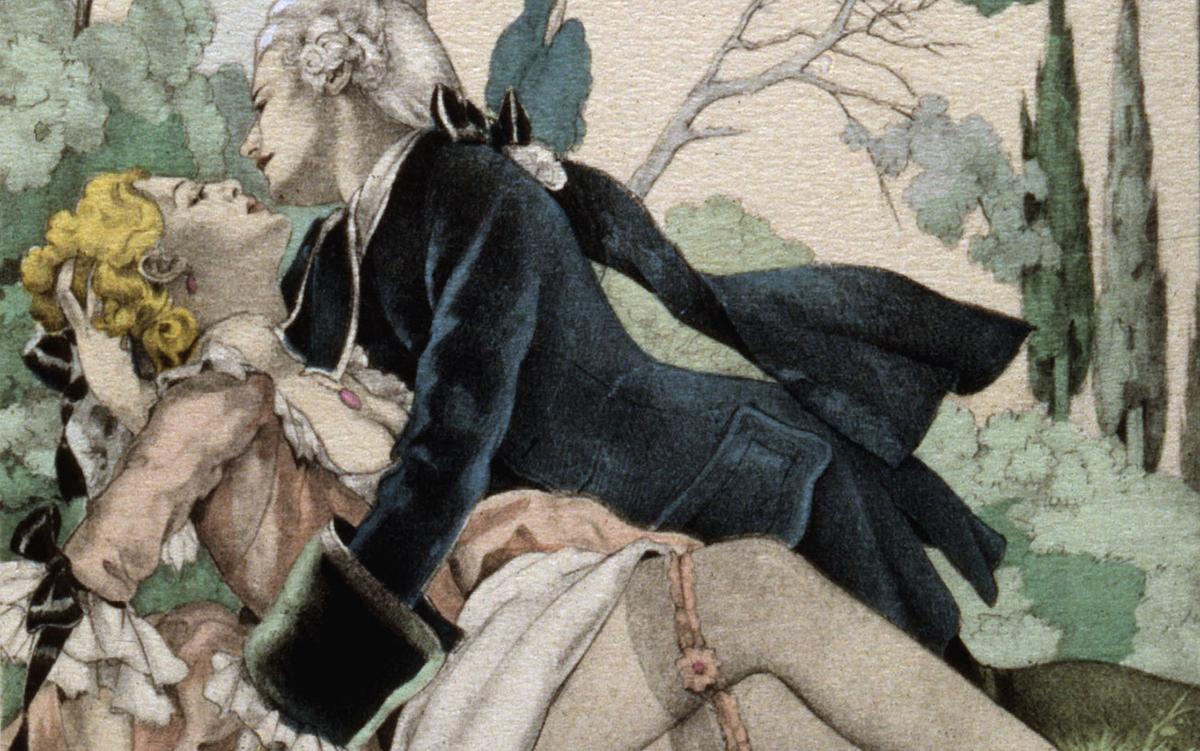
Game of Thrones
Seven noble families fight for control of the mythical land of Westeros. Friction between the houses leads to full-scale war. All while a very ancient evil awakens in the farthest north. Amidst the war, a neglected military order of misfits, the Night's Watch, is all that stands between the realms of men and icy horrors beyond.

Du privilège exorbitant à l’ignorance invincible
traduction française du billet de blog "From exorbitant privilege to invincible ignorance" de Paul Krugman