

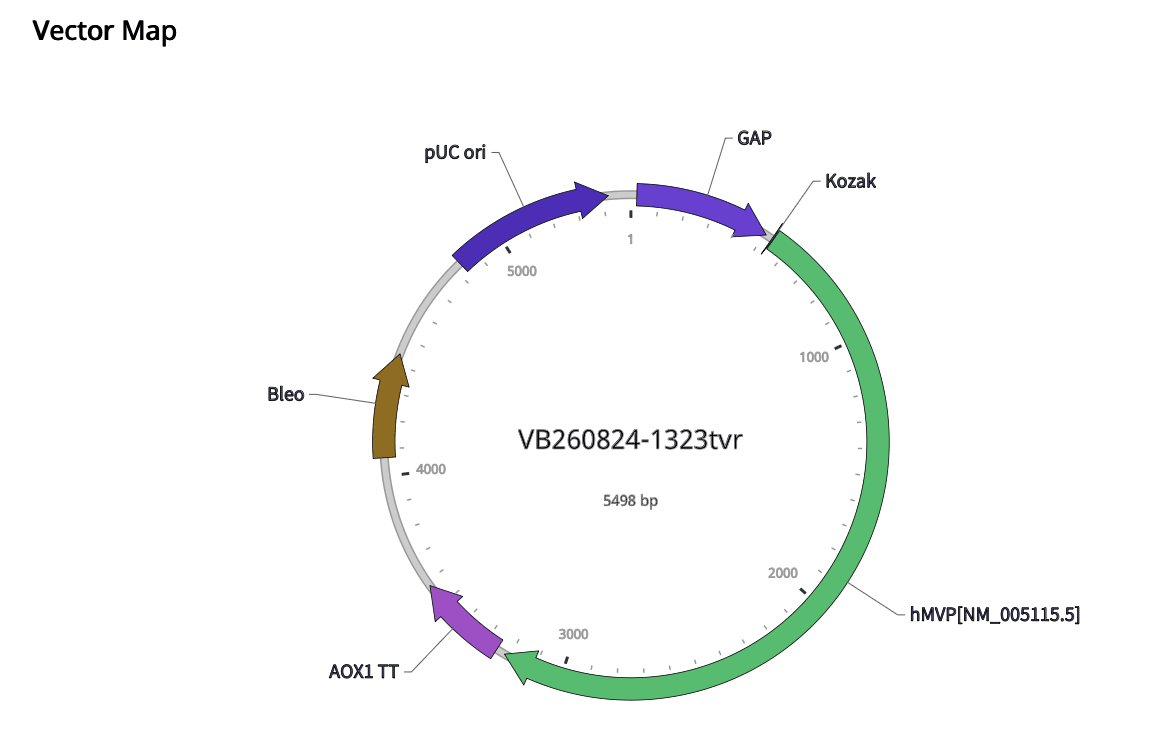
I work on biosafety evals for LLMs, but have never set foot in a wet lab. This seems kind of silly, so this week I decided to change that. …
PRISM: Capturing the Invisible Art of Scientific Practice
A New Tool for Recording and Scaling Laboratory Expertise

Dispatch
An occasional update on the lab’s latest findings, appearances, and happenings.
Training a vision model, or how I learned to stop worrying and love dataset curation
Note: this is not some beginners guide, or how-to. Its an experiment in high dimensional space manifold gymnastics. Quick links to the model and dataset if you don’t care for the narrative version: This is the Badger Model 55 Water Meter: This thing sucks to read. Get down on your knees, enjoy the cement floor of a dark basement room, pull out a flash light and just try to guess if water is leaking from somewhere. The water company knows what they bill you, but your costs jump around li...

Panel: Biodesign x AI: Interactions in the Algorithmic Wet Lab
The Ultimate Guide to Fine-Tuning LLMs from Basics to Breakthroughs: An Exhaustive Review of Technologies, Research, Best Practices, Applied Research Challenges and Opportunities (Version 1.0)
UChicago's Human Computer Integration Lab at CHI 2025 (Introduction by Pedro Lopes)
Billy's Lab — taskai.mycrab.space
The AI Chemist: To be trustworthy, LLMs need to show their work
Good scientists reveal how they do their experiments and report their results; so should any machine-driven research

Edison Scientific Assembles Millennium Problems for Biology | Samuel G. Rodriques posted on the topic | LinkedIn
In light of the progress in mathematics, we at Edison Scientific and FutureHouse have assembled a set of Millennium Problems for Biology. They are chosen to be very hard to solve but very easy to validate in a simple laboratory environment. Any of these, if solved, would mark a major advance in biotechnology, and most of them would contribute materially towards curing disease. These are, in some sense, the “last reasonable eval” for AI in biology. This was work primarily by Michaela Hinks and myself, with contributions from many others. Short descriptions below. The full descriptions of the problems with acceptance criteria are at millenniumproblems.bio. Share more if you have ideas. If they meet our criteria, we’ll add them to our list (with attribution and permission). A few notes on exclusion/inclusion criteria: -We placed a major emphasis on ease of validation, so challenges like “solve aging” are omitted. These should all be validatable in a standard wet lab in a short period of time (days, maybe a week or two.) -We placed a major emphasis on ensuring grading would be as objective as possible, so many great basic science mysteries are also omitted, because it would be very challenging to tell when the mystery was “solved.” (E.g., “uncover the function of the Vault protein,” or “explain how the Oxytricha genome works.”) -We placed a major emphasis on ensuring the problems would be understandable to anyone with a basic biology background, so some highly technical but very important challenges were also omitted. Finally, we anticipate that some problems may require edits in response to community feedback. If you think we got them wrong, please send the feedback, and we will collate and update. Thanks to Adam Marblestone, Michael Baym, Erika DeBenedictis, and Tony Kulesa for reviews. | 52 comments on LinkedIn

An over-engineered Home Lab with Docker and Kubernetes.
Setting up a personal Home Lab is not a task for lazy people: it incurrs a big cost of maintenance and issues arise even though we might use the best IT-Infrastructure practices… but we can always learn a lot out of it and make it also super fun. In this post I would like to share my journey and share some tips and tricks and issues I bumped into. Let’s jump in!

Training great LLMs entirely from ground up in the wilderness as a startup — Yi Tay
Chronicles of training strong LLMs from scratch in the wild

b.next: rebuilding biology for engineering
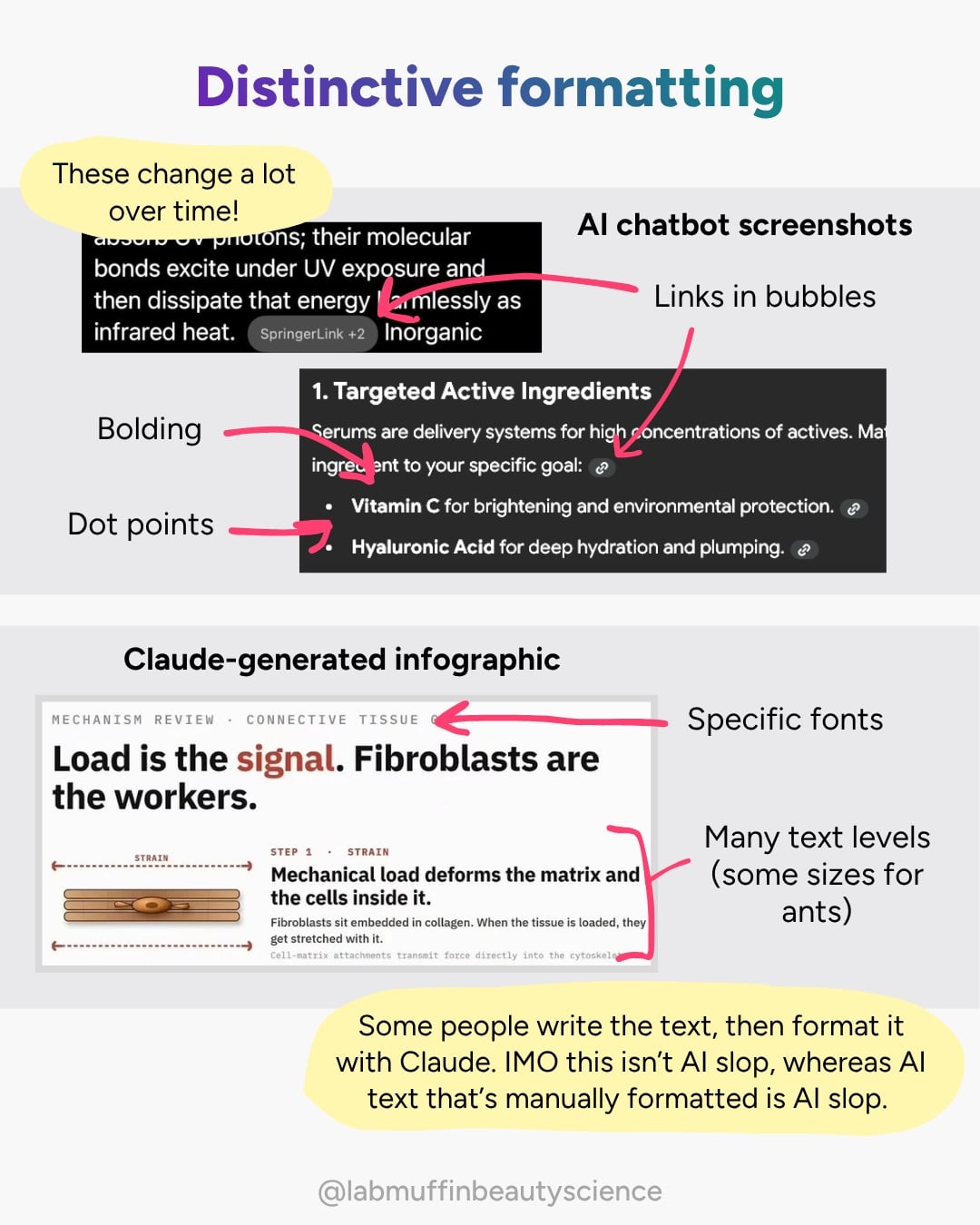
How to spot AI science slop | Lab Muffin Beauty Science
AI-generated science content is super prone to factual errors. Here's how to spot it… Lots of typos and grammatical errors used to signal that something wasn’t checked carefully. Now, it’s AI slop…
Can humans make AI any better?