

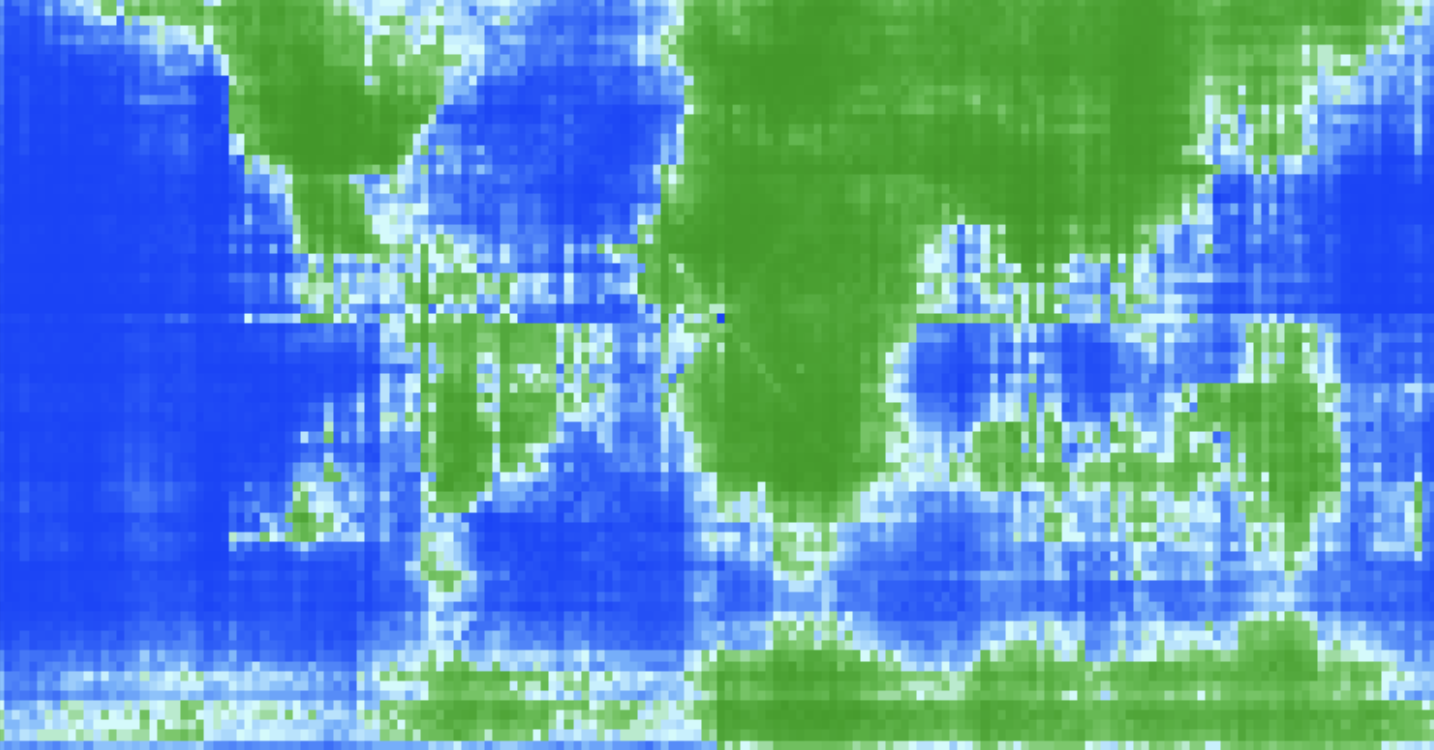
Sometimes I'm saddened remembering that we've viewed the Earth from space. We can see it all with certainty: there's no northwest passage to search f…
Response to commentators on the blind spot: why science cannot ignore human experience
This article contains my response to the commentaries by Mazviita Chirimuuta, Tom Froese, Miriam Kyselo, and Claudia E. Vanney on The Blind Spot: Why Science Cannot Ignore Human Experience (Frank et al., 2024).
Eyes on the Solar System - NASA/JPL
Explore the 3D world of the Solar System. Learn about past and future missions.
Predictive processing frameworks for perception can explain recent drone sightings in the United States
We draw on the predictive processing theory of perception to explain why healthy, intelligent, honest, and psychologically normal people might easily misperceive lights in the sky as threatening or extraordinary objects, especially in the context of WEIRD (western, educated, industrial, rich, and democratic) societies. We argue that the uniquely sparse properties of skyborne and celestial stimuli make it difficult for an observer to update prior beliefs, which can be easily fit to observed lights. Moreover, we hypothesize that humans have likely evolved to perceive the sky and its perceived contents as deeply meaningful. Finally, we briefly discuss the possible role of generalized distrust in scientific institutions and ultimately argue for the importance of astronomy education for producing a society with prior beliefs that support veridical perception.

Bobiverse Atlas
Textured spacecraft, ocean reflections, fine surface detail and cinematic light. World appearances are artistic interpretations.
Situational Blindness
This response may be read as a standalone piece, though it will of course be more meaningful if you read the original article first.
Blind spots.
A satellite company popular among journalists issued an indefinite blackout in the Middle East. Open-source investigators got to work—and challenged official narratives.

The sky is psychedelic: why so many people see strange lights in the sky
Your brain evolved to see deep meaning in the sky. And UFOs.

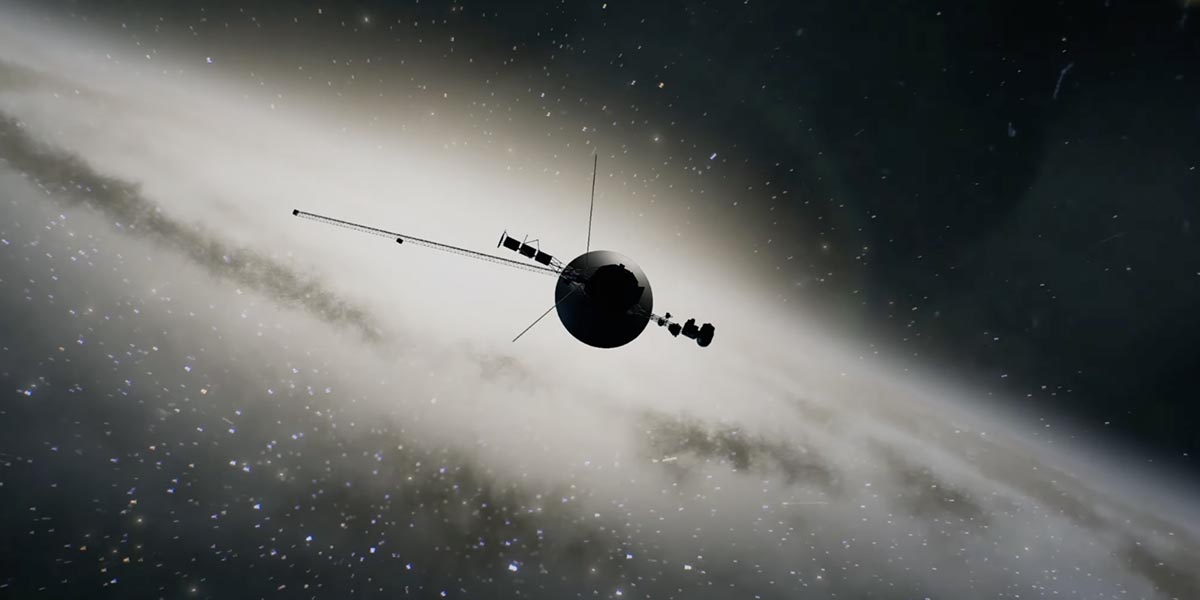
Imagining the Voyager 1 probe's journey through space when humanity no longer exists
More photos at www.flickr.com/elentir
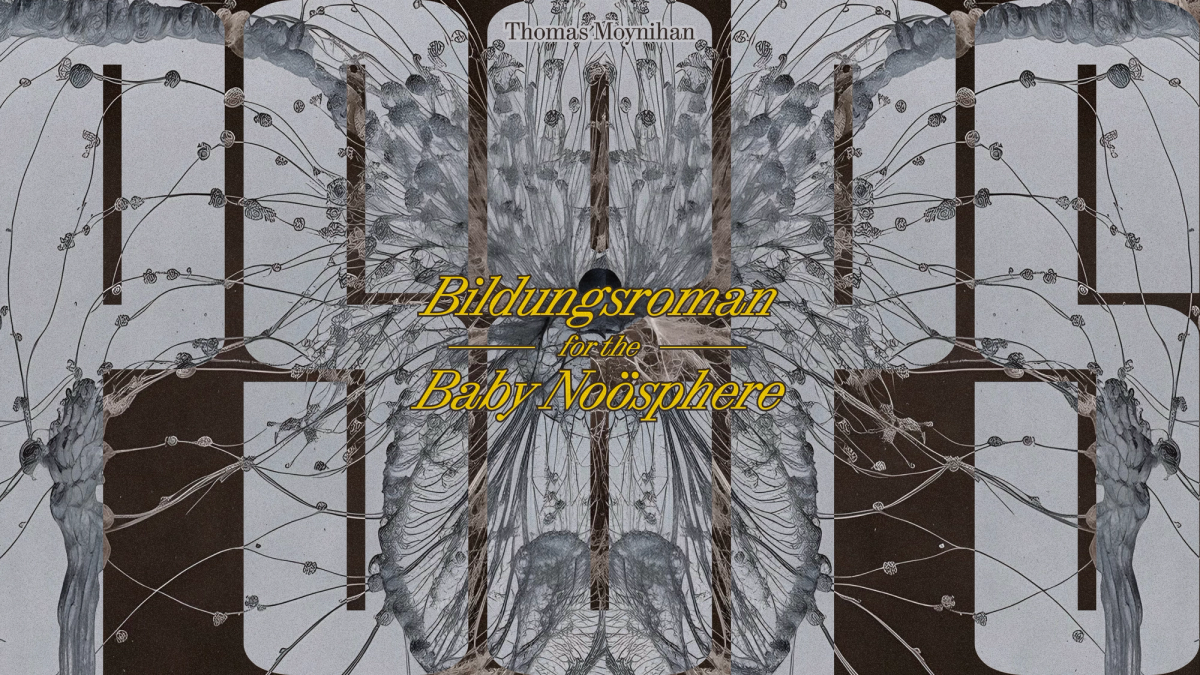
Planetary Sapience & Planetary Stupidity: a Bildungsroman for the Baby Noosphere | Antikythera
That is, the faculty of recollection and foresight? Until recently, I would argue, our planet was amnesiac. That is, no part of it was reflectively aware of the place of the present relative to the established past nor the expected future. But then peculiar animals emerged, capable—no matter how imperfectly—of cooperation, abstraction and invention. In the last blink of geologic time, through the collaboration of these animals with their increasingly cunning artifacts, this state of planetary amnesia has faltering begun being cured. That is, through our artifacts, our planet is becoming aware of its own unfolding biography. In our fallible attempts to model our world—alongside our growing legion of sensors—The Earth system has developed a way of recollecting its deepest past and tracking the changing complexities of its present so as to forecast its furthest future.


You Can See Everything
You Can See Everything directed by Nathan Fielder and Lance Oppenheim. Coming soon.
The Plane of Focus — a lens, opened up
Everyone knows when a photo is blurry. Almost nobody has seen the exact plane where it turns sharp. Open a lens, turn the focus ring and watch that plane sweep through a tiny world.

Once you see it, you can't unsee it

W Social is TruthSocial with a European accent.
wecanjustdothings.leaflet.pubOnce you see it, you can't unsee it
W Social is TruthSocial with a European accent.
wecanjustdothings.leaflet.pub
