

People sometimes make mistakes. (Citation Needed) …
The Server Called Paranoia: Defend Autistici/Inventati Before September 25

Epistemic Vigilance
Humans massively depend on communication with others, but this leaves them open to the risk of being accidentally or intentionally misinformed. To ensure that, despite this risk, communication remain...

The Server Called Paranoia: Defend Autistici/Inventati
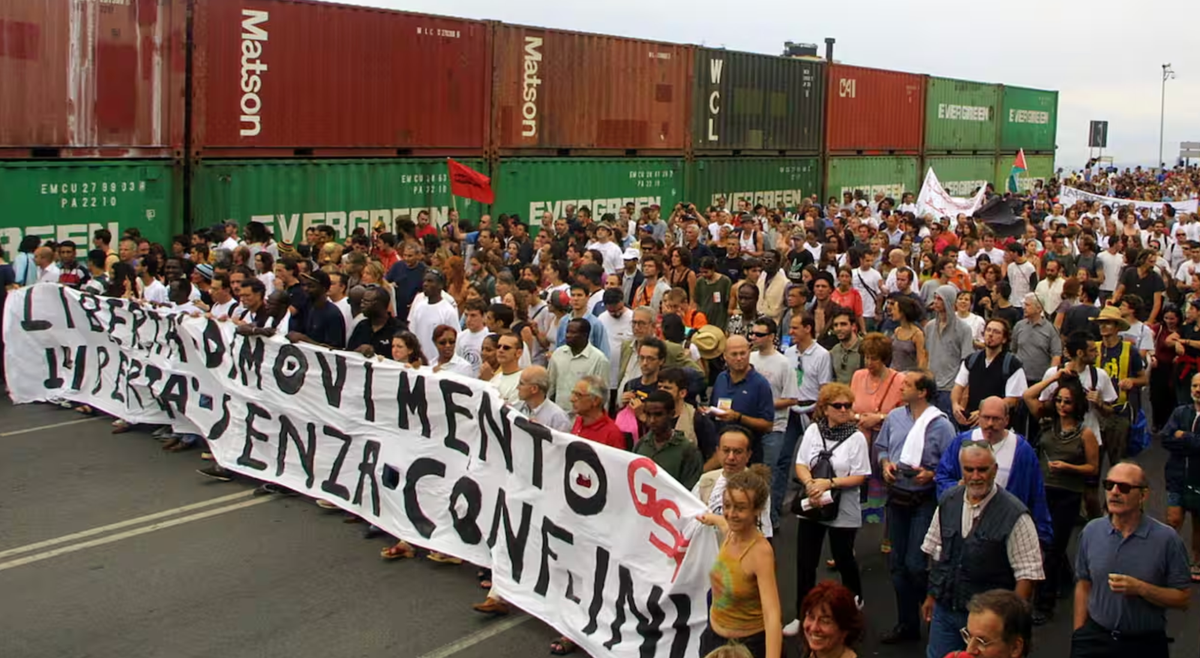
For twenty-five years, an Italian hacker collective has built communications infrastructure designed to survive censorship, surveillance and police raids. On August 26, the United States designated it a terrorist organization. On September 25, the wind-down period ends.
The contagion of fear | The Observation Deck
I have a difficult confession to make — a shameful incident that I have never spoken of, even to those closest to me. Late one night in my first year at university and having found computer science to be my life’s calling, I was in the back of the large computer science lab, talking with some fellow underclassmen. We were snidely decrying the lack of technological understanding in the broader population, with the kind of arrogance and hubris that youth and precociousness can uniquely summon. Somewhere in this discussion, a terrible idea was hatched: what if we went next door to the general computer lab, and told the humanities students there that a computer virus was spreading through their machines? Would they believe it?
The Server Called Paranoia: Defend Autistici/Inventati Before September 25
Defend Autistici/Inventati
Working Through the Fear of Being Seen
A personal essay about returning to writing, navigating visibility, and rebuilding confidence after years of second-guessing.
A Systems Literacy Manifesto
In 1968, West Churchman wrote, “…there is a good deal of turmoil about the manner in which our society is run. …the citizen has begun to suspect that the people who make major decisions that affect our lives don’t know what they are doing.”[1] Churchman was writing at a time of growing concern about war, civil rights, and the environment. Almost fifty years later, these concerns remain, and we have more reason than ever “to suspect that the people who make major decisions that affect our lives don’t know what they are doing.” Examples abound.
Claude Mythos and misguided open-weight fearmongering
Another dance around fears of open-source.
The mistake we all make... and the simple experiment that reveals it
Your answer reveals how you see the world – and the common error that hampers our decision making. In an extract from his new book, psychologist Richard Nisbett reveals the ‘mindware’ to help us think smarter

A quote from Andrew Quinn
One could say in the first quarter-century of my life, that while I was always fascinated by programming, I could never overcome the guilt of not really knowing whether the …
Trust — Utopian conspiracy
A network of utopian conspirators, a sandbox for their creative, technical and critical projects, and a site of experimentation for new ways of learning together.


This Is What Uncertainty Feels Like
When you're taking action in the face of uncertainty, you have to make peace with the idea that you're never going to know if you're doing the right thing. This pandemic is one way of remembering what that's going to feel like.

PostSecret
Discover true secrets that have never been shared. Explore the surprising stories behind the secrets.

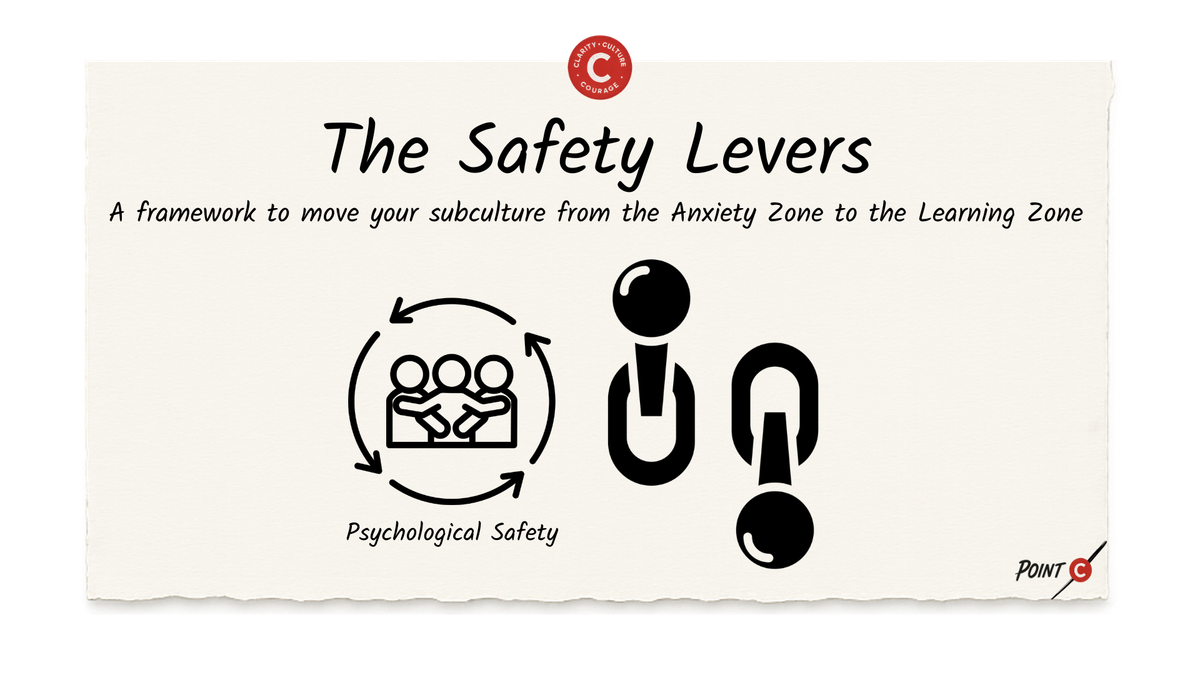
The Safety Levers
A framework to move your subculture from the Anxiety Zone to the Learning Zone
The Server Called Paranoia: Defend Autistici/Inventati Before September 25 – Sabot Media
For twenty-five years, an Italian hacker collective has built communications infrastructure designed to survive censorship, surveillance and police raids. On August 26, the United States designated it a terrorist organization. On September 25, the wind-down period ends.