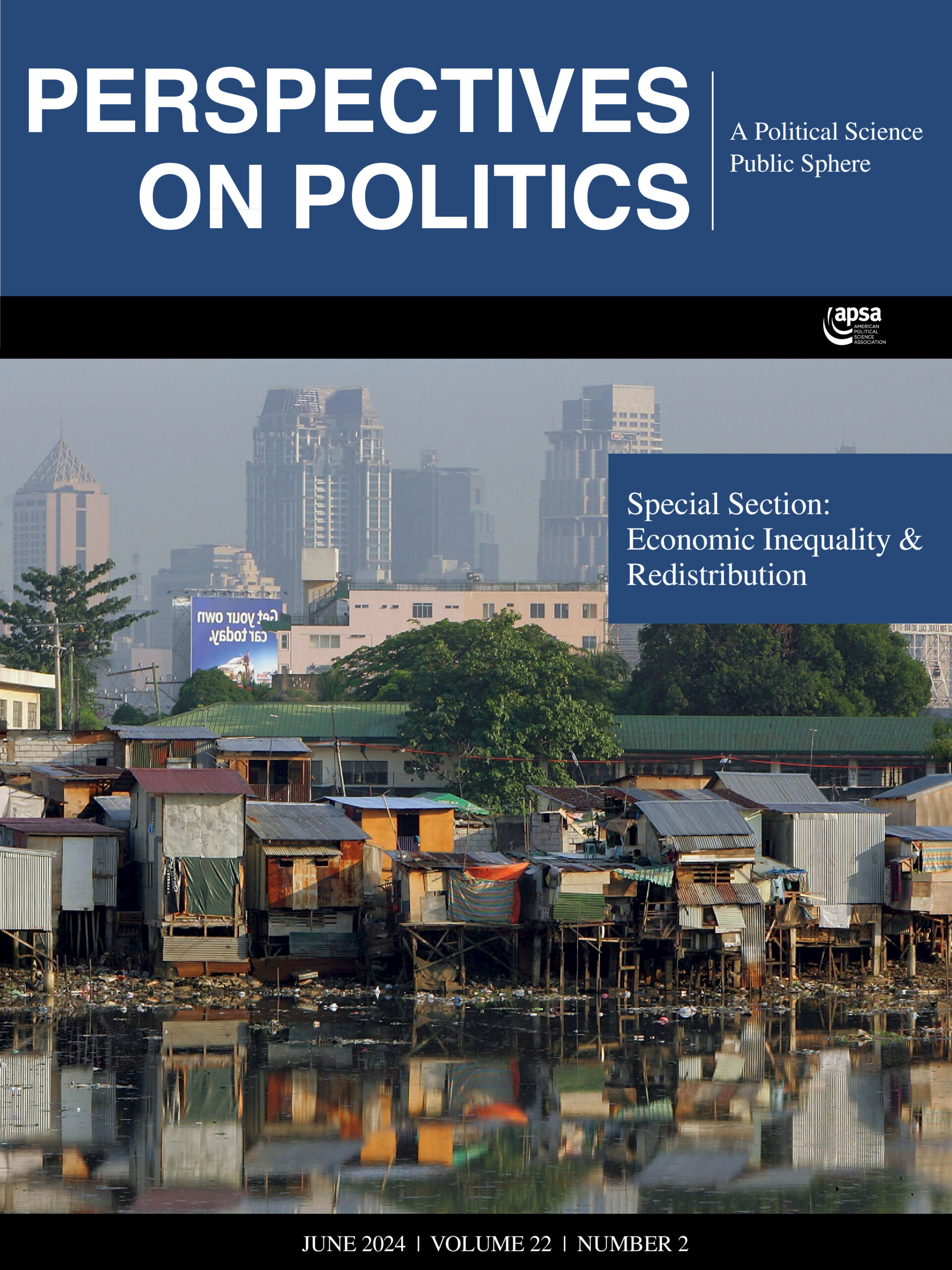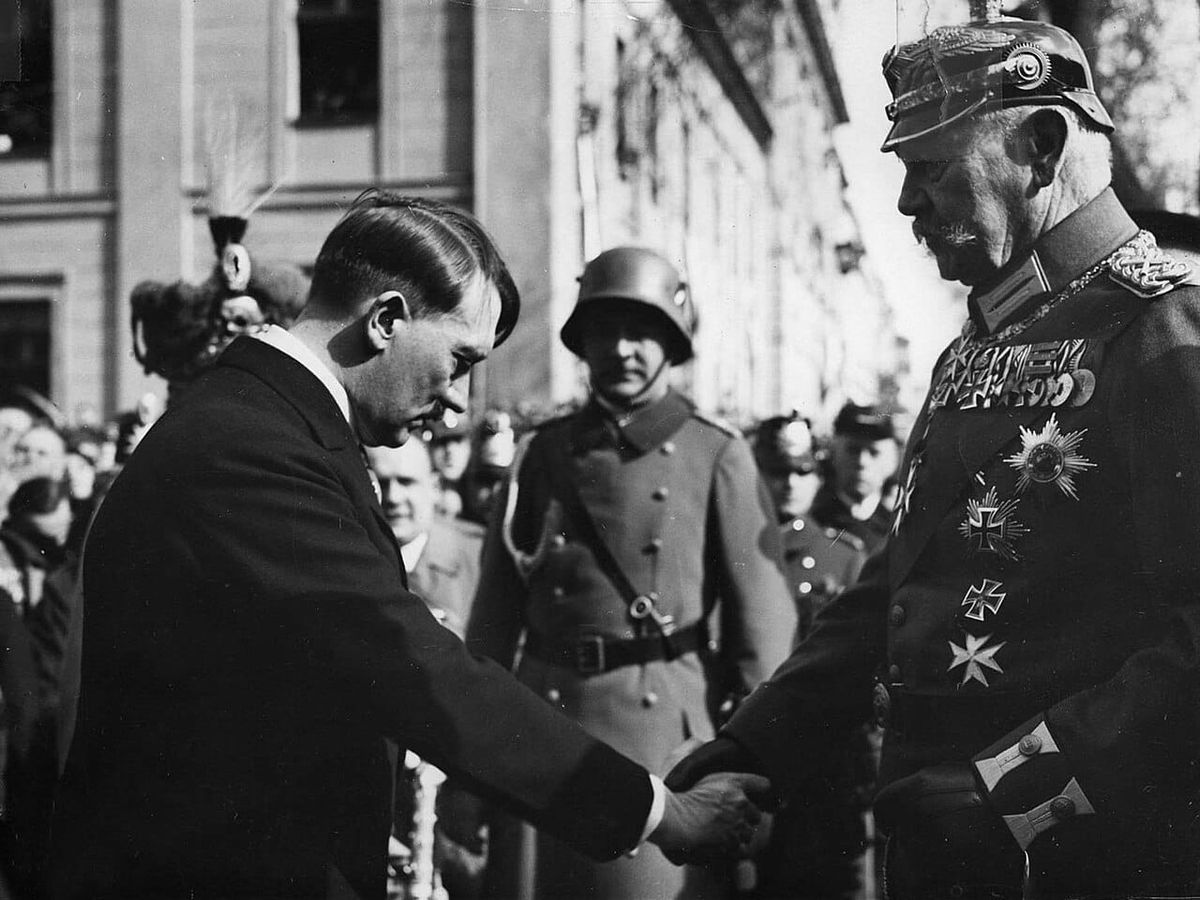
When we emphasize a distinction between conservatism and fascism, we obscure the structural logic that ties the right-wing project together.
The Liberalism to Fascism Pipeline (Neoliberalism Explained)
American Fascists: The Christian Right and the War on A…
Twenty-five years ago, when Pat Robertson and other rad…

Let's talk about DHH
We should distinguish between fascism and conservatism. DHH feels like the former.

Fascism | The Paper Pilot
The Paper Pilot's digital garden of thoughts on philosophy, politics, and sociology
The Authoritarian Personality
This hugely influential study on the psychology of authoritarianism was written in answer to Hitler’s Germany—and now rings more relevant than ever as fascism and anti-Semitism sweep across America.What makes a fascist? Are there character traits that make someone more likely to vote for the far right? The Authoritarian Personality is not only one of the most significant works of social psychology ever written, it also marks a milestone in the development of Adorno’s thought, showing him grappling with the problem of fascism and the reasons for Europe’s turn to reaction. Over half a century later, and with the rise of right-wing populism and the reemergence of the far-right in recent years, this hugely influential study remains as insightful and relevant as ever.This new edition includes an introduction by Frankfurt School scholar Peter E. Gordon and contains the first-ever publication of Adorno’s subsequent critical notes on the project.“Adorno and his colleagues could easily have been describing Alex Jones’s paranoid InfoWars rants or the racist views expressed by many Trump supporters.” —New York Times
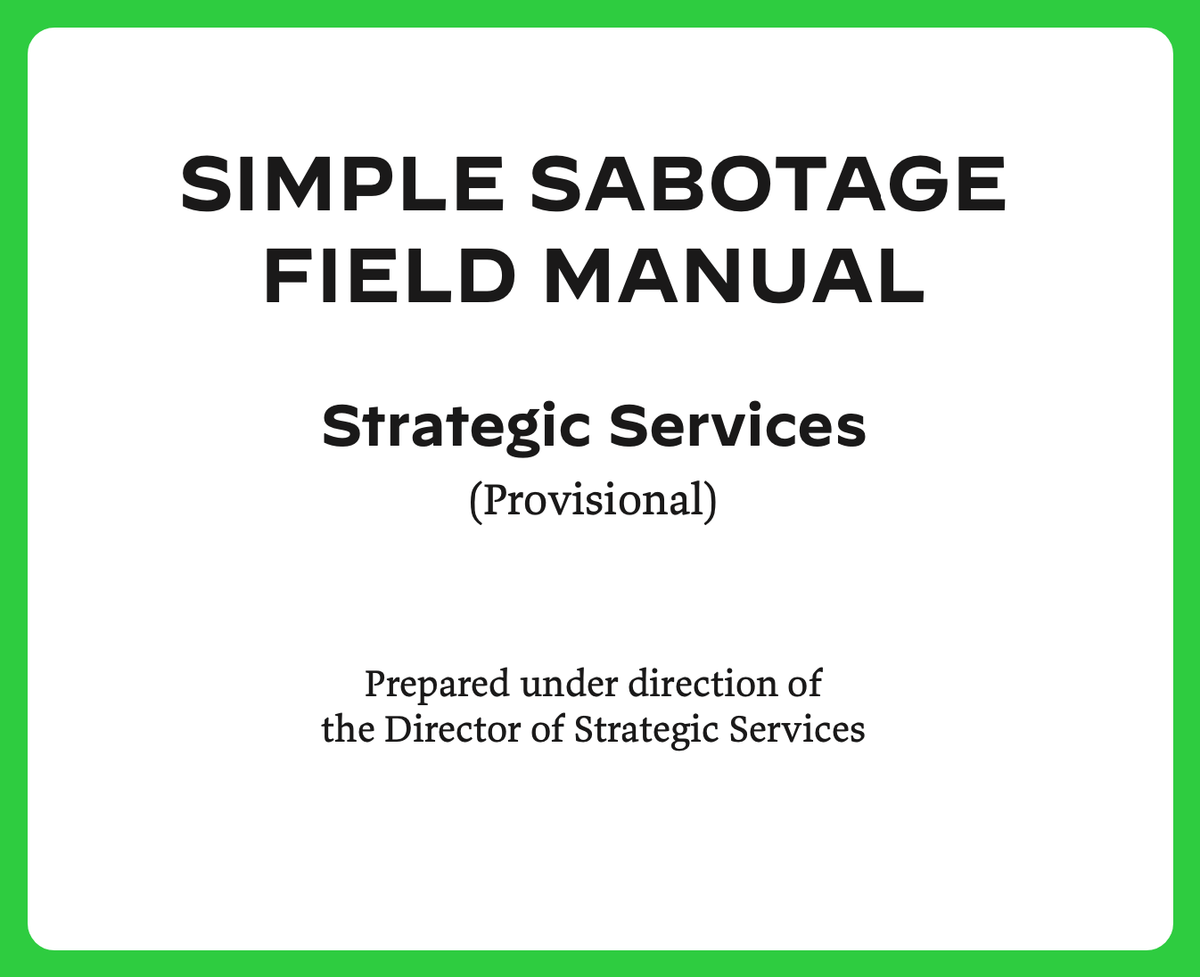
Here's a PDF Version of the CIA Guide to Sabotaging Fascism
A 404 Media reader made a PDF version of the World War II-era manual that's going viral right now.
The Stories Fascism Fears Most
Fascism Depends On The Presumption Of Good Faith
The media's sanewashing of the Trump regime is fueled by this presumption

Elon Musk: The Normalizer of Fascism
The world's richest man needs you to believe fascist parties are part of the democratic spectrum

Cloudflare bankrolls fascists
US politics has been pretty fascist lately. The state is filling up concentration camps, engaging in mass state violence against people on the basis of racialized traits, deporting them to random countries without any respect for habeas corpus, exerting state pressure on the free press to censor speech critical of the current administration, and Trump is openly floating the idea of an unconstitutional third term.

[UNLOCKED] How Fascism Works (a Michael Parenti Reading)
You Can’t Post Your Way Out of Fascism
Authoritarians and tech CEOs now share the same goal: to keep us locked in an eternal doomscroll instead of organizing against them, Janus Rose writes.

Understanding How Propaganda Works Helps Fight Fascism
In order to effectively fight fascism, it is essential to understand how propaganda, a key tool of fascist groups, works.

Some Thoughts on Techno-Fascism From Socialism 2025
"This is the endgame of our isolation."
It’s Not Polarization; It’s the Radicalization of the Political Right
Polarization has become the master concept for diagnosing contemporary democratic crises. The notion denotes three features: symmetry between parties, politics as an opinion space where positions diverge, and mutual repulsion between opposing camps. Yet none of these capture current realities. Across democracies, the central dynamic is not two poles drifting apart but the transformation of the political right into authoritarianism, norm breaking, and openness to political violence. Social democratic and center-right parties tend to respond in the opposite way from what “polarization” implies: by accommodating rightward. Attempts to salvage the polarization frame with modifiers (“asymmetric,” “affective,” “sectarian,” “pernicious”) concede these realities but risk hollowing out the concept’s definitional core. These limitations reveal a deeper misdiagnosis: when one party turns antidemocratic and illiberal, incivility and conflict are inevitable—but they are symptoms, not the root problem. Misdiagnosing them as the central issue leads to viewing civility and compromise as remedies, thereby risking the legitimation of authoritarian actors. This article proposes an alternative lens: the radicalization of the political right. Developed in the study of extremism, the radicalization framework better captures asymmetric change, identity-driven politics, and the mainstreaming of illiberalism. It foregrounds identity fusion, threat narratives, elite entrepreneurship, and escalation. Concepts are never politically innocent and persisting with “polarization” risks both misdiagnosing and normalizing authoritarian threats.