

Over the last twenty years, illiberal forces have coordinated ideas, personnel, and finances across international borders. Liberals can learn from this.
Global Coordination | Windfall Policy Atlas
How can international cooperation ensure the benefits of AI are shared globally?
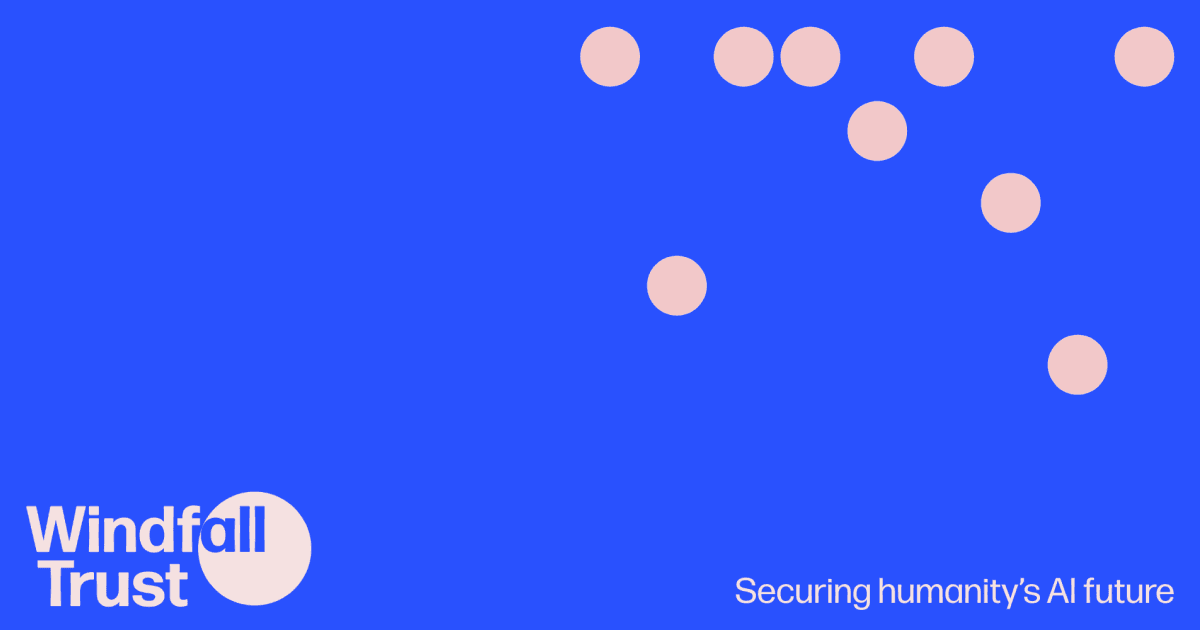
How Russia Is Reshaping Command and Control for AI-Enabled Warfare
Kateryna Bondar examines how Russia conceptualizes, builds, and adapts its command and control (C2) architecture under wartime pressures, in the first installment of a series on Russia’s use of AI in military operations.
POLYBIUS ACI
Authoritarian Consolidation Index - Real-time democratic health monitoring powered by political science research and AI
LiberationValues
LibertationValues is a political quiz aimed at anti-authoritarian leftists
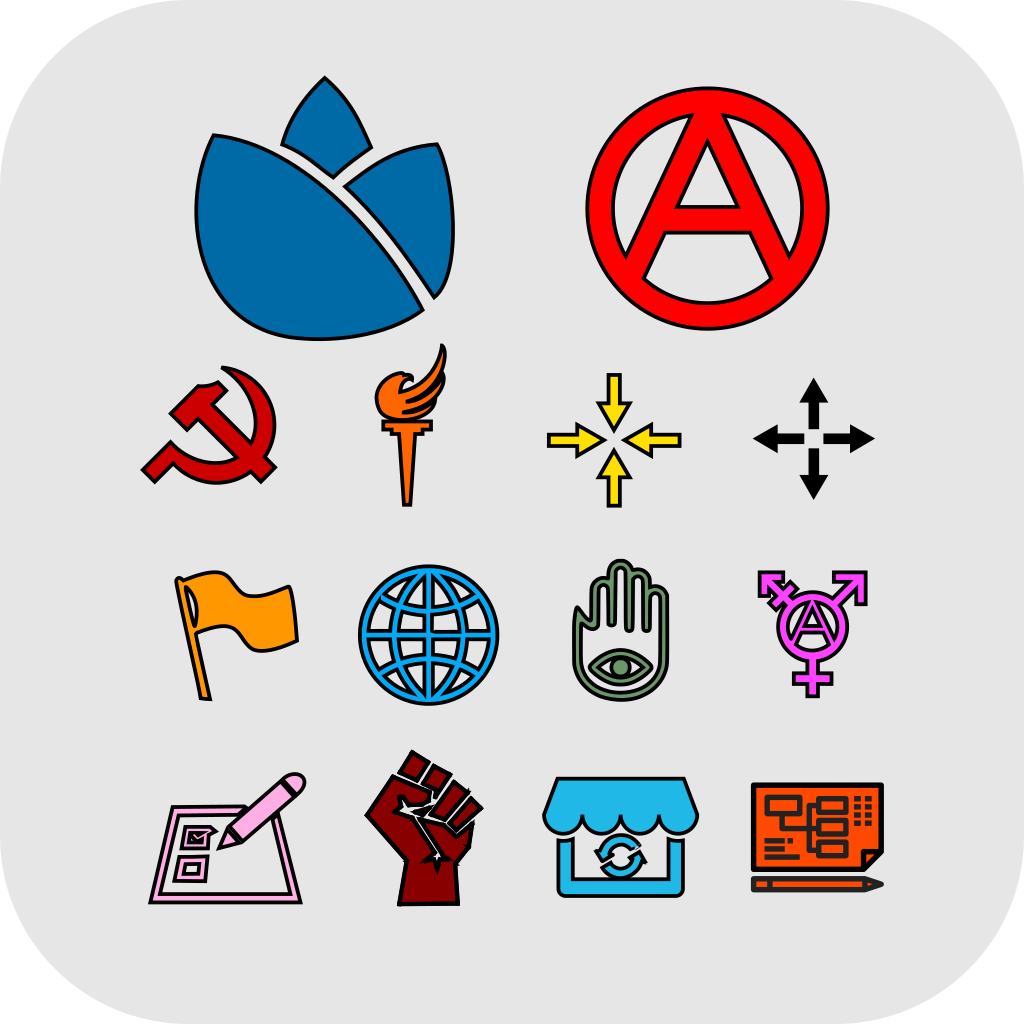
LiberationValues
LibertationValues is a political quiz aimed at anti-authoritarian leftists
AI, Geopolitics, and National Security (Chapter 8)
Artificial intelligence is reshaping geopolitics by transforming how states generate, interpret, and project power. Rather than producing a single new weapon, AI operates as a general-purpose technology that scales perception, prediction, and decision-making across military, civilian, and informational domains. This chapter argues that AI rivalry increasingly depends on control over material and organizational foundations, including semiconductors, compute infrastructure, data centers, industrial coordination, and institutional adoption. It examines battlefield integration, U.S.–China competition, semiconductor statecraft, cyber operations, information power, and governance. The chapter shows that AI capabilities diffuse rapidly through commercial platforms, open-source ecosystems, and wartime experimentation, while frontier development remains constrained by infrastructure and supply-chain chokepoints. Because AI capability is difficult to measure or verify, governance is shifting away from traditional arms-control models toward export controls, standards, voluntary commitments, and multistakeholder coordination.
The shifting battlefield: technology, tactics, and the risk of blurring lines in warfare - Humanitarian Law & Policy Blog
The accelerating integration of emerging technologies into armed conflict is transforming not only the tools of war, but its tactics, geography, participants and impact. Technological developments – from commercial drones to artificial intelligence, electronic warfare to the military use of civilian infrastructure – risk undermining boundaries between military and civilian domains. These changes challenge long-held...
A Tale of Two Theories (of Coordination)
Leveraging and Deleveraging Toward Thick Sovereignty
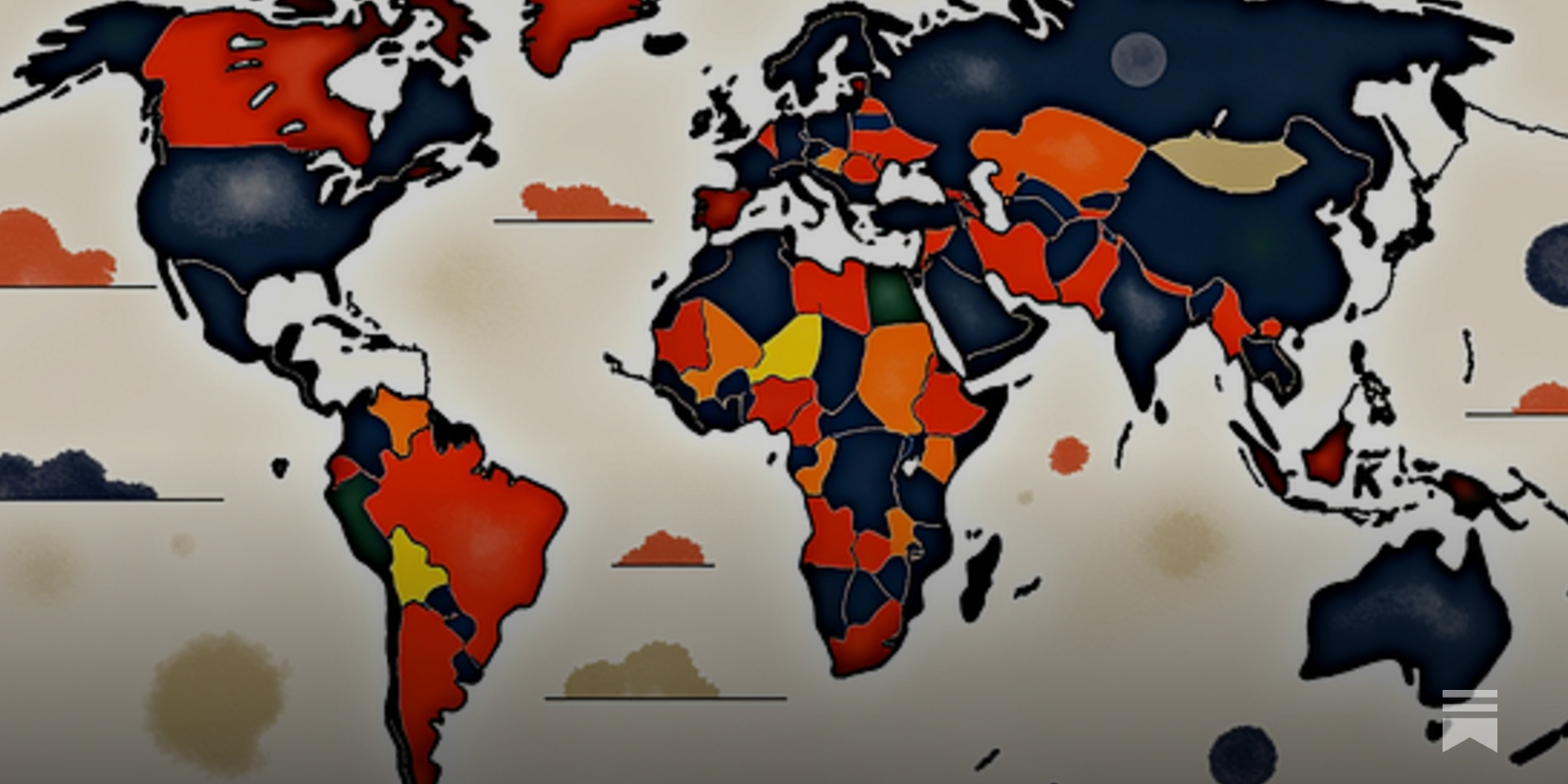
Drug cartel operatives snuck into Ukraine for drone training: report
The revelations highlight Ukraine’s unintended emergence as a training ground for modern asymmetric warfare techniques amid the conflict with Russia.
The Stories We're Not Telling
Liberal democracy is in danger. We need the stories of those who rescued it last time.

An Alien Mind
Jakub Pachocki reflects on increasingly capable AI and the challenge of keeping it aligned. He calls for stronger safeguards and international coordination.

The Left-Wing Policy That AI Evangelists Suddenly Love
Alas, they love it for all the wrong reasons.

The liberal virus: permanent war and the Americanization of the world
How the U.S. Military Learned to Embrace AI Warfare
A review of Katrina Manson, “Project Maven: A Marine Colonel, His Team, and the Dawn of AI Warfare” (Norton, 2026).

The Authoritarian Regime Survival Guide
This text was published in social media in January 2017 in a series of improvised, spontaneous tweets, which reached 3 million views within one month. Their common element was their trademark signature, “- With love, your Eastern European friends”, and the accompanying hashtag #LearnFromEurope. Excerpts and summaries were published by various on-line media, but this is the first time it is published as a whole.

AI development and the US military

The education of a computer

Secret History of Silicon Valley
Border Wars : The Science and Politics of Artificial Intelligence

Celebrating the 75th Anniversary of the Turing Test

AI and the techno-utopian path not taken
Verification required