


The eternal quest to preserve the “pleasing illusions” that hold society and its authorities together.
Our right to communicate
The first right of any person in any society must be the right to communicate. Without communication there is no way to safeguard our other rights or for us to participate fully in a society. When …

Left & Right: The Psychological Significance of a Political Distinction
This book brings together for the first time an updated, revised collection of influential essays and articles that capture some of the most exciting scientific and scholarly contributions to the topic ...


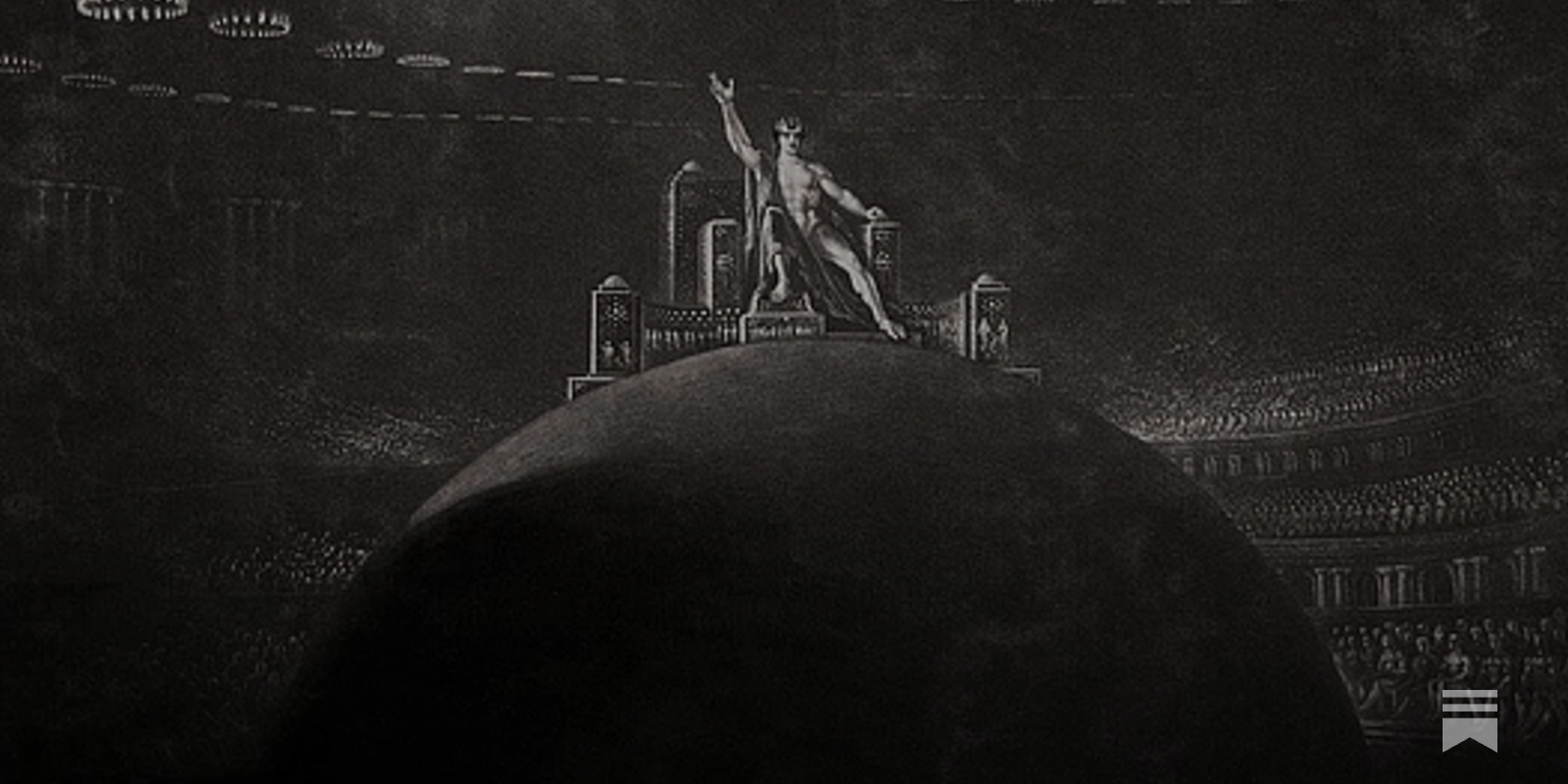
Found in America
They took the lathe of heaven away from me, and they were right to.

Capitalism, Democracy, and Du Bois’s <em>Two</em> Proletariats
[epq-quote align="align-right"]"What can be more radical or liberating than freedom and justice for all?"[/epq-quote] As an ideal, liberal democracy has great appeal. What can be more radical or liberating than...

When Convenient Illusions Hold Precedence...
Language, Substance, and Money are intermediaries which crumble under weight of inspection

Priorities | celeste4sos.com
The right to vote, better representation and election integrity.

W Social is a textbook case for everything wrong with digital sovereignty
Insanity is doing the same thing over and over again, but expecting different results. This saying is attributed to the famous socialist (and theoretical physicist) Albert Einstein but actually traces back to novelist Rita Mae Brown. I have been thinking about this saying a lot lately. The reason is

It’s Not Enough to Be Right. You Also Have to Be Kind.
Takedowns and clever quips are easy, but empathy and persuasion are better

He Moved A Box Of Leftist Zines. MAGA’s Favorite Judge Just Gave Him 30 Years.
In Trump’s America, the First Amendment is a dead letter. If you’re seen as anti-Trump, you apparently no longer have any rights at all. We’ll get to the man who moved a box of zi…

Prejudice on the Left | The Paper Pilot
The Paper Pilot's digital garden of thoughts on philosophy, politics, and sociology
The clockwork universe: is free will an illusion?
The long read: A growing chorus of scientists and philosophers argue that free will does not exist. Could they be right?

This obsession is with “young men turning to the right” is everything that is wrong with the discussion about the far right. It is not just an inadequate read of what is happening, and a bias towards the male norm, but it also normalizes the far right and obscures support for inclusive politics. 🧵
the viability of many right-wing intellectuals and intellectual spaces is enormously dependent on the largesse of reactionary billionaires and foreign governments, who help them circumvent a marketplace of ideas where they would otherwise post extraordinarily poor sales

Don Moynihan
Its fair to ask if Orban's successful cultivation of the Western right wing intellectuals reflected that their networks were already dependent on patronage. Rod Dreher was funded by a weird billionaire, and when he stopped paying his salary, Orban did. Dreher already looking for a new gig.


