

This article was originally published as an advance reading for RWOT12 in Köln, Germany on August 9, 2023. It has been slightly edited for this reprint....
Sollte der Krieg Russlands gegen die Ukraine die Epistemologie der Osteuropäischen Geschichte verändern und wenn ja, wie?
The short article argues for revitalizing historical research to questions of the longue durée and, in analogy to the New Imperial History, considers the emergence of a New National History possible. Above all, the article calls for a continued decolonialisation of Russian history and, in this context, also for a strengthening of the Ukraine and Belarus focus in research, teaching and language mediation as well as in the form of a German Historical Institute in Kyiv.
Your Pedagogy Might be More Aligned with Colonialism than You Realize
Berlin of 1884 was effected through the sword and the bullet. But the night of the sword and the bullet was followed by the morning of the…


The Great Reckoning - The Ideas Letter
The world feels unsettled, as if history itself were changing tempo. The familiar landmarks of the modern age are blurring, slipping away, and the stories we once told ourselves about…

The Great Reckoning - The Ideas Letter
The world feels unsettled, as if history itself were changing tempo. The familiar landmarks of the modern age are blurring, slipping away, and the stories we once told ourselves about…
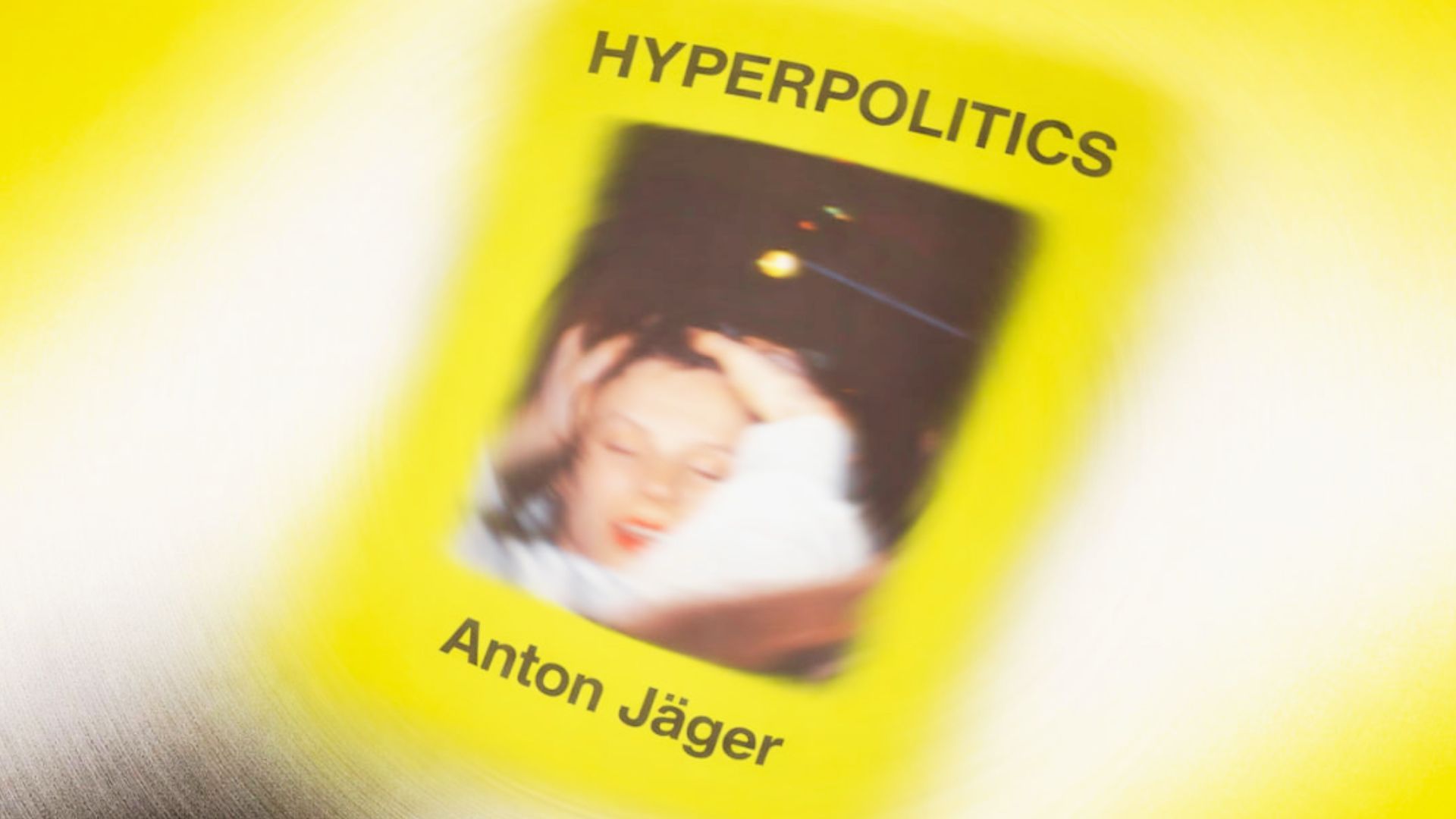
Not a new Weimar, or new 1930s: “We live in a period without a real precedent”. Interview with Anton Jäger
Upon the release of his new book Hyperpolitics: Extreme Politicization Without Political Consequences, September sat down with historian of political thought Anton Jäger to discuss the rise of the new right, the dynamics of politicization in contemporary Western societies, and what the current historical moment demands from the left.
How does LEARNING ABOUT GERMANY'S PAST feel to GERMANS ???

From the archives: Douglas Engelbart’s lasting legacy, 1999

What I Wish I Had Known About Germany Earlier
A German newspaper commissioned an article from me but then refused to publish it.

Echoes from History II
This article, like “Echoes from History: Designing Self-Sovereign Identity with Care”, is drawn from a book I have in process called FOREMEMBRANCE, whic...
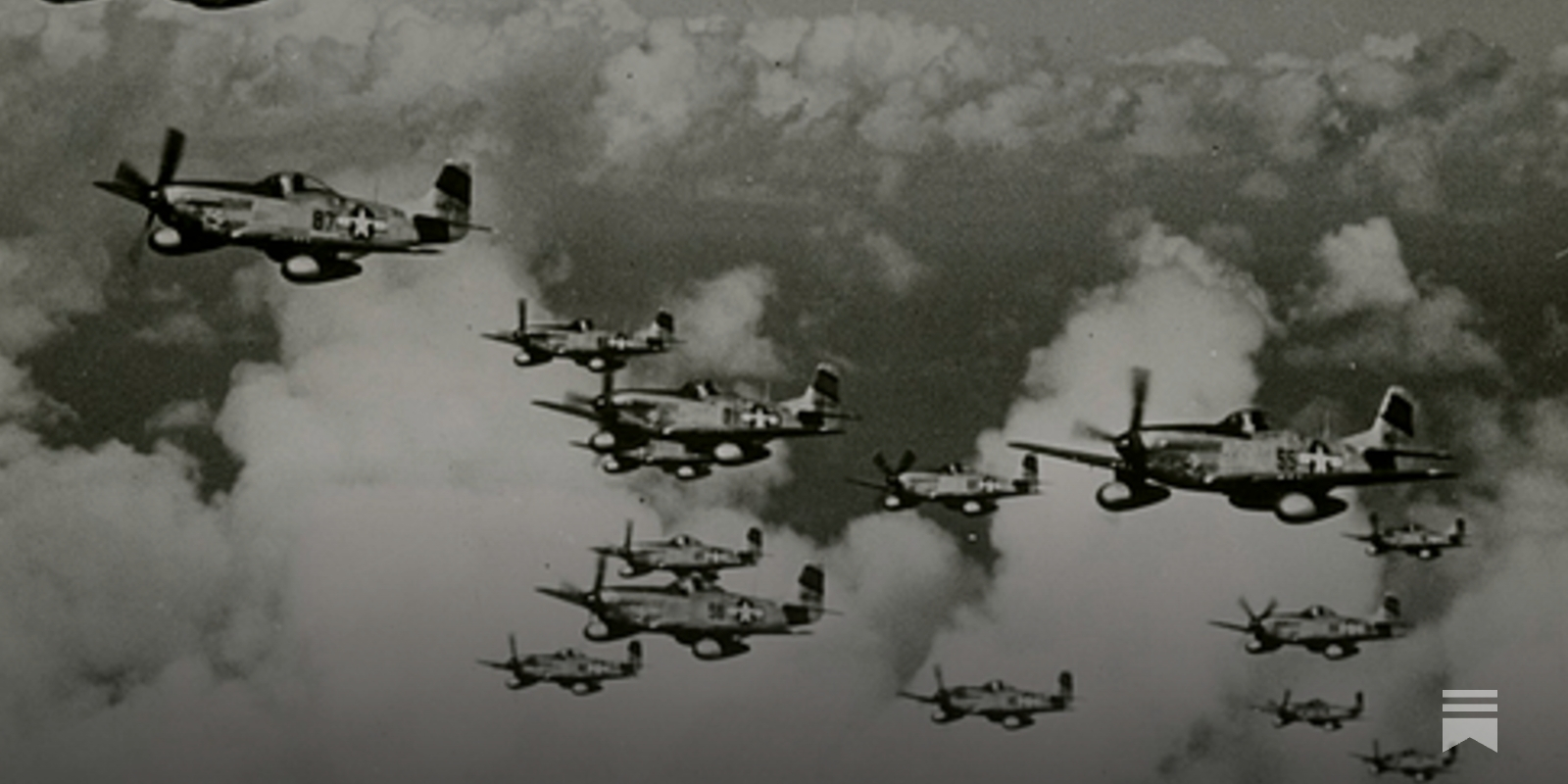
The Myth of Allied Technological Inferiority
World War II, The Free Press, and the Problematic Use of History in Contemporary Media
The Phoney Victory: The World War II Illusion
Was World War II really the `Good War'? In the years since the declaration of peace in 1945 many myths have sprung up around the conflict in the victorious nations. In this book, Peter Hitchens deconstructs the many fables which have become associated with the narrative of the `Good War'. Whilst not criticising or doubting the need for war against Nazi Germany at some stage, Hitchens does query whether September 1939 was the right moment, or the independence of Poland the right issue. He points out that in the summer of 1939 Britain and France were wholly unprepared for a major European war and that this quickly became apparent in the conflict that ensued. He also rejects the retroactive claim that Britain went to war in 1939 to save the Jewish population of Europe. On the contrary, the beginning and intensification of war made it easier for Germany to begin the policy of mass murder in secret as well as closing most escape routes. In a provocative, but deeply-researched book, Hitchens questions the most common assumptions surrounding World War II, turning on its head the myth of Britain's role in a `Good War'.
The Black Jacobins: Toussaint L'Ouverture and the San D…
A powerful and impassioned historical account of the la…

The Age of Neutralizations and Depoliticizations(1929)
We in Central Europe live under the eyes of the Russians. For a century their psychological gaze has seen through our great words and institutions. Their vitality is strong enough to seize our knowledge and technology as weapons. Their prowess in rationalism and its opposite, as well as their potential for good and evil in orthodoxy, is overwhelming. They have realized the union of Socialism and Slavism, which already in 1848 Donoso Cortes said would be the decisive event of the next century. This is our situation. We can no longer say anything worthwhile about culture and history without first becoming aware of our own cultural and historical situation.
Thank you for linking to the poem. Just recently I stumbled upon the history of the english Enclosure and related problems: en.wikipedia.org/wiki/Enclosure bbc.co.uk/programmes/b00b1m9b thelandmagazine.org.uk/articles/short-history-enclos… AI Synthesis wiki: progress.org/wiki/enclosure-movement/

Enclosure - Wikipedia
en.wikipedia.org