

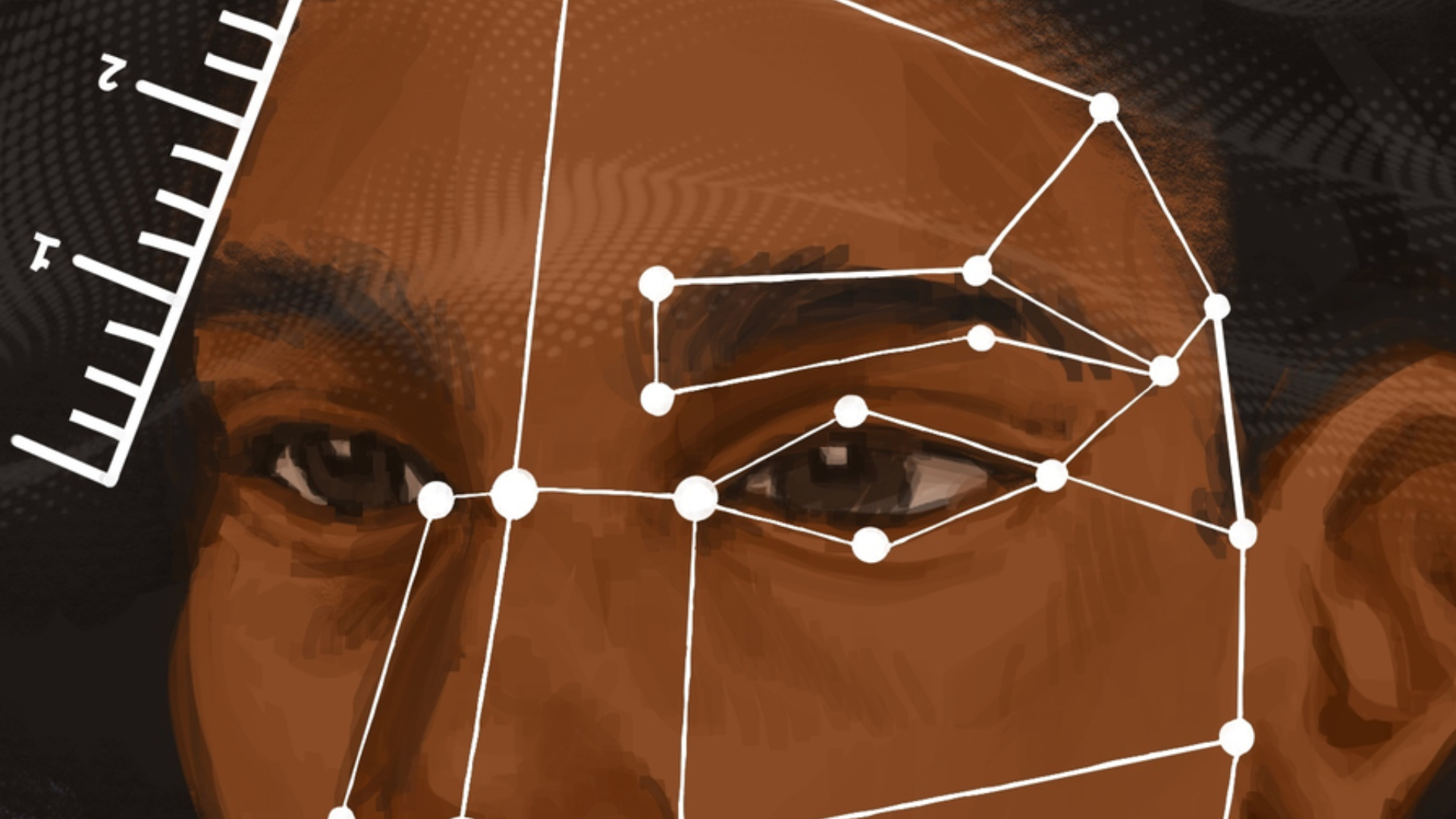
Using a leaked report and NIST data to audit facial age estimation AI for efficacy and bias.
Asylum by Algorithm
The UK has turned to AI to determine the age of asylum seekers, and other countries are likely to follow suit. Our investigation finds the technology is deeply unreliable.
Home Office knew AI age checks for migrants were flawed – but rolled it out anyway
Exclusive: Government advisers describe the tool as ‘hideously flawed’ amid concern facial age estimation has ‘baked-in racial bias’ – and can wrongly identify a 14-year-old as an adult

Facial age estimation: Using AI to support initial age decisions (A guide) (accessible)
We’d like to set additional cookies to understand how you use GOV.UK, remember your settings and improve government services.

More than 60 groups tell Home Office to stop using racist and faulty AI facial age estimation tech on asylum-seeking children
This tech could see vulnerable children seeking asylum in the UK facing a serious threat to their safety at the hands of the UK government.

AI tool will lead to more child refugees being treated as adults, charity warns
‘Racist bias’ overestimating ages in Home Office’s facial-recognition software will lead to solo children being housed with adults, says Human Rights Network

The UK Will Scan Asylum-Seekers’ Faces for Age Checks—Despite Knowing the Tech Is Flawed
Internal Home Office tests of age-verification technology show the risks of life-altering errors. It’s moving forward anyway.

Researchers uncover AI bias against older working women
AI is perpetuating inaccurate gender and age stereotypes, influencing everything from hiring practices to workplace perceptions.

AI Age Checks Are Here—And They’re Not Fair To Everyone
Research shows that AI age checks misclassify women & Black people as older, raising concerns over bias, safety, and future workplace use.

The AI gender gap | Datawrapper Blog
In this Weekly Chart, we examine the gender gap in AI adoption.
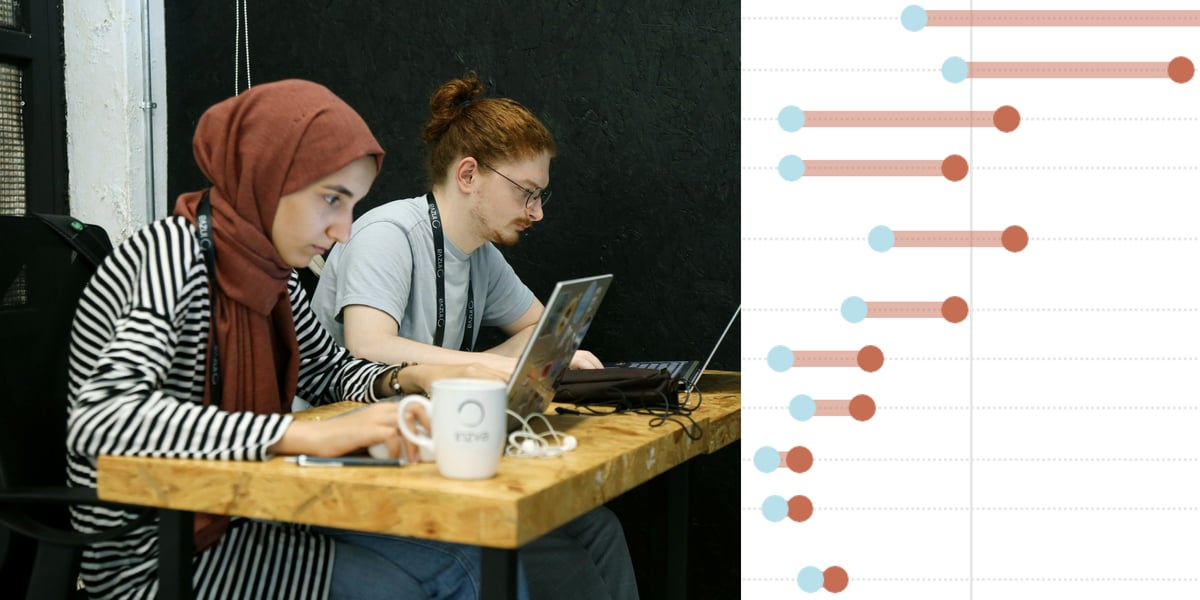
AI Age Checks Are Here—And They’re Not Fair To Everyone
archived 2 Feb 2026 17:48:49 UTC

Women and AI: The Gender Gap in AI Adoption and Recognition [Data]
Lean In’s survey shows how women are losing out in the AI age. Learn how women and men compare in AI adoption in the workplace, recognition, and more.
Trial Data Reveals Racial Bias in Age Verification Software
New trial data reveals racial bias in age verification software used for social media restrictions. Discover how unreliable these systems really are now.

First-ever Home Office data reveals hundreds of child refugees wrongly treated as adults, despite expert warnings | Helen Bamber
After years of campaigning, the Home Office has for the first time published its own data confirming that hundreds of child refugees arriving in UK alone are being wrongly treated as adults, with devastating consequences. These children are routinely placed in adult accommodation, immigration detention and even adult prisons.
The People Who Will Thrive in the AI Age
What will differentiate people is not how smart they are but their relationship to mental effort.

Doctored data sets could trick AI agents
Researchers warn that ‘poisoned’ information can undermine the reliability of tools that analyse data autonomously.

Measuring Usage in the Age of AI - Research Information
Tasha Mellins-Cohen outlines COUNTER Metrics' new guidance for usage metrics associated with generative and agentic AI
