


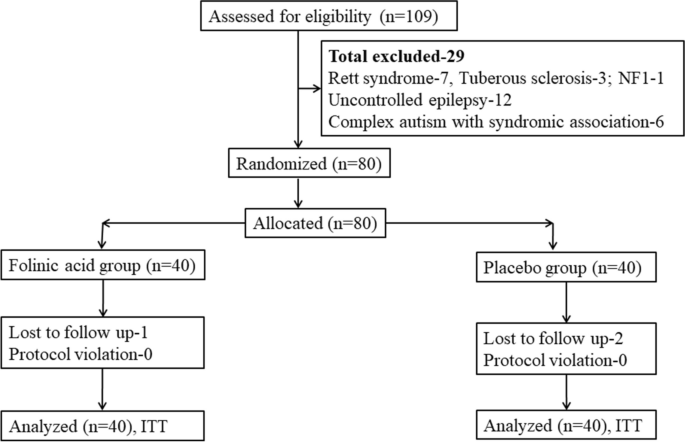
Over the last week, I have privately been in contact with several friends and collaborators over the *SINGLE* study that was cited by the FDA in supporting the label extension of leucovorin for autism spectrum disorders. https://lnkd.in/dHpfCt_9 https://lnkd.in/dYWbHXyY Given the enormous importance of this study, and the fact that the results look too good to be true and there are various signals I would have thought would have raised a sleuth eyebrow (for example, Table 1 where all categorical values in each group except for 1 differ by exactly one unit), I am very surprised that until now the only Pubpeer comments are by two MDs and by myself, pointing to some inconsistencies between tables and figures. https://lnkd.in/duFQDccr I have also formally asked the authors for the individual participant data. Perhaps given this is not some random wacky study about how much food can one eat in a fast-food or some obscure paper citing another obscure retracted paper, but the SINGLE study that now underpins the retrospective post-marketing approval of an entire treatment, the very large community of people who want to correct science ASAP particularly when findings have huge policy implications could join me in scrutinizing this study to make sure findings are reliable and that the data are correct and analyzed correctly. | 13 comments on LinkedIn
RETRACTED ARTICLE: Efficacy of oral folinicacid supplementation in children with autism spectrum disorder: a randomizeddouble-blind, placebo-controlled trial
Oral folinic acid has shown potential to improve symptoms in childrenwith autism spectrum disorder (ASD). However, randomized controlled trials (RCTs)are limited. This double-blind, placebo-controlled RCT aimed to compare changes inChildhood Autism Rating Scale (CARS) scores in children with ASD aged 2–10 years,among folinic acid (2 mg/kg/day, maximum of 50 mg/day) and placebo groups at24 weeks, in comparison with baseline. Both the groups received standard care (ABAand sensory integration therapy). Secondary objectives included changes inbehavioral problems measured by the Child Behavior Checklist (CBCL) and serum levelsof anti-folate receptor autoantibodies and folic acid, correlated with changes inautism symptom severity. Out of the 40 participants recruited in each group, 39 and38 participants completed the 24-week follow-up in the folinic acid and placebogroups, respectively. The change in CARS score was higher in the folinic acid group(3.6 ± 0.8) compared to the placebo group (2.4 ± 0.7, p < 0.001). Changes in CBCL total score and CBCL internalizingscore were also better in the folinic acid group (19.7 ± 9.5 vs. 12.6 ± 8.4 and15.4 ± 7.8 vs. 8.5 ± 5.7, p < 0.001 for both).High-titer anti-folate receptor autoantibodies were positive in 32/40 and 33/40cases in the folinic acid and placebo groups, respectively (p = 0.78). In the placebo group, improvement in CARS score wascomparable regardless of autoantibody status (p = 0.11), but in the folinic acid group, improvement was morepronounced in the high-titer autoantibody group (p = 0.03). No adverse reactions were reported in either group.
Dietary Habits Related to Food Packaging and Population Exposure to PFASs
Abstract Background: Per- and polyfluoroalkyl substances (PFASs) are common industrial and consumer product chemicals with widespread human exposures that have been linked to adverse health effects. PFASs are commonly detected in foods and food-contact materials (FCMs), including fast food packaging and microwave popcorn bags. Objectives: Our goal was to investigate associations between serum PFASs and consumption of restaurant food and popcorn in a representative sample of Americans. Methods: We analyzed 2003–2014 serum PFAS and dietary recall data from the National Health and Nutrition Examination Survey (NHANES). We used multivariable linear regressions to investigate relationships between consumption of fast food, restaurant food, food eaten at home, and microwave popcorn and serum levels of perfluorooctanoic acid (PFOA), perfluorononanoic acid (PFNA), perfluorodecanoic acid (PFDA), perfluorohexanesulfonic acid (PFHxS), and perfluorooctanesulfonic acid (PFOS). Results: Calories of food eaten at home in the past 24 h had significant inverse associations with serum levels of all five PFASs; these associations were stronger in women. Consumption of meals from fast food/pizza restaurants and other restaurants was generally associated with higher serum PFAS concentrations, based on 24-h and 7-d recall, with limited statistical significance. Consumption of popcorn was associated with significantly higher serum levels of PFOA, PFNA, PFDA, and PFOS, based on 24-h and 12-month recall, up to a 63% (95% CI: 34, 99) increase in PFDA among those who ate popcorn daily over the last 12 months. Conclusions: Associations between serum PFAS and popcorn consumption may be a consequence of PFAS migration from microwave popcorn bags. Inverse associations between serum PFAS and food eaten at home—primarily from grocery stores—is consistent with less contact between home-prepared food and FCMs, some of which contain PFASs. The potential for FCMs to contribute to PFAS exposure, coupled with concerns about toxicity and persistence, support the use of alternatives to PFASs in FCMs. https://doi.org/10.1289/EHP4092
Annual Reports | CAA
For archived content, please refer to the National Diet Library's Web Archiving Project (WARP).
#paperclip | James Zou | 46 comments
What if, for any scientific claim, you can search 100M+ papers to find the strongest evidence for and against it ⚡️ in 1 second? That’s now possible with Evidence API! 🚀 https://lnkd.in/dzQ_HT-P Evidence API combines #paperclip with our new Jev-style model trained to extract relevant evidence in lightning speed. Great job by Kevin Wu and GXL For example, does drinking coffee reduce diabetes risk? | 46 comments on LinkedIn
Benchmark dose calculations for PFAS exposure based on two data sets on immunotoxic effects
Exposure to perfluorinated alkylate substances (PFAS) is associated with harmful effects on human health, including developmental immunotoxicity. This outcome was chosen as the critical effect by the European Food Safety Authority (EFSA), which calculated a new joint reference dose for four PFAS using a Benchmark Dose (BMD) analysis of a study of 1-year old children. However, the U.S. Environmental Protection Agency (EPA) recently proposed much lower exposure limits.
Shifting Global Exposures to Poly- and Perfluoroalkyl Substances (PFASs) Evident in Longitudinal Birth Cohorts from a Seafood-Consuming Population
Abstract. Rapid declines in legacy poly- and perfluoroalkyl substances (PFASs) have been reported in human populations globally following changes in produc
Nut intake and hyperuricemia risk in young adults
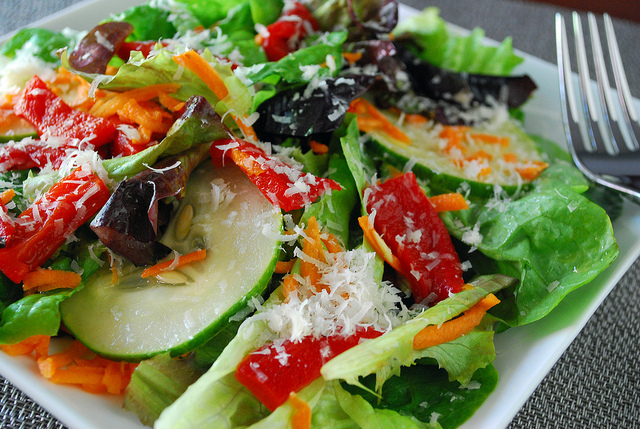
Objective:The relationship between dietary nut intake and hyperuricemia risk remains unclear. The aim of this study was to investigate the relationship between different nut intake and hyperuricemia risk with a cross-sectional study.Design:A semi-quantitative FFQ was adopted to collect dietary information. Biochemical and anthropometric parameters were measured by standard methods. Multivariate-adjusted logistic regression models were implemented to analyse the relationship between individual nut intake and hyperuricemia risk.Setting:Qingdao University in Shandong Province, China.Participants:During 2018–2019, a total of 14 056 undergraduates (6862 males and 7194 females) aged 15–25 years participated in the study.Results:After adjusting for multiple confounding factors, compared with the lowest quartile, the highest quartile intakes of pine nut (95 % CI (0·51, 0·98)) was significantly associated with 29 % reduction in hyperuricemia risk, the highest quartile intake of walnut (OR = 0·78; 95 % CI (0·58, 1·05)) was marginally negatively associated with hyperuricemia risk.Conclusions:The present study showed that the relationships between intakes of different nuts and hyperuricemia risk were different. Increased dietary intakes of walnut and pine nut are negatively associated with the hyperuricemia.


Epic diarrhea outbreak has 40% of Americans avoiding fruits and veggies
Kennedy has focused on nutrition but has neglected food safety, critics say.
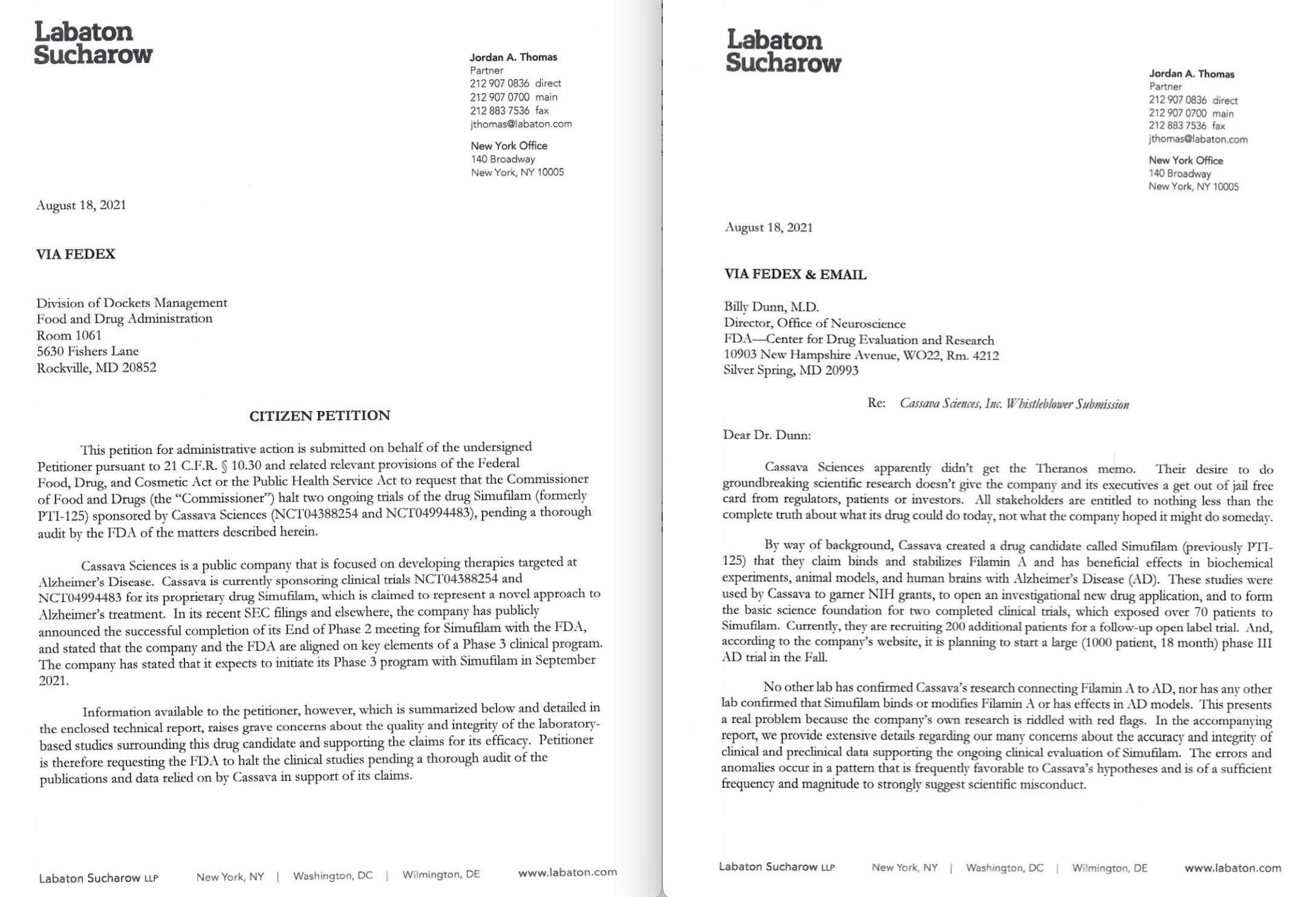
Cassava Sciences: Of stocks and blots
A group of anonymous persons filed a Statement of Concern with the FDA regarding the integrity of research papers about Simufilam, an Alzheimer’s Disease treatment drug candidate developed by…
Nikhil Krishnan on Twitter / X
yeah there used to be a company called Eureka that powered these types of observational, more lifestyle style studies (here's an example looking at coffee's effect on different biomarkers/conditions)https://t.co/urQRvTVTb7I think it can work if you have enough people in…— Nikhil Krishnan (@nikillinit) September 14, 2025
White House Health Report Included Fake Citations (Published 2025)
A report on children’s health released by the Make America Healthy Again Commission referred to scientific papers that did not exist.

Per- and Polyfluoroalkyl Substances in Human Liver and Serum
<p> This dataset contains measured concentrations of 54 targeted per- and polyfluoroalkyl substances (PFAS) in 211 human liver samples and 18 matched serum samples, determined using liquid chromatography–tandem high-resolution mass spectrometry (LC-HRMS/MS). The dataset is supplemented with anonymized demographic and physiological information for the matched samples. </p> <p>The dataset comprises:</p> <ul> <li>(i) a list of targeted PFAS compounds included in the LC-MS/MS analyses for both liver and serum,</li> <li>(ii) 12 raw data files generated from LC-MS/MS analyses,</li> <li>(iii) information on individual samples, including quality control samples such as blanks, continuous calibration verification samples, and matrix spikes,</li> <li>(iv) quality control criteria thresholds for extracted internal standard recoveries, ion abundance ratios, and retention time shifts, as well as the input parameters used to process the raw data files,</li> <li>(v) combined processed results of PFAS contamination levels, and</li> <li>(vi) anonymized demographic and physiological information.</li> </ul> <p> The combined processed results (v) were generated by processing the raw data files (ii) using a Jupyter-based data cleaning and QA/QC pipeline for targeted PFAS LC-MS/MS, as referenced in the Related Publications. Sample information (iii), quality control criteria thresholds, and processing input parameters (iv) were used as inputs to run this pipeline. </p> <p> Raw data files are tagged as <em>raw data</em>. File names indicate the date of sample preparation for each batch (YYYYMMDD), the matrix type (liver or serum), and the analytical method used (core or extended). </p> <p> The <strong>core method</strong> measures contamination levels of the following PFAS compounds: </p> <p> PFBA, PFPeA, PFHxA, PFHpA, PFOA, PFNA, PFDA, PFUdA, PFDoA, PFTrDA, PFTeDA, PFBS, PFPeS, L-PFHxS, Br-PFHxS, PFHpS, L-PFOS, Br-PFOS, PFNS, PFDS, FBSA, FPeSA, FHxSA, FHpSA, FOSA, 4:2 FTS, 6:2 FTS, 8:2 FTS, 10:2 FTS. </p> <p> The <strong>extended method</strong> measures contamination levels of: </p> <p> PFPrA, 3:3 FTCA, 5:3 FTCA, 7:3 FTCA, FOEA, PFPrS, MeFBSA, N-EtFBSA-M, L-N-MeFOSAA, Br-N-MeFOSAA, L-N-EtFOSAA, Br-N-EtFOSAA, MeFOSA, EtFOSA, HFPO-DA, DONA, 9ClPF3ONS, 11ClPF3OUdS, 3,6-OPFHpA, PF4OPeA, PF5OHxA, PFECHS, PFEESA, N-AP-FHxSA, N-TAmP-FHxSA. </p> <p> Sample information, quality control thresholds, and simulation parameters are tagged as <em>simulation input</em>. Files ending in <em>_liver.csv</em> or <em>_serum.csv</em> apply only to liver or serum samples, respectively; files without these suffixes apply to both matrix types. </p> <p> Combined processed results across all batches for liver and serum samples are tagged as <em>processed data</em>. Specimen demographic data are tagged accordingly. </p>
so I just commented on that paper in Cell Host and Microbe that is cited as evidence that the autism/microbiome link is solid: pubpeer.com/publications/9A4B5695950D3396… (not sure what the word “precision” is supposed to mean in the title) tldr; looks p-hacked 🫤 and I couldn’t find the ethics approval 🤔
PubPeer - Precision microbial intervention improves social behavior bu...
pubpeer.com
Kevin Mitchell
Criticism of Autism-Gut Microbiome Research Sparks Pushback the-scientist.com/criticism-of-autism-gut-micro…
@bmj.com Please look at PubPeer comments on an article you published last week. pubpeer.com/publications/C08779C45DB6E407… I think your research integrity dept shld act swiftly on this one, given clinical significance. I'm aware of even more evidence of problems so let me know if this is not sufficient.
PubPeer - Prevention of acute myocardial infarction induced heart fail...
pubpeer.comThis is crazy! The data from the study show patterns that make it nearly impossible for it to be legit. But we can learn a lot from the tone of the comments. "We have concerns about [x], please clarify." Out in the wild, this would be THESE IDIOTS FAKED THEIR STUDY!!

Health Nerd
This is one of the most remarkable academic debacles I've ever seen. A large RCT got published in BMJ. There are currently 44 Pubpeer comments, mostly about the data, including...well. Read for yourself. pubpeer.com/publications/C08779C45DB6E407…

