We live in a golden age of biology. So why are people still dying from disease? Because discovery and development move slower than they should. Today, we’re partnering with Incyte to change that. Kosmos is now the first agent that can compress months of drug development into weeks, from the earliest stages of scientific discovery through to FDA approval. Incyte will be the first company to deploy it across their pipeline. Work that used to take a team of scientists months now happens in weeks. Patients can't wait, and neither can we. | 491 comments on LinkedIn
The Story behind the Science: Preprints of pandemic potential—how bioRxiv and medRxiv brought preprints to the life sciences
ABSTRACT The bioRxiv and medRxiv preprint servers brought preprinting to the life sciences and played a critical role in disseminating COVID research during the pandemic. Here, I reflect on the birth of bioRxiv and medRxiv and the crucial role so many members of the community played, our experience during the pandemic, and the launch of the new non-profit organization set up to oversee the servers. The pandemic was a stress test for bioRxiv and medRxiv that demonstrated their value and robustness. Under the umbrella of openRxiv, they are now poised to become long-term infrastructure underpinning a new publishing ecosystem.

Launching openRxiv Labs - openRxiv
Over the last thirteen years, bioRxiv and medRxiv have grown into widely used infrastructure for rapid research sharing in biology and medicine. The reliability and researcher-first values that have defined these platforms since their founding remain central to how we operate, and building on the trust, partnerships, and community relationships researchers worldwide depend on is…
$250 million, 300 scientists and 40 labs: Sean Parker’s revolutionary project to ‘solve’ cancer
The collaboration, which will be formally announced Wednesday, focuses on immunotherapy -- an area of research that many believe represents the future of cancer treatment.

Introducing Hypothesis commenting on bioRxiv and medRxiv: an updated way to engage with preprints - openRxiv
An important part of our mission at openRxiv is to collaborate with other organizations to improve science communication and promote interoperability. Preprints are just one part of the research workflow, and we want to ensure they are effectively integrated with the tools and communities that drive scientific progress. Today, we’re excited to share about another…
Jason Crawford on Twitter / X
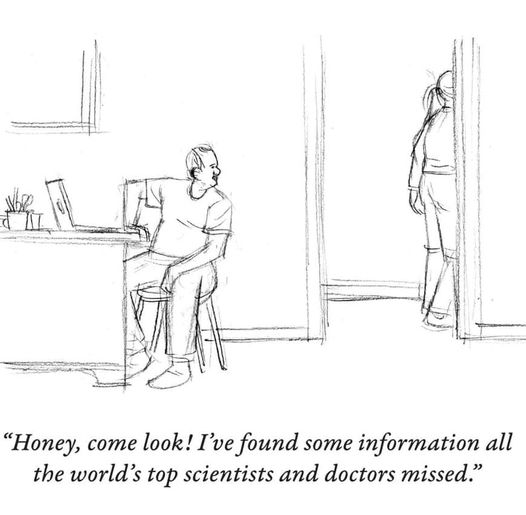
It's hard to find information that all the world's top scientists and doctors have missed.But it's not that hard, if you're intelligent, thoughtful, and diligent, to find information that the medical system has not yet caught up to—information that is not yet incorporated into… pic.twitter.com/HrgGzCUdX2— Jason Crawford (@jasoncrawford) September 22, 2024
Jason Shepherd on Twitter / X
I have quite a lot of thoughts on this..that won't fit in a tweet. Bottomline is that there are issues scientists in the US would love to improve - faster review, less grant writing, more stability and freedom to do risky science. The folks celebrating this doc are mostly../1 https://t.co/xlPAH9XYNC— Jason Shepherd (@JasonSynaptic) July 23, 2026
Claude for Life Sciences
Discover how Claude accelerates life sciences research with new scientific connectors, skills, and improved performance for drug discovery and clinical work.
Director Michael Kratsios on Twitter / X
In response to @POTUS's call for a revival of America's scientific enterprise, today I’m releasing Science: A New Golden Age.This report is a blueprint for renewing American scientific leadership for the 21st century. pic.twitter.com/ikM6pX2ndP— Director Michael Kratsios (@mkratsios47) July 21, 2026

Chris Beiser on Twitter / X
it'd be interesting to quantify the rate at which unaffiliated reddit users have improved on the state of the art for treatment protocols for diseases. my guess is that for 75% of diseases, they're responsible for a greater QoL increase than pharmaceutical companies over 10 years— Chris Beiser (@ctbeiser) June 7, 2021
Life sciences verification program
Starting today, teams and institutions can apply to our Life Sciences Verification Program (LSVP), which gives verified researchers and organizations access to our most capable models for professional biology and drug development work. LSVP is built for teams of all kinds: academic labs, startups, non-profits, biotechs, pharma companies, and more. Learn more and apply here: https://lnkd.in/gDjrMm7D We know that it has been frustrating to encounter blocks on Claude Fable. LSVP is our mechanism to prevent biological misuse, like the documented cases we’ve disrupted, while enabling legitimate life sciences research. LSVP includes a new set of safeguards to provide a better UX for life sciences researchers. We believe that advancing biology research and drug discovery will realize some of the most important beneficial impacts of AI. Please DM me if you run into any issues with the application. https://lnkd.in/gNQYePZp | 35 comments on LinkedIn

Maybe scientific progress isn’t slowing, after all
A new paper takes aim at the claim that science has become less disruptive

Science has been in a “replication crisis” for a decade. Have we learned anything?
Bad papers are still published. But some other things might be getting better.

adammaj on Twitter / X
from the outside, it is very reasonable to interpret the past 2 weeks as an orchestrated industry-wide regulatory capture strategy.I realize that no one has properly explained yet what all the lab employees have seen that scared them so suddenly.I will try to explain -…— adammaj (@MajmudarAdam) September 12, 2026
Want More Policies Based on Evidence?
Medicine teaches us it will take time, effort, and investment.

I believed we would face an antibiotics apocalypse - until now | Richard James
For decades my research showed the dangers of new strains of resistance, and this week we heard of another threat. But there’s been a breakthrough

Jude Gomila on Twitter / X
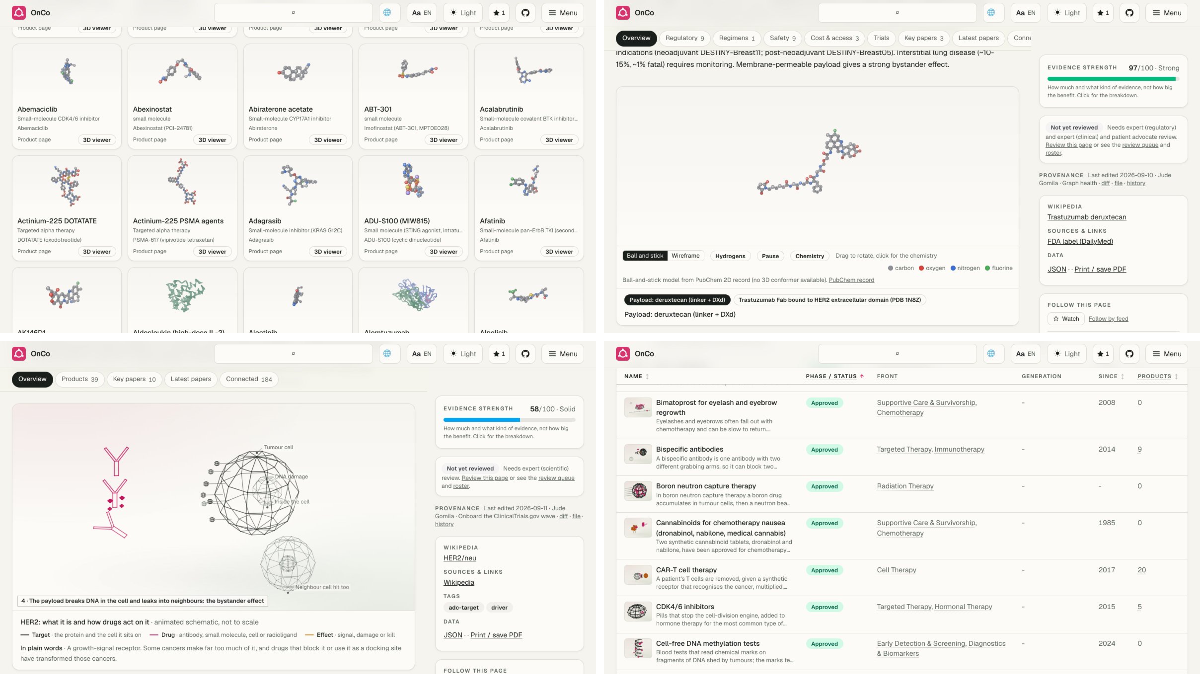
I've attempted to map everything in oncology in a public website and open source repo for all. The site is trying to get all cancers, products, technologies, bottlenecks, people, startup opportunities with 1000+ ideas for upgrading the field. If you have a loved one with… pic.twitter.com/ff5Bdss5BT— Jude Gomila (@judegomila) September 16, 2026