


Discover how ontologies, knowledge graphs and semantic enrichment improve LLM accuracy, reduce errors and build trust in AI through a real experiment.
Why LLM Wiki? 🧠 Future Of Knowledge For Agentic AI & Humans
Build an LLM Wiki for Your AI Agents
Build an LLM Wiki for Your AI Agents with myKG and Obsidian How to turn a folder of mixed format documents into a typed, interlinked knowledge graph your agents can actually read — using myKG and …
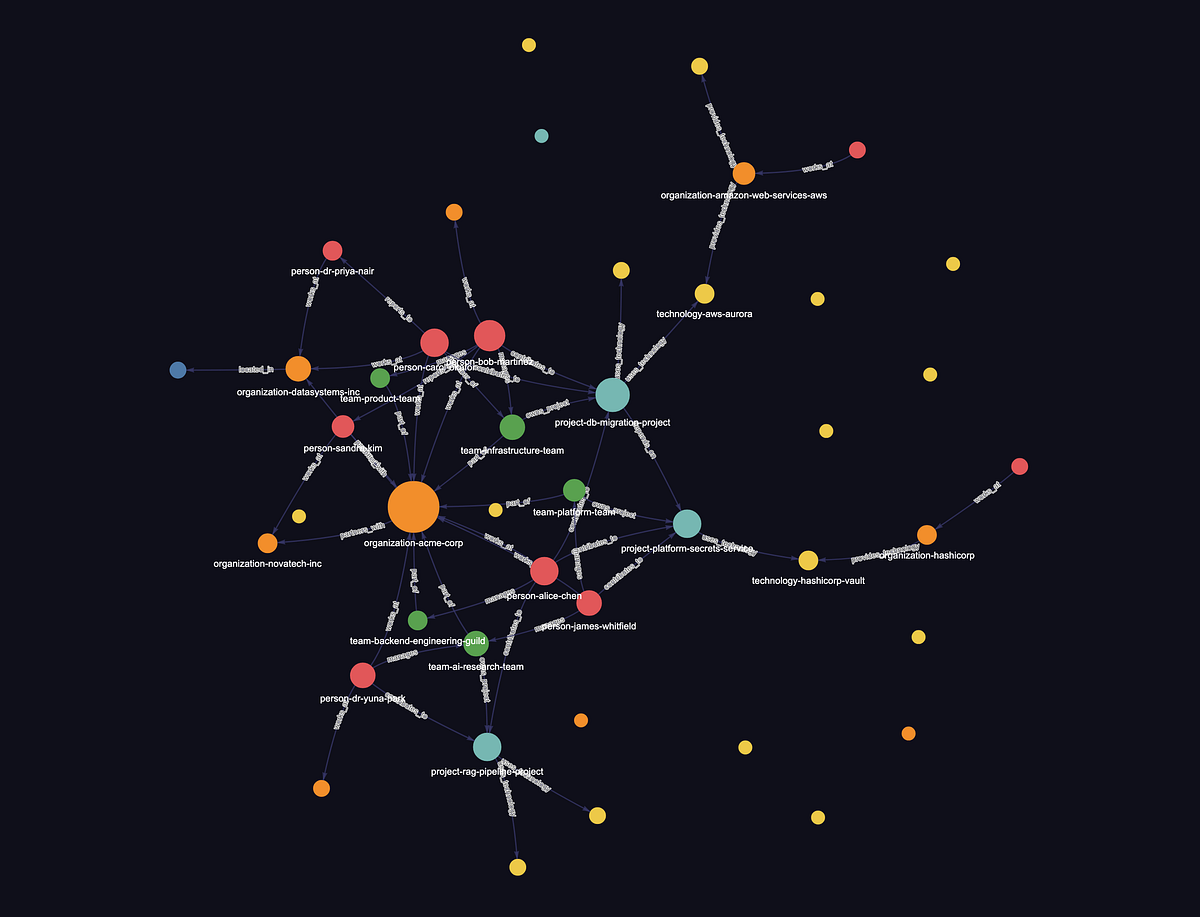
MainPage8
The InfoCentral project has historically been focused more heavily upon the symbolic (human-meaningful) side of AI. This included derivatives of Semantic Web and related knowledge representation research, which were dependent on human effort to curate and categorize structured data. The symbolic approach to AI has largely lost the race to the neuro/neuro-symbolic (opaque vectors, statistical) side of AI research, notably the success of the Large Language Model (LLM) paradigm. Due to its faculties with natural language, remarkably little human involvement is needed to infer structure and meaning from traditional (mostly unstructured) information. As such, some of the approaches previously explored in the InfoCentral project have lost relevance. That said, LLM-based tools can perhaps help us finish the symbolic side of the grand AI project, by doing the tedious work that humans were reluctant to do! It has long been theorized that a combination of approaches will ultimately provide the most robust and performant systems, able to work with messy transient unstructured information while also building networks of verifiable persistent structured information that both humans and machines can cross-verify. This may prove useful in both ensuring that future AI systems remain aligned to human goals and values and that inevitable abuses and failures can be easily recovered from. To that end, some research results of this project may be re-usable in a new context.
AI Agents: Key Concepts and How They Overcome LLM Limitations
An AI agent is an autonomous software entity that is often used to augment a large language model. Here's what developers need to know.

Semantic Scholar | AI-Powered Research Tool
Semantic Scholar uses groundbreaking AI and engineering to understand the semantics of scientific literature to help Scholars discover relevant research.

IWE - Agent Memory in Plain Markdown
A local-first knowledge graph for you and your AI agents. Query markdown like a database, edit it with guarded operations, enforce structure with schemas.
Build an AI Second Brain(LLM Wiki Pattern) With Claude Code and Obsidian
TLDR:Build an AI-powered knowledge base in Obsidian. Use Claude Code slash commands to ingest, link, and query your notes into a smart…
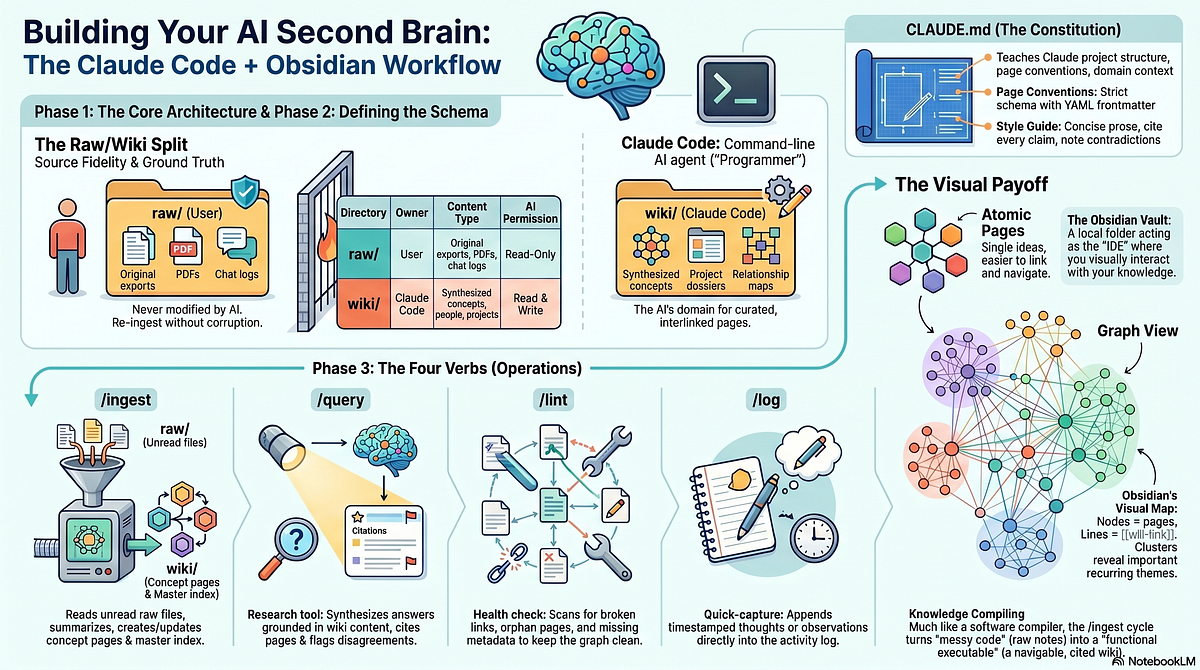
Karpathy's LLM Wiki: What It Means & How to Build One
How to use AI to do practical stuff: A new guide
People often ask me how to use AI. Here's an overview with lots of links.


How to Build an LLM Knowledge Base
A hands-on guide to building a simple LLM knowledge base with raw markdown sources, a compiled wiki, reusable prompts, and an agent that keeps improving the knowledge base over time.
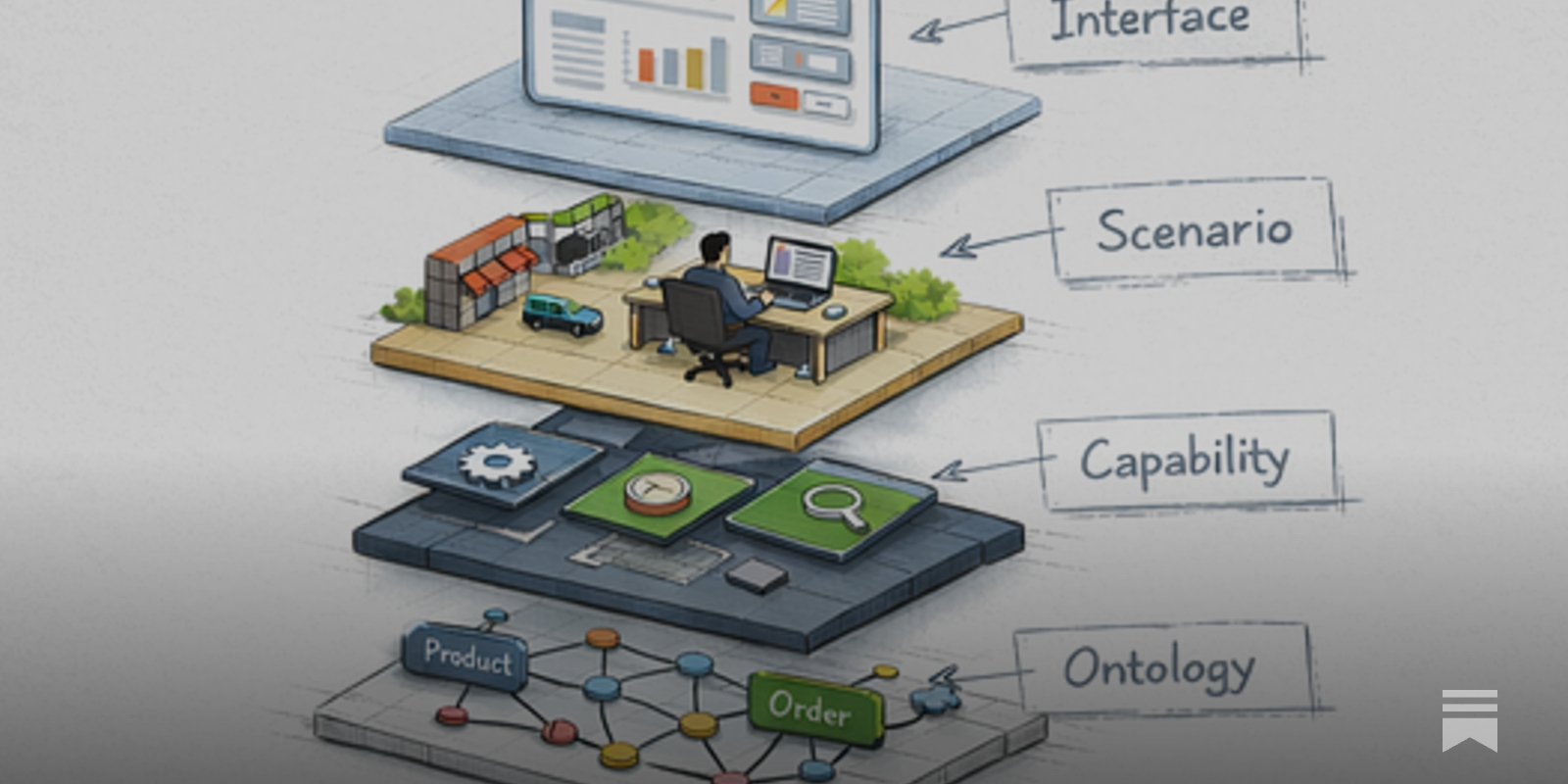
The Ontology Layer of Design
Why words are the most important design tool in the AI era
Introduction to Agents
Discover what actually works in AI. Join millions of builders, researchers, and labs evaluating agents, models, and frontier technology through crowdsourced benchmarks, competitions, and hackathons.

LLM Agents are simply Graph — Tutorial For Dummies
Ever wondered how AI agents actually work behind the scenes?

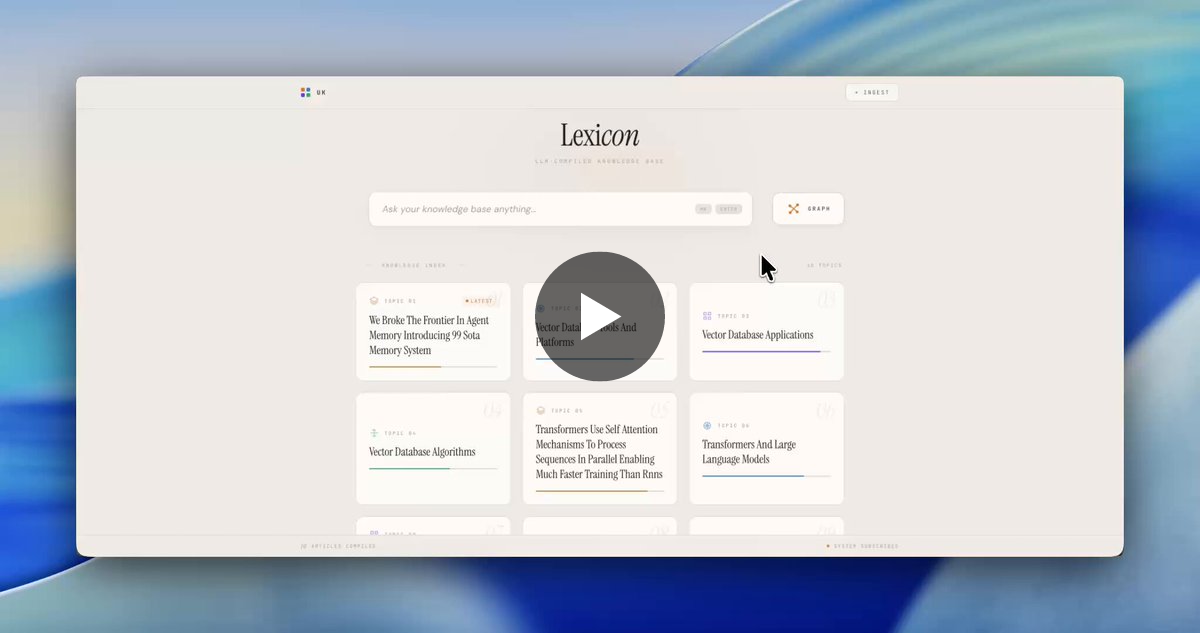
LLM Wikis

AI-compiled knowledge bases
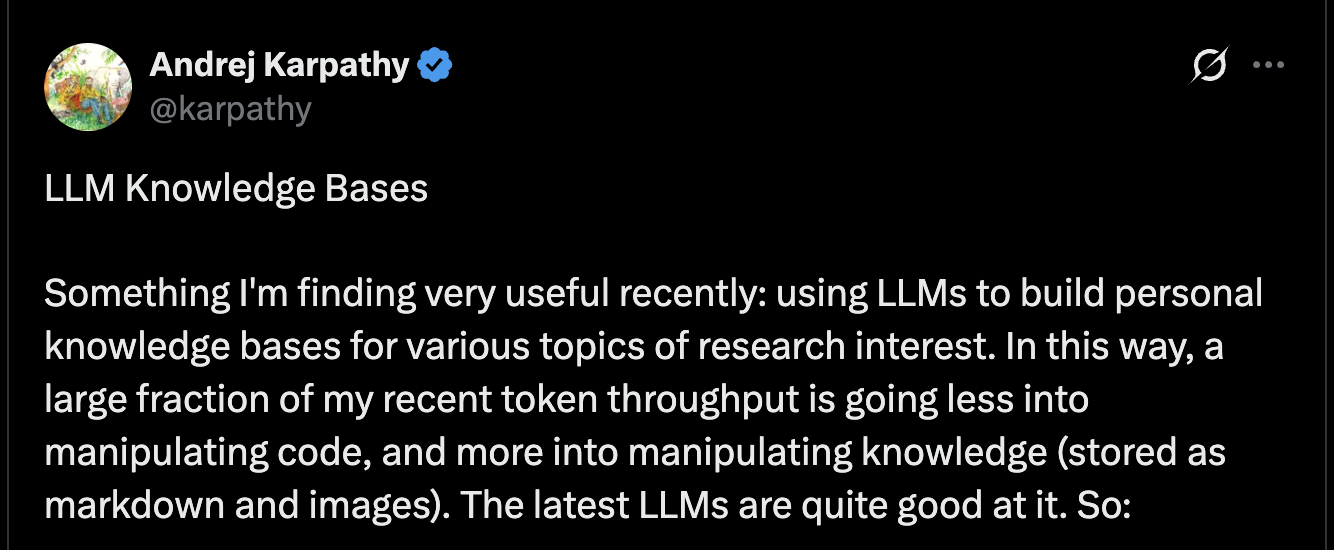
Jared Goering on Twitter / X
OpenWiki: Open Source Repo Documentation for Coding Agents
Wiki Memory

The Obsidian heads were right.
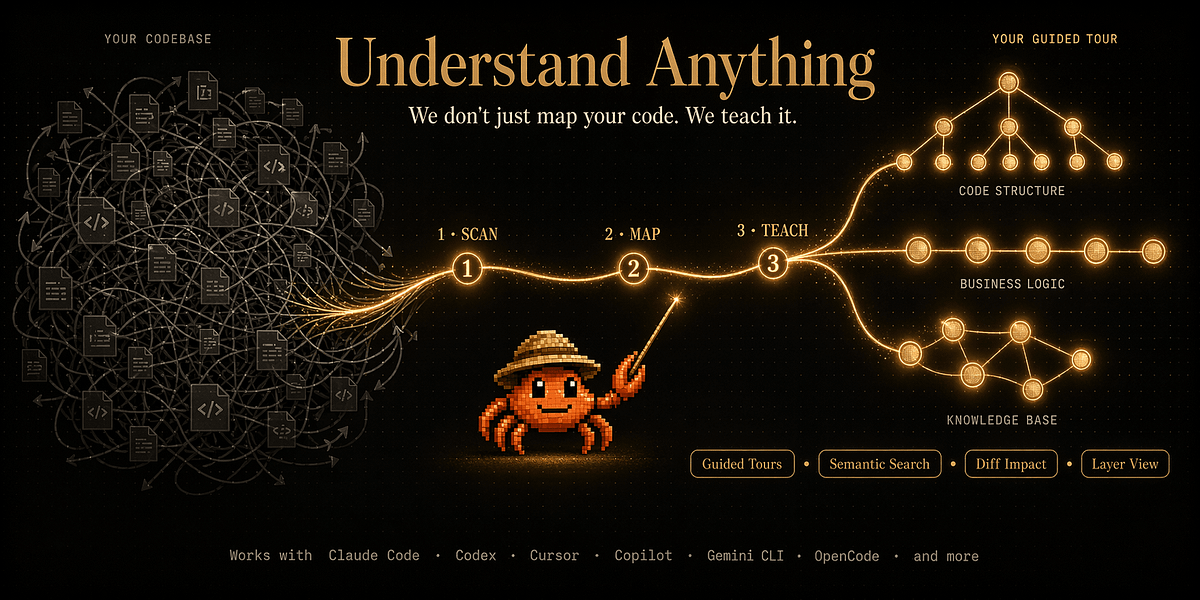
The Definitive Guide to Understand Anything: Turning Code and Knowledge Into Graphs That Teach
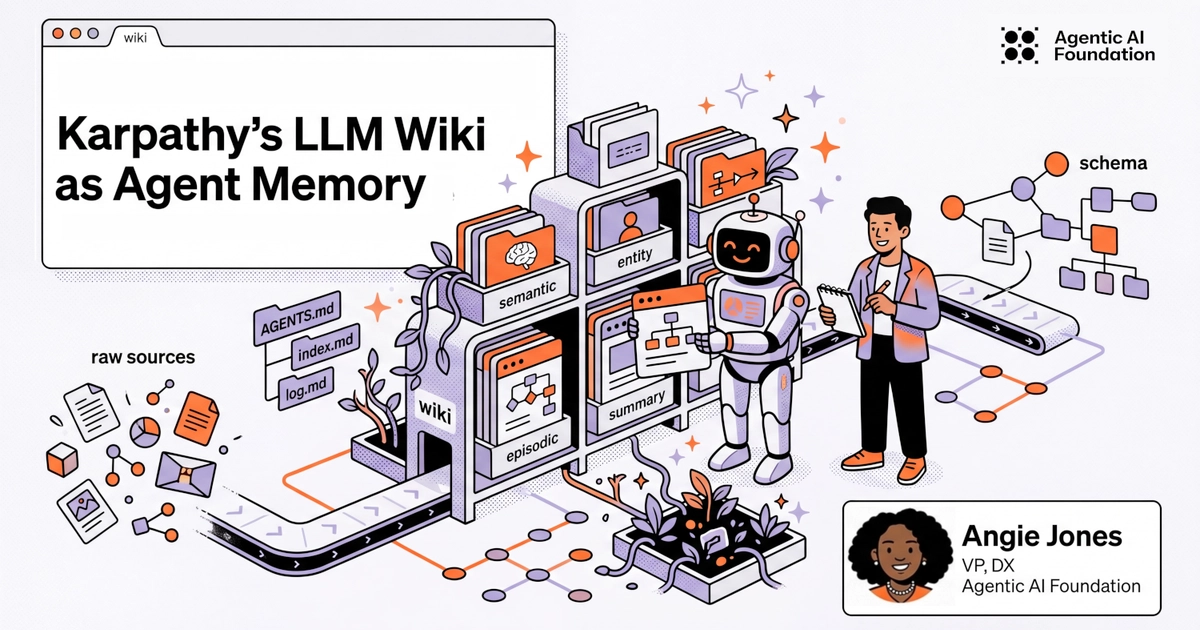
Karpathy's LLM Wiki as Agent Memory - Agentic AI Foundation (AAIF)