


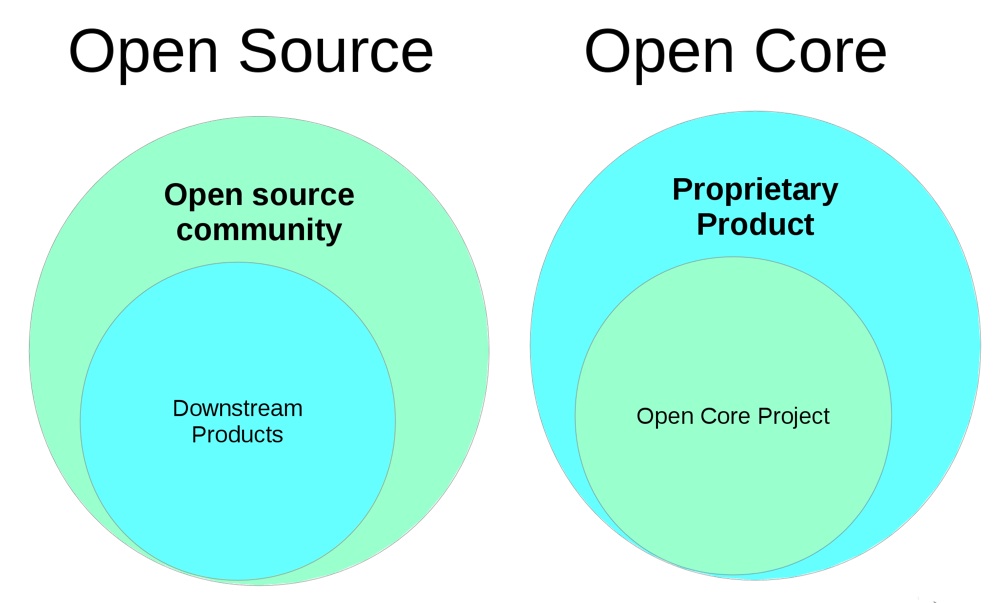
I’ve spent a good bit of time explaining the ins and outs of open source products: what they are, how to make money with them, and what they are not. Namely, products are products, no matter the source code license they are published under. But there’s a journey that a software project must undergo before […]
How to Make Money from Open Source Platforms - Linux.com
John Mark Walker is the Open Source Ecosystems Manager at Red Hat. I never thought I’d have to write this article in 2015. By now, I thought it would be self-evident how to derive revenue from open source software platforms. But alas, no. Despite the fact that the success of open source software is unparalleled and […]
When Free Software Isn't (Practically) Superior - GNU Project - Free Software Foundation
The Open Source Initiative's mission statement reads, “Open source is a development method for software that harnesses the power of distributed peer review and transparency of process. The promise of open source is better quality, higher reliability, more flexibility, lower cost, and an end to predatory vendor lock-in.”
Who Writes Linux and Open Source Software? - Slashdot
From an opinion piece in the Register: Aiven, an open source cloud data platform company, recently analyzed who's doing what with GitHub open source code projects. They found that the top open source contributors were all companies — Amazon Web Services, Intel, Red Hat, Google, and Microsoft....

Open Source is a cost-allocation system
Because the right to use the software is not tied to payment, the license does not connect the people who benefit, the people who decide, and the people who bear the costs. Projects have to build those connections deliberately through governance.


Open Source Doesn’t Make Money Because It Isn’t Designed To Make Money
We all know the story: you can’t make money on open source. Is it really true?
Time for Net Giants to Pay Fairly for the Open Source on Which They Depend | Linux Journal
Licensing lies at the heart of open source. Arguably, free software began with the publication of the GNU GPL in 1989. And since then, open-source projects are defined as such by virtue of the licenses they adopt and whether the latter meet the Open Source Definition. The continuing importance of licensing is shown by the periodic flame wars that erupt in this area. Recently, there have been two such flarings of strong feelings, both of which raise important issues.
Open Source is Not Enough
by James Halliday // The open source movement has fundamentally changed how software gets written. But in the process, corporations have been given a vast gift of free labor.
Open source is a restaurant
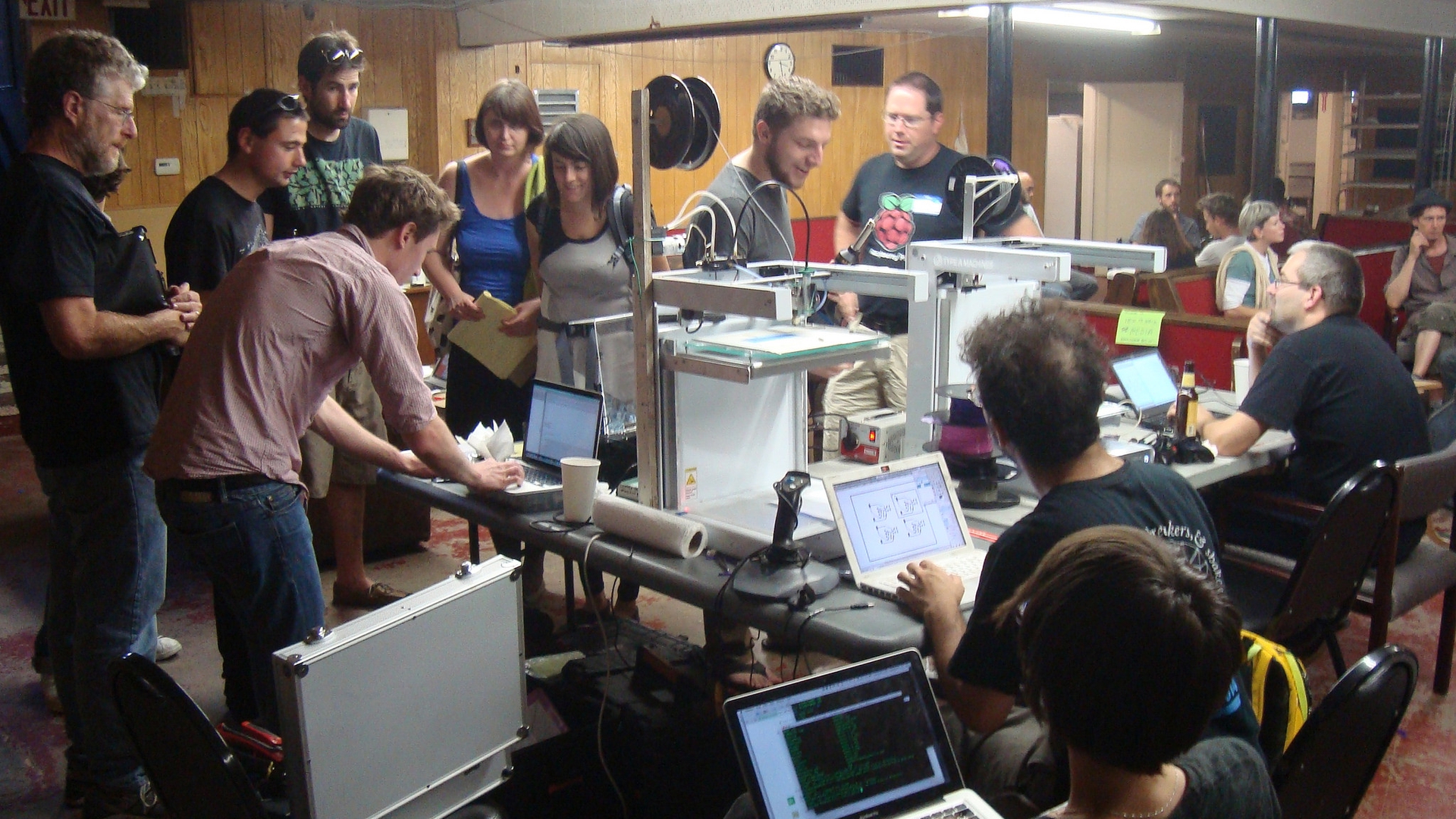
[[Chad Whitacre]] makes a great analogy around when/how software gets paid for, vs food. Open Source is a restaurant. At a restaurant, you eat your meal fir...

Proprietary Software Giants Telling Us That “Open Source Has Won” Means That “Open Source” is Just Proprietary Software Giants
Don't fall for the deceitful illusion that monopolies hijacking what they've dubbed the
Creating The Open-Source Community Of Your Dreams | TechCrunch
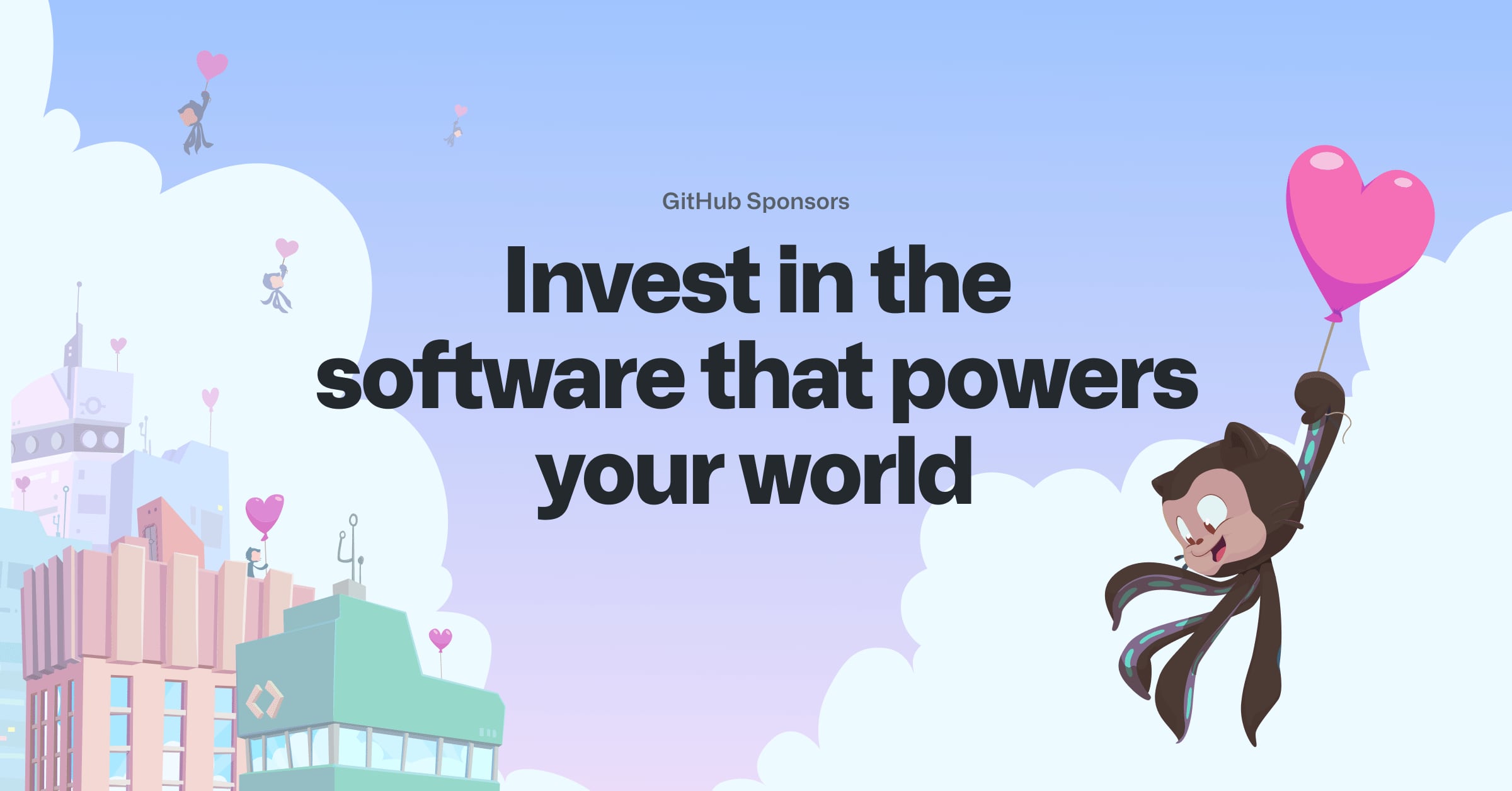
When a company decides to embrace open-source software development, releasing the code under a suitable license is only the tip of the iceberg. The real challenge that companies face is learning how to attract and collaborate with contributors. It's not easy, but fostering the growth of a healthy community is a necessary step that will help your open-source software project fulfill its potential.

Why “Free Software” is better than “Open Source” - GNU Project - Free Software Foundation
Our work begins by asking ourselves, “Is it free?” because our purpose is to respect your individual user needs, autonomy, and right to decide for yourself. We empower people to build a future built on free software that, above all, puts the user first. By supporting our work, you help support everyone's rights. Please help us reach our goal of $400,000 USD!
Why Open Source Misses the Point of Free Software - GNU Project - Free Software Foundation
The terms “free software” and “open source” stand for almost the same range of programs. However, they say deeply different things about those programs, based on different values. The free software movement campaigns for freedom for the users of computing; it is a movement for freedom and justice. By contrast, the open source idea values mainly practical advantage and does not campaign for principles. This is why we do not agree with open source, and do not use that term.
Open source and the software supply chain
Managing something as esoteric as resources for building software with a variety of contributions made by the open source community is more amorphic.

What is open source?
Why the idealistic promise of collaborative software often falls short of its potential.
