

On one hand, I genuinely believe Solid represents the web we truly want—a web where users fully own and control their data.
Solid: Your data, your choice - Solid Project
Solid is an evolution of the web by its creator Sir Tim Berners-Lee. Solid realizes Tim's original vision for the Web as a medium for the secure, decentralized exchange of public and private data.

Solid: Your data, your choice - Solid Project
Solid is an evolution of the web by its creator Sir Tim Berners-Lee. Solid realizes Tim's original vision for the Web as a medium for the secure, decentralized exchange of public and private data.
Solid (web decentralization project)
Solid is a web decentralization project led by Tim Berners-Lee, the inventor of the World Wide Web, originally developed collaboratively at the Massachusetts Institute of Technology (MIT). The project "aims to radically change the way Web applications work today, resulting in true data ownership as well as improved privacy" by developing a platform for linked-data applications that are completely decentralized and fully under users' control rather than controlled by other entities. The ultimate goal of Solid is to allow users to have full control of their own data, including access control and storage location. To that end, Tim Berners-Lee formed a company called Inrupt to help build a commercial ecosystem to fuel Solid.

Four "Digital Identity" lessons every Web3 builder should know - blog.boscolo.co
This article was originally published on Mirror.xyz May 17, 2022

The Oxymoron of “Data-Driven Innovation”
Once upon a time, in the dawn of the internet era, web products came from college dudes. The dudes were almost always wealthy and well-connected, but they weren’t usually market-savvy. These …


A better web
The web as it is today is, by design, ridden with hostility. The problems faced by its users fall into three main categories: ownership of identity, ownership of data, and surveillance capitalism. Websites want to own the identity of their users. This results in compromising either the convenience by having to log in to every site separately – or security and privacy, by outsourcing identity control to other third-party sites (“Would you like to log in with your Google or Facebook account?”), thus disclosing movements throughout the internet.
Surf: A Fresh Take on Digital Media Curation and Discovery
Explore how Mike McCue's Surf app redefines content consumption with human curation, battling algorithm-driven media chaos.

Put State in the Right Place - Delaney Gillilan | SSW 2026
Web of the People — Open Indie
Whether you think of web3 as the advent of peer-to-peer protocols, coin-operated blockchains or autocomplete-AI synthesizers, change is c...
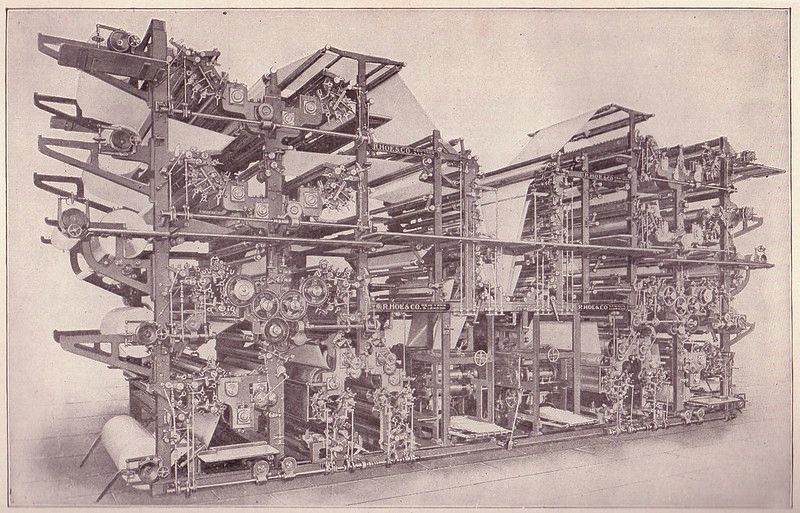
Digital Sovereignty in Practice: Web Browsers as a Reality Check
Servo, a memory-safe browser engine, is kept alive by five engineers and a trickle of donations. A reality check on what an independent browser would actually cost the digital-sovereignty talk.
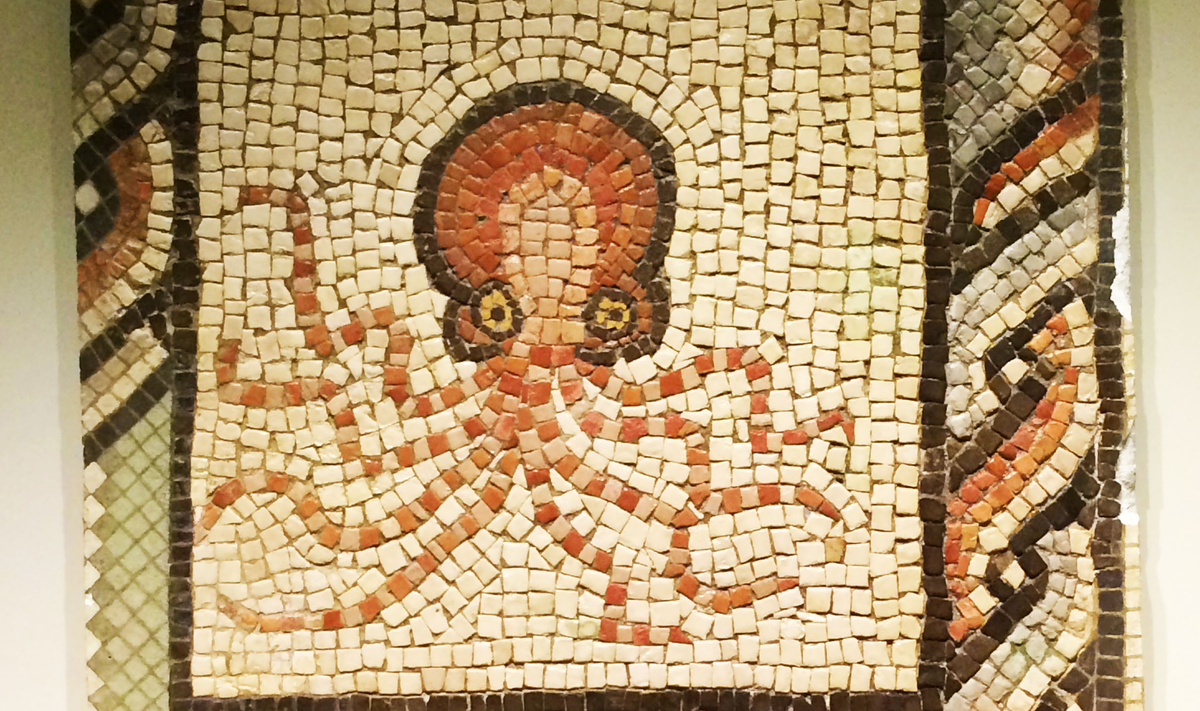
Rethink: Web - Open Space
When we struggle to explain the inherent qualities of a medium, we tend to defer to analogies and metaphors. This is especially true of the internet. Clouds, highways, streams, and real estate are just a few examples of the concepts employed to represent this intangible invention. Staring into a screen, it’s easy to imagine an […]

Solid Protocol
This document connects a set of specifications that, together, provide applications with secure and permissioned access to externally stored data in an interoperable way.
The Everything Account - augment
I’ve been thinking a lot about our accounts lately. We all have an ever-growing pile of digital identities scattered across the web, many forgotten after a b…
Indie social sign-in could go mainstream — Open Indie
Back in June I wrote about an exciting confluence of digital auth tech: ### Social sign-in for indies The focal point of Weird Net...